
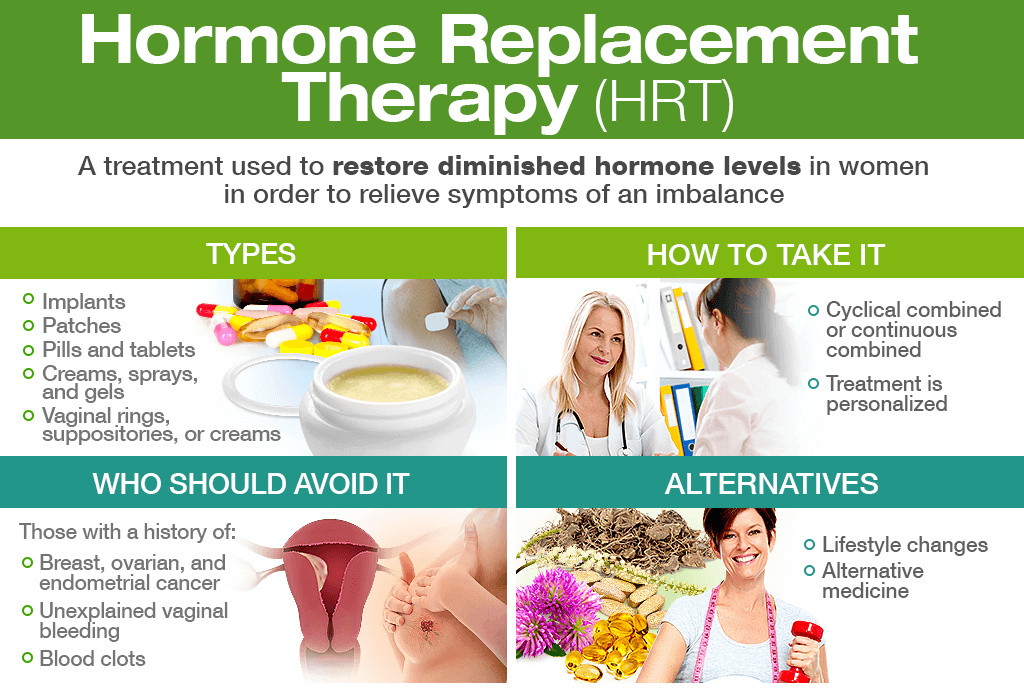
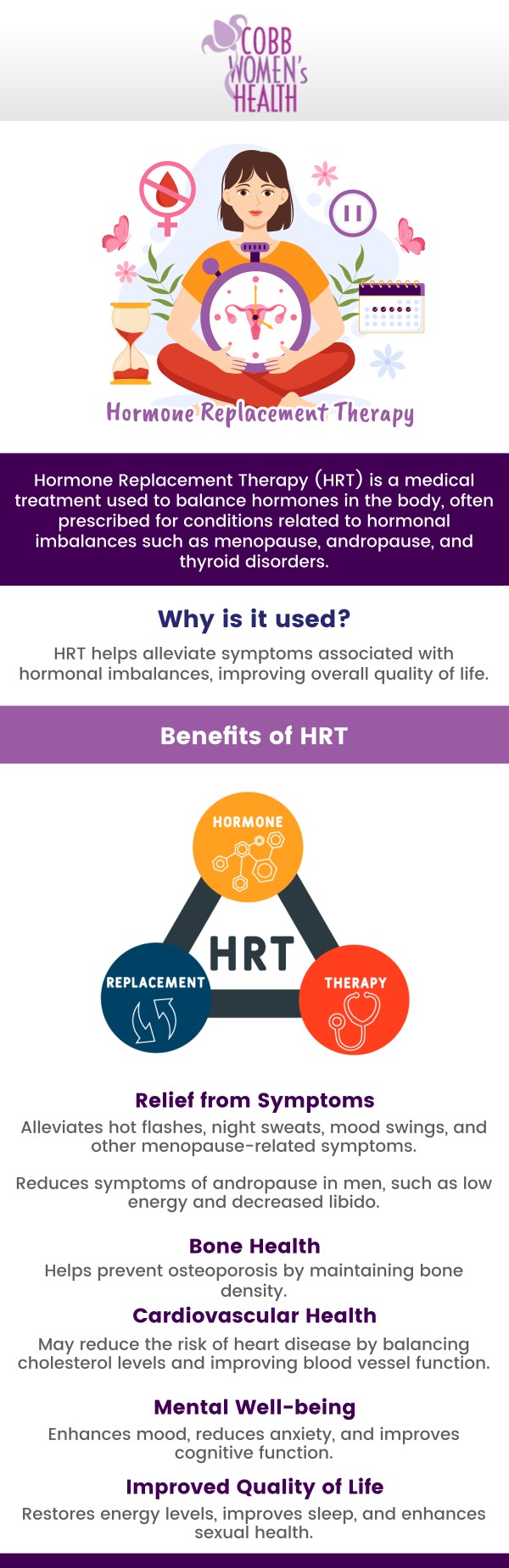
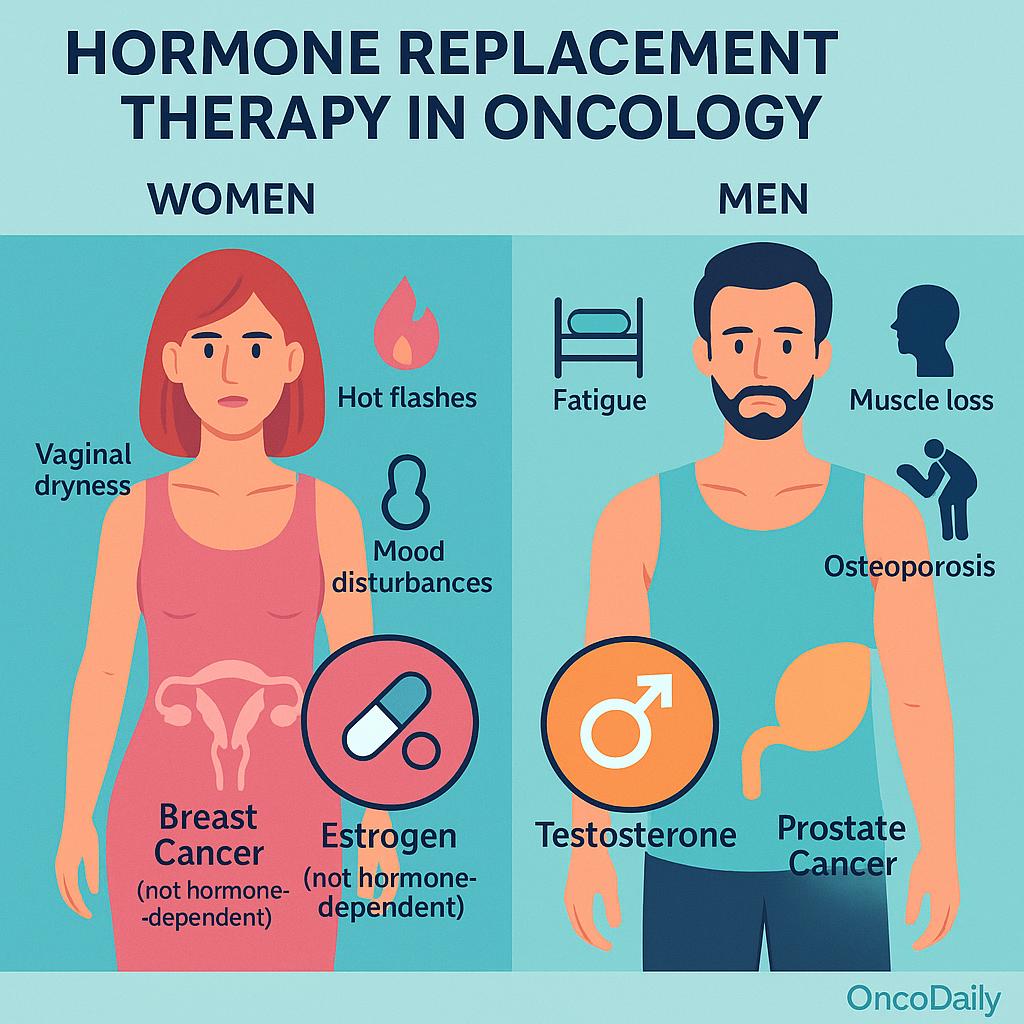
Hormone Replacement Therapy (HRT) is a well-established medical intervention designed to address hormonal imbalances or deficiencies, often associated with menopause, andropause, or certain medical conditions. Historically, HRT involved a physician’s diagnosis, prescription, and periodic follow-ups, with a strong reliance on in-person consultations and standardized treatments. However, in the 21st century, HRT is undergoing a profound transformation, largely driven by advancements in technology. From remote diagnostics and personalized treatment plans powered by artificial intelligence to wearable biometric trackers and secure digital health platforms, technology is not merely an adjunct to HRT; it is fundamentally reshaping how hormone management is understood, accessed, delivered, and monitored. This article delves into the technological innovations that are revolutionizing HRT, making it more precise, accessible, and patient-centric than ever before, while also examining the digital security and ethical considerations inherent in this rapidly evolving landscape.
Digital Platforms and Telemedicine: Reshaping Access to HRT
The advent of digital health platforms and telemedicine has dramatically altered the landscape of medical care, and HRT is no exception. These technologies are breaking down geographical barriers, improving convenience, and enabling a more continuous model of care that was previously difficult to achieve.
Virtual Consultations and Remote Monitoring
Telemedicine platforms have emerged as a cornerstone for enhancing accessibility to HRT. Patients, especially those in rural areas or with limited mobility, can now initiate and continue their HRT journey from the comfort of their homes. Virtual consultations allow individuals to discuss symptoms, medical history, and treatment options with specialists who might otherwise be geographically inaccessible. High-definition video conferencing and secure messaging systems facilitate a comprehensive dialogue, ensuring that crucial information is exchanged effectively. Beyond initial consultations, these platforms enable remote monitoring, where patients can log symptoms, side effects, and general well-being metrics directly into a secure portal. This real-time data allows clinicians to track progress, make timely adjustments to treatment plans, and intervene proactively if concerns arise, moving beyond episodic care to a more continuous and responsive approach. The ability to conduct follow-up appointments virtually also reduces travel time and costs for patients, fostering greater adherence to long-term therapy. Moreover, these digital solutions often integrate with patient education modules, providing accessible information about HRT, its benefits, risks, and proper administration, empowering patients to become active participants in their own health management.
AI-Powered Diagnostics and Personalized Regimens
Artificial intelligence (AI) is beginning to play a transformative role in personalizing HRT, moving beyond traditional, often generalized, treatment protocols. AI algorithms can process vast amounts of patient data, including demographic information, detailed symptom logs, laboratory results (e.g., hormone levels, lipid panels, bone density scans), genetic predispositions, and even lifestyle factors. By analyzing these complex datasets, AI can identify subtle patterns and correlations that might be missed by human analysis alone. This capability enables AI to assist clinicians in more accurately identifying optimal candidates for HRT, predicting individual responses to specific hormone formulations, and foreseeing potential side effects. For instance, AI could help determine the most suitable type of estrogen or progesterone, the ideal dosage, and the optimal delivery method (e.g., oral, transdermal, injectable) for a given patient, tailoring the regimen to their unique physiological profile and risk factors. This shift towards hyper-personalization promises to maximize the therapeutic benefits of HRT while simultaneously minimizing adverse reactions, leading to significantly improved patient outcomes. The integration of AI tools within clinical decision support systems is still evolving, but its potential to refine HRT prescription and management is immense, promising a future where treatment plans are truly bespoke.
Secure Data Management and Digital Prescribing
The sensitive nature of medical information, particularly concerning hormone health, necessitates robust digital security measures. Digital platforms for HRT consultations and management are built upon sophisticated encryption protocols and adhere to stringent regulatory frameworks like HIPAA in the United States or GDPR in Europe. These technologies ensure that all patient data, from consultation notes to lab results and treatment plans, is stored, transmitted, and accessed securely, protecting privacy and maintaining confidentiality. Furthermore, digital prescribing systems (e-prescribing) streamline the process of obtaining HRT medications. Prescriptions can be sent directly and securely from the clinician’s digital platform to the patient’s chosen pharmacy, reducing errors associated with handwritten scripts, improving efficiency, and ensuring that patients receive their medications promptly. Many systems also incorporate drug interaction alerts and dosage verification, adding another layer of safety to the prescribing process. The integration of patient portals also allows individuals to access their prescription history, track refills, and communicate directly with their pharmacy through a secure channel, simplifying medication management and fostering greater adherence.
Wearable Technology and IoT Devices for Enhanced HRT Management
Beyond digital platforms, the proliferation of wearable technology and Internet of Things (IoT) devices is providing unprecedented opportunities for real-time data collection and proactive management of HRT, turning passive treatment into an active, data-driven process.
Real-time Biometric Tracking
Wearable devices, such as smartwatches, fitness trackers, and specialized biometric sensors, are increasingly sophisticated in their ability to monitor a wide array of physiological parameters relevant to HRT. While traditional HRT management relies on periodic lab tests and subjective symptom reporting, wearables offer continuous, objective data. These devices can track heart rate variability, sleep patterns (duration, quality, disturbances), skin temperature fluctuations (which can correlate with hot flashes), stress levels (via galvanic skin response), and activity levels. In some advanced contexts, continuous glucose monitors (CGMs) can even provide insights into metabolic health, which is crucial for overall well-being and can be influenced by hormone levels. This granular, real-time data provides both patients and clinicians with a deeper understanding of how HRT is impacting the body between appointments. For instance, a persistent elevation in resting heart rate or disrupted sleep patterns, when correlated with a new HRT regimen, can signal the need for adjustment. This wealth of information empowers a more precise titration of hormone dosages, helping to optimize therapeutic effects and mitigate unwanted side effects based on individualized physiological responses.
Smart Drug Delivery Systems
The technological frontier extends to the very method of hormone delivery. Innovations in smart drug delivery systems are promising to revolutionize how hormones are administered, improving efficacy, adherence, and patient convenience. These systems include advanced transdermal patches with controlled-release mechanisms that ensure a consistent hormone delivery profile over extended periods, minimizing peaks and troughs in blood levels. Beyond passive patches, future developments might include implantable devices that can release hormones precisely according to a pre-programmed schedule or even adjust dosage in response to physiological signals detected by integrated sensors. For example, a smart implant could potentially detect fluctuating body temperature or specific biomarkers and release a burst of estrogen to alleviate an impending hot flash. Auto-injectors and smart pens, already common for conditions like diabetes, are also being adapted for HRT, providing accurate dosing and often connecting to apps that track usage, remind patients of doses, and even provide instructions on proper administration, thereby significantly improving patient adherence and reducing administration errors. These technologies move HRT from a purely reactive model to a more proactive and adaptive one, driven by sophisticated delivery mechanisms.
Integrated Health Ecosystems
The true power of wearable and IoT devices in HRT management lies in their potential to integrate into larger health ecosystems. This involves a seamless flow of data from various devices, apps, and platforms into a centralized, secure system accessible by both the patient and their healthcare provider. Imagine a scenario where data from a patient’s smartwatch (sleep, activity, heart rate), a smart thermometer (temperature fluctuations), and a symptom tracking app all feed into their electronic health record (EHR). This integrated view provides a holistic picture of the patient’s health status, allowing clinicians to make more informed decisions about HRT adjustments. Furthermore, these ecosystems can facilitate communication between different specialists involved in a patient’s care, ensuring a coordinated approach. Alerts generated by these systems could notify patients or providers of significant changes or potential issues, enabling timely intervention. This interconnectedness fosters a continuous feedback loop, where treatment effectiveness is constantly monitored and refined, transforming HRT from a series of isolated medical interventions into a dynamic, integrated, and highly personalized health management journey.
The Role of Biotechnology and Advanced Analytics in HRT Advancement
Beyond digital platforms and wearables, fundamental advancements in biotechnology and the application of sophisticated data analytics are pushing the boundaries of HRT itself, making treatments more targeted, safer, and ultimately more effective.
Precision Medicine and Genomic Insights
Precision medicine, heavily reliant on biotechnology and genomic insights, is poised to profoundly impact HRT. Traditional HRT often involves a trial-and-error approach to find the most effective and tolerable regimen. However, advancements in genetic testing and pharmacogenomics are enabling a more personalized approach. Genomic analysis can identify individual genetic variations that influence how a person metabolizes hormones, how they respond to specific hormone formulations, and their susceptibility to certain side effects or risks (e.g., blood clots, certain cancers). For example, genetic markers can predict whether a patient will be a “rapid metabolizer” or “slow metabolizer” of certain hormones, informing initial dosage decisions. This allows clinicians to select the most appropriate type and dosage of hormones from the outset, minimizing adverse reactions and optimizing therapeutic outcomes. By understanding a patient’s unique genetic blueprint, HRT can be tailored to an individual’s exact biological needs, moving from a population-average approach to a truly individualized one, promising greater efficacy and safety. This sophisticated understanding helps clinicians mitigate risks and enhance the therapeutic benefits of HRT with unprecedented accuracy.
Novel Hormone Formulations and Delivery Mechanisms
Biotechnological innovation is not only refining how we select hormones but also how they are created and delivered. Researchers are continually developing novel hormone formulations, including bioidentical hormones that chemically match the hormones naturally produced by the human body, aiming to improve tolerability and reduce side effects. Advancements in pharmaceutical technology are also leading to new delivery mechanisms. This includes microencapsulation techniques that allow for sustained and controlled release of hormones over long periods, reducing the frequency of administration and maintaining more stable hormone levels in the body. Nanotechnology, for instance, is exploring ways to deliver hormones more precisely to target tissues, potentially reducing systemic side effects and enhancing localized action. These innovations are crucial for overcoming common challenges in HRT, such as fluctuating hormone levels, patient non-adherence due to inconvenient dosing schedules, and the desire for more natural-acting hormone compounds. The ability to precisely control the release kinetics and target delivery holds immense promise for improving the overall effectiveness and safety profile of HRT.
Big Data and Predictive Analytics in Clinical Research
The power of big data and predictive analytics is being harnessed in HRT clinical research to accelerate the understanding of long-term effects, optimize treatment protocols, and identify novel therapeutic pathways. By collecting and analyzing vast datasets from patient populations, including electronic health records, clinical trial data, and real-world evidence gathered through digital health platforms, researchers can uncover subtle trends, identify new biomarkers, and predict outcomes with greater accuracy. For example, predictive models can assess the long-term risk-benefit profiles of various HRT regimens for different patient demographics, moving beyond what can be gleaned from smaller, short-term trials. These analytics can help refine guidelines, identify patient subgroups who may benefit most (or least) from specific treatments, and highlight potential new applications for hormone therapy. This data-driven approach fosters a rapid cycle of learning and improvement, ensuring that HRT practices are continuously refined based on the most current and comprehensive evidence, thereby contributing to the development of more effective and safer treatments for future generations.
Digital Security and Ethical Considerations in HRT Tech
As technology increasingly intertwines with HRT, it brings forth crucial considerations regarding data security, privacy, and ethical implementation, which must be addressed to ensure patient trust and equitable access.
Protecting Sensitive Health Information
The integration of digital platforms, wearables, and genomic data into HRT management generates an unprecedented volume of highly sensitive health information. Protecting this data from breaches, unauthorized access, and misuse is paramount. Robust cybersecurity measures, including end-to-end encryption, multi-factor authentication, regular security audits, and adherence to strict data privacy regulations (e.g., HIPAA, GDPR), are absolutely essential. Patients undergoing HRT often share very personal details about their health, lifestyle, and emotional well-being. A data breach could not only compromise their privacy but also lead to discrimination, identity theft, or emotional distress. Therefore, the development and deployment of HRT-related technologies must prioritize data security by design, ensuring that patient confidentiality is maintained at every stage, from data collection to storage and sharing. Healthcare providers and technology developers share a significant responsibility to educate patients about how their data is being protected and to foster transparency in data handling practices.
Algorithmic Bias and Equitable Access
The increasing reliance on AI algorithms for HRT diagnostics and personalized treatment raises concerns about algorithmic bias. If the training data used to develop these AI models disproportionately represents certain demographics (e.g., predominantly younger, affluent, or specific ethnic groups), the algorithms may perform less accurately or even perpetuate biases when applied to underrepresented populations. This could lead to suboptimal HRT recommendations, misdiagnoses, or delayed treatment for certain individuals. Ensuring equitable access to HRT technologies is another critical ethical challenge. The digital divide means that not everyone has equal access to high-speed internet, smartphones, or the digital literacy required to fully utilize telemedicine platforms or wearable devices. If advanced HRT management becomes predominantly tech-enabled, it risks exacerbating health disparities, potentially leaving behind vulnerable populations who could benefit most from improved care. Developers and policymakers must actively work to design inclusive technologies, provide digital literacy training, and implement support systems to ensure that technological advancements in HRT benefit all individuals, regardless of their socioeconomic status or technological proficiency.
User Experience and Digital Literacy
For HRT technologies to be truly effective, they must be user-friendly and accessible to individuals of varying digital literacy levels. Complex interfaces, confusing navigation, or overly technical language can deter patients from engaging with digital tools, undermining the very benefits these technologies aim to provide. Therefore, human-centered design principles are crucial in the development of HRT apps, platforms, and devices. This involves intuitive interfaces, clear instructions, and multilingual support where appropriate. Furthermore, patient education about how to use these technologies, understand the data they provide, and interpret recommendations is vital. Healthcare providers need to be equipped to guide patients through the digital tools, explain their purpose, and troubleshoot common issues. A gap in digital literacy can create anxiety and frustration, potentially leading to non-adherence or a complete disengagement from technologically enhanced HRT. Investing in both intuitive design and comprehensive patient education is essential to ensure that technology empowers, rather than overwhelms, individuals on their HRT journey, fostering a positive and effective user experience.
In conclusion, HRT therapy is undergoing a significant transformation, not just in its medical understanding but profoundly in its delivery and management, thanks to a wave of technological innovation. From digital platforms and telemedicine enhancing accessibility and personalization to wearable devices providing real-time data for refined treatment, and biotechnology advancing precision medicine, technology is making HRT more effective, tailored, and convenient. However, this progress comes with a critical responsibility to address digital security, mitigate algorithmic bias, and ensure equitable access and user-friendly experiences. As we continue to navigate this evolving landscape, a careful balance between leveraging technological advancements and upholding ethical considerations will be paramount to realizing the full potential of HRT in promoting optimal health and well-being in the digital age.
aViewFromTheCave is a participant in the Amazon Services LLC Associates Program, an affiliate advertising program designed to provide a means for sites to earn advertising fees by advertising and linking to Amazon.com. Amazon, the Amazon logo, AmazonSupply, and the AmazonSupply logo are trademarks of Amazon.com, Inc. or its affiliates. As an Amazon Associate we earn affiliate commissions from qualifying purchases.