
Human Papillomavirus (HPV) is a pervasive and often misunderstood virus that significantly impacts women’s health. While medical discussions about HPV are vital, the digital landscape offers new avenues for understanding, managing, and even preventing this common infection. In an era where technology intersects with every facet of our lives, from managing our finances to crafting our personal brand, understanding HPV through a modern lens becomes crucial. This article explores HPV for women, leveraging the perspectives of technology, brand awareness, and financial implications, to offer a comprehensive and accessible overview.

Understanding HPV: The Basics and Beyond
At its core, HPV is a group of more than 200 related viruses, approximately 40 of which are transmitted through sexual contact. It’s incredibly common; the CDC estimates that nearly all sexually active people will get HPV at some point in their lives. For women, understanding HPV is paramount because certain strains are responsible for a significant percentage of cervical cancers, as well as other cancers such as vulvar, vaginal, anal, and oropharyngeal cancers. Many HPV infections clear on their own, but persistent infections with high-risk strains can lead to cellular changes that, over time, may develop into cancer.
Dispelling Myths and Misconceptions
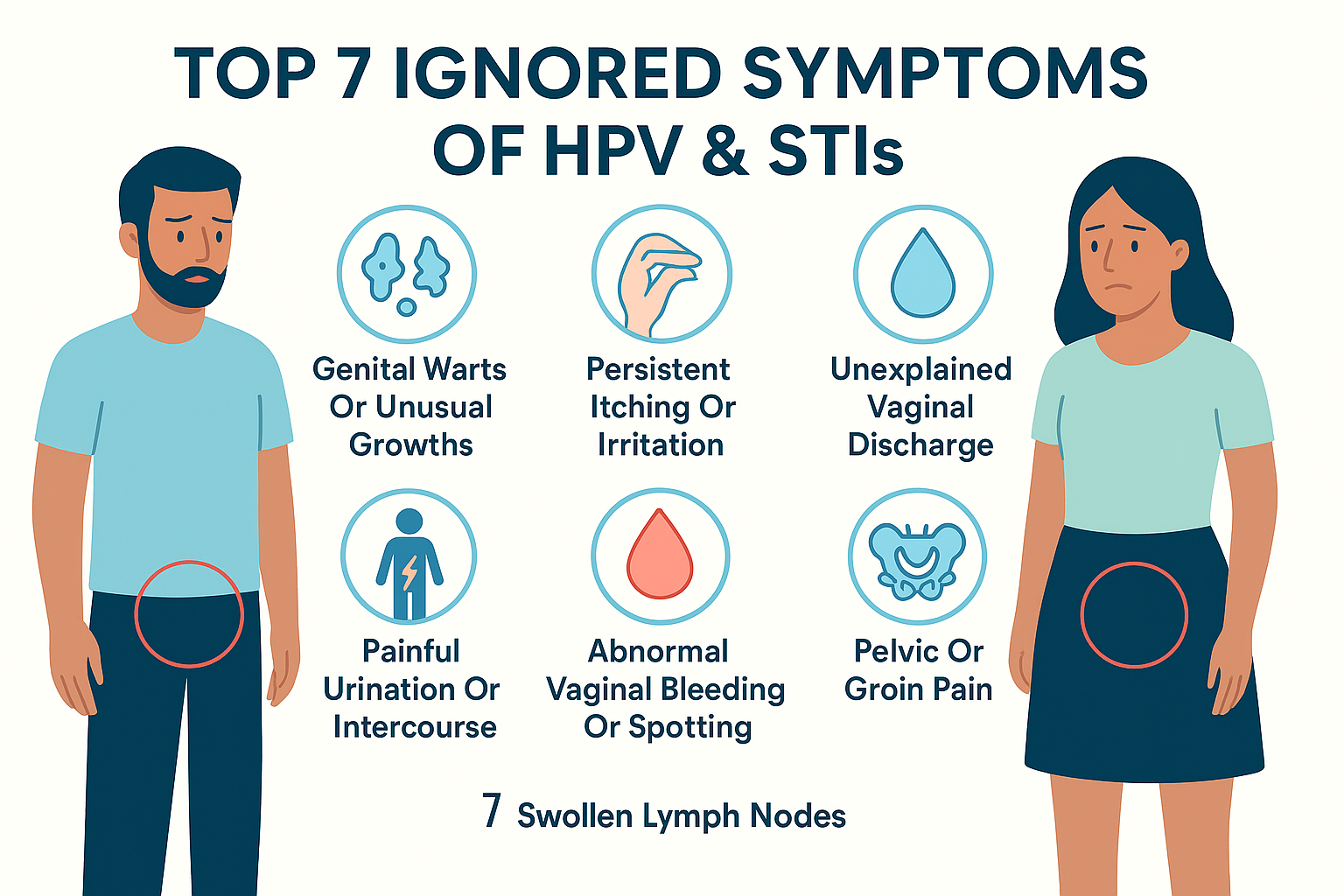
Misinformation surrounding HPV is rampant, fueled by a lack of open discussion and the stigma often associated with sexually transmitted infections. It’s important to clarify that HPV is not solely a “women’s issue” or an “STI issue.” It’s a viral infection that affects both men and women, and can be transmitted through skin-to-skin contact during sexual activity, not just penetrative sex. Furthermore, many individuals infected with HPV have no visible symptoms, making it difficult to detect without testing. This silent nature underscores the importance of proactive health management.
The Spectrum of HPV Strains
HPV strains are broadly categorized into low-risk and high-risk types. Low-risk strains, such as HPV 6 and 11, are typically responsible for genital warts, which are harmless but can be a cause for concern. High-risk strains, including HPV 16, 18, 31, 33, 45, 52, and 58, are the primary culprits behind HPV-related cancers. These strains can cause cellular abnormalities that, if left untreated, can progress to cancer over many years. The distinction between these strains is crucial for understanding risk and guiding prevention strategies.
HPV and Cancer: The Connection Explained
The link between HPV and cervical cancer is well-established. Persistent infection with high-risk HPV strains can lead to precancerous changes in the cells of the cervix. These changes, known as cervical dysplasia or squamous intraepithelial lesions (SILs), can be detected through regular cervical screenings like Pap tests and HPV tests. If left unaddressed, these precancerous cells can eventually become cancerous. Fortunately, regular screenings and vaccinations have dramatically reduced the incidence of cervical cancer in many parts of the world.
HPV Prevention and Management: A Tech-Savvy Approach
In today’s digital age, staying informed and proactive about HPV prevention and management is more accessible than ever. Technology plays a vital role in disseminating accurate information, facilitating access to healthcare, and supporting personalized health journeys.
Leveraging Technology for Information and Awareness
The internet has become a primary source of health information. For women concerned about HPV, this means access to a wealth of resources, from educational websites and reputable health organizations to online communities and forums. However, the sheer volume of information necessitates a discerning approach.
Digital Health Platforms and Apps
A growing number of digital health platforms and apps are emerging to help women track their health, manage appointments, and access educational content. These tools can provide reminders for screenings, offer personalized health insights based on user input, and connect users with healthcare providers. For instance, some apps are designed to help users understand their menstrual cycles, which can indirectly inform about their overall reproductive health, including potential HPV-related concerns. The accessibility of such platforms democratizes health information, empowering women to take ownership of their well-being.
AI in Health Information Dissemination
Artificial intelligence (AI) is beginning to play a role in filtering and delivering health information. AI-powered chatbots can provide instant answers to common questions about HPV, directing users to credible sources and helping them understand complex medical jargon. While AI should not replace professional medical advice, it can serve as a valuable first point of contact for information gathering, making the initial stages of understanding HPV less intimidating.
The Power of Vaccination: A Modern Shield
The HPV vaccine is a groundbreaking advancement in preventing HPV infections and their associated cancers. Recommended for both young women and men, it is most effective when administered before sexual activity begins. Understanding the vaccine’s efficacy, safety, and recommended schedule is crucial.
Navigating Vaccine Information Online
Digital platforms are instrumental in providing clear, evidence-based information about the HPV vaccine. Reputable health organizations and government bodies offer comprehensive guides that explain how the vaccine works, its benefits, and who should get vaccinated. It’s important to cross-reference information from multiple trusted sources to make informed decisions. Online forums and social media groups can also be places where women share their experiences and ask questions, though it’s vital to exercise caution and prioritize information from medical professionals.
The Role of Digital Security in Health Data
As we increasingly rely on digital platforms for health information and services, digital security becomes paramount. When using health apps or online portals, ensuring the privacy and security of personal health information is essential. Understanding the data protection policies of these platforms and using strong, unique passwords are basic but critical steps in safeguarding sensitive health data.
HPV and the “Brand” of Women’s Health
The discussion around HPV and women’s health is increasingly intertwined with the concept of personal and public “branding.” This encompasses how health information is presented, the language used, and the collective perception of women’s health issues.
De-stigmatizing HPV: A Brand Reimagining
For too long, HPV and other STIs have been associated with shame and stigma, creating a barrier to open communication and proactive healthcare. By rebranding women’s health discussions, we can foster a more empowering and less judgmental environment. This involves using inclusive language, emphasizing prevention and well-being, and highlighting the widespread nature of the virus, normalizing it as a health concern rather than a moral failing.
Marketing Health Campaigns for Impact
Effective marketing and public health campaigns leverage sophisticated strategies to reach target audiences. Understanding how to craft compelling messages that resonate with women is key to promoting HPV awareness, vaccination, and screening. This might involve utilizing social media influencers, creating relatable video content, or partnering with community organizations to disseminate information effectively. The goal is to build a positive “brand” around proactive health management.
Personal Branding in Health Advocacy
Women are increasingly using their personal platforms, both online and offline, to advocate for better women’s health resources and to share their own health journeys. This personal branding can be incredibly powerful in breaking down taboos and encouraging others to seek medical advice. Sharing accurate, empowering stories can contribute to a broader societal shift in how women’s health is perceived and prioritized.
Financial Considerations of HPV for Women
The financial landscape of HPV is multifaceted, encompassing the costs of prevention, screening, treatment, and potential long-term consequences. Understanding these financial implications is an essential part of a woman’s overall health strategy.
The Cost of Prevention and Screening
Preventive measures like the HPV vaccine and regular screenings (Pap tests and HPV tests) represent an investment in long-term health. While many insurance plans cover these services, out-of-pocket costs can still be a barrier for some.
Navigating Insurance and Healthcare Costs
Understanding your health insurance coverage for HPV-related services is crucial. This involves knowing deductibles, co-pays, and what is covered under preventive care. Digital tools and apps can often help in managing insurance information and understanding healthcare bills. For those without insurance, exploring public health clinics or government programs that offer subsidized services can be vital.
Budgeting for Women’s Health
Incorporating women’s health needs into personal finance planning is a proactive approach. This means budgeting for regular check-ups, potential co-pays, and any out-of-pocket expenses related to HPV prevention and screening. Considering the long-term financial savings of preventing cancer through vaccination and early detection is a significant consideration.
The Financial Impact of HPV-Related Conditions
When HPV infections lead to precancerous changes or cancer, the financial burden can escalate significantly. Treatment for cervical cancer, for example, can involve surgery, radiation, and chemotherapy, all of which come with substantial costs, even with insurance.
Investing in Long-Term Health: The ROI of Prevention
From a financial perspective, investing in HPV prevention through vaccination and regular screenings offers a high return on investment. The cost of these preventive measures is significantly lower than the cost of treating HPV-related cancers. This economic argument further reinforces the importance of prioritizing these health actions.
Exploring Financial Tools for Health
Various financial tools and resources can assist women in managing healthcare costs. This might include health savings accounts (HSAs) or flexible spending accounts (FSAs) offered through employers, which allow for pre-tax savings for medical expenses. Researching and utilizing these tools can make managing the financial aspects of women’s health more manageable.

Conclusion: Empowering Women Through Knowledge and Technology
Understanding HPV for women is a complex yet critical aspect of reproductive and overall health. In the digital age, we possess unprecedented tools and resources to inform ourselves, access care, and protect our well-being. By embracing technology for education and prevention, actively working to de-stigmatize conversations around women’s health, and being mindful of the financial implications, women can navigate HPV with greater confidence and control. The journey towards better health is an ongoing one, and by leveraging the interconnectedness of technology, brand awareness, and financial literacy, women can empower themselves to make informed decisions and live healthier lives.
aViewFromTheCave is a participant in the Amazon Services LLC Associates Program, an affiliate advertising program designed to provide a means for sites to earn advertising fees by advertising and linking to Amazon.com. Amazon, the Amazon logo, AmazonSupply, and the AmazonSupply logo are trademarks of Amazon.com, Inc. or its affiliates. As an Amazon Associate we earn affiliate commissions from qualifying purchases.