
The dream of homeownership is a cornerstone of financial aspiration for many individuals and families worldwide. It represents stability, a tangible asset, and often, a significant step towards long-term wealth building. However, for the vast majority, purchasing a home outright is an insurmountable financial hurdle. This is where the housing loan, also commonly known as a mortgage, becomes an indispensable financial instrument. At its core, a housing loan is a sum of money borrowed from a financial institution – such as a bank, credit union, or mortgage lender – specifically for the purpose of buying, building, or renovating a house or other real estate property.

Unlike personal loans or credit card debt, a housing loan is a secured debt, meaning the property itself serves as collateral. This arrangement significantly mitigates risk for lenders, allowing them to offer larger loan amounts and longer repayment terms, typically spanning 15, 20, or even 30 years. The borrower commits to regular payments, which include both principal (the original amount borrowed) and interest (the cost of borrowing the money), until the loan is fully repaid. Understanding the intricate mechanics, diverse types, and strategic considerations associated with housing loans is paramount for anyone contemplating property acquisition. It empowers prospective homeowners to make informed decisions, navigate the complex financial landscape with confidence, and ultimately achieve their homeownership dreams on sound financial footing. This comprehensive guide will delve into these critical aspects, offering a professional, insightful, and engaging exploration of what a housing loan entails.
The Mechanics of a Housing Loan
To truly grasp the essence of a housing loan, it’s essential to understand its fundamental components and the process through which it is acquired. This segment dissects the core elements that define a housing loan and the journey from application to approval.
Key Components of a Housing Loan
A housing loan is structured around several critical elements that dictate its cost, duration, and overall impact on a borrower’s finances:
- Principal: This is the original amount of money borrowed from the lender to purchase the property. It is the base sum upon which interest is calculated.
- Interest: The cost of borrowing the principal. It is expressed as an annual percentage rate (APR) and significantly impacts the total amount repaid over the life of the loan. Interest rates can be fixed (remaining constant for the entire loan term) or adjustable (fluctuating based on market indices).
- Loan Term: This refers to the duration over which the borrower agrees to repay the loan, typically 15, 20, or 30 years. Longer terms usually result in lower monthly payments but higher overall interest paid.
- Down Payment: An upfront payment made by the borrower towards the purchase price of the property. A larger down payment reduces the principal borrowed, potentially leading to lower interest rates and monthly payments. Lenders often require a minimum down payment, which can range from 3% to 20% or more, depending on the loan type and borrower’s creditworthiness.
- Collateral: The property itself serves as collateral for the loan. In case of default by the borrower, the lender has the legal right to seize and sell the property to recover the outstanding debt.
How Lenders Assess Eligibility
Before approving a housing loan, lenders conduct a thorough evaluation of an applicant’s financial health and risk profile. This assessment is designed to ensure the borrower has the capacity and willingness to repay the loan. Key factors include:
- Credit Score and History: A strong credit score (typically FICO score of 670 or higher) indicates responsible financial behavior and a lower risk of default. Lenders review credit reports for payment history, outstanding debts, and any derogatory marks.
- Income and Employment Stability: Lenders scrutinize an applicant’s income sources, consistency, and duration of employment. Stable, verifiable income is crucial for demonstrating the ability to make consistent loan payments.
- Debt-to-Income Ratio (DTI): This ratio compares an applicant’s total monthly debt payments to their gross monthly income. Lenders typically prefer a DTI of 36% or lower, though some programs allow for higher ratios, as it reflects the borrower’s capacity to manage additional debt.
- Assets and Savings: Evidence of savings, investment accounts, and other liquid assets can demonstrate financial stability and provide a cushion for down payments, closing costs, and emergency funds.
The Application Process
Securing a housing loan is a multi-step process that requires meticulous preparation and documentation:
- Pre-qualification/Pre-approval: This initial step involves providing basic financial information to a lender to get an estimate of how much you might be able to borrow. Pre-approval, a more rigorous process involving a credit check, provides a conditional commitment from the lender, giving buyers a significant advantage in competitive real estate markets.
- Application Submission: Once a property is identified, the formal loan application is submitted. This involves comprehensive documentation of income, assets, debts, and employment history.
- Underwriting: The lender’s underwriting department reviews all submitted documents to verify information, assess risk, and ensure compliance with lending guidelines. This stage includes ordering a property appraisal to confirm its market value and a title search to ensure clear ownership.
- Loan Approval and Disclosure: If approved, the borrower receives a loan offer detailing the terms, interest rate, and all associated costs.
- Closing: This final stage involves signing numerous legal documents, transferring ownership, and disbursing funds. Closing costs, which include various fees charged by the lender and third parties, are paid at this time.
Types of Housing Loans
The housing loan market offers a diverse array of products designed to meet the varied needs and financial circumstances of different borrowers. Understanding these distinctions is crucial for selecting the most appropriate financing option.
Conventional Loans
Conventional loans are not insured or guaranteed by the government. They are offered by private lenders and conform to the guidelines set by government-sponsored enterprises like Fannie Mae and Freddie Mac.
- Features: Often require a good credit score and a minimum down payment (as low as 3% in some cases, though 20% helps avoid Private Mortgage Insurance or PMI). PMI is typically required for down payments less than 20% and protects the lender in case of default.
- Benefits: Flexible terms, competitive interest rates for well-qualified borrowers, and the ability to cancel PMI once sufficient equity is built.
Government-Backed Loans
These loans are insured or guaranteed by a U.S. government agency, making them more accessible to specific borrower groups, particularly those with lower credit scores or smaller down payments.
- FHA Loans: Insured by the Federal Housing Administration, these loans are popular for first-time homebuyers and those with less-than-perfect credit. They require a minimum down payment as low as 3.5% and have more lenient credit score requirements. However, they mandate both upfront and annual mortgage insurance premiums (MIP).
- VA Loans: Guaranteed by the U.S. Department of Veterans Affairs, these loans are available to eligible service members, veterans, and surviving spouses. A significant benefit is the ability to purchase a home with no down payment and no private mortgage insurance.
- USDA Loans: Backed by the U.S. Department of Agriculture, these loans are designed for low-to-moderate-income individuals purchasing homes in designated rural areas. They also typically offer no down payment options, subject to income and property location limits.
Jumbo Loans
Jumbo loans are conventional loans that exceed the conforming loan limits set by Fannie Mae and Freddie Mac. These are used for financing high-value properties.
- Features: Require stricter credit standards, higher down payments (often 10-20% or more), and more substantial reserve requirements due to the larger loan amounts involved.
- Target Market: Affluent borrowers seeking to purchase luxury homes or properties in high-cost-of-living areas.

Adjustable-Rate Mortgages (ARMs) vs. Fixed-Rate Mortgages (FRMs)
The choice between a fixed-rate and an adjustable-rate mortgage profoundly impacts payment predictability and long-term costs.
- Fixed-Rate Mortgages (FRMs): The interest rate remains constant for the entire duration of the loan. This provides predictable monthly payments, making budgeting easier and shielding borrowers from rising interest rates. FRMs are ideal for borrowers seeking stability.
- Adjustable-Rate Mortgages (ARMs): The interest rate is fixed for an initial period (e.g., 3, 5, 7, or 10 years) and then adjusts periodically (typically annually) based on a specified market index plus a margin. ARMs often offer lower initial interest rates than FRMs, making them attractive for borrowers who plan to sell or refinance before the fixed-rate period ends, or those who anticipate a decrease in interest rates. However, they carry the risk of increased monthly payments if rates rise.
Navigating the Housing Loan Landscape
Beyond understanding the basic types and mechanics, successfully navigating the housing loan landscape requires a keen awareness of associated costs, the strategic role of a down payment, and options for post-acquisition financial management.
Understanding Interest Rates and Fees
The total cost of a housing loan extends beyond just the principal and interest rate. Borrowers must be aware of various fees that can significantly impact the overall expense.
- Annual Percentage Rate (APR) vs. Interest Rate: The interest rate is the percentage charged on the principal borrowed. The APR, however, represents the total cost of the loan over its term, including the interest rate plus most other fees (like origination fees, discount points, and some closing costs) expressed as an annual percentage. It provides a more comprehensive measure for comparing different loan offers.
- Closing Costs: These are fees paid at the closing of a real estate transaction. They can range from 2% to 5% of the loan amount and include charges for appraisal, title insurance, attorney fees, recording fees, and loan origination fees.
- Origination Fees: A fee charged by the lender for processing the loan application, underwriting, and funding the loan. It is typically expressed as a percentage of the loan amount (e.g., 1%) or a flat fee.
- Discount Points: Optional fees paid upfront to the lender in exchange for a lower interest rate over the life of the loan. Each point usually costs 1% of the loan amount.
The Importance of a Down Payment
The down payment is one of the most critical factors influencing a housing loan’s terms and a borrower’s financial standing.
- Impact on Monthly Payments and Interest: A larger down payment reduces the principal amount borrowed, directly leading to lower monthly payments and less interest paid over the loan’s lifetime.
- Equity and Loan-to-Value (LTV) Ratio: A substantial down payment immediately creates more equity in the property. It also results in a lower loan-to-value (LTV) ratio, which is the percentage of the property’s value that is financed. Lenders view lower LTVs as less risky, potentially offering more favorable interest rates.
- Avoiding Private Mortgage Insurance (PMI): For conventional loans, a down payment of 20% or more typically allows borrowers to avoid PMI, saving a significant amount on monthly expenses.
Refinancing Your Housing Loan
Refinancing involves replacing an existing housing loan with a new one, often with different terms. It can be a strategic financial move for various reasons.
- Reasons for Refinancing:
- Lowering Interest Rates: If market rates have dropped since the original loan was taken out, refinancing can secure a lower interest rate, reducing monthly payments and total interest costs.
- Reducing Monthly Payments: Extending the loan term through refinancing can lower monthly payments, providing more financial flexibility.
- Changing Loan Terms: Switching from an ARM to a fixed-rate mortgage for stability, or from a 30-year to a 15-year loan to pay off debt faster.
- Cash-Out Refinance: Borrowing more than the existing mortgage balance and receiving the difference in cash, typically used for home improvements, debt consolidation, or other large expenses.
- The Refinancing Process: Similar to the original loan application, refinancing involves an application, credit checks, appraisal, and closing costs. Borrowers must weigh the potential savings against these upfront costs.
Strategic Considerations for Borrowers
Acquiring a housing loan is a monumental financial decision that necessitates careful planning and strategic foresight. Borrowers must consider their long-term financial health and employment conditions.
Budgeting and Affordability
Before embarking on the home-buying journey, a realistic assessment of affordability is paramount.
- Calculating What You Can Afford: This involves more than just the estimated monthly mortgage payment. It includes property taxes, homeowner’s insurance (often bundled into escrow payments), potential HOA fees, and maintenance costs. Financial advisors often recommend that your total housing costs (PITI: Principal, Interest, Taxes, Insurance) should not exceed 28% of your gross monthly income, and your total debt-to-income ratio (including housing costs and other debts) should not exceed 36%.
- Impact of Property Taxes and Insurance: These variable costs can fluctuate annually and significantly impact the true monthly expense of homeownership. Understanding how these are assessed in your target area is crucial for accurate budgeting.
- Emergency Fund: Having an adequate emergency fund (typically 3-6 months of living expenses) is vital to cover unexpected home repairs or job loss, preventing potential loan default.
Improving Your Loan Application
Proactive steps can significantly enhance a borrower’s eligibility and secure more favorable loan terms.
- Boosting Your Credit Score: Pay bills on time, reduce credit card balances, avoid opening new credit accounts unnecessarily, and dispute any errors on your credit report. A higher credit score translates to lower interest rates.
- Reducing Debt: Lowering your overall debt, especially high-interest consumer debt, improves your debt-to-income ratio, signaling greater financial capacity to lenders.
- Saving for a Larger Down Payment: As discussed, a larger down payment reduces the loan amount, lowers monthly payments, potentially eliminates PMI, and demonstrates financial discipline.
- Stable Employment History: Lenders prefer borrowers with a consistent work history. If you’re considering a job change, it might be advisable to secure your loan first.
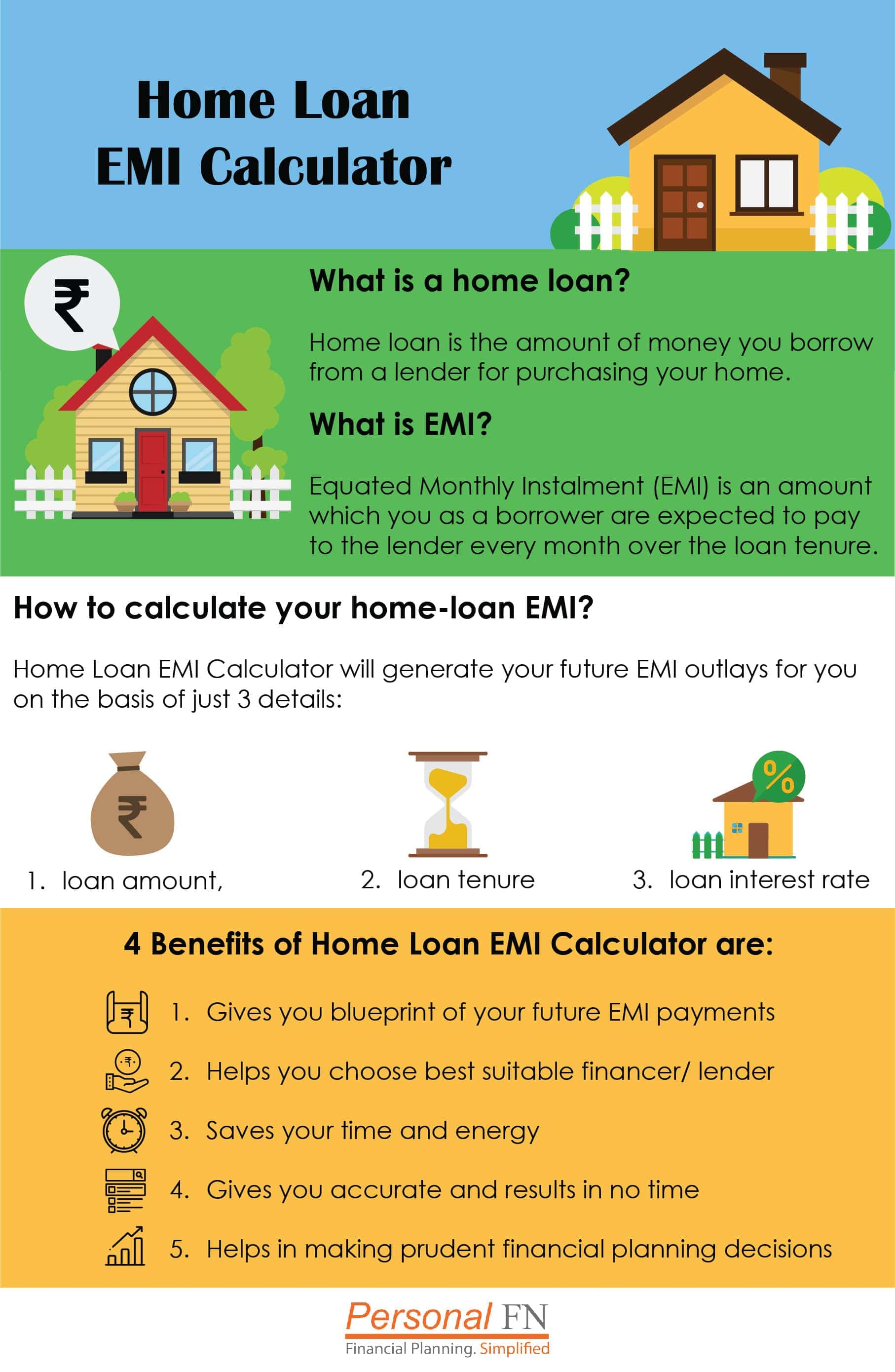
Long-Term Financial Planning
A housing loan is a multi-decade commitment, making long-term financial planning essential for maximizing its benefits and managing risks.
- Loan Amortization: Understanding the amortization schedule reveals how your payments are allocated between principal and interest over time. In the early years, a larger portion of your payment goes towards interest, while later years see more allocated to principal.
- Early Repayment Strategies: Making extra payments towards the principal, paying bi-weekly instead of monthly, or making one extra payment per year can significantly shorten the loan term and save tens of thousands in interest.
- Wealth Building Through Equity: As you pay down your loan and property values potentially appreciate, your equity in the home grows, contributing to your overall net worth. Strategic use of this equity (e.g., through cash-out refinance for investments or home improvements) can be part of broader wealth management.
- Regular Review of Financial Health: Periodically assessing your budget, credit score, and market interest rates can identify opportunities for refinancing or other strategic adjustments to your housing loan.
In conclusion, a housing loan is far more than just a means to purchase a property; it is a complex financial product that intertwines with an individual’s long-term financial health and aspirations. From understanding its fundamental mechanics and navigating the diverse array of loan types to making strategic decisions about affordability, down payments, and future financial planning, a comprehensive grasp of housing loans is indispensable. By approaching this significant financial commitment with diligence, research, and a clear understanding of personal financial capacity, prospective homeowners can unlock the doors to stable homeownership and build a strong foundation for their financial future. Always seek advice from qualified financial professionals to tailor strategies to your unique circumstances.
aViewFromTheCave is a participant in the Amazon Services LLC Associates Program, an affiliate advertising program designed to provide a means for sites to earn advertising fees by advertising and linking to Amazon.com. Amazon, the Amazon logo, AmazonSupply, and the AmazonSupply logo are trademarks of Amazon.com, Inc. or its affiliates. As an Amazon Associate we earn affiliate commissions from qualifying purchases.