
In an increasingly interconnected world, where travel has become both a necessity and a passion for millions, the pursuit of the best deals and the most seamless booking experience is constant. Enter Hopper, a revolutionary mobile-first travel booking platform that has fundamentally reshaped how consumers search for, monitor, and ultimately purchase flights, hotels, rental cars, and even unique travel experiences. More than just another online travel agency (OTA), Hopper leverages sophisticated artificial intelligence and big data analytics to predict price fluctuations with remarkable accuracy, empowering users to book at the optimal moment and secure significant savings. It is an app designed not just to facilitate bookings but to strategize them, turning a potentially complex and costly endeavor into an intelligent, data-driven decision.
At its core, Hopper is a testament to the power of predictive technology in everyday consumer applications. Launched in 2007 and pivoting to a mobile-first strategy in the early 2010s, Hopper’s vision has consistently centered on demystifying the volatile world of travel pricing. It aggregates billions of data points daily – historical pricing trends, real-time market demand, seasonal patterns, and even competitor pricing – to furnish users with highly reliable recommendations on when to book, or when to wait, for specific itineraries. This proactive guidance sets Hopper apart, transforming a passive search into an active, informed waiting game that often pays off handsomely.
Decoding Hopper: A Smart Approach to Travel Booking
Hopper’s architecture is built on a foundation of intelligent design and user-centric functionality, making it an indispensable tool for the modern traveler. Its primary allure lies in its ability to predict future travel prices, but its utility extends far beyond mere forecasting.
The Core Functionality: Predictive AI for Price Drops
The cornerstone of Hopper’s technology is its proprietary price prediction algorithm. This advanced AI analyzes a vast repository of historical pricing data – spanning several years and billions of flight and hotel price quotes – to discern patterns and predict future price movements for specific routes and properties. When a user searches for a flight or hotel, Hopper doesn’t just show current prices; it also provides a recommendation: “Buy now,” “Wait for a price drop,” or “Prices expected to rise soon.” This advice is accompanied by a confidence rating, giving users a clear indication of the likelihood of the prediction proving accurate. The algorithm considers myriad factors, including airline capacity, fuel prices, geopolitical events, demand elasticity, and even browser cookie data, to generate its highly localized and dynamic predictions. The accuracy of these predictions is frequently touted, with Hopper claiming its recommendations save users an average of $60 per flight and $20 per night on hotels, reaching up to 40% on certain bookings. This predictive power transforms travel planning from a guessing game into a strategic investment.
Beyond Flights: Hotels, Cars, and More
While initially gaining prominence for its flight predictions, Hopper has strategically expanded its offerings to become a comprehensive travel booking platform. Users can now leverage the same predictive analytics for hotel bookings, identifying the best times to reserve rooms at specific properties. The platform also integrates rental car services, providing competitive rates and facilitating a seamless booking experience for ground transportation. More recently, Hopper has ventured into additional travel verticals, including vacation homes and various travel packages, continuously expanding its ecosystem to cater to a broader spectrum of traveler needs. This expansion is driven by a unified technological approach, applying similar data-driven insights and user experience principles across all its product lines, solidifying its position as a holistic travel companion.
The “Watch” Feature: Your Personal Travel Assistant
A critical enabler of Hopper’s predictive capabilities is its “Watch” feature. Instead of constantly checking prices manually, users can “watch” specific flights or hotels. Hopper then actively monitors these prices 24/7. When the app detects a favorable price drop or an opportune booking window based on its predictions, it sends a push notification directly to the user’s device. This proactive alerting system acts as a personal travel agent, ensuring users don’t miss out on potential savings even when they’re not actively browsing. This functionality is not merely a convenience; it’s a critical component of Hopper’s value proposition, automating the tedious process of price tracking and enabling users to act swiftly when the algorithm identifies a prime booking opportunity.
How Hopper Revolutionizes Travel Planning
Hopper’s technological framework doesn’t just predict; it actively shapes and enhances the travel planning process, addressing common pain points with innovative digital solutions.
Price Prediction and Recommendation Engine
The sophisticated recommendation engine is the heart of Hopper’s innovation. Unlike traditional OTAs that present current prices and leave the decision to the user, Hopper provides actionable intelligence. Its AI doesn’t just show that a flight is $300; it informs you that this price is “Good,” “Great,” or “Low,” and whether it’s expected to “Rise soon,” “Stay the same,” or “Drop.” This level of granular insight, backed by billions of data points and machine learning models, allows users to make informed decisions with a high degree of confidence. The recommendations are dynamic, updating in real-time as market conditions shift, providing a living, breathing guide to travel economics. This dynamic pricing intelligence is a significant departure from static search results, empowering users with foresight.
Flexibility and Protection Products: Addressing Travel Uncertainty
Recognizing the inherent uncertainties in travel planning – from unexpected cancellations to sudden changes in plans – Hopper has introduced a suite of innovative “flexibility” and “protection” products. These are optional add-ons that significantly enhance the traveler’s peace of mind, all facilitated through the app’s integrated technology:
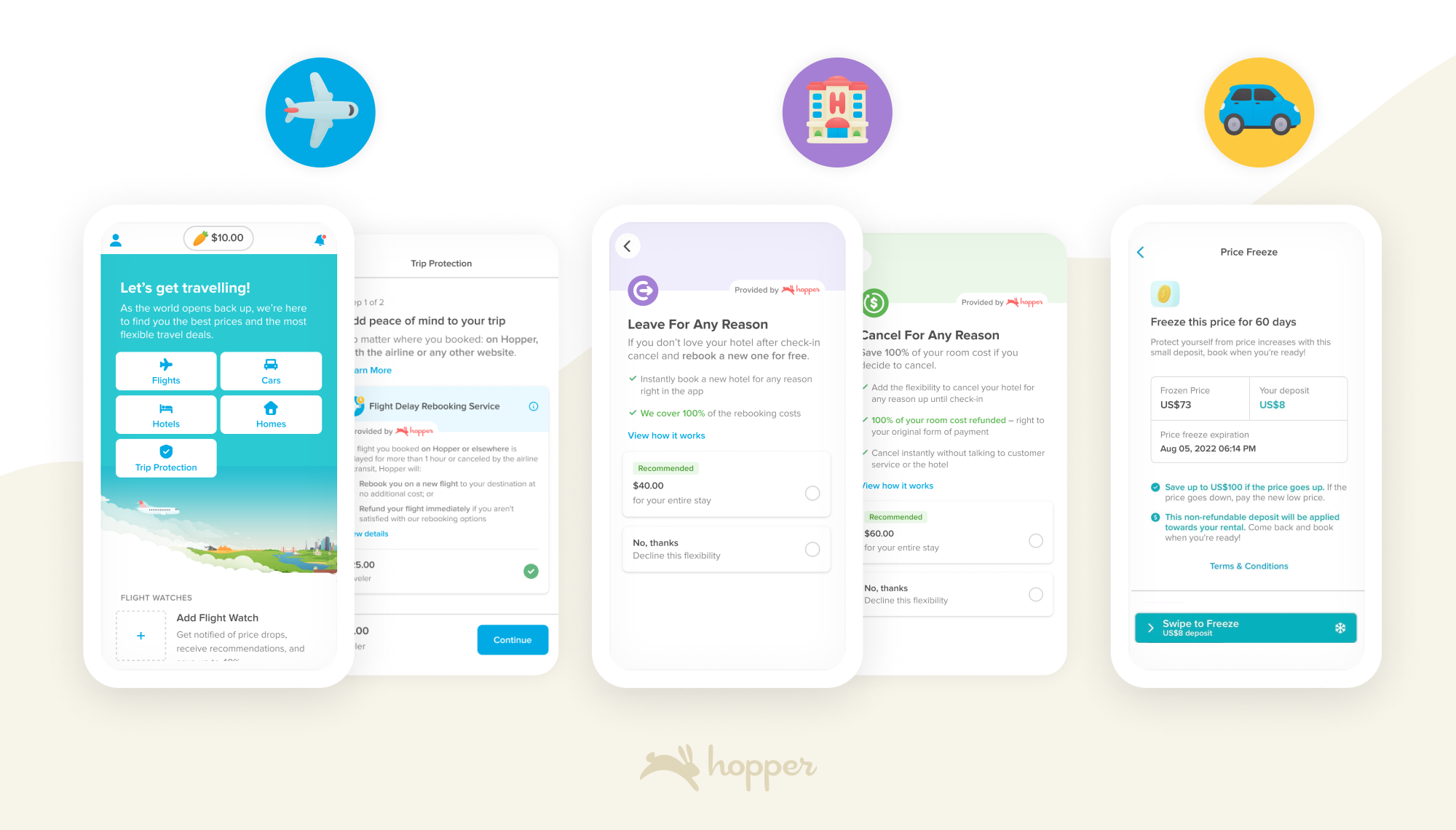
- Cancel for Any Reason: This feature allows users to cancel their flight or hotel booking for any reason up to the time of departure or check-in and receive a significant portion (often 80-100%) of their money back, sometimes as a travel credit. This product addresses a major pain point for travelers, offering unparalleled flexibility in an industry historically known for its rigid cancellation policies.
- Flight/Hotel Price Freeze: For a small fee, users can “freeze” a price for a certain period (e.g., 21 days). If the price increases during that period, Hopper pays the difference up to a specified amount. If the price drops, the user pays the lower price. This innovative offering acts as an insurance policy against price volatility, allowing users to secure a good deal while waiting for final travel plans to solidify.
- Disruption Protection: In the event of flight delays, cancellations, or missed connections, Hopper’s Disruption Protection offers immediate rebooking options (often on a different airline) or a refund, bypassing the often-frustrating traditional airline rebooking processes. This directly leverages Hopper’s technological infrastructure to provide real-time solutions to travel disruptions.
These products are not merely financial instruments but digital services integrated directly into the booking flow, demonstrating Hopper’s commitment to solving real-world travel problems with technology.
Gamification and Engagement: Carrot Cash and Rewards
To foster user loyalty and enhance engagement, Hopper incorporates elements of gamification through its “Carrot Cash” rewards program. Users earn Carrot Cash for various actions, such as making bookings, inviting friends, or participating in special promotions. This virtual currency can then be applied as a discount on future bookings made through the app. This system creates a rewarding loop, incentivizing continued use of the platform. Furthermore, Hopper often presents personalized deals and limited-time offers, accessible only within the app, further enhancing the sense of value and exclusivity for its users. This blend of rewards and exclusive access keeps users engaged and continuously checking the app for new opportunities, transforming the transactional process into an interactive experience.
Getting Started with Hopper: A User’s Guide
The appeal of Hopper is amplified by its intuitive design and user-friendly interface, making sophisticated travel planning accessible to everyone.
Downloading and Initial Setup

Getting started with Hopper is straightforward. The app is available for free download on both iOS (Apple App Store) and Android (Google Play Store) devices. Once installed, users are prompted to create an account, typically using an email address or through social media login (e.g., Google or Apple ID). The initial setup is minimal, allowing users to dive almost immediately into searching for travel deals. The app’s design prioritizes a clean, uncluttered aesthetic, ensuring a smooth onboarding experience for even novice users of travel apps.
Navigating the Interface: Finding Your Next Trip
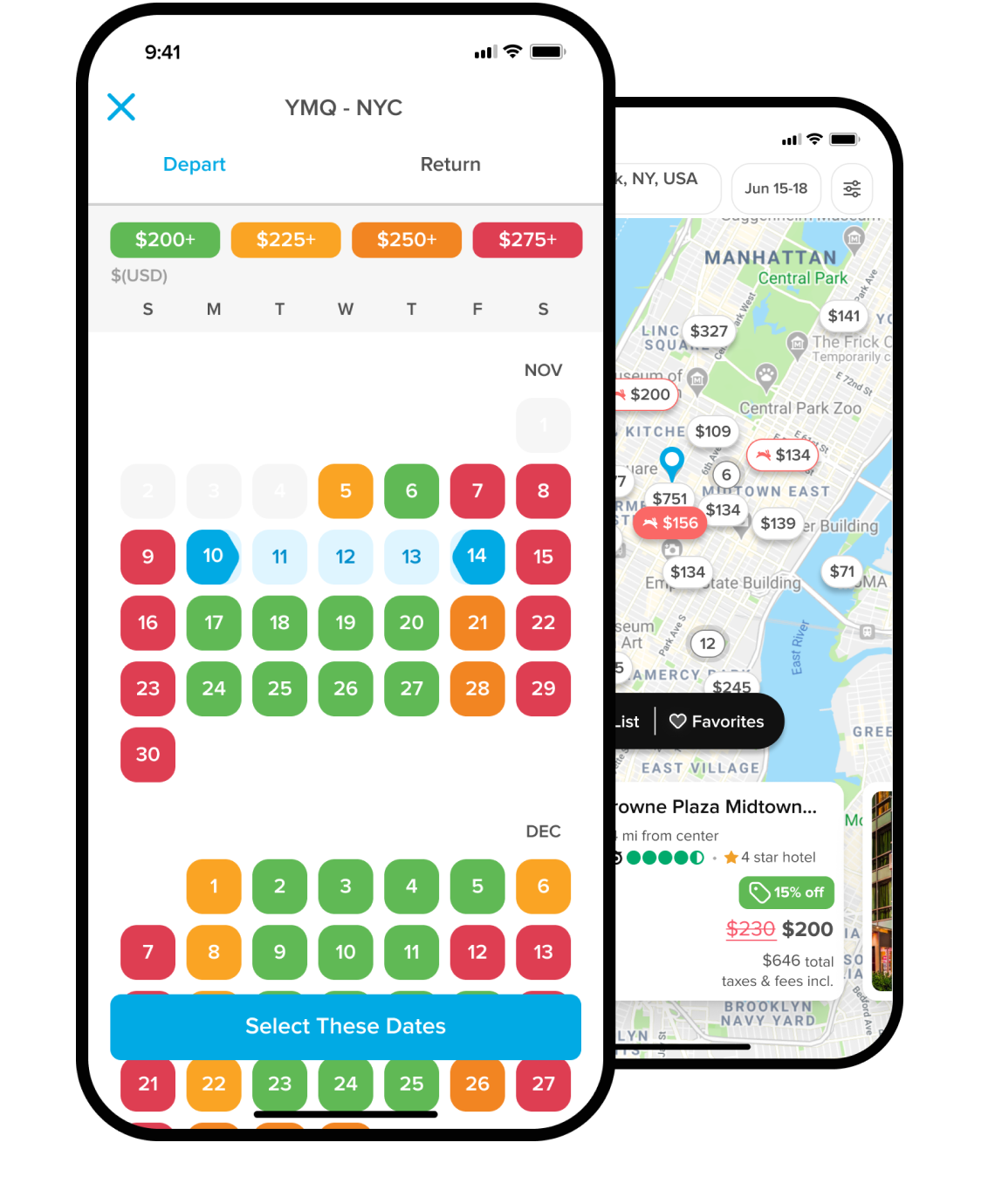
Hopper’s interface is designed for clarity and ease of use. The main screen typically presents options for flights, hotels, cars, and other travel categories. Users input their travel parameters – origin, destination, dates, number of travelers – using intuitive forms. The app then quickly processes this information, leveraging its powerful backend, to display results. For flights, it often presents a color-coded calendar view, instantly highlighting which dates are cheaper to fly. For hotels, it shows properties on a map alongside their predicted price trends. Filters are readily available for refining searches by price, airline, hotel rating, amenities, and more. The visual design, characterized by vibrant colors and clear iconography, contributes significantly to a positive user experience, making complex data digestible and actionable.
Booking and Post-Booking Management
Once a user identifies a suitable deal, the booking process within Hopper is streamlined. Tapping on a chosen flight or hotel brings up detailed information, including pricing breakdown, layover details, amenity lists, and user reviews. Users can then proceed to payment, with Hopper supporting various methods, including credit cards and digital wallets. The app securely handles payment processing and sends immediate confirmations. Post-booking, Hopper continues to provide value through its “Trips” section, where users can view their itineraries, access booking details, and manage any add-on protections purchased. It also provides real-time updates on flight status, gate changes, and other critical travel information, effectively acting as a digital travel concierge from booking to destination and back.
The Technology Behind the Savings: Data Science at Work
Hopper’s remarkable ability to predict prices and offer innovative flexibility products is not magic; it is the direct result of advanced data science, machine learning, and robust engineering.
Leveraging Big Data for Predictive Analytics
At the heart of Hopper’s operations is an immense, constantly growing database of travel pricing information. Hopper continuously scrapes and collects billions of flight and hotel prices every day from Global Distribution Systems (GDSs), airline websites, hotel APIs, and other online sources. This massive influx of raw data forms the bedrock for its predictive models. The challenge lies not just in collecting this data but in cleaning, structuring, and enriching it. Hopper’s data engineers and scientists develop sophisticated pipelines to process this unstructured, high-volume, and high-velocity data, transforming it into a usable format for analysis. This big data infrastructure is critical for identifying subtle patterns and correlations that human analysts could never discern.
Machine Learning Models for Dynamic Pricing
The processed data then feeds into Hopper’s proprietary machine learning (ML) models. These models are trained on historical pricing trends, booking curves, demand signals, seasonality, public events, and even macroeconomic indicators. For example, a model might learn that flights to a certain destination tend to spike on Tuesdays after 2 PM, or that hotel prices near a major convention center increase three months before a specific event. The ML algorithms continually learn and adapt, improving their accuracy over time as more data becomes available and as market dynamics evolve. Techniques such as time-series analysis, regression models, and neural networks are likely employed to generate the granular, real-time price predictions and recommendations that users see. The ability of these models to provide a forward-looking perspective on pricing is what truly differentiates Hopper from traditional search engines.
User Experience (UX) and Interface Design Principles
While the backend data science is complex, the frontend user experience is meticulously designed for simplicity and clarity. Hopper adheres to strong UX principles:
- Mobile-First Design: The app is optimized for smartphone use, with large touch targets, clear navigation, and an interface that scales well on smaller screens.
- Visual Cues: Color-coding for price forecasts (green for buy, red for wait), intuitive icons, and engaging animations help users quickly grasp complex information.
- Personalization: The app learns from user search history and preferences to offer more relevant suggestions and notifications over time.
- Transparency: Hopper is transparent about its predictions, often showing the expected price trajectory on a graph, building trust with the user.
- Accessibility: Efforts are made to ensure the app is usable by a broad audience, with clear fonts and high-contrast designs.
This blend of powerful backend technology and thoughtful frontend design is crucial for translating complex data into an empowering and enjoyable user journey.
The Future of Travel Tech: Where Hopper is Heading
Hopper is not resting on its laurels; the company continues to innovate and expand, signaling where the future of travel technology might be headed.
Expanding Travel Offerings and Partnerships
The continuous expansion beyond flights and hotels into rental cars, vacation homes, and even unique travel experiences (e.g., tours and activities) indicates a move towards becoming a comprehensive travel super-app. Future developments will likely involve even deeper integrations with local service providers and a broader portfolio of niche travel products. Hopper is also actively pursuing partnerships with airlines and other travel industry players, leveraging its technology to power their own offerings, further embedding its influence within the travel ecosystem. This strategy aims to capture a larger share of the overall travel spend by offering a one-stop-shop for every aspect of a trip.
Enhanced Personalization and AI Integration
Expect Hopper’s AI to become even more sophisticated, offering hyper-personalized recommendations based on individual user behavior, past bookings, stated preferences, and even external factors like loyalty program memberships. The integration of advanced conversational AI (chatbots) could also emerge, providing more interactive and intuitive assistance throughout the travel planning and execution phases. Imagine an AI assistant that not only tells you when to book but also suggests destinations based on your budget, preferred activities, and even current weather patterns at potential destinations. This level of personalized, proactive assistance powered by AI is the next frontier.
Sustainability and Responsible Travel Initiatives
As environmental concerns become more pressing, travel tech companies like Hopper are increasingly focusing on sustainability. Future iterations might include features that highlight carbon emissions for different flight options, suggest more eco-friendly transportation alternatives, or partner with hotels that prioritize sustainable practices. Integrating options to offset carbon footprints directly within the booking process could also become standard, empowering users to make more environmentally conscious travel choices. Hopper, with its data-driven approach, is well-positioned to provide actionable insights into the environmental impact of travel, helping to guide users towards more responsible tourism.
Empowering the Modern Traveler
Hopper represents a significant leap forward in travel technology, moving beyond simple search and booking to offer predictive intelligence, unparalleled flexibility, and a deeply personalized experience. By harnessing the power of artificial intelligence, big data analytics, and thoughtful user interface design, it has demystified the often-volatile world of travel pricing. It empowers travelers to make smarter, more cost-effective decisions, turning the daunting task of trip planning into an engaging, data-driven strategy. As the app continues to evolve, expanding its offerings and refining its predictive capabilities, Hopper is not just facilitating travel; it is actively shaping the future of how we explore the world, making it more accessible, more efficient, and more enjoyable for everyone.
aViewFromTheCave is a participant in the Amazon Services LLC Associates Program, an affiliate advertising program designed to provide a means for sites to earn advertising fees by advertising and linking to Amazon.com. Amazon, the Amazon logo, AmazonSupply, and the AmazonSupply logo are trademarks of Amazon.com, Inc. or its affiliates. As an Amazon Associate we earn affiliate commissions from qualifying purchases.