
The world of tile design and finishing is constantly evolving, offering homeowners and designers a plethora of options to enhance spaces with aesthetic appeal and durability. Among these, honed tile has emerged as a sophisticated and increasingly popular choice. Unlike highly polished or deeply textured surfaces, honed tile offers a distinct middle ground, characterized by a smooth, matte-like finish that possesses a subtle sheen. This unique aesthetic, combined with practical advantages, positions honed tile as a versatile material suitable for a wide range of applications, from residential kitchens and bathrooms to high-traffic commercial environments. Understanding the nuances of honed tile – its creation, its characteristics, and its place within the broader tile market – is key to appreciating its growing appeal and making informed design decisions.
The Process of Honing: From Raw Stone to Refined Surface
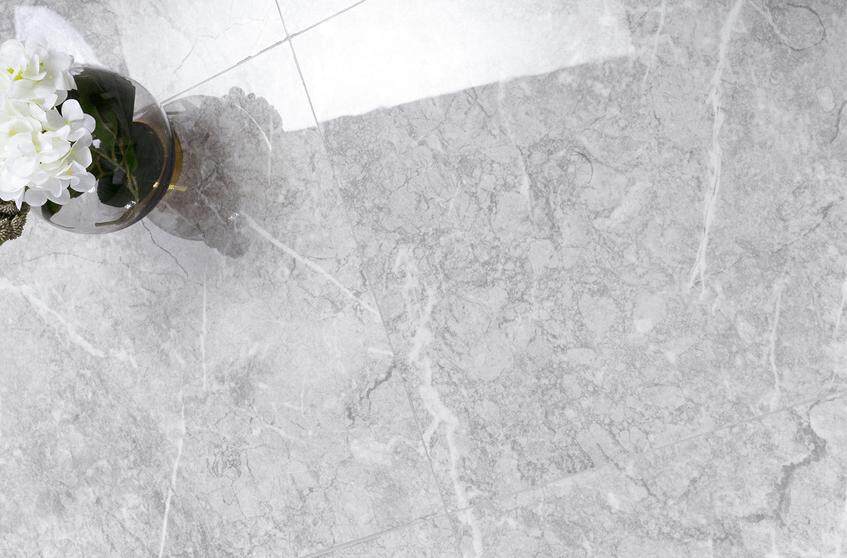
Honing is a multi-stage process that transforms raw, quarried stone or manufactured tile into a finished product with a specific surface quality. It’s a method that relies on abrasion to achieve its distinctive look, differentiating it from polishing, which aims for a reflective sheen, and other texturing techniques.
Abrasion and Grit Progression
The core of the honing process involves using progressively finer abrasive materials, typically diamond-impregnated pads or abrasive stones, to wear away the uppermost layer of the tile’s surface. This process begins with coarser grits to remove imperfections, saw marks, and any existing high-gloss finish. As the honing progresses, progressively finer grits are introduced. Each subsequent grit size smooths the surface further, gradually reducing the scratch pattern left by the previous stage. The aim is not to create a mirror-like reflection, but rather to achieve a consistently smooth, low-lustre appearance. The selection of grit progression is critical; too few stages or insufficiently fine grits will result in a surface that is still too rough, while over-honing can begin to approach a polished finish. The number of stages and the specific grit sizes used are often proprietary to the manufacturer and contribute to the unique feel and appearance of the final honed tile.
The Resulting Surface: Matte Sheen and Soft Feel
The outcome of this meticulous abrasion is a surface that is noticeably smoother than a natural cleft or a rough-sawn finish, yet lacks the high reflectivity of a polished tile. Instead, honed tile exhibits a soft, satin-like sheen. This subtle sheen catches light gently, creating a sophisticated and understated elegance. The surface feels smooth to the touch, devoid of the sharp, almost slippery texture that can be characteristic of highly polished stones. This tactile quality contributes significantly to the perceived luxury and comfort of honed surfaces. The matte appearance also has the practical benefit of being less prone to showing fingerprints, water spots, or minor scuffs compared to polished finishes. This makes it an ideal choice for areas where maintenance and a consistently neat appearance are desired.
The Aesthetic Appeal of Honed Tile: Sophistication and Versatility
The visual appeal of honed tile lies in its ability to offer a refined, contemporary look that can complement a wide array of interior design styles. Its subtle sheen and smooth texture provide a sophisticated backdrop without being overly dominant, allowing other design elements to shine.
Understated Elegance and Natural Beauty
Honed finishes excel at showcasing the inherent beauty of natural stone, such as marble, granite, travertine, and slate, as well as the nuanced colours and textures of porcelain and ceramic tiles. The honing process removes the aggressive reflectivity of polished surfaces, allowing the natural veining, mineral inclusions, and subtle colour variations within the stone to become more prominent and appreciated. This creates an understated elegance that feels timeless and organic. The soft sheen adds a touch of luxury without the harsh glare, contributing to a more tranquil and inviting atmosphere. This makes honed tile a favoured choice for those who appreciate the natural character of materials and prefer a sophisticated, less ostentatious aesthetic.
Complementing Diverse Design Styles
The versatility of honed tile makes it a valuable asset in various design schemes. In contemporary and minimalist interiors, its smooth, matte surface provides a clean, uncluttered look that enhances the architectural lines and furniture. For more traditional or rustic settings, honed stone tiles can offer a softened, aged appearance, evoking a sense of natural history and refined comfort. In transitional designs, honed finishes bridge the gap between classic and modern, offering a sophisticated yet accessible feel. Its ability to absorb light rather than sharply reflect it also helps to create a sense of spaciousness and depth in smaller rooms, making it a practical choice for kitchens, bathrooms, and living areas where a sense of openness is desired.
Practical Advantages of Honed Tile: Durability and Maintenance
Beyond its aesthetic merits, honed tile offers several practical advantages that contribute to its popularity, particularly in high-use areas. The characteristics of its finish translate into enhanced durability and simplified maintenance routines.
Reduced Slip Resistance and Enhanced Safety
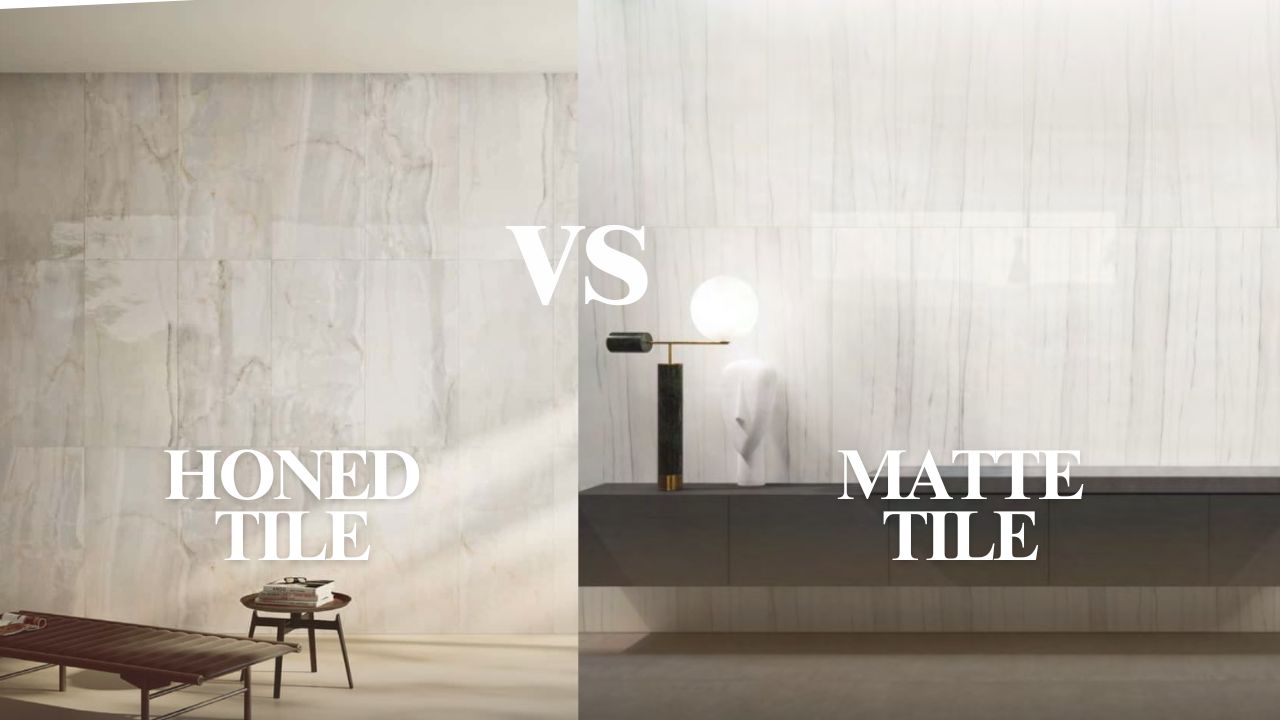
One of the significant practical benefits of honed tile, especially in comparison to its polished counterpart, is its improved slip resistance. While not inherently a non-slip tile in the strictest sense, the matte surface provides more friction than a highly polished, glossy surface. This makes honed tile a safer choice for areas prone to moisture, such as bathrooms, kitchens, entryways, and outdoor patios. The reduced slipperiness offers peace of mind for families with children or elderly individuals, and in commercial settings where safety is paramount. This subtle increase in traction, without sacrificing visual appeal, is a key reason for its adoption in many residential and commercial projects.
Ease of Maintenance and Stain Resistance
Honed tile is generally easier to maintain and less susceptible to showing everyday wear and tear compared to polished tiles. The matte finish is less prone to revealing fingerprints, water spots, and minor scratches that can be highly visible on a polished surface. This means that a honed tile floor or backsplash will often look cleaner for longer, requiring less frequent intensive cleaning. While all natural stone and tile products require proper sealing and care, the honing process itself can sometimes fill minor porosity, making the surface less receptive to staining. Regular sweeping and occasional damp mopping with a pH-neutral cleaner are typically sufficient to keep honed tiles looking their best. This low-maintenance aspect appeals greatly to homeowners seeking both beauty and practicality in their design choices.
Honed Tile vs. Other Finishes: Making the Right Choice
Understanding the differences between honed tile and other common finishes is crucial for selecting the most suitable material for a given application. Each finish offers a unique balance of aesthetics, performance, and maintenance requirements.
Polished Tile: The Mirror Finish
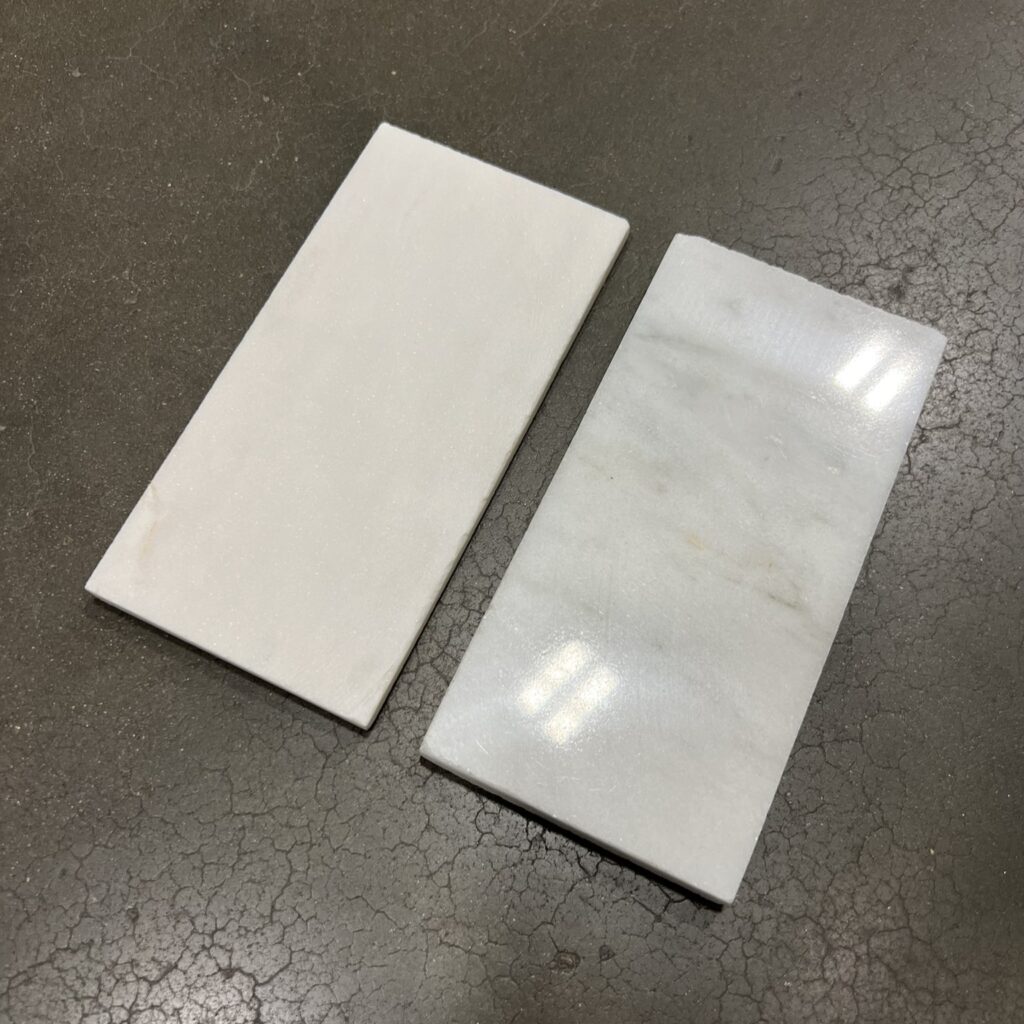
Polished tile is characterized by its high-gloss, mirror-like surface. This finish is achieved through an extensive abrasion process using very fine grits, followed by buffing to create a highly reflective surface.
- Aesthetics: Polished tile offers a luxurious, glamorous look, making spaces feel more opulent and expansive due to its light-reflecting qualities. It can enhance the vibrancy and depth of colour in the material.
- Performance: It is generally less slip-resistant than honed tile, making it potentially more hazardous in wet areas. It can also be more prone to showing fingerprints, water spots, and scratches, which are highly visible against its reflective surface.
- Maintenance: Requires regular cleaning to maintain its shine and can be more challenging to keep looking pristine due to the visibility of smudges and imperfections.
Tumbled Tile: The Aged, Antiqued Look
Tumbled tile undergoes a process where it is literally tumbled in a barrel with other materials like sand, rubber, or even smaller pieces of stone. This process chips and rounds the edges and softens the surface, giving it an aged, antiqued appearance.
- Aesthetics: Tumbled tile has a distinctive rustic, charming, and timeworn look. The edges are softened and irregular, and the surface often has a slightly textured, matte feel.
- Performance: The texture and irregular edges can provide good slip resistance. However, the porous nature of the tumbled surface can make it more susceptible to staining if not properly sealed.
- Maintenance: Requires thorough sealing and regular cleaning. Due to its textured surface, dirt can sometimes get lodged in the crevices, requiring more effort to clean than a smooth honed surface.
Natural Cleft/Unpolished Tile: The Raw and Textured Finish
Natural cleft tile, often seen in slate, retains the natural fissure or “rift” as it was split from the quarry. It has a highly textured, uneven surface that showcases the raw, unadulterated character of the stone.
- Aesthetics: Offers a very natural, organic, and rustic aesthetic. The texture is prominent, and the colours can appear more muted and earthy.
- Performance: Typically provides excellent slip resistance due to its inherent texture. However, the uneven surface can make it less comfortable underfoot for some and can be more challenging to clean if debris gets trapped.
- Maintenance: Requires robust sealing due to its natural porosity. Cleaning can be more involved due to the uneven surface.
When choosing between these finishes, consider the desired aesthetic, the intended location and its traffic levels, the presence of moisture, and the desired level of maintenance. Honed tile strikes a compelling balance, offering a sophisticated appearance with practical benefits that make it a leading choice for many modern design projects.
aViewFromTheCave is a participant in the Amazon Services LLC Associates Program, an affiliate advertising program designed to provide a means for sites to earn advertising fees by advertising and linking to Amazon.com. Amazon, the Amazon logo, AmazonSupply, and the AmazonSupply logo are trademarks of Amazon.com, Inc. or its affiliates. As an Amazon Associate we earn affiliate commissions from qualifying purchases.