
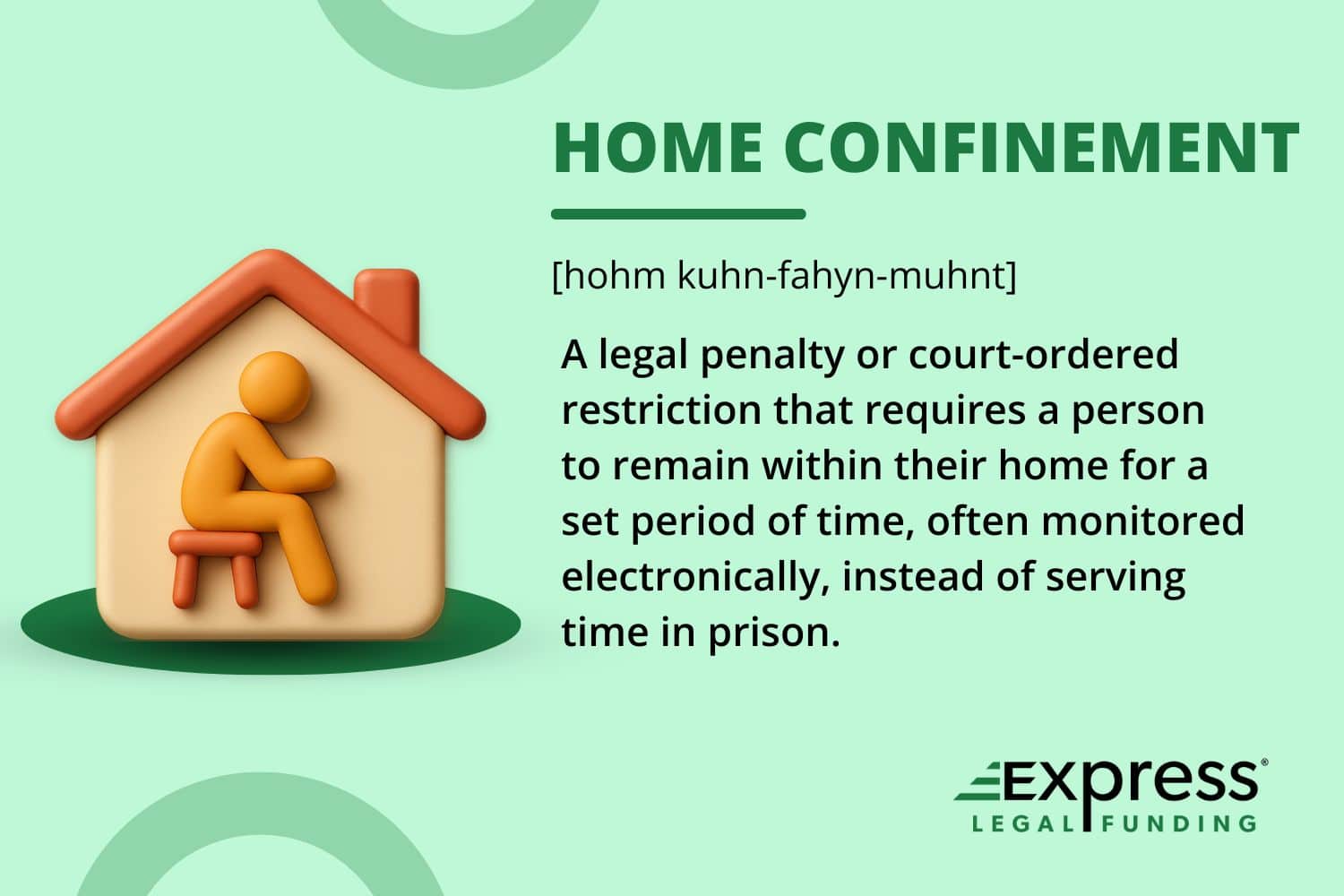
In the landscape of modern justice systems, home incarceration and home detention have emerged as significant alternatives to traditional imprisonment, driven largely by compelling financial and economic rationales. While often used interchangeably, these terms generally refer to court-ordered conditions that restrict an individual’s movement to their residence, typically enforced through electronic monitoring. From a financial perspective, understanding these alternatives means delving into the costs they impose on individuals, the savings they offer to the state, and the broader economic implications for communities and the workforce.
Understanding the Financial Mechanics of Home-Based Sanctions
The pivot towards home incarceration and home detention is not merely a matter of correctional philosophy but is deeply rooted in the economics of justice. These programs are designed to mitigate the prohibitive costs associated with traditional imprisonment while theoretically preserving an individual’s capacity for economic contribution.

Defining Home Incarceration and Home Detention in a Financial Context
At its core, home incarceration, often more restrictive, and home detention, typically less so, are sentencing alternatives that allow individuals to serve their time outside of a penal institution. From a financial viewpoint, the primary distinction is who bears the cost and how economic activity is managed. In traditional incarceration, the state shoulders nearly all costs—housing, food, medical care, security, and staffing—which can amount to tens of thousands of dollars per inmate annually. Home-based sanctions, however, often shift a significant portion of these expenses to the individual or are substantially cheaper for the state. This transfer of financial responsibility is a key characteristic, fundamentally altering the economic model of punishment.
The Economic Rationale for Alternative Sentencing
The rationale for implementing home incarceration and home detention programs is overwhelmingly economic. Jurisdictions globally grapple with overcrowded correctional facilities and ballooning budgets. By diverting non-violent or lower-risk offenders to home-based supervision, governments can achieve substantial cost savings.
These programs alleviate the financial strain on state and local coffers by:
- Reducing Operational Costs: Less need for new prison construction, fewer guards, and reduced daily operational expenses like food, utilities, and medical services for inmates.
- Managing Overcrowding: Overcrowding not only poses security risks but also drives up costs through the need for temporary housing solutions or increased staff-to-inmate ratios. Home-based sanctions offer a relief valve.
- Preserving the Tax Base: When individuals are incarcerated, they cease to be productive members of the economy, often losing their jobs and becoming dependent on state resources. Home detention, by allowing individuals to maintain employment, enables them to continue earning income, paying taxes, and supporting their families, thus mitigating a broader economic drain. This sustained economic activity is a critical advantage over traditional incarceration.
Direct Costs and Financial Burdens on Individuals
While home-based sanctions offer systemic savings, they often impose direct and sometimes significant financial burdens on the individuals subject to them. These costs become critical considerations for personal finance management during a period of restricted liberty.
Monitoring Fees and Administrative Charges
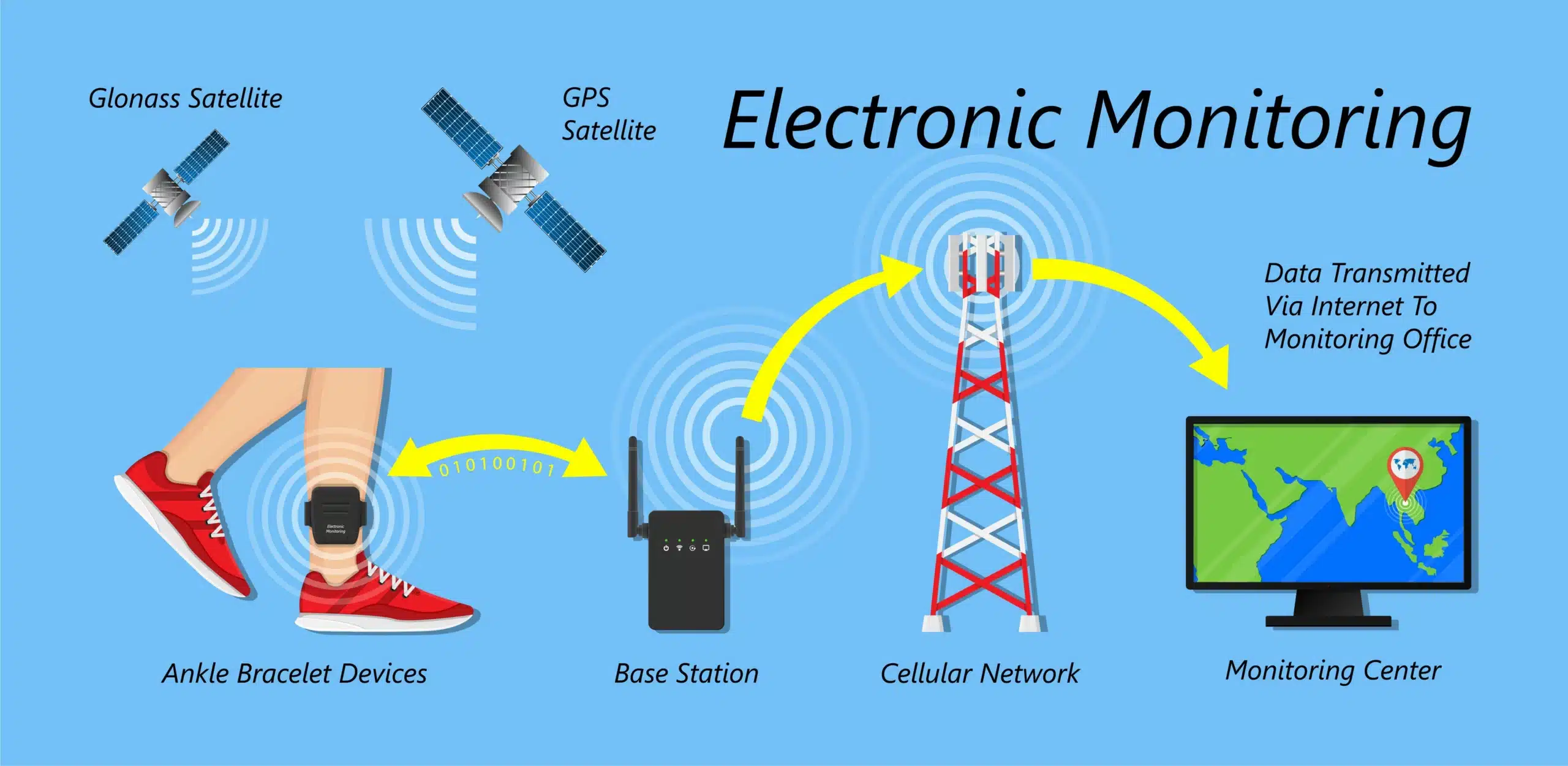
One of the most immediate and often overlooked financial responsibilities for individuals on home incarceration or detention is the payment of monitoring fees. Electronic monitoring, usually through a GPS ankle bracelet, comes with associated costs for the equipment, installation, and ongoing service. These fees can range from a few dollars a day to several hundred dollars per month, depending on the jurisdiction and the monitoring service provider. For individuals already facing economic hardship, these charges can be substantial, adding another layer of financial stress. Non-payment can sometimes lead to revocation of the privilege and a return to traditional incarceration, underscoring the direct link between financial capacity and the terms of one’s sentence. Beyond monitoring, there may also be administrative fees for program enrollment, drug testing, and probation or parole supervision, further compounding the financial obligation.
Maintaining Employment and Income Stability
A distinct financial advantage of home-based sanctions over traditional incarceration is the opportunity for individuals to maintain their employment or seek new work within the approved parameters of their program. This ability to earn an income is crucial for personal financial stability, allowing individuals to:
- Meet Financial Obligations: Pay monitoring fees, restitution, fines, and child support, which are often conditions of their release.
- Support Dependents: Continue providing for their families, preventing their households from falling into poverty and reliance on public assistance.
- Avoid Long-Term Economic Ruin: Prevent job loss, maintain professional skills, and avoid the significant earnings gap that often follows traditional incarceration, which can have lifelong financial consequences.
However, employment is not without its challenges. Work schedules must typically be approved by a probation officer, and travel is restricted to specific routes between home and work. This rigidity can limit job options, especially for those in roles requiring flexibility or extensive travel, potentially forcing individuals into lower-paying or less stable positions.
The Cost of Compliance: Housing, Utilities, and Restrictions
Compliance with home-based sanctions necessitates a stable and approved living environment, which carries its own set of financial implications. Individuals must have a permanent residence, meaning they cannot be homeless or transient. This might compel some to incur housing costs they might otherwise avoid, or maintain a residence that becomes a financial strain. Utility bills (electricity for charging monitoring devices, internet for reporting) also become ongoing expenses. Furthermore, program restrictions, such as curfews, limitations on social activities, or prohibitions on alcohol/drug use, can indirectly affect finances. For example, an inability to socialize freely might limit opportunities for networking that could lead to better employment, or reliance on specific approved transport methods might incur higher travel costs. The need to maintain a strict routine and a clean record to avoid violations requires careful financial planning and discipline to ensure all program-related expenses are met without compromising basic living costs.
Systemic Financial Benefits and Challenges
Beyond the individual, home incarceration and home detention carry profound financial implications for the broader correctional system and the economy at large. They present a complex balance of cost savings, revenue generation, and long-term societal investment.
Cost Savings for the Correctional System
The most frequently cited benefit of home-based sanctions from a systemic financial perspective is the dramatic reduction in correctional expenditures. Housing an individual in a state prison can cost upwards of $30,000 to $50,000 per year, and often more in high-cost states or federal facilities. This encompasses everything from food and medical care to security, facility maintenance, and administrative overhead. In contrast, the cost of supervising an individual on home detention or incarceration typically ranges from a few hundred to a few thousand dollars annually, often with the individual defraying a portion through monitoring fees. This substantial difference allows correctional budgets to be reallocated, potentially to rehabilitative programs, crime prevention initiatives, or other public services, rather than being solely consumed by the direct costs of incarceration. These savings are a compelling argument for expansion of such programs, especially in times of fiscal austerity.
Recidivism and Long-Term Economic Impact
The financial gains from home-based sanctions extend beyond immediate budget reductions to include the potential for reduced recidivism and positive long-term economic impacts. When individuals maintain employment, housing, and family ties while serving their sentences, they are statistically more likely to successfully reintegrate into society upon completion of their terms. Reduced recidivism translates directly into fewer future arrests, trials, incarcerations, and probation/parole services—all of which represent significant financial outlays for the justice system and taxpayers. Furthermore, individuals who avoid re-incarceration are more likely to remain employed, continue contributing to the tax base, and participate in the economy as consumers and producers. This creates a virtuous cycle where economic stability fosters social stability, which in turn reduces the financial burden on the state and strengthens local economies. Investing in programs that lower recidivism can yield substantial returns in both human and financial capital.
Funding Models and Private Sector Involvement
The funding models for home incarceration and home detention programs are diverse and often involve a mix of public and private sector participation. Some programs are entirely state-funded, absorbing the costs as part of their correctional budget and potentially recouping some expenses through defendant fees. More commonly, however, private companies play a significant role. These companies often provide the electronic monitoring technology, installation, and ongoing surveillance services under contract with governmental agencies. This creates a “business finance” dynamic where private entities compete for lucrative government contracts, offering services that are often more technologically advanced and potentially more cost-effective than what a government agency could provide in-house. While this private involvement can drive efficiency and innovation, it also raises questions about financial incentives, oversight, and the potential for a “user-pays” model that disproportionately burdens low-income offenders. Understanding these funding mechanisms is crucial for evaluating the overall financial equity and effectiveness of home-based sanctions.
Personal Finance Strategies During Home Confinement
For individuals facing home incarceration or detention, proactive personal finance management is not just advisable, it’s often critical for successful completion of the program and long-term financial health. Navigating this period effectively requires careful planning, budgeting, and an understanding of available resources.
Budgeting and Expense Management
The first and most crucial step for anyone undergoing home confinement is to establish a stringent budget. This budget must account for all regular living expenses—rent/mortgage, utilities, groceries—alongside the specific costs associated with the program, such as monitoring fees, drug testing fees, and any court-ordered fines or restitution payments. Income may be irregular or reduced due to restrictions on work hours or job opportunities, making precise expense tracking essential.
- Prioritize Mandatory Payments: Monitoring fees, restitution, and fines should be treated as non-negotiable fixed expenses to avoid program violations.
- Track Variable Costs: Carefully manage discretionary spending, focusing on necessities.
- Build a Small Emergency Fund: Even a modest emergency fund can provide a buffer against unexpected expenses or temporary income disruptions, preventing a cascade of financial difficulties that could jeopardize program compliance. Financial planning tools, even simple spreadsheets, can be invaluable here.
Navigating Employment and Income Restrictions
Maintaining and maximizing income within the strictures of home confinement requires strategic planning and proactive communication.
- Open Communication with Employers: Immediately inform employers about the situation and the program’s requirements, seeking approval for work schedules and outlining any travel restrictions.
- Explore Approved Remote Work or Side Hustles: If traditional employment is challenging, investigate opportunities for remote work or approved side hustles that can be performed from home. This could include online freelance work, data entry, or other tasks that align with program rules.
- Understand Income Limits: Be aware of any program rules related to income sources or amounts, which might impact eligibility for certain assistance programs or court-ordered payments.
The goal is to preserve income streams as much as possible, not just to meet immediate needs but also to ensure financial stability for the future.
Planning for Post-Confinement Financial Stability
Successful completion of home incarceration or detention is a significant milestone, but it also marks the beginning of a new phase requiring continued financial diligence. Planning for post-confinement financial stability should begin well before the program ends.
- Save for a Transition Period: If employment was disrupted, saving money during the latter part of confinement can provide a financial cushion during the search for new employment.
- Manage Debt: Develop a plan to address any debts incurred during the period of confinement, prioritizing high-interest debts.
- Rebuild Credit: If financial challenges led to missed payments, focus on consistent, on-time payments for all obligations to start rebuilding credit scores, which are vital for future housing, employment, and financial products.
- Seek Financial Counseling: Consider consulting with a financial advisor or a credit counseling service to develop a robust long-term financial plan, manage debt, and set achievable financial goals for a fresh start. This proactive approach ensures that the legal release also translates into a path towards sustained financial independence.