
In the traditional sense, home health care nursing was once defined by a clinician traveling with a medical bag to provide localized care. However, in the modern digital era, the question of “what is home health care nursing” has shifted from a purely manual discipline to a sophisticated, tech-enabled ecosystem. Today, home health care nursing represents the frontline of decentralized medicine, powered by advanced software, Internet of Things (IoT) devices, and data-driven diagnostic tools. This evolution has transformed the home into a high-tech clinical environment, allowing for complex care delivery that was previously reserved for hospital wards.
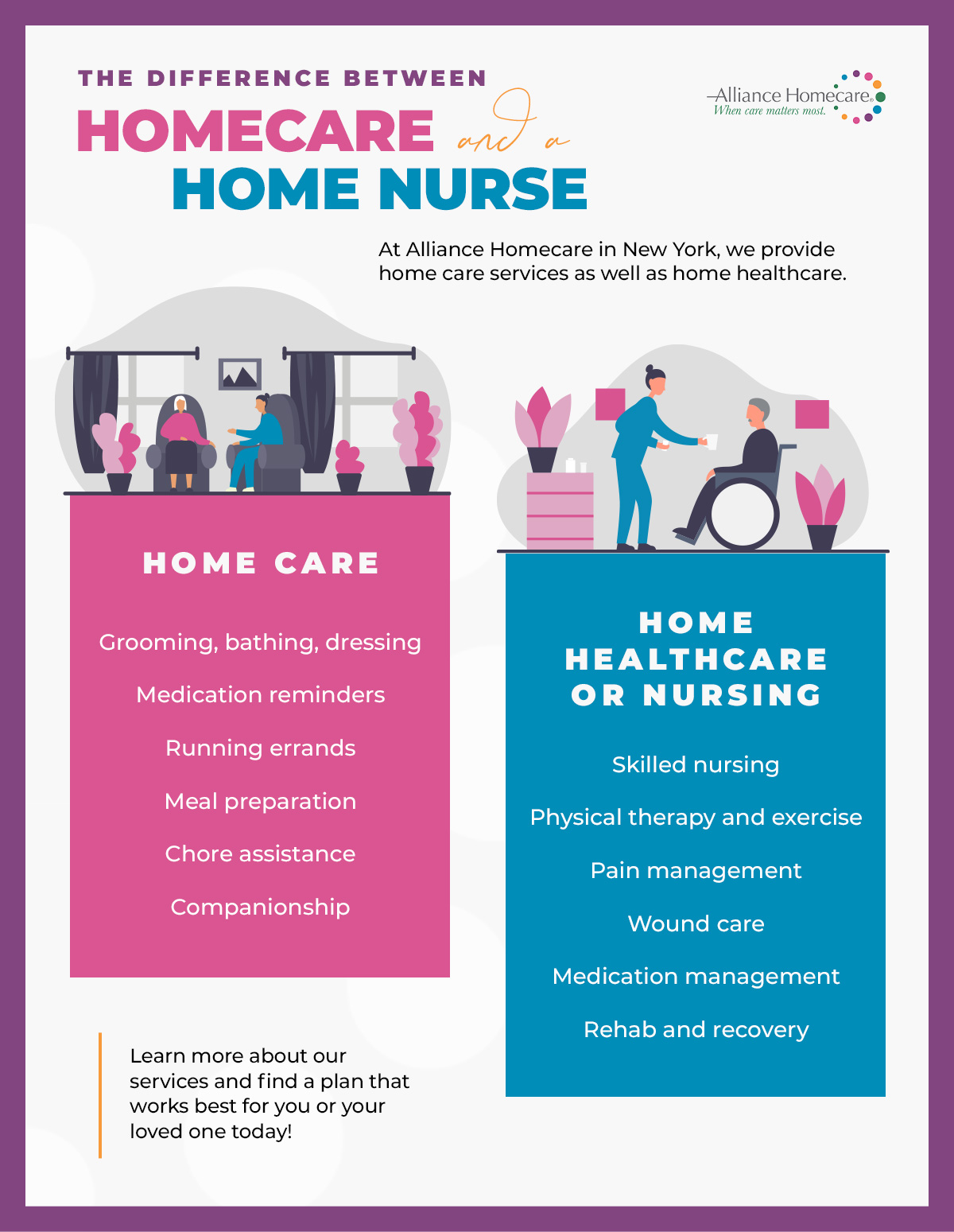
The Digital Infrastructure: Specialized Software and Cloud Integration
At the heart of modern home health care nursing is a robust digital infrastructure. Gone are the days of paper charts and manual documentation. The “what” of home nursing now includes the mastery of complex Software-as-a-Service (SaaS) platforms designed to bridge the gap between the field and the central office.
Electronic Health Records (EHR) and Interoperability
The primary tool for the modern home health nurse is a mobile-optimized Electronic Health Record (EHR) system. Unlike stationary hospital EHRs, home health software—such as Homecare Homebase or KanTime—is built for the “disconnected” environment. These platforms utilize advanced synchronization technology, allowing nurses to document care in real-time even without a stable internet connection. When the device reconnects, the data is encrypted and synced to a centralized cloud. This interoperability ensures that primary care physicians, specialists, and family members have immediate access to patient progress, creating a seamless data loop that reduces errors and improves clinical outcomes.
Intelligent Scheduling and Logistics Algorithms
Home health care is as much a logistical challenge as it is a medical one. Advanced scheduling software now uses machine learning and GPS data to optimize nursing routes. These algorithms factor in traffic patterns, nurse competencies, and patient acuity levels to ensure that the right clinician arrives at the right home at the optimal time. For the nursing agency, this technology reduces “windshield time” (travel time), lowers fuel costs, and increases the number of patients that can be served efficiently.
The Rise of Remote Patient Monitoring (RPM) and IoT
To truly understand what home health care nursing has become, one must look at the explosion of Remote Patient Monitoring (RPM). Technology has enabled a shift from episodic care—where a nurse checks a patient’s vitals once or twice a week—to continuous, data-driven oversight.
Wearable Biosensors and Real-Time Data Streams
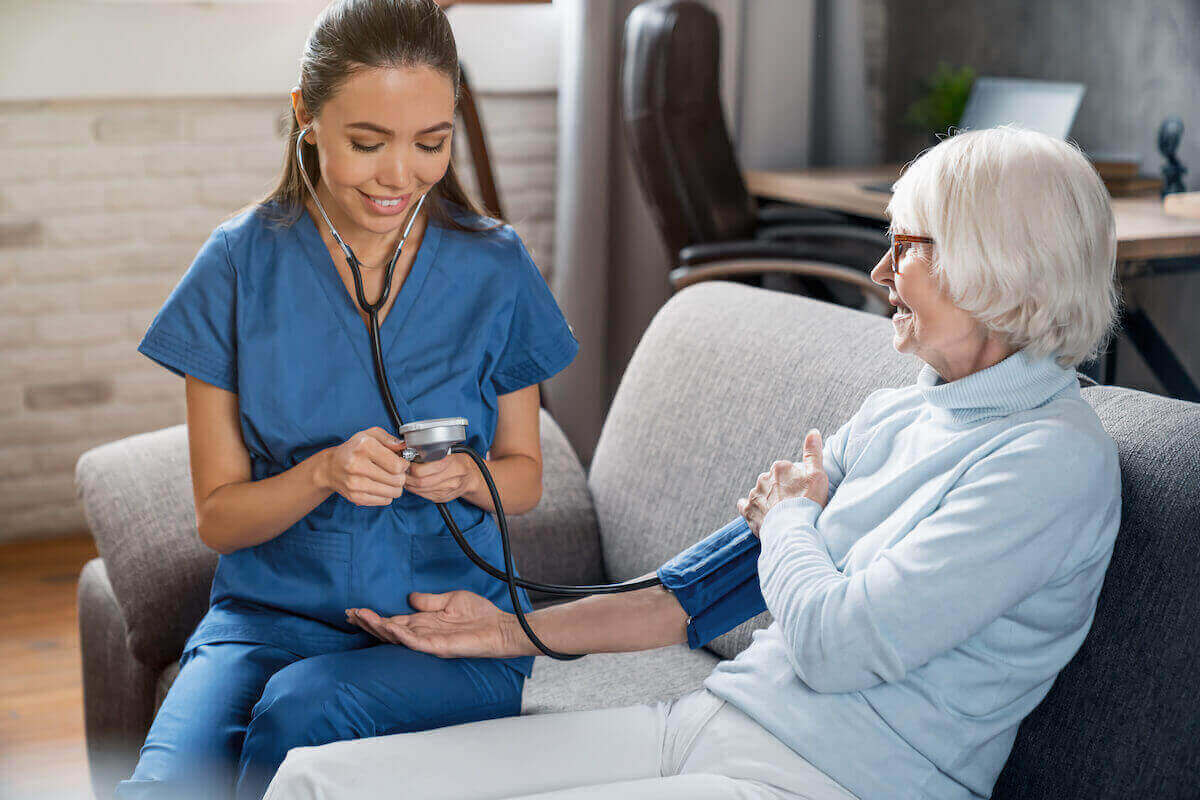
Modern home health nurses now oversee a suite of IoT-connected devices. From Bluetooth-enabled blood pressure cuffs and pulse oximeters to sophisticated wearable biosensors that track heart rate variability and respiratory rate, the “home clinic” is constantly streaming data. These devices feed into a dashboard where nurses can monitor dozens of patients simultaneously. If a patient’s oxygen saturation drops below a specific threshold, the system triggers an automated alert, allowing the nurse to intervene via video call or a home visit before a crisis occurs.
Smart Home Environments and Ambient Sensing
The integration of technology extends beyond the patient’s body and into their living space. Smart home sensors—such as “fall detection” systems that use AI-powered vision or pressure-sensitive floor mats—provide an extra layer of safety. Ambient sensing technology can track a patient’s movements through the house; a change in the frequency of bathroom trips or a decrease in kitchen activity can be an early technological indicator of a urinary tract infection or cognitive decline. For the home health nurse, this data provides a holistic view of the patient’s health that was never possible through manual observation alone.
Artificial Intelligence and Predictive Analytics
The most significant tech frontier in home health care nursing is the application of Artificial Intelligence (AI). AI is moving the field from reactive care to proactive prevention, fundamentally changing the nurse’s role from a responder to a data analyst.
Risk Stratification and Hospital Readmission Modeling
One of the primary goals of home health care is to prevent hospital readmissions. AI-driven predictive analytics tools analyze thousands of data points—including historical medical records, socioeconomic factors, and daily RPM data—to assign each patient a “risk score.” Home health nurses use these scores to prioritize their daily workflows. If an AI model flags a patient as having a 90% probability of heart failure exacerbation within the next 48 hours, the nurse can adjust the care plan, titrate medications under physician orders, and prevent an expensive and traumatic ER visit.
Natural Language Processing (NLP) in Documentation
Clinical documentation is a notorious burden in nursing. Innovative home health platforms are now integrating Natural Language Processing (NLP) to alleviate this. Through voice-to-text and AI-driven summarization, a nurse can dictate their clinical notes during or after a visit. The NLP engine extracts pertinent clinical facts, populates the correct fields in the EHR, and even suggests ICD-10 codes for billing. This tech-driven efficiency allows nurses to spend more time on patient interaction and less time on the digital interface.
Telemedicine and Virtual Care Coordination
While physical presence is a cornerstone of nursing, the definition of a “visit” in home health care has expanded to include virtual modalities. Telemedicine has become an essential tool in the home health nurse’s arsenal, particularly in rural or underserved areas.
High-Definition Video Consultations and Triage
Telehealth platforms integrated within the nursing workflow allow for immediate specialist consultations. If a home health nurse encounters a complex wound or a rare skin rash, they can initiate a high-definition video call with a wound care specialist or a dermatologist. The nurse acts as the “hands” of the remote physician, using peripheral tech like digital otoscopes or specialized cameras to provide a detailed view of the patient’s condition. This real-time collaboration ensures that specialty care is delivered in the home, maintaining the patient’s comfort and reducing transportation costs.
Augmented Reality (AR) for Training and Complex Procedures
Augmented Reality is beginning to play a role in home health nursing education and complex care. For example, a nurse performing a rare or highly complex infusion procedure for the first time might wear AR glasses that overlay digital instructions or allow a senior clinical educator to “see” what the nurse sees and provide real-time guidance. This technology levels the playing field, ensuring that even junior nurses can provide high-acuity care safely in a home setting.
Cybersecurity and Data Privacy in Decentralized Care
As home health care nursing becomes increasingly reliant on digital tools, the focus on cybersecurity and data privacy has become paramount. When a patient’s home becomes a node in a medical network, the technological responsibility of the nursing agency grows.
HIPAA-Compliant Mobile Security and Encryption
Every tablet or smartphone used by a home health nurse is a potential entry point for a data breach. Consequently, modern home health agencies employ robust Mobile Device Management (MDM) software. This technology allows for the remote wiping of devices if lost, ensures all data is encrypted at rest and in transit, and enforces multi-factor authentication. The “tech” of home nursing includes a constant vigilance regarding the digital privacy of the patient, ensuring that sensitive health data remains secure within the cloud ecosystem.
The Challenge of Patient Data Sovereignty
As we move toward a more integrated tech model, the question of who owns the data generated in the home becomes critical. Home health technology is shifting toward a model of “data sovereignty,” where patients have more control over their digital health footprint. Nurses are increasingly tasked with educating patients on how to use their own patient portals and how their data is being used by AI models to improve their care. This technological literacy is becoming a core competency for the modern home health nurse.
Conclusion: The Future of Tech-Enabled Nursing
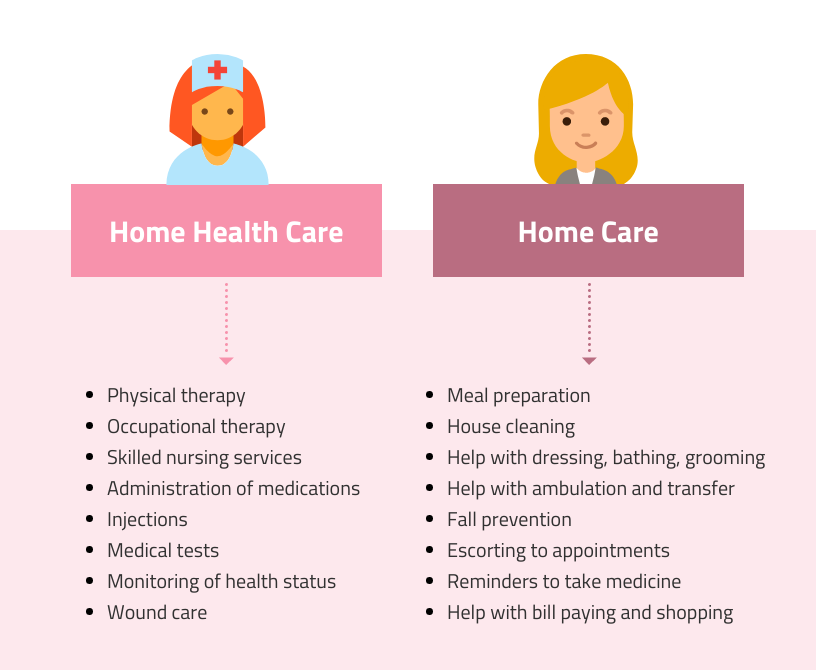
What is home health care nursing? In today’s landscape, it is a sophisticated blend of clinical expertise and technological fluency. It is a field where software determines the most efficient path to a patient’s door, where IoT devices provide a 24/7 window into a patient’s physiology, and where AI helps predict and prevent medical crises before they happen.
The integration of these technologies does not replace the nurse; rather, it empowers the nurse to be more effective, more efficient, and more precise. As we look toward the future, the continued evolution of 5G connectivity, more advanced wearable sensors, and even more powerful predictive algorithms will continue to redefine the boundaries of what is possible in home-based clinical care. Home health care nursing is no longer just a service—it is a high-tech platform for the future of medicine.
aViewFromTheCave is a participant in the Amazon Services LLC Associates Program, an affiliate advertising program designed to provide a means for sites to earn advertising fees by advertising and linking to Amazon.com. Amazon, the Amazon logo, AmazonSupply, and the AmazonSupply logo are trademarks of Amazon.com, Inc. or its affiliates. As an Amazon Associate we earn affiliate commissions from qualifying purchases.