
Homeownership is often lauded as a cornerstone of the American Dream, a significant milestone that offers stability, a sense of belonging, and the potential for long-term wealth accumulation. However, for most individuals and families, purchasing a home outright with cash is an unattainable luxury. This is where home financing steps in – a complex yet essential mechanism that transforms the dream of homeownership into a tangible reality.
At its core, home financing refers to the various methods and financial instruments used to acquire the funds necessary to buy residential real estate. It’s much more than just taking out a loan; it’s a strategic financial decision involving a myriad of options, regulations, and long-term commitments. Understanding the intricacies of home financing is paramount for any prospective homeowner, as it dictates not only the immediate affordability of a property but also the overall financial health and flexibility of the borrower for decades to come. This comprehensive guide will demystify home financing, exploring its fundamentals, the diverse types of options available, the step-by-step process involved, and the key factors that influence these crucial financial decisions.
The Fundamentals of Home Financing
Before delving into the specifics of different loan types and processes, it’s crucial to establish a foundational understanding of what home financing truly entails and why it plays such a pivotal role in the real estate market.
Defining Home Financing
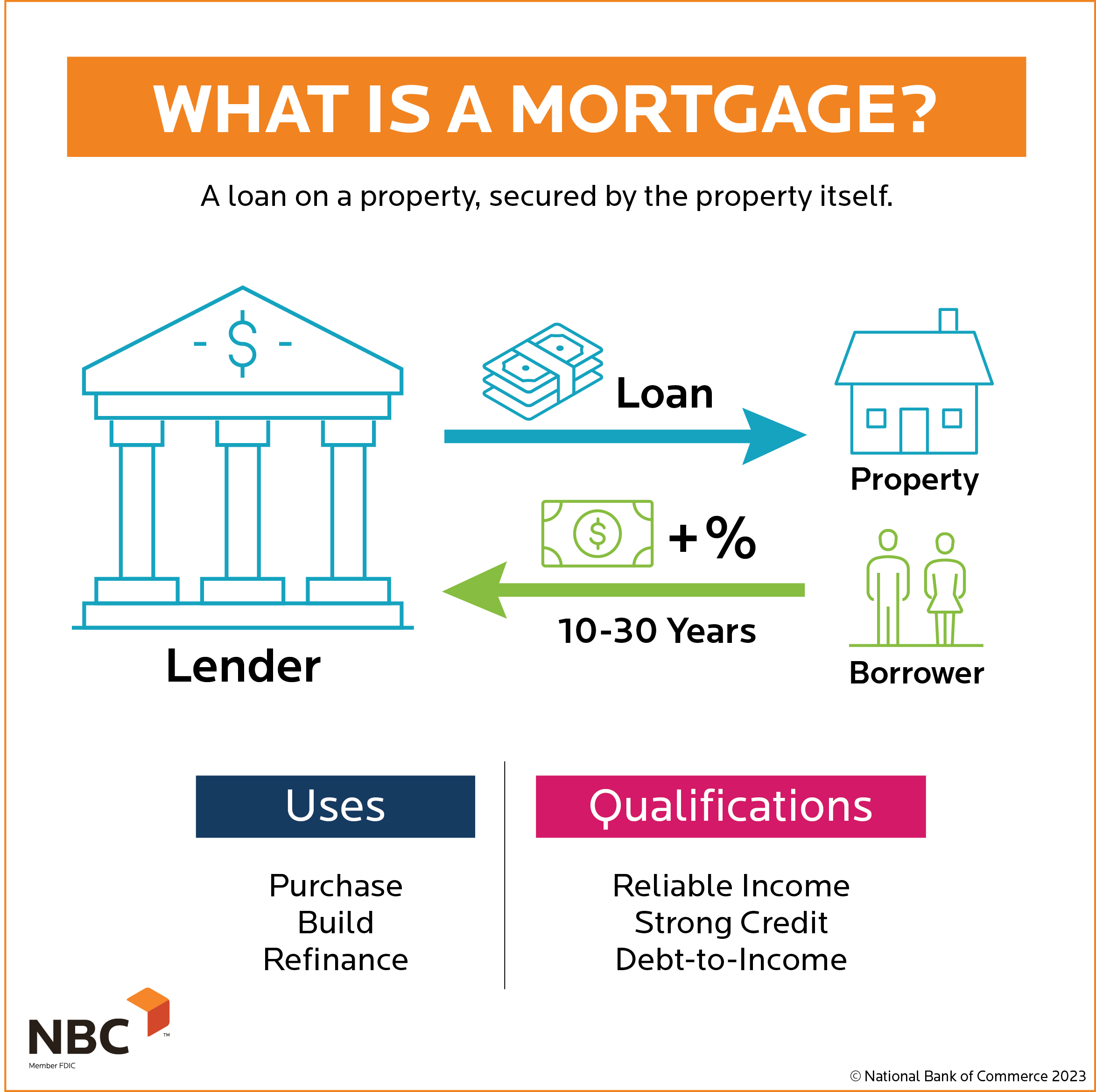
In its simplest terms, home financing is the process of borrowing money from a financial institution or lender to purchase a house, apartment, or other residential property. The most common form of home financing is a mortgage, which is a loan secured by real property. This means the property itself serves as collateral for the loan; if the borrower defaults on payments, the lender has the right to repossess the property through foreclosure. This security is what allows lenders to offer substantial sums of money, often hundreds of thousands or even millions of dollars, to individual borrowers.
The agreement specifies the loan amount, interest rate, repayment schedule (typically monthly installments over a set period, such as 15 or 30 years), and other terms and conditions. These monthly payments generally include principal (the actual amount borrowed), interest (the cost of borrowing the money), property taxes, and homeowners insurance, often bundled together as PITI.
Why Financing is Necessary
The primary reason home financing is indispensable for the vast majority of homebuyers is the exorbitant cost of real estate. Homes represent one of the largest single purchases most people will make in their lifetime. With median home prices in many areas soaring well into the hundreds of thousands of dollars, few individuals possess the liquid assets to cover such an expense upfront. Home financing bridges this gap, enabling individuals to acquire a valuable asset by spreading the cost over an extended period, making monthly payments manageable within their budget.
Furthermore, home financing allows individuals to leverage their existing capital. Instead of depleting all savings on a cash purchase, a down payment (a percentage of the home’s purchase price paid upfront by the buyer) allows a borrower to secure a much larger asset, freeing up remaining savings for emergencies, renovations, or other investments. This leveraging is a fundamental principle of wealth building for many homeowners.
Key Players in the Process
The home financing journey is a collaborative effort involving several key players, each with a distinct role:
- Borrower: The individual(s) seeking to obtain the loan to purchase the home.
- Lender: Financial institutions (banks, credit unions, mortgage companies) that provide the funds for the mortgage. They assess creditworthiness, approve loans, and manage the repayment process.
- Mortgage Broker: An intermediary who works with various lenders to find the best loan options for a borrower. They don’t lend money directly but facilitate the connection.
- Real Estate Agent: Represents the buyer or seller in the transaction, helping to find properties, negotiate offers, and guide through the buying process.
- Appraiser: An independent professional who assesses the market value of the property to ensure the loan amount is justified by the home’s worth.
- Underwriter: The person at the lending institution who reviews all documentation (financial history, credit, property appraisal) to determine if the loan application meets the lender’s criteria and is a safe investment.
- Closing Agent/Escrow Officer: A neutral third party who facilitates the final closing of the transaction, ensuring all documents are signed, funds are distributed, and the property title is properly transferred.
Types of Home Financing Options
The landscape of home financing is diverse, offering a range of loan products designed to cater to different financial situations, credit profiles, and property types. Understanding these options is crucial for making an informed decision.
Conventional Loans
Conventional loans are the most common type of mortgage and are not insured or guaranteed by a government agency. They are typically offered by private lenders and are subject to stricter lending guidelines set by government-sponsored enterprises like Fannie Mae and Freddie Mac.
- Characteristics: Borrowers generally need good to excellent credit scores (typically 620 or higher) and a debt-to-income (DTI) ratio below 43-45%. A down payment of 20% or more is ideal to avoid private mortgage insurance (PMI), though conventional loans are available with as little as 3-5% down, requiring PMI until sufficient equity is built.
- Pros: Flexible terms, competitive interest rates for well-qualified borrowers, PMI can be canceled once 20% equity is reached, and fewer restrictions on property types compared to government-backed loans.
- Cons: Stricter eligibility requirements, and the need for PMI with lower down payments adds to the monthly cost.
- Conforming vs. Non-Conforming: Conventional loans can be conforming (meeting Fannie Mae/Freddie Mac loan limits) or non-conforming (jumbo loans, exceeding these limits and often carrying slightly higher interest rates due to increased risk).
Government-Backed Loans
These loans are insured or guaranteed by federal government agencies, making them less risky for lenders and therefore more accessible to borrowers who might not qualify for conventional loans.
- FHA Loans: Insured by the Federal Housing Administration, these loans are popular for first-time homebuyers or those with less-than-perfect credit. They require a minimum credit score of 580 for a 3.5% down payment (or 500-579 with a 10% down payment). While easier to qualify for, FHA loans require both an upfront mortgage insurance premium (UFMIP) and annual mortgage insurance premium (MIP) for the life of the loan (or a significant portion of it), which increases the overall cost.
- VA Loans: Guaranteed by the U.S. Department of Veterans Affairs, these loans are exclusively for eligible service members, veterans, and surviving spouses. VA loans offer significant benefits, including no down payment requirement, no private mortgage insurance, and competitive interest rates. They do, however, come with a VA funding fee, which can be financed into the loan.
- USDA Loans: Backed by the U.S. Department of Agriculture, these loans are designed to promote homeownership in rural and eligible suburban areas. They offer 100% financing (no down payment required) for low to moderate-income borrowers who meet specific geographic and income eligibility criteria. Like FHA loans, they require an upfront and annual guarantee fee.
Other Financing Alternatives
Beyond the major categories, other specialized financing options exist for unique situations.
- Jumbo Loans: For properties that exceed the conventional loan limits set by Fannie Mae and Freddie Mac. These are non-conforming loans designed for high-value homes and typically require excellent credit, substantial assets, and larger down payments.
- Adjustable-Rate Mortgages (ARMs): Unlike fixed-rate mortgages, where the interest rate remains constant for the life of the loan, ARMs feature an interest rate that changes periodically after an initial fixed period (e.g., 5/1 ARM means fixed for 5 years, then adjusts annually). ARMs can offer lower initial interest rates but carry the risk of higher payments if rates rise.
- Portfolio Loans: Loans that lenders keep in their own portfolio rather than selling them on the secondary market. These can offer more flexible underwriting standards and unique terms for specific situations, but may come with higher interest rates.
The Home Financing Process: A Step-by-Step Guide
Navigating the home financing process can seem daunting, but breaking it down into manageable steps clarifies the journey from initial inquiry to receiving the keys.
Step 1: Assess Your Financial Readiness
Before even looking at homes, it’s crucial to understand your own financial standing. This involves:
- Credit Score Check: Your credit score is a major determinant of loan eligibility and interest rates. Aim for a score of 620 or higher for most conventional loans, and higher for the best rates. Review your credit report for any errors.
- Debt-to-Income (DTI) Ratio: Lenders calculate your DTI by dividing your total monthly debt payments by your gross monthly income. A lower DTI (ideally below 36-43%) indicates you can handle more debt.
- Savings for Down Payment and Closing Costs: Determine how much you can comfortably put down. Remember to budget for closing costs (2-5% of the loan amount), which include appraisal fees, loan origination fees, title insurance, and more.
Step 2: Get Pre-Approved
Pre-approval is a critical early step. It’s a conditional commitment from a lender stating how much they are willing to lend you, based on a review of your financial information.
- Why it’s Essential: It sets your budget, allows you to shop for homes within your means, and signals to sellers that you are a serious and qualified buyer, making your offer more competitive.
- Documents Needed: Lenders typically require pay stubs, W-2s, tax returns, bank statements, and other financial records.
Step 3: Find a Home and Make an Offer
With pre-approval in hand, you can confidently work with a real estate agent to find properties that fit your budget and preferences.
- Making an Offer: Once you find a suitable home, your agent will help you draft an offer, which often includes contingencies (e.g., subject to a satisfactory home inspection and appraisal, and your financing being approved).
Step 4: Loan Application and Underwriting
Once your offer is accepted, the real work for your lender begins.
- Formal Application: You’ll complete a full mortgage application, providing extensive documentation to verify all financial details.
- Appraisal and Inspection: The lender will order an appraisal to ensure the home’s value supports the loan amount. You should also arrange an independent home inspection to uncover any potential issues with the property.
- Underwriting: The underwriter meticulously reviews all submitted documents, the appraisal, and your financial profile to assess the risk and make a final loan decision. This is often the longest and most scrutinized phase.
Step 5: Closing the Deal
If your loan is approved, you’ll move to the closing stage, where legal ownership of the property is transferred.
- Closing Disclosure: You’ll receive a Closing Disclosure at least three business days before closing, detailing all loan terms, fees, and costs. Review it carefully.
- Signing Documents: At the closing appointment, you’ll sign numerous legal documents, including the promissory note (your promise to repay the loan) and the mortgage or deed of trust (the legal document that ties the loan to the property).
- Funding and Possession: After all documents are signed and funds are disbursed, you officially become the homeowner and receive the keys.
Key Factors Influencing Home Financing
Several interconnected factors significantly impact the terms and availability of home financing. Understanding these influences can help borrowers optimize their financial strategy.
Credit Score
Your credit score is a numerical representation of your creditworthiness. A higher score signals to lenders that you are a responsible borrower, translating into better loan terms, lower interest rates, and easier approval. Conversely, a low score can lead to higher interest rates, stricter loan requirements, or even denial. It’s crucial to maintain a healthy credit history by paying bills on time, keeping credit utilization low, and avoiding excessive new debt.
Down Payment
The amount of money you put down upfront for your home purchase directly impacts your loan-to-value (LTV) ratio. A larger down payment (e.g., 20% or more) reduces the amount you need to borrow, potentially resulting in lower monthly payments, less interest paid over the life of the loan, and the avoidance of private mortgage insurance (PMI) on conventional loans. While lower down payment options exist, they often come with additional costs or higher interest rates due to increased risk for the lender.
Interest Rates
The interest rate is the cost of borrowing money and is expressed as a percentage of the principal. Even a slight difference in interest rates can significantly impact your total repayment amount over a 15- or 30-year mortgage. Interest rates are influenced by broader economic conditions, the Federal Reserve’s policies, inflation, and your personal creditworthiness. Borrowers must decide between fixed-rate mortgages, offering predictable payments, and adjustable-rate mortgages (ARMs), which can start lower but fluctuate over time.
Loan Term
The loan term refers to the length of time you have to repay the mortgage, typically 15 or 30 years.
- 30-Year Mortgage: Offers lower monthly payments, making homeownership more affordable on a monthly basis. However, you pay significantly more interest over the life of the loan.
- 15-Year Mortgage: Features higher monthly payments but allows you to pay off the loan much faster and pay substantially less interest overall, building equity more quickly.
The choice depends on your financial goals, budget stability, and comfort level with higher monthly commitments.
Debt-to-Income Ratio (DTI)
Your DTI ratio is a crucial metric lenders use to assess your ability to manage monthly payments and repay the loan. It compares your total monthly debt payments (including the proposed mortgage payment, credit cards, car loans, student loans) to your gross monthly income. Lenders generally prefer a DTI ratio of 36% or lower, though some programs may allow up to 43-50% for qualified borrowers. A high DTI indicates you might be overextended financially, increasing the perceived risk for the lender.
Navigating the Challenges and Making Smart Choices
The journey through home financing is a long-term commitment that requires careful planning and informed decisions. While the process can be complex, adopting a strategic approach can lead to a more successful and less stressful experience.
Understanding the Costs Beyond the Mortgage
Many first-time homebuyers focus solely on the principal and interest portion of their mortgage payment. However, true homeownership costs extend much further. It’s vital to budget for:
- Property Taxes: Levied by local government, these can be a significant annual expense, often included in your monthly mortgage payment (escrow).
- Homeowners Insurance: Protects your home and belongings from damage or theft. Lenders require it, and it’s also typically escrowed.
- Homeowners Association (HOA) Fees: If you purchase a condo, townhouse, or home in a planned community, you’ll likely pay monthly or annual HOA fees for common area maintenance and amenities.
- Utilities and Maintenance: Be prepared for ongoing costs like electricity, gas, water, internet, and unexpected repairs or routine maintenance. These can add hundreds, if not thousands, to your monthly expenses.
Lender Comparison and Negotiation
One of the most critical steps in securing favorable home financing is to shop around and compare offers from multiple lenders. Don’t simply go with the first lender you speak to or the one recommended by your real estate agent. Different lenders offer varying interest rates, fees, and loan programs.
- Get Multiple Quotes: Apply for pre-approval with at least three to five different lenders within a short period (usually 14-45 days, depending on the credit scoring model) to minimize the impact on your credit score.
- Compare the “APR”: While the interest rate is important, focus on the Annual Percentage Rate (APR), which reflects the true annual cost of your loan, including fees and other charges.
- Negotiate: Don’t hesitate to use a better offer from one lender as leverage to negotiate better terms with another.
The Importance of Professional Advice
Navigating the intricacies of home financing is challenging, and trying to do it alone can lead to costly mistakes. Leveraging the expertise of professionals is highly recommended:
- Mortgage Brokers: Can be invaluable as they have access to a wide range of lenders and loan products, helping you find the best fit for your unique situation.
- Financial Advisors: Can provide holistic advice, helping you integrate your home purchase into your broader financial plan and long-term goals.
- Real Estate Agents: While their primary role is property acquisition, experienced agents often have a deep understanding of local financing options and can recommend reputable lenders.
Future Planning: Refinancing, Equity, and Wealth Building
Home financing isn’t just about getting the initial loan; it’s also about managing your financial asset over time.
- Refinancing: As interest rates fluctuate or your financial situation changes, refinancing your mortgage can allow you to secure a lower interest rate, change your loan term, or tap into your home equity.
- Building Equity: Every mortgage payment contributes to building equity (the portion of your home’s value that you own outright). Equity can be a source of future wealth, providing collateral for other loans or increasing your net worth.
- Wealth Building: For many, a home is their most significant asset, appreciating in value over time. Smart home financing is a key tool in building long-term financial stability and wealth.
Conclusion
Home financing is a sophisticated and highly personal process that enables millions to achieve the dream of homeownership. Far from being a simple transaction, it requires a thorough understanding of financial principles, a meticulous evaluation of personal circumstances, and a strategic approach to selecting the right loan product. From the fundamental definition of a mortgage to the nuanced differences between conventional and government-backed loans, and from the initial pre-approval to the final closing, each step carries significant weight.
By diligently assessing your financial readiness, exploring the diverse array of financing options, and understanding the critical factors that influence loan terms, you empower yourself to make intelligent decisions. Moreover, embracing the guidance of financial professionals and being prepared for the ongoing costs of homeownership will ensure a smoother, more sustainable journey. Home financing, when approached with knowledge and prudence, is not just about securing a loan; it’s about laying the foundation for a secure financial future and building a place to call your own.
aViewFromTheCave is a participant in the Amazon Services LLC Associates Program, an affiliate advertising program designed to provide a means for sites to earn advertising fees by advertising and linking to Amazon.com. Amazon, the Amazon logo, AmazonSupply, and the AmazonSupply logo are trademarks of Amazon.com, Inc. or its affiliates. As an Amazon Associate we earn affiliate commissions from qualifying purchases.