
In an increasingly digital world, the phrase “high-speed internet” is tossed around with such frequency that its true meaning can often become muddled. It’s more than just a marketing buzzword; it represents a fundamental shift in how we interact with information, each other, and the global economy. To truly grasp what high-speed internet entails, one must look beyond simple speed numbers and delve into the technological underpinnings, the practical implications, and the ever-evolving standards that define this essential utility of the 21st century. At its core, high-speed internet refers to a broadband connection that offers significantly faster data transfer rates than traditional dial-up, enabling seamless access to online content, applications, and services that are integral to modern life.
Defining High-Speed Internet: More Than Just Fast
The concept of “fast” is inherently relative, and what was considered high-speed a decade ago is now painfully slow. The definition of high-speed internet, therefore, is not static but a dynamic benchmark that shifts with technological advancements and user demands. Understanding this evolution and the key metrics involved is crucial.
The Evolving Definition of “Fast”
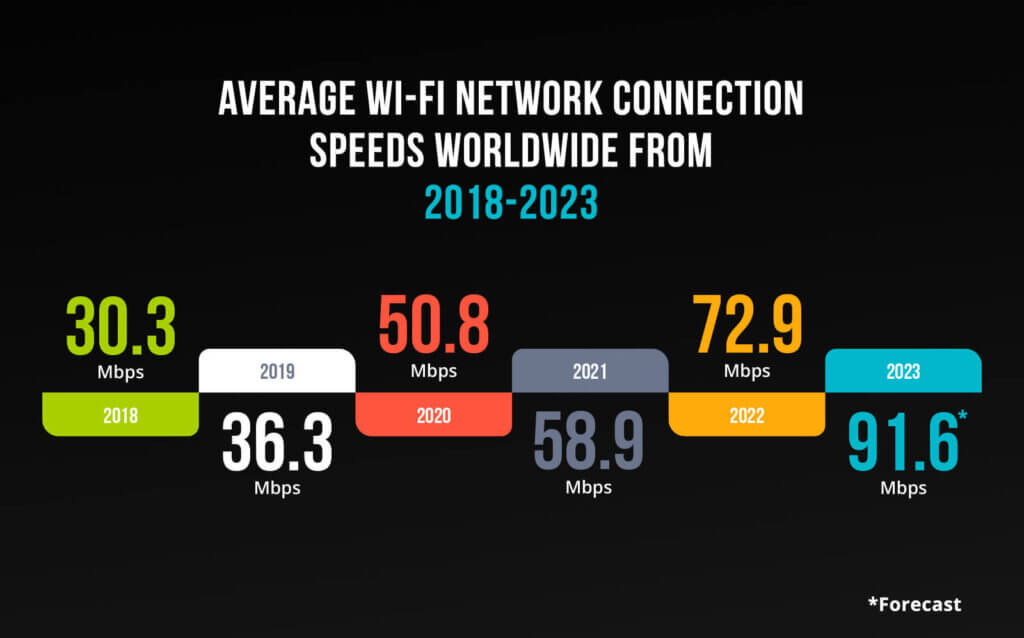
Historically, internet speeds were measured in kilobits per second (Kbps) during the dial-up era. With the advent of broadband technologies like DSL and cable, speeds jumped into the megabits per second (Mbps) range. Early broadband was considered “high-speed” at just 1.5-3 Mbps. As the internet matured and applications became more data-intensive – think high-definition video streaming, online gaming, and cloud computing – the minimum acceptable speed for a “high-speed” connection has steadily increased. Today, government bodies and industry organizations continually update their definitions to reflect contemporary usage patterns. This ongoing evolution means that providers and consumers must constantly re-evaluate their perception and provision of adequate internet speeds.
Key Metrics: Download, Upload, and Latency
When discussing high-speed internet, three primary metrics are paramount:
-
Download Speed: Measured in megabits per second (Mbps) or gigabits per second (Gbps), this refers to how quickly data travels from the internet to your device. It’s crucial for activities like streaming videos, browsing websites, and downloading files. A higher download speed means less buffering and faster access to content.
-
Upload Speed: Also measured in Mbps or Gbps, this indicates how quickly data travels from your device to the internet. While often lower than download speeds, strong upload speeds are vital for video conferencing, online gaming, uploading large files to cloud storage, and content creation. Symmetrical speeds, where upload matches download, are increasingly desired.
-
Latency (Ping): Measured in milliseconds (ms), latency represents the time it takes for a data packet to travel from your device to a server and back. Low latency means a quicker response time, which is critical for real-time applications like online gaming, VoIP calls, and remote desktop access. Even with high download/upload speeds, high latency can make an internet connection feel sluggish or unresponsive.
Regulatory Benchmarks and Industry Standards
Various regulatory bodies around the world establish minimum speed thresholds for what they officially classify as “broadband” or “high-speed internet.” In the United States, for instance, the Federal Communications Commission (FCC) currently defines broadband as 25 Mbps for download and 3 Mbps for upload. While this serves as a baseline, many industry experts and consumers consider these speeds barely adequate for a multi-user household engaged in modern online activities. As fiber optic infrastructure expands, calls for increasing these minimums to 100 Mbps symmetrical or even higher are becoming more prevalent, pushing internet service providers (ISPs) to continually upgrade their networks.
The Technologies Powering High-Speed Connectivity
The ability to achieve rapid data transfer rates is not magic; it’s the result of sophisticated infrastructure and diverse technologies. Each technology has its strengths, limitations, and specific use cases, contributing to the varied landscape of high-speed internet access.
Fiber Optic Internet: The Gold Standard
Fiber optic internet is widely considered the pinnacle of high-speed connectivity. It transmits data using pulses of light through thin strands of glass or plastic fiber. Unlike electrical signals, light travels faster, experiences less signal degradation over distance, and is immune to electromagnetic interference. This allows fiber to deliver incredibly fast, symmetrical speeds (often 1 Gbps or more) with extremely low latency. The primary challenge with fiber is the extensive and costly infrastructure required to lay the fiber optic cables directly to homes and businesses (Fiber-to-the-Home/FTTH or Fiber-to-the-Premises/FTTP). Despite the initial investment, its superior performance and future-proofing capabilities make it the preferred choice for bandwidth-intensive users and essential for urban development.
Cable Internet: A Widespread Solution
Cable internet leverages the existing coaxial cable television infrastructure to deliver broadband services. It uses a cable modem to convert digital signals for transmission over the network. Cable internet typically offers high download speeds, often ranging from 100 Mbps to over 1 Gbps, making it a popular choice for many households. However, upload speeds are generally lower, and performance can sometimes be affected by network congestion during peak usage hours, as bandwidth is shared among users in a particular neighborhood. Despite these drawbacks, its widespread availability and relatively high speeds make it a dominant force in the high-speed internet market.
DSL (Digital Subscriber Line): The Legacy Option
DSL internet utilizes traditional copper telephone lines to transmit data. It was one of the earliest forms of widely available broadband, offering speeds significantly faster than dial-up. However, DSL speeds are highly dependent on the distance from the user’s location to the provider’s central office or local exchange. The further away, the slower and less reliable the connection becomes. While some advanced forms like VDSL (Very-high-bit-rate Digital Subscriber Line) can offer better performance, DSL generally struggles to compete with the speeds offered by fiber and cable. It primarily serves as a viable option in rural areas where more advanced infrastructure has not yet been deployed.
Satellite Internet: Bridging the Digital Divide (with caveats)
Satellite internet provides connectivity to remote areas where terrestrial options like fiber, cable, or DSL are unavailable. It works by relaying signals from a ground station to a satellite in orbit, and then down to a dish at the user’s location. While it can offer download speeds that classify as “broadband,” satellite internet inherently suffers from very high latency due to the immense distance data must travel (often over 22,000 miles to geostationary satellites and back). This high latency makes it unsuitable for real-time applications like online gaming or smooth video calls. Newer low Earth orbit (LEO) satellite constellations, like Starlink, aim to significantly reduce latency and improve speeds, offering a promising solution for truly remote locations.
5G Fixed Wireless Access (FWA): The New Contender
5G Fixed Wireless Access (FWA) is an emerging technology that delivers high-speed internet to homes and businesses using 5G cellular networks, rather than traditional wired connections. A receiver device captures 5G signals and converts them into Wi-Fi for local distribution. FWA offers several advantages, including quicker deployment, potentially competitive speeds (hundreds of Mbps), and reduced installation costs. It leverages the existing mobile network infrastructure, making it an attractive option for ISPs to expand broadband coverage rapidly, especially in suburban and rural areas where wired infrastructure is expensive to install. As 5G networks mature, FWA is poised to become a significant player in the high-speed internet landscape.
Why High-Speed Internet is Indispensable Today
High-speed internet has transitioned from a luxury to a fundamental necessity, underpinning nearly every aspect of modern life. Its widespread availability and robust performance capabilities enable unprecedented levels of connectivity and functionality.
Enhancing Productivity and Remote Work
The ability to work remotely and collaborate effectively hinges on a reliable, fast internet connection. High-speed internet facilitates seamless video conferencing, instant access to cloud-based applications and documents, rapid file transfers, and smooth operation of virtual private networks (VPNs). This enhanced productivity has transformed professional landscapes, offering flexibility to employees and businesses alike, and proving indispensable during global shifts towards remote and hybrid work models.
Revolutionizing Entertainment and Streaming

Gone are the days of pixelated videos and constant buffering. High-speed internet has fueled the explosion of streaming services, allowing users to consume high-definition (HD), 4K Ultra HD, and even 8K content without interruption. Online gaming, with its demands for low latency and high bandwidth, thrives on fast connections, offering immersive multi-player experiences. The entire digital entertainment industry, from music streaming to virtual reality, is built upon the foundation of ubiquitous high-speed access.
Powering Smart Homes and IoT Devices
The proliferation of smart home devices – from thermostats and security cameras to smart appliances and voice assistants – relies entirely on a stable, high-speed internet connection. The Internet of Things (IoT) ecosystem requires consistent data exchange to function efficiently, enabling automation, remote control, and real-time monitoring. Without adequate bandwidth, these devices would struggle to communicate, diminishing their utility and the promise of a truly connected home.
Facilitating Online Education and Healthcare
High-speed internet has democratized access to education and healthcare. Online learning platforms, virtual classrooms, and educational resources are accessible to millions, fostering continuous learning and skill development. Telemedicine and telehealth services allow patients to consult with doctors remotely, access medical records, and receive diagnoses, expanding healthcare access, particularly for individuals in underserved or remote areas. These advancements significantly improve quality of life and opportunities.
Driving Innovation and Economic Growth
Beyond individual benefits, high-speed internet is a critical engine for economic development and innovation. It supports cloud computing infrastructure, enables the development of new technologies, fosters e-commerce, and connects businesses to global markets. Startups can leverage robust internet access to innovate rapidly, while established companies can optimize operations and reach broader customer bases. Countries and regions with superior high-speed infrastructure tend to experience greater economic dynamism and technological advancement.
Factors Affecting Your High-Speed Experience
While the underlying technology and advertised speeds are important, several other factors can significantly impact the actual high-speed internet experience within a home or office environment. Understanding these can help users troubleshoot issues and optimize their setup.
Network Congestion and Infrastructure
Even with a high-speed plan, network congestion, particularly during peak usage times, can temporarily reduce speeds. This is common in shared network technologies like cable internet, where many users in a neighborhood are drawing from the same pool of bandwidth. Furthermore, the quality and age of the local infrastructure, from the last mile connection to the ISP’s backbone, can introduce bottlenecks that prevent users from reaching their full potential speeds.
Router and Wi-Fi Performance
The router acts as the gateway between your devices and your internet connection. An outdated or low-quality router can be a significant bottleneck, even if your ISP provides ample bandwidth. Similarly, Wi-Fi signal strength and coverage can greatly impact speeds. Factors like distance from the router, physical obstructions (walls, furniture), interference from other wireless devices, and the age of your Wi-Fi standard (e.g., Wi-Fi 5 vs. Wi-Fi 6/6E) all play a crucial role in how fast your devices connect wirelessly.
Device Capabilities and Software Optimization
The devices you use to access the internet also influence your perceived speed. An older computer with limited processing power or an outdated network adapter might not be able to fully utilize a gigabit connection. Similarly, software issues, such as operating system updates, background applications consuming bandwidth, or even malware, can slow down your internet experience. Ensuring devices are up-to-date and optimized is essential for maximizing high-speed internet benefits.
Service Provider Reliability and Support
The quality of your internet service provider (ISP) can also influence your experience. Reliability – how often your internet goes down or experiences outages – is critical. A provider with a robust and well-maintained network will offer more consistent service. Additionally, the quality of customer support, including technical assistance and troubleshooting, plays a role in how quickly issues are resolved when they arise, impacting overall user satisfaction with their “high-speed” connection.
The Future of High-Speed Internet: Towards Ubiquitous Connectivity
The journey towards ever-faster and more reliable internet is far from over. The future of high-speed internet promises even greater speeds, lower latency, and more ubiquitous access, driven by ongoing research, development, and strategic investments.
The Push for Symmetrical Speeds
While current broadband heavily prioritizes download speeds, the increasing demands of remote work, content creation, and cloud computing are driving a strong push for symmetrical speeds. Future high-speed networks, particularly those built on advanced fiber and 5G technologies, will aim to offer equally fast upload and download capabilities, catering to a more interactive and collaborative digital environment.
Terrabit and Beyond: Emerging Technologies
Researchers are continually pushing the boundaries of data transmission. Concepts like terabit-per-second (Tbps) internet, utilizing advanced optical fibers and photonic integrated circuits, are on the horizon. Beyond traditional wired and wireless, novel approaches such as free-space optical communication (using lasers for line-of-sight data transfer) and quantum internet (leveraging quantum entanglement for ultra-secure communication) represent the distant, yet exciting, future of connectivity.
The Role of AI in Network Management
Artificial intelligence (AI) is increasingly being integrated into network management systems. AI can predict and mitigate network congestion, optimize traffic routing, detect and prevent cyber threats, and even self-heal network outages. This intelligent management will ensure that future high-speed networks are not only faster but also more reliable, efficient, and secure, dynamically adapting to user demands and environmental conditions.
Addressing the Digital Divide: Global Initiatives
Despite significant advancements, a substantial portion of the global population still lacks access to adequate high-speed internet, creating a “digital divide.” Future efforts will heavily focus on expanding affordable broadband access to underserved rural and remote communities worldwide. This includes continued investment in fiber expansion, innovative uses of satellite internet (especially LEO constellations), and government-subsidized programs, all aimed at ensuring universal high-speed connectivity as a fundamental right.
Conclusion
High-speed internet, at its core, is a dynamic concept defined by evolving technological capabilities and increasing user demands. From the foundational metrics of download, upload, and latency, through the diverse technologies like fiber, cable, DSL, satellite, and 5G FWA, to its indispensable role in modern life, high-speed internet is the bedrock of our digital existence. As we look to the future, the pursuit of even greater speeds, symmetrical connections, and ubiquitous access will continue to shape how we work, learn, play, and connect, promising a world where geographical barriers diminish and digital opportunities expand for all. Understanding “what is high-speed internet” is not just about speeds; it’s about comprehending the gateway to our connected future.
aViewFromTheCave is a participant in the Amazon Services LLC Associates Program, an affiliate advertising program designed to provide a means for sites to earn advertising fees by advertising and linking to Amazon.com. Amazon, the Amazon logo, AmazonSupply, and the AmazonSupply logo are trademarks of Amazon.com, Inc. or its affiliates. As an Amazon Associate we earn affiliate commissions from qualifying purchases.