
For any aspiring or current motorcycle owner, the odometer reading is more than just a number; it’s a critical financial indicator that profoundly impacts the vehicle’s value, ownership costs, and future liquidity. Unlike cars, motorcycles often accrue miles at a different rate, and what constitutes “high mileage” can be a nuanced figure, heavily influenced by factors such as make, model, maintenance history, and rider habits. From a purely financial perspective, understanding high mileage is essential for making informed purchasing decisions, accurately assessing depreciation, and managing the total cost of ownership effectively.
The Financial Impact of Mileage on Motorcycle Value
The relationship between a motorcycle’s mileage and its market value is inverse and often aggressive. As the odometer climbs, the bike’s perceived value—and often its actual resale price—tends to decline. This depreciation is a primary consideration for anyone treating a motorcycle as a depreciating asset.

Depreciation Curves and Mileage Thresholds
Motorcycles, like most vehicles, experience their steepest depreciation during their initial years and first tens of thousands of miles. A new motorcycle can lose a significant portion of its value within the first year and the first 5,000 to 10,000 miles. However, the concept of “high miles” often truly begins to exert its financial pressure around the 20,000 to 30,000-mile mark for many standard bikes, and even sooner for more performance-oriented or specialized models.
- Under 10,000 Miles: Generally considered low mileage, these bikes command premium prices, reflecting minimal wear and tear and an extended anticipated lifespan. The financial benefit here is minimal immediate repair costs, but the initial capital outlay is highest.
- 10,000 to 30,000 Miles: This range represents a sweet spot for many buyers seeking a balance of value and remaining life. Significant depreciation from new has likely occurred, making these bikes more financially accessible, yet they typically still have substantial serviceable life remaining with proper maintenance. Sellers in this range can expect reasonable offers, but should be prepared for scrutiny of maintenance records.
- 30,000 to 50,000 Miles: This is often where “high mileage” discussions truly begin. While modern motorcycles are built to last, reaching this threshold can trigger further drops in market value. Buyers will factor in the increased likelihood of needing major service or component replacements, impacting their offer price.
- Over 50,000 Miles: For many segments, this is unequivocally high mileage. The financial implications are pronounced: significantly lower resale values, fewer interested buyers, and a higher probability of needing substantial investment in maintenance and repairs. However, exceptions exist, particularly for meticulously maintained touring bikes designed for longevity.
These thresholds are not absolute but serve as general financial benchmarks. The type of motorcycle—a sports bike versus a cruiser, for instance—will significantly alter these figures, with sports bikes often deemed high mileage at lower figures due to their demanding use cases.
The Role of Model and Brand in Mileage Depreciation
Certain motorcycle brands and models possess a reputation for durability and longevity, which can partially mitigate the financial sting of high mileage. Brands like Honda, Yamaha, BMW (especially their touring models), and Harley-Davidson (again, often their touring lines) are frequently cited for their robust engineering. A 50,000-mile Honda Gold Wing, for example, will generally retain a far greater percentage of its original value than a 50,000-mile niche sportbike, primarily due to buyer perception of reliability and anticipated maintenance costs. This brand equity acts as a financial buffer, slowing the rate of depreciation. Conversely, less reputable brands or models with known mechanical weaknesses will see their value plummet much faster once mileage starts to accumulate, making them riskier financial propositions in the used market.
Calculating the True Cost of High-Mileage Ownership
The initial purchase price of a high-mileage motorcycle might be enticingly low, but savvy buyers must consider the total cost of ownership (TCO). This includes not only the purchase price but also projected maintenance, repairs, insurance, and eventual resale value. A cheap high-mileage bike can quickly become an expensive liability if it requires significant capital injections for routine service or unexpected breakdowns. For instance, a high-mileage bike might need new tires, brake pads, a chain and sprockets, suspension servicing, and potentially major engine work (e.g., valve adjustments, clutch replacement). These costs, when added to the purchase price, can often exceed the cost of a lower-mileage, slightly more expensive alternative, effectively negating any perceived initial savings.
Mileage as a Predictor of Future Expenses
Beyond depreciation, mileage is a direct precursor to future financial outlays in terms of maintenance and repairs. Every mile ridden contributes to wear and tear, and understanding these correlations is crucial for effective financial planning.
Anticipating Major Maintenance Milestones
Motorcycles have service schedules that specify major maintenance intervals—often every 12,000, 24,000, or 30,000 miles, depending on the manufacturer and model. These services are typically more extensive and costly, involving valve adjustments, spark plug replacements, fluid flushes, and thorough inspections. A motorcycle approaching one of these major milestones represents an impending financial commitment for the owner. A buyer of a 28,000-mile bike, for example, should budget for the 30,000-mile service immediately post-purchase. Neglecting these services can lead to more severe, and more expensive, mechanical failures down the line, ultimately hurting the bike’s long-term financial viability and safety.
Insurance Premiums and High Mileage Risks
While insurance premiums are primarily driven by factors like rider age, driving history, bike type, and location, high mileage can indirectly influence perceived risk. Older, high-mileage bikes are sometimes seen as having a higher probability of mechanical failure, which could lead to accidents or breakdowns. Insurers might not explicitly increase premiums based solely on mileage, but they factor in the bike’s age and market value. A high-mileage bike, having a lower market value, might qualify for cheaper comprehensive coverage if it’s nearing the point where replacing it would be more cost-effective than repairing it. Conversely, if a high-mileage bike is still considered valuable but prone to issues, coverage for breakdowns or specialized parts could be a consideration, impacting overall financial burden.
Fuel Efficiency and Wear-and-Tear Costs
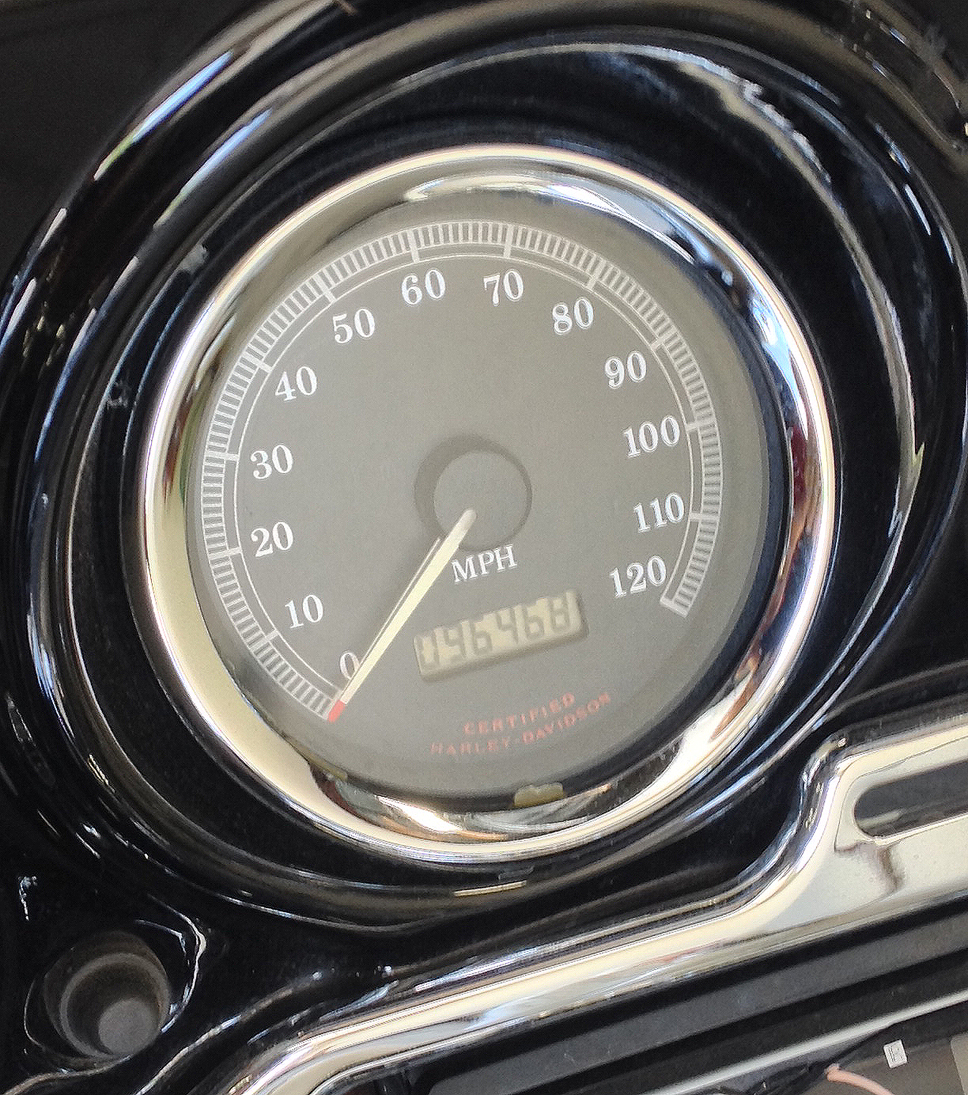
As motorcycles age and accumulate miles, certain components related to fuel efficiency can degrade. Worn spark plugs, clogged fuel injectors, or a poorly maintained air filter can all contribute to reduced fuel economy, leading to higher operational costs. Furthermore, general wear and tear extends beyond the engine to items like tires, brakes, chain/belt, and suspension components. While these are routine consumables, their replacement frequency and cost are directly proportional to mileage. A high-mileage bike will inevitably require these items more frequently, contributing to a higher ongoing operational budget.
Navigating the High-Mileage Motorcycle Market (Buyer & Seller Perspectives)
The high-mileage segment of the motorcycle market presents both opportunities and challenges for buyers and sellers, demanding astute financial judgment.
Strategies for Buying a High-Mileage Bike (Value vs. Risk)
For buyers, a high-mileage motorcycle can represent an exceptional value proposition if approached cautiously. The key is to mitigate financial risk through diligent due diligence.
- Comprehensive Pre-Purchase Inspection (PPI): This is paramount. Invest in a professional inspection by an independent mechanic who specializes in the specific make and model. This upfront cost can save thousands in unforeseen repairs and provides a clear financial picture of the bike’s true condition.
- Demand Detailed Maintenance Records: A motorcycle with extensive, well-documented maintenance history, especially for major services, significantly de-risks a high-mileage purchase. This demonstrates responsible ownership and provides a financial paper trail of investments made into the bike’s longevity. Without records, assume the worst financially.
- Factor in Immediate and Future Expenses: Budget not just for the purchase price, but for immediate post-purchase servicing (e.g., fluids, filters, possibly tires), and a contingency fund for potential major repairs in the near future.
- Negotiate Based on Anticipated Costs: Use any identified issues or upcoming service milestones from the PPI to negotiate a lower price, ensuring your offer reflects the true financial commitment required.
Maximizing Resale Value for Your High-Mileage Motorcycle
For sellers, parting with a high-mileage bike requires strategic planning to maximize its financial return.
- Impeccable Maintenance Records: As mentioned, these are gold. Presenting a complete history of professional servicing, detailing all parts replaced and work performed, instills confidence in buyers and can justify a higher asking price.
- Address Known Issues Proactively: Fixing minor leaks, replacing worn consumables (tires, chain, pads), and ensuring the bike is in top running condition before listing can prevent buyers from using these against you in negotiations. While there’s an upfront cost, it often yields a net positive return.
- Thorough Detailing and Presentation: A clean, well-presented motorcycle suggests careful ownership. Professional detailing can make a high-mileage bike look much better than its odometer might suggest, appealing to buyers on an emotional and visual level, which can translate into a better offer.
- Realistic Pricing: Research comparable high-mileage bikes of the same make/model to set a competitive, yet realistic, asking price. Be prepared for a lower valuation compared to low-mileage counterparts, but emphasize the bike’s reliability and documented care.
Financing and Warranties on Older, High-Mileage Models
Securing financing for older, high-mileage motorcycles can be more challenging and expensive. Lenders view these vehicles as higher risk due to accelerated depreciation and potential for mechanical issues. Interest rates may be higher, or lenders might require larger down payments. Extended warranties are also less commonly available or are significantly more expensive for high-mileage bikes, further placing the financial burden of future repairs squarely on the owner. This financial constraint can limit the pool of potential buyers for sellers and necessitate a larger cash outlay for buyers.
Beyond the Odometer: Other Financial Factors
While mileage is a dominant factor, a holistic financial assessment of a motorcycle requires considering other elements that also influence its value and ownership costs.
Maintenance Records: The Ultimate Financial Proof
As repeatedly emphasized, comprehensive and verifiable maintenance records are arguably the most potent financial asset a high-mileage motorcycle can possess. They serve as a transparent ledger of all investments made into the bike, proving that despite the miles, the vehicle has been diligently cared for. For a buyer, these records translate directly into reduced financial uncertainty and a clearer understanding of potential future expenses. For a seller, they justify a higher asking price and significantly differentiate their bike from others in the high-mileage segment. A meticulously maintained 60,000-mile motorcycle with full documentation can be a far better financial investment than a 30,000-mile bike with no service history.
Storage, Climate, and Their Effect on Longevity and Value
A motorcycle’s operating environment and storage conditions play a crucial role in its physical and financial longevity, often independent of mileage. A bike stored outdoors in a harsh climate will suffer accelerated degradation (rust, faded paint, perished rubber) regardless of how few miles it has ridden. This environmental wear directly impacts its market value. Conversely, a high-mileage motorcycle that has been garaged, routinely cleaned, and primarily ridden in temperate conditions might show fewer signs of age and consequently retain more of its financial value than a lower-mileage counterpart that has been neglected. Buyers should factor in these visual cues of care, as they indicate less need for costly cosmetic or structural remediation.

Customizations and Aftermarket Parts: A Double-Edged Financial Sword
Customizations and aftermarket parts can be a financial boon or bane. While some upgrades, such as reputable brand-name exhaust systems, quality suspension components, or genuine touring accessories, can add tangible value or justify a slightly higher price, others can detract from it. Highly personalized modifications that cater to a niche taste, or cheap, poorly installed aftermarket parts, can significantly diminish a motorcycle’s market appeal and financial value. Buyers are often wary of “over-customized” bikes, fearing unforeseen mechanical issues or preferring to customize themselves. Sellers should understand that while they might have invested significantly in personalizing their bike, these investments rarely translate into a dollar-for-dollar return in the resale market, often yielding only pennies on the dollar or even reducing the bike’s overall appeal and financial liquidity.
In conclusion, “high miles” for a motorcycle is not a static figure but a dynamic financial indicator influenced by a confluence of factors. While general mileage thresholds exist, the astute buyer or seller must look beyond the odometer to assess the true financial implications, considering depreciation, anticipated maintenance, brand reputation, and the invaluable transparency provided by comprehensive service records. Making financially sound decisions in the high-mileage motorcycle market requires diligence, foresight, and an understanding of the total cost of ownership rather than just the initial purchase price.
aViewFromTheCave is a participant in the Amazon Services LLC Associates Program, an affiliate advertising program designed to provide a means for sites to earn advertising fees by advertising and linking to Amazon.com. Amazon, the Amazon logo, AmazonSupply, and the AmazonSupply logo are trademarks of Amazon.com, Inc. or its affiliates. As an Amazon Associate we earn affiliate commissions from qualifying purchases.