
The human body is a marvel of biological engineering, and at its core, efficient oxygen transport is paramount. Hemoglobin (HGB) is the unsung hero in this intricate process, a protein responsible for carrying oxygen from our lungs to every cell and tissue. Understanding your hemoglobin levels, and what an HGB blood test reveals, is crucial for maintaining optimal health, energy, and even cognitive function. While the term “HGB blood test” might sound technical, it’s a fundamental diagnostic tool that provides invaluable insights into your well-being.
This article will delve into the world of hemoglobin, exploring what it is, why its levels matter, how the test is performed, and what the results can signify across various aspects of our lives, from personal finance and investment in health to the broader implications for productivity and brand reputation.
The Science of Hemoglobin: More Than Just a Red Pigment
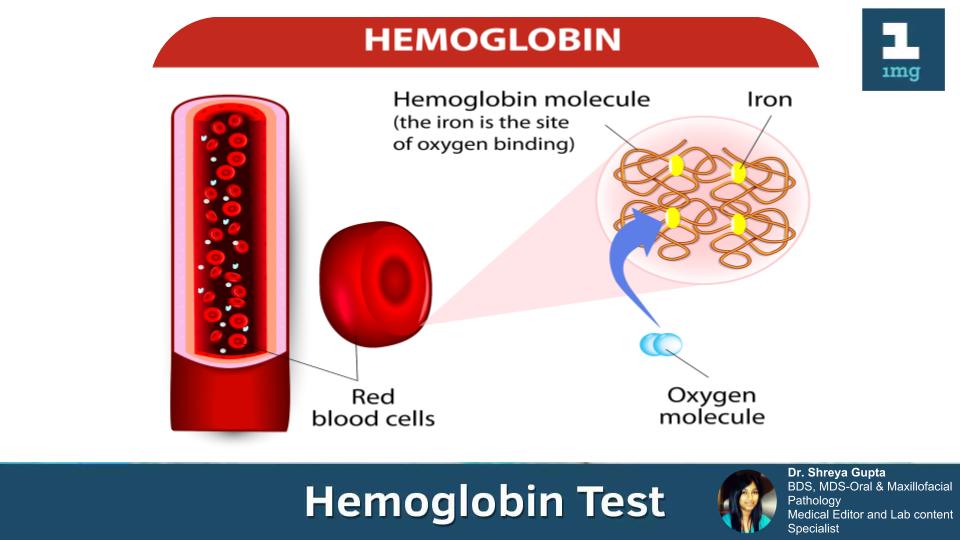
At its simplest, hemoglobin is a protein found within red blood cells. It’s what gives blood its characteristic red color. However, its function extends far beyond aesthetics. Hemoglobin is composed of four protein chains (globin) and four heme groups, each containing an iron atom. It is these iron atoms that bind with oxygen molecules in the lungs. As the blood circulates through the body, these oxygen molecules are released to the tissues and organs that need them for cellular respiration – the process by which our cells generate energy.
The efficiency of this oxygen delivery system is directly tied to the amount and function of hemoglobin present in your blood. When hemoglobin levels are optimal, your body receives the oxygen it needs to perform at its best, whether that’s powering through a demanding workday, engaging in physical activity, or simply enjoying mental clarity. Conversely, deficiencies or abnormalities in hemoglobin can have profound and far-reaching consequences.
Understanding the Red Blood Cell Connection
Red blood cells (RBCs), also known as erythrocytes, are the primary carriers of hemoglobin. These anucleated discs are produced in the bone marrow and have a lifespan of about 120 days. The bone marrow constantly replenishes the RBC count, ensuring a steady supply to transport oxygen. The HGB blood test, therefore, is inherently linked to the health and production of red blood cells.
The production of red blood cells and hemoglobin is a complex process influenced by several factors, including:
- Iron: As mentioned, iron is a critical component of the heme group. Insufficient iron intake or absorption can lead to reduced hemoglobin production, a condition known as iron-deficiency anemia.
- Vitamin B12 and Folate: These B vitamins are essential for DNA synthesis, which is crucial for the production of new cells, including red blood cells. Deficiencies can also lead to anemia.
- Erythropoietin (EPO): This hormone, produced by the kidneys, stimulates the bone marrow to produce more red blood cells. Conditions affecting the kidneys can therefore impact HGB levels.
- Bone Marrow Health: The bone marrow is the factory for blood cells. Diseases or damage to the bone marrow can impair the production of RBCs and hemoglobin.
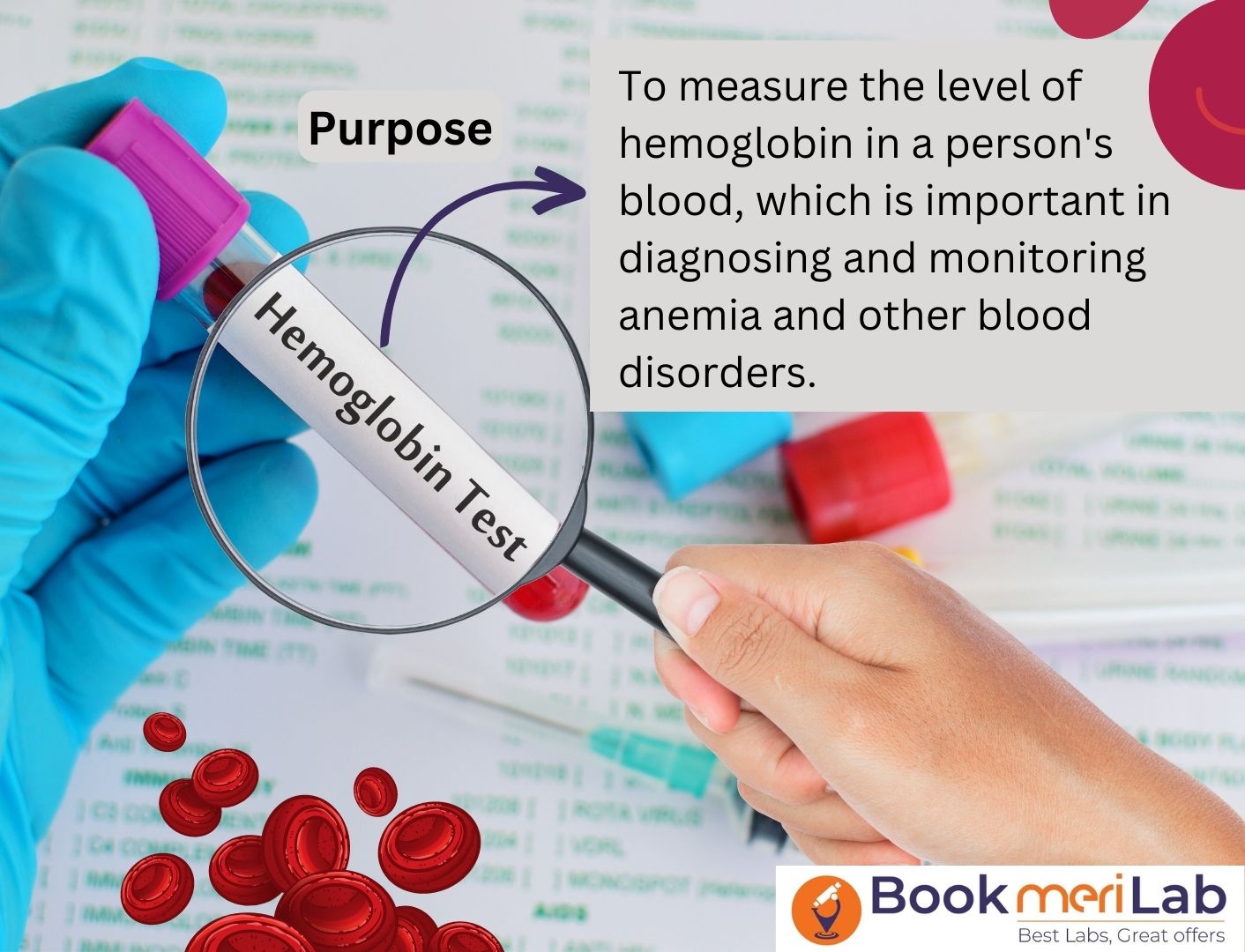
The HGB blood test, often performed as part of a complete blood count (CBC), provides a quantitative measure of the hemoglobin concentration within a given volume of blood. This single metric offers a powerful window into the body’s ability to oxygenate itself.
The HGB Blood Test: What to Expect and Why It’s Performed
The HGB blood test is a straightforward and common laboratory procedure. It involves a simple blood draw, typically from a vein in your arm. Here’s a breakdown of what the process entails and the reasons why your doctor might order this test.
The Procedure: A Simple Blood Draw
- Preparation: For most HGB tests, no special preparation is required. You can usually eat and drink as normal. However, it’s always best to follow any specific instructions given by your healthcare provider.
- Blood Draw: A healthcare professional will clean a small area of your skin, usually on the inside of your elbow, and apply a tourniquet to make the vein more prominent. A sterile needle is then inserted into the vein, and a small sample of blood is collected into a vial.
- Post-Procedure: Once the blood sample is collected, the needle is removed, and pressure is applied to the site to stop any bleeding. A small bandage is then placed over the area.
- Laboratory Analysis: The collected blood sample is sent to a laboratory for analysis. Specialized equipment measures the concentration of hemoglobin in the blood.
Why is an HGB Test Performed? Uncovering the “Why”
Your doctor might order an HGB blood test for a variety of reasons, ranging from routine check-ups to investigating specific symptoms. Some of the most common reasons include:
- Diagnosing Anemia: This is perhaps the most frequent reason for an HGB test. Anemia is a condition characterized by a deficiency in red blood cells or hemoglobin, leading to reduced oxygen transport. Symptoms of anemia can include fatigue, weakness, pale skin, shortness of breath, and dizziness.
- Monitoring Chronic Conditions: For individuals with chronic diseases like kidney disease, inflammatory conditions, or certain cancers, regular HGB monitoring is essential to assess the effectiveness of treatment and manage potential complications.
- Assessing Treatment Efficacy: If you are undergoing treatment for conditions that affect blood cell production or oxygen-carrying capacity (e.g., iron supplements for iron deficiency anemia, or EPO therapy for anemia related to kidney disease), the HGB test helps track your progress.
- Pre-Surgical Evaluations: A baseline HGB level is often checked before surgery to ensure the patient can tolerate blood loss during the procedure and to identify any potential risks.
- Investigating Symptoms: If you present with symptoms like persistent fatigue, unexplained paleness, or shortness of breath, an HGB test can help determine if a low hemoglobin count is the underlying cause.
- Routine Health Screenings: As part of a general health check-up, a CBC including HGB levels can provide a snapshot of your overall health.
The HGB blood test is a cornerstone of diagnostic hematology, offering a vital piece of information about your body’s oxygenation capabilities.
Interpreting Your HGB Results: What Your Numbers Mean
The results of an HGB blood test are typically reported in grams per deciliter (g/dL) or grams per liter (g/L). Normal ranges can vary slightly depending on the laboratory, age, sex, and even altitude. However, generally accepted ranges are:
- Adult Males: 13.5 to 17.5 g/dL
- Adult Females: 12.0 to 15.5 g/dL
- Children: Ranges vary significantly by age.
It’s crucial to remember that these are general guidelines, and your doctor will interpret your results in the context of your individual health history and other diagnostic findings.

Low HGB Levels: Understanding the Implications
A hemoglobin level below the normal range indicates that you may have anemia. The severity of anemia can range from mild to severe, and the underlying causes can be diverse. Common causes of low HGB include:
- Iron Deficiency Anemia: The most prevalent type of anemia, caused by insufficient iron. This can result from inadequate dietary intake, malabsorption issues (like celiac disease or bariatric surgery), or blood loss (heavy menstruation, gastrointestinal bleeding).
- Vitamin Deficiency Anemia: A lack of vitamin B12 or folate can impair red blood cell production.
- Chronic Diseases: Conditions like kidney disease, rheumatoid arthritis, cancer, and HIV/AIDS can interfere with the body’s ability to produce red blood cells or use iron effectively.
- Hemolytic Anemia: This occurs when red blood cells are destroyed faster than they can be produced. Various genetic conditions (like sickle cell anemia or thalassemia) or autoimmune disorders can cause this.
- Blood Loss: Acute or chronic bleeding can deplete red blood cell count and, consequently, hemoglobin levels.
- Bone Marrow Disorders: Conditions affecting the bone marrow, such as aplastic anemia or leukemia, can significantly reduce the production of red blood cells.
Impact of Low HGB: The consequences of low HGB levels can be felt across multiple facets of life:
- Personal Finance & Health Investment: Persistent fatigue and reduced energy can impact your ability to work, leading to decreased income and potentially higher healthcare costs due to related health issues. Investing in proper diagnosis and treatment becomes paramount.
- Productivity: Fatigue and lack of stamina directly hinder productivity in professional and personal endeavors. Cognitive function can also be affected, making concentration and problem-solving more challenging.
- Overall Well-being: Beyond physical symptoms, low HGB can contribute to mood changes, anxiety, and a general feeling of being unwell, impacting social interactions and quality of life.
High HGB Levels: When More Isn’t Necessarily Better
While less common than low HGB, elevated hemoglobin levels can also signal underlying health issues. This condition is often referred to as polycythemia. Causes of high HGB include:
- Dehydration: When your body is dehydrated, the concentration of blood components, including hemoglobin, can artificially increase.
- Lung Disease: Chronic lung conditions like COPD can lead to the body producing more red blood cells to compensate for reduced oxygen levels in the blood.
- Congenital Heart Disease: Certain congenital heart defects can stimulate increased RBC production.
- Kidney Tumors: Some kidney tumors can produce excess erythropoietin, leading to increased RBC production.
- Polycythemia Vera: This is a rare blood disorder where the bone marrow produces too many red blood cells, white blood cells, and platelets.
Impact of High HGB: Elevated HGB levels, particularly due to polycythemia vera, can increase the risk of blood clots, stroke, and heart attack. It can also lead to symptoms like headaches, dizziness, and itching.
HGB Levels and Your Broader Life: Beyond the Medical Chart
The implications of your hemoglobin levels extend far beyond a simple medical diagnosis. They can influence your productivity, your financial decisions, and even how you manage your personal brand.
HGB and Your Productivity Engine
Think of your hemoglobin as the fuel delivery system for your body’s engine. When it’s running optimally, your brain and muscles receive the oxygen they need to function at their peak.
- Cognitive Function: Adequate oxygenation is vital for clear thinking, concentration, and memory. Low HGB can manifest as brain fog, difficulty focusing, and reduced mental acuity, impacting your ability to perform complex tasks.
- Physical Stamina: Whether you’re an athlete or simply navigating daily life, sufficient hemoglobin ensures your muscles receive the oxygen for energy production. Low levels can lead to rapid fatigue, making physical exertion a challenge.
- Emotional Well-being: Chronic fatigue and physical discomfort associated with low HGB can negatively impact mood, leading to irritability and a decreased sense of motivation.
Optimizing for Performance: For professionals and entrepreneurs, maintaining healthy HGB levels is an investment in their personal brand and earning potential. It’s about ensuring you have the energy and focus to execute your strategies, innovate, and deliver exceptional results.
HGB, Money, and Strategic Investments in Health
Your financial health is intrinsically linked to your physical health.
- Reduced Healthcare Costs: Proactively addressing HGB issues can prevent the escalation of health problems, leading to lower medical expenses in the long run. Investing in regular check-ups and following medical advice is a financially sound decision.
- Enhanced Earning Potential: As discussed, optimal HGB levels contribute to better productivity and performance, which can translate into career advancement and increased income.
- Financial Planning for Health: Understanding the potential impact of conditions related to HGB levels can inform financial planning, including budgeting for potential medical treatments or insurance needs.
AI Tools and Health Management: Emerging AI tools can assist in tracking health metrics, analyzing dietary patterns for iron intake, and even providing personalized recommendations for optimizing energy levels based on physiological data. Leveraging these technologies can be a smart financial and personal brand move.
HGB and Your Personal Brand: The Foundation of Performance
Your personal brand is not just about what you say or how you present yourself; it’s also about what you can do. Your physical and mental capacity are fundamental to your ability to deliver on your promises and build trust.
- Reliability and Consistency: Showing up consistently, performing at a high level, and having the energy to engage are all reflections of your underlying health. Low HGB can undermine this, making you appear less reliable or capable.
- Professional Image: Looking and feeling healthy contributes to a positive and energetic professional image. Conversely, constant fatigue or pallor can inadvertently detract from your perceived competence.
- Brand Reputation: In a competitive landscape, your ability to consistently deliver high-quality work is crucial for building and maintaining a strong reputation. Your HGB levels play a silent but significant role in this.
Strategic Brand Building: By prioritizing your health, including maintaining optimal HGB levels, you are investing in the core asset of your personal brand: yourself. This allows you to fully leverage your skills, creativity, and drive, ultimately enhancing your professional standing and opportunities.
In conclusion, the HGB blood test is a simple yet powerful diagnostic tool that offers critical insights into your body’s oxygen transport system. Understanding your hemoglobin levels is not just about managing a medical condition; it’s about unlocking your full potential for productivity, making informed financial decisions related to your well-being, and building a robust personal brand grounded in health and vitality. By staying informed and proactive about your HGB levels, you are making a significant investment in your overall quality of life and professional success.
aViewFromTheCave is a participant in the Amazon Services LLC Associates Program, an affiliate advertising program designed to provide a means for sites to earn advertising fees by advertising and linking to Amazon.com. Amazon, the Amazon logo, AmazonSupply, and the AmazonSupply logo are trademarks of Amazon.com, Inc. or its affiliates. As an Amazon Associate we earn affiliate commissions from qualifying purchases.