
In the rapidly evolving landscape of biotechnology and precision medicine, the focus of digital health has shifted from macro-level observations to the microscopic intricacies of our genetic code. Among the most critical, yet complex, phenomena being decoded by modern computational tools is heteroplasmy. While the term originated in the field of biology, its implications today are deeply rooted in the tech sector—driving innovations in high-throughput sequencing, AI-driven diagnostics, and the burgeoning field of longevity technology.
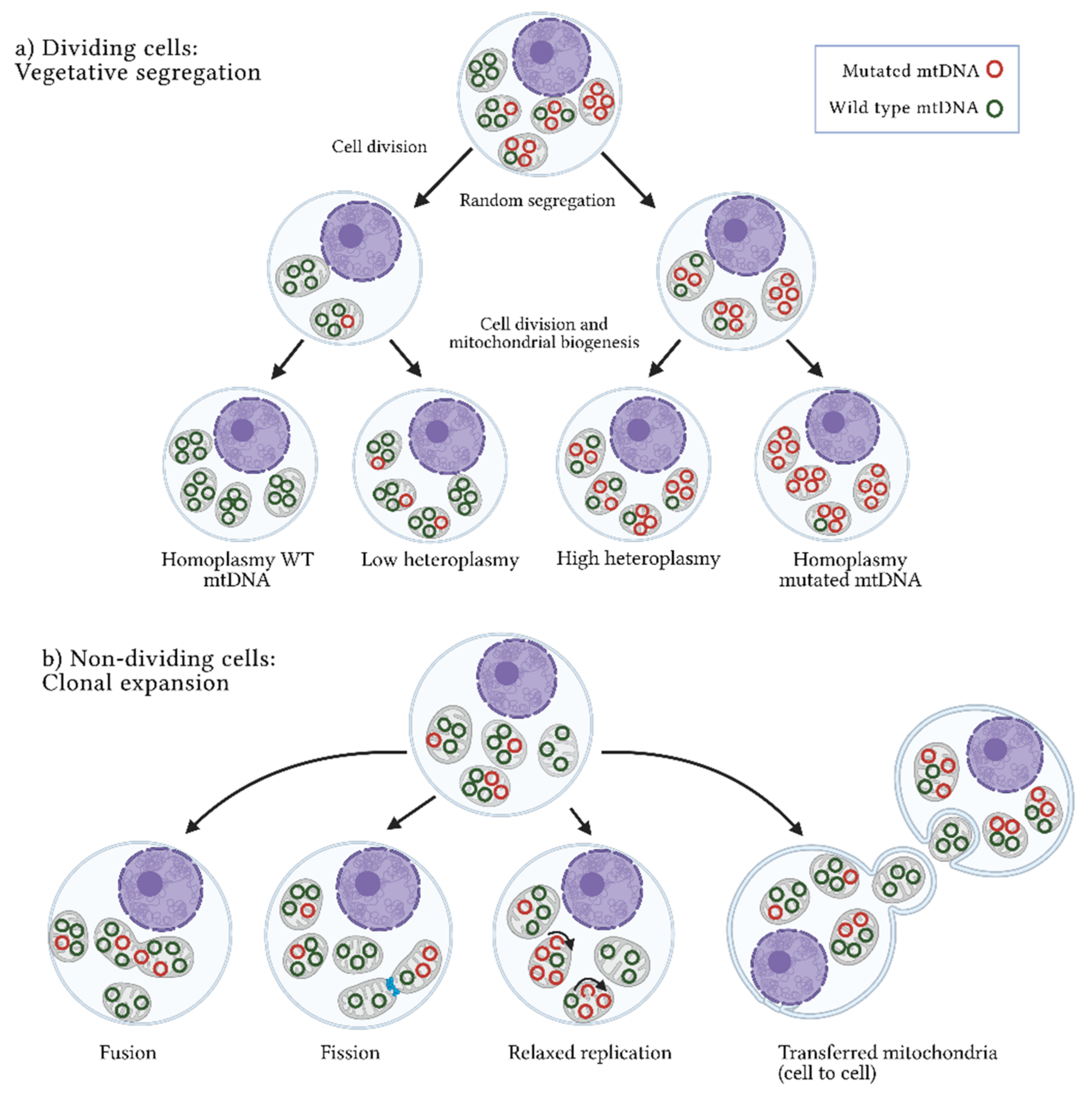
Heteroplasmy refers to the presence of more than one type of organellar genome (mitochondrial DNA or mtDNA) within a single cell or individual. In a digital sense, you can think of heteroplasmy as a form of “genetic noise” or a “multiversal operating system” where different versions of code are running simultaneously within the same hardware. Understanding and managing this variation is becoming the cornerstone of next-generation therapeutic tech and personalized health optimization.

Decoding the Cellular Mosaic: The Tech Behind Mitochondrial Variation
To understand heteroplasmy through a technological lens, one must first view the mitochondrion not just as the “powerhouse of the cell,” but as a secondary processing unit with its own distinct set of instructions. Unlike nuclear DNA, which is inherited from both parents and remains relatively stable, mitochondrial DNA is inherited maternally and exists in hundreds to thousands of copies per cell.
The Signal-to-Noise Ratio in Genomics
When every copy of mtDNA is identical, the state is known as homoplasmy. However, mutations are frequent in mitochondrial DNA due to the high-stress environment of energy production. When a mutation occurs, it creates a sub-population of variant DNA. Heteroplasmy is the ratio of these mutated genomes to the wild-type (normal) genomes.
In the tech world, this is a classic signal-to-noise problem. If the “noise” (mutated DNA) exceeds a certain threshold—often between 60% to 90%—it triggers a system failure, manifesting as metabolic disease, neurodegeneration, or accelerated aging. The challenge for modern software and hardware is to detect these low-frequency variants with absolute precision before they reach a critical state.
Digital Health and Longevity Metrics
The tech industry’s obsession with longevity and “biohacking” has brought heteroplasmy to the forefront of consumer health. Companies are now developing proprietary algorithms to track mitochondrial health as a biomarker for biological age. By quantifying heteroplasmy levels through longitudinal data analysis, developers are building predictive models that can forecast health declines years before physical symptoms appear. This is the ultimate integration of biological data and preventative software.
Next-Generation Sequencing (NGS) and the Algorithms of Life
The identification of heteroplasmy would be impossible without the massive leaps in sequencing technology and computational biology. Identifying a 1% heteroplasmy level (one variant in a hundred copies) requires a level of “depth” in sequencing that was computationally prohibitive only a decade ago.
The Role of High-Depth Sequencing
Traditional Sanger sequencing is insufficient for capturing the nuances of heteroplasmy. Instead, the tech industry utilizes Next-Generation Sequencing (NGS) platforms, such as those developed by Illumina or Pacific Biosciences. These machines generate terabytes of raw data, reading the mitochondrial genome thousands of times over.
The software architecture required to process this data is immense. Bioinformatics pipelines utilize alignment algorithms like BWA-MEM or Bowtie2 to map these short reads back to a reference mitochondrial genome. The real magic, however, happens in the variant calling stage.
AI and Machine Learning in Variant Detection
Distinguishing a true low-level heteroplasmy from a machine sequencing error is a formidable task. This is where AI tools and machine learning models come into play. Tools like Google’s DeepVariant use convolutional neural networks (CNNs) to treat genomic sequencing data as an image-processing problem, identifying patterns that indicate a genuine genetic mutation versus a hardware glitch.
Advanced software packages, specifically designed for mitochondrial analysis like MToolBox or Mutserve, allow researchers to automate the detection of heteroplasmy across massive datasets. These tools utilize Bayesian statistics to calculate the probability of a variant’s presence, providing a “confidence score” that is essential for clinical diagnostics and pharmaceutical research.
The Longevity Economy: Heteroplasmy as a Key Bio-Metric
As we move toward a future of “Quantified Self,” heteroplasmy is transitioning from a laboratory curiosity to a premium data point in the longevity economy. Tech startups are increasingly looking at mitochondrial integrity as a “hard drive health check” for the human body.
Wearables and the Future of Mitochondrial Monitoring
While current consumer wearables like the Oura Ring or Apple Watch track macro-metrics like heart rate variability (HRV) and oxygen saturation, the next frontier is molecular sensing. There is a growing tech sector dedicated to “lab-on-a-chip” devices that could eventually monitor metabolic markers influenced by mitochondrial function.
Software platforms that aggregate data from these devices are beginning to incorporate genetic insights. Imagine a dashboard that combines your daily activity levels with your mitochondrial “heteroplasmy load.” Such a system would offer a hyper-personalized roadmap for nutrition, exercise, and supplementation, designed specifically to minimize the accumulation of mitochondrial mutations.
Therapeutic Tech: Editing the Mitochondrial Code
The most ambitious application of heteroplasmy tech lies in genetic engineering. CRISPR-Cas9, the gold standard for nuclear gene editing, has historically struggled with mitochondria because the guide RNA cannot easily penetrate the mitochondrial membrane.
However, new tech tools like DddA-derived cytosine base editors (DdCBEs) are changing the game. These are essentially “molecular word processors” that can change one letter of the mitochondrial code without breaking the DNA strand. Tech firms are currently racing to refine these tools to “shift” heteroplasmy levels—essentially deleting the mutated code and allowing the healthy code to replicate and take its place. This is not just medicine; it is high-level system optimization.
The Infrastructure of Mitochondrial Data: Security and Scale
The rise of mitochondrial genomics presents a significant challenge for the tech infrastructure: how do we store, secure, and process this unprecedented volume of data? A single human’s mitochondrial profile, when sequenced at the depth required to detect low-level heteroplasmy, represents a massive digital footprint.
Genomic Data Sovereignty and Blockchain
As genetic data becomes a valuable commodity, the security of that data is paramount. We are seeing a rise in “Genomic Tech” companies utilizing blockchain and decentralized storage to give individuals control over their mitochondrial data. By encrypting this “digital blueprint” on a ledger, users can grant temporary access to researchers or clinicians without relinquishing ownership of their genetic identity.
Cloud Computing and the Global Genome
Analyzing heteroplasmy on a global scale requires the massive parallel processing power of cloud providers like AWS, Google Cloud, and Azure. These platforms provide the specialized instances needed to run complex bioinformatics workloads. The integration of cloud-native genomic pipelines allows for the cross-referencing of heteroplasmy data across diverse populations, helping tech-driven research institutions identify how different environmental factors or software-driven lifestyle interventions affect mitochondrial decay.
Beyond the Code: The Future of Mitochondrial Engineering
The intersection of heteroplasmy and technology is leading us toward a “Transhumanist” era where biological limitations are treated as software bugs. As our ability to sequence, analyze, and edit mitochondrial DNA improves, we are moving closer to a world where “mitochondrial health” is a tunable parameter.
Mitochondrial Replacement Technology (MRT)
One of the most controversial yet technologically advanced applications is Mitochondrial Replacement Technology, often dubbed “three-parent IVF.” This involves replacing a mother’s mutated mitochondria with healthy ones from a donor. From a tech standpoint, this is a “hardware swap.” The software (the nuclear DNA) remains the same, but the power supply (the mitochondria) is upgraded. As the success rate of these procedures increases, the role of precision imaging and selection software in identifying the healthiest donor mitochondria becomes crucial.

The Roadmap to Systemic Optimization
The ultimate goal of heteroplasmy-focused tech is systemic optimization. By leveraging AI to understand the relationship between different mitochondrial variants and their phenotypic expressions, we can begin to design “digital twins” of our cells. These digital models allow scientists to simulate how different drugs or tech-based interventions will affect the heteroplasmy ratio before a single dose is administered.
Heteroplasmy represents one of the most complex puzzles in the human biological system. However, through the lens of technology—utilizing advanced algorithms, high-performance computing, and innovative gene-editing tools—it is a puzzle that we are rapidly solving. As we gain the ability to master the ratio of our mitochondrial code, we move closer to a future where human health and longevity are no longer left to chance, but are managed with the precision of a high-end operating system.
aViewFromTheCave is a participant in the Amazon Services LLC Associates Program, an affiliate advertising program designed to provide a means for sites to earn advertising fees by advertising and linking to Amazon.com. Amazon, the Amazon logo, AmazonSupply, and the AmazonSupply logo are trademarks of Amazon.com, Inc. or its affiliates. As an Amazon Associate we earn affiliate commissions from qualifying purchases.