
In today’s increasingly interconnected and socially conscious world, the concept of inclusivity is no longer a niche concern but a fundamental expectation for businesses. Brands that fail to acknowledge and embrace diversity risk alienating significant portions of their audience and damaging their reputation. While much attention has rightly been given to combating phobias and prejudices against marginalized groups, it is equally important to understand the societal dynamics that can create and perpetuate negative sentiments, even towards the dominant group. This is where the concept of heterophobia, though often debated and misunderstood, emerges as a relevant consideration for brand strategy and corporate identity.

Defining Heterophobia: Beyond Societal Norms
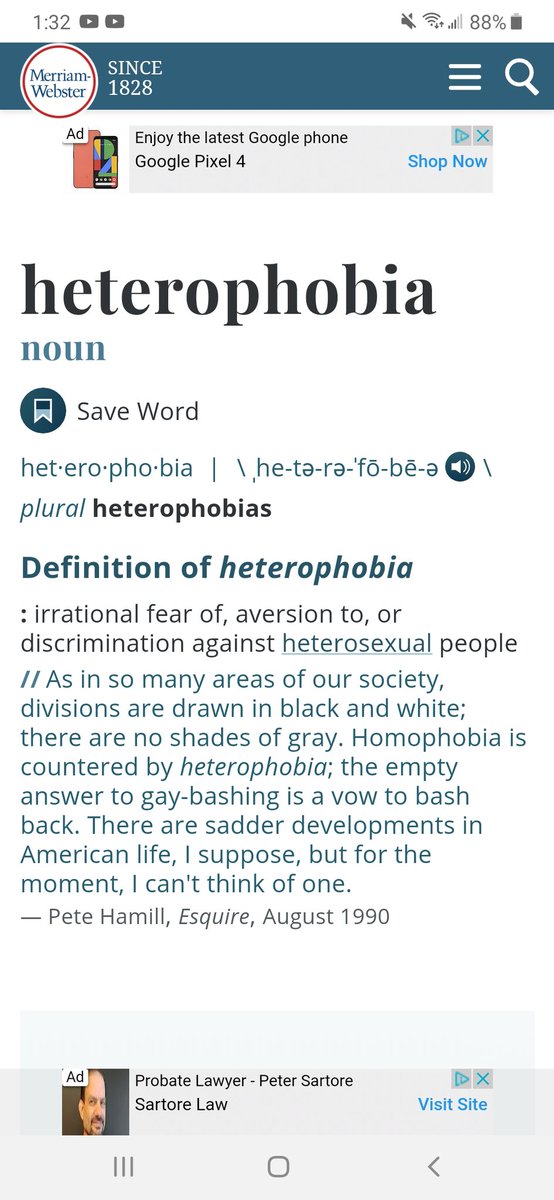
At its core, heterophobia refers to an irrational fear of, aversion to, or discrimination against heterosexual people or heterosexuality. While the term itself is less commonly discussed than other phobias related to minority groups, its underlying principles of prejudice and exclusion can manifest in various ways. Understanding what heterophobia is, and more importantly, how it can be perceived or enacted, is crucial for brands aiming to cultivate an authentic and inclusive image.
The Nuance of “Fear” and “Aversion”
It’s important to distinguish between a genuine phobia, characterized by intense anxiety and avoidance, and broader societal critiques or discomfort with heteronormative assumptions. Heterophobia, in its most extreme form, would involve an irrational and debilitating fear of heterosexual individuals or relationships. However, in a more common, albeit debated, usage, it can describe a negative sentiment or bias that arises in response to or in reaction against perceived societal dominance or privilege associated with heterosexuality. This doesn’t necessarily equate to a systemic oppression of heterosexual individuals, but rather a critical lens applied to a historically dominant social construct.
Heteronormativity and the Concept of “Reverse Discrimination”
The discussion around heterophobia often intersects with the concept of heteronormativity – the assumption that heterosexuality is the default, natural, or preferred orientation. When efforts are made to challenge heteronormative structures and promote other sexual orientations, some individuals may perceive these shifts as a devaluation or marginalization of heterosexuality. This perception, while not always rooted in an objective reality of systemic disadvantage, can fuel sentiments that are labeled as heterophobia. It’s a complex interplay where the dismantling of one norm can, for some, feel like an attack on their own identity or established social order.
Differentiating Criticism from Prejudice
A critical distinction must be made between legitimate criticism of heteronormative societal structures and prejudice against heterosexual individuals. Brands that actively advocate for LGBTQ+ rights, for example, are not engaging in heterophobia. They are challenging a system that has historically privileged heterosexual relationships and identities. However, if such advocacy is framed in a way that demonizes or expresses animosity towards heterosexual people themselves, it could be perceived negatively and inadvertently create alienation. The goal for brands is to champion inclusivity without resorting to or appearing to engage in the very prejudices they aim to dismantle.
Heterophobia’s Tangible Impact on Brand Perception
While the overt expression of heterophobia against heterosexual individuals is not a widespread societal phenomenon in the same way as homophobia or transphobia, the perception of heterophobia, or the misapplication of inclusivity efforts, can significantly impact how a brand is perceived. In a world where consumers increasingly align their purchasing decisions with their values, a brand’s approach to social issues is under intense scrutiny.
The Perils of Perceived Anti-Heterosexual Messaging
Brands that are perceived as being overly critical of heterosexuality, or as actively promoting an anti-heterosexual agenda, risk alienating a broad swathe of potential customers. This is particularly true in markets where heterosexuality remains the dominant and widely accepted norm. Such messaging can be interpreted as alienating, divisive, or even hostile, leading to boycotts, negative social media campaigns, and a loss of market share. The objective for brands should be to foster an environment of acceptance for all sexual orientations, not to create new hierarchies of perceived disadvantage.
Misinterpreted Inclusivity Initiatives
Inclusivity efforts are crucial for modern branding. However, these initiatives can sometimes be misinterpreted or poorly executed. For instance, a campaign solely focused on celebrating LGBTQ+ identities without acknowledging or respecting the broader spectrum of human relationships might, unintentionally, alienate heterosexual individuals who feel their own identities are being overlooked. This isn’t necessarily heterophobia on the part of the brand, but rather a failure to communicate a truly universal message of acceptance. A brand’s messaging needs to be nuanced enough to be inclusive of everyone, without making any group feel excluded or attacked.
The Role of Authenticity and Balance
Authenticity is key to successful brand messaging. Consumers can detect insincerity or performative activism. Brands that embrace diversity and inclusion must do so genuinely. This means understanding the diverse perspectives within their target audience, including those of heterosexual individuals. A balanced approach that celebrates all identities and promotes mutual respect is far more effective than a one-sided or exclusionary message. When a brand consistently demonstrates a commitment to all individuals, regardless of their sexual orientation, it builds trust and strengthens its corporate identity as a responsible and forward-thinking entity.
Navigating the Landscape: Strategies for Inclusive Branding
For brands, understanding and navigating the complexities surrounding heterophobia, or the perception thereof, is essential for building a robust and resilient brand identity. The goal is to foster genuine inclusivity that resonates with a diverse audience without alienating any segment through miscommunication or unintended bias.
Crafting Inclusive Brand Narratives
The foundation of an inclusive brand lies in its narrative. This involves telling stories that reflect the diversity of human experience. Brands should aim to create campaigns and content that celebrate all types of relationships and identities. This means not only highlighting LGBTQ+ narratives but also ensuring that heterosexual relationships are represented respectfully and authentically, as part of a broader tapestry of human connection. The narrative should emphasize shared values and universal human experiences, transcending specific orientations.
Developing Sensitive Marketing Campaigns
Marketing campaigns are often the most visible touchpoint between a brand and its audience. Therefore, sensitivity and careful consideration are paramount. Brands should avoid language or imagery that could be construed as dismissive, judgmental, or hostile towards any group. This includes being mindful of how different sexual orientations are portrayed and ensuring that campaigns promoting one group do not inadvertently marginalize another. Conducting thorough market research and seeking diverse perspectives during the creative process can help mitigate potential misinterpretations.
Building a Culture of Respect Within the Organization
A brand’s external messaging is only as strong as its internal culture. For genuine inclusivity to be reflected in marketing, the organization itself must foster a culture of respect, understanding, and open dialogue. This includes providing diversity and inclusion training, promoting equitable practices, and ensuring that all employees feel valued and heard. When employees understand and embody the principles of inclusivity, it naturally translates into more authentic and effective brand communications. This internal commitment strengthens the brand’s credibility and reputation.
Responding to Criticism and Misunderstandings
No brand is immune to criticism or misunderstandings. When a brand faces accusations related to heterophobia or insensitivity, a swift, transparent, and empathetic response is crucial. This involves listening to feedback, acknowledging valid concerns, and clarifying the brand’s intentions. If an apology or correction is necessary, it should be genuine and demonstrate a commitment to learning and improving. The ability to navigate these challenging situations with grace and integrity can, in fact, strengthen a brand’s reputation by showcasing its commitment to continuous growth and its audience.
The Broader Societal Context and Brand Responsibility
The discussion around heterophobia, while sometimes uncomfortable or controversial, highlights a broader societal dynamic. As societies evolve and challenge long-held norms, there can be shifts in how dominant identities are perceived and how those who have historically held privilege react to these changes. Brands, as influential entities within society, have a unique opportunity and responsibility to navigate these shifts thoughtfully and constructively.
Challenging Dominant Narratives Responsibly
Brands can play a powerful role in challenging dominant, potentially exclusionary, narratives. However, this must be done with nuance and a deep understanding of the potential impact of their messaging. The aim should be to expand understanding and promote acceptance, not to simply invert existing power structures or create new forms of exclusion. A responsible approach involves fostering dialogue, encouraging empathy, and celebrating the richness of human diversity in all its forms.
Fostering Empathy and Understanding
Ultimately, successful brand strategy in the realm of social issues is about fostering empathy and understanding. By creating inclusive narratives and marketing campaigns, brands can help individuals see the world from different perspectives. This process not only benefits marginalized communities but also enriches the understanding and experience of the dominant group. A brand that effectively bridges divides and promotes mutual respect positions itself as a leader in ethical business practices and builds lasting loyalty among a diverse customer base.

The Evolving Landscape of Inclusivity and Brand Identity
The conversation surrounding heterophobia, its manifestations, and its implications for branding is an ongoing one. As societal norms continue to evolve, brands must remain adaptable, informed, and committed to genuine inclusivity. By understanding the nuances of such concepts and proactively shaping their identity and messaging, brands can not only avoid potential pitfalls but also build stronger, more meaningful connections with their audiences, solidifying their position as authentic and responsible corporate citizens in an ever-changing world.
aViewFromTheCave is a participant in the Amazon Services LLC Associates Program, an affiliate advertising program designed to provide a means for sites to earn advertising fees by advertising and linking to Amazon.com. Amazon, the Amazon logo, AmazonSupply, and the AmazonSupply logo are trademarks of Amazon.com, Inc. or its affiliates. As an Amazon Associate we earn affiliate commissions from qualifying purchases.