
The herpes simplex virus (HSV) is a common and persistent viral infection that affects millions worldwide. While often associated with oral or genital lesions, its impact can extend beyond visible symptoms, influencing mental well-being and social interactions. In an era where technology permeates every aspect of our lives, understanding HSV takes on new dimensions, from leveraging digital tools for information and support to navigating the complexities of online discourse and privacy. This article delves into the nature of the herpes simplex virus, exploring its types, transmission, symptoms, and importantly, how its management and societal perception are increasingly intertwined with the digital landscape and the broader themes of technology, brand, and money.
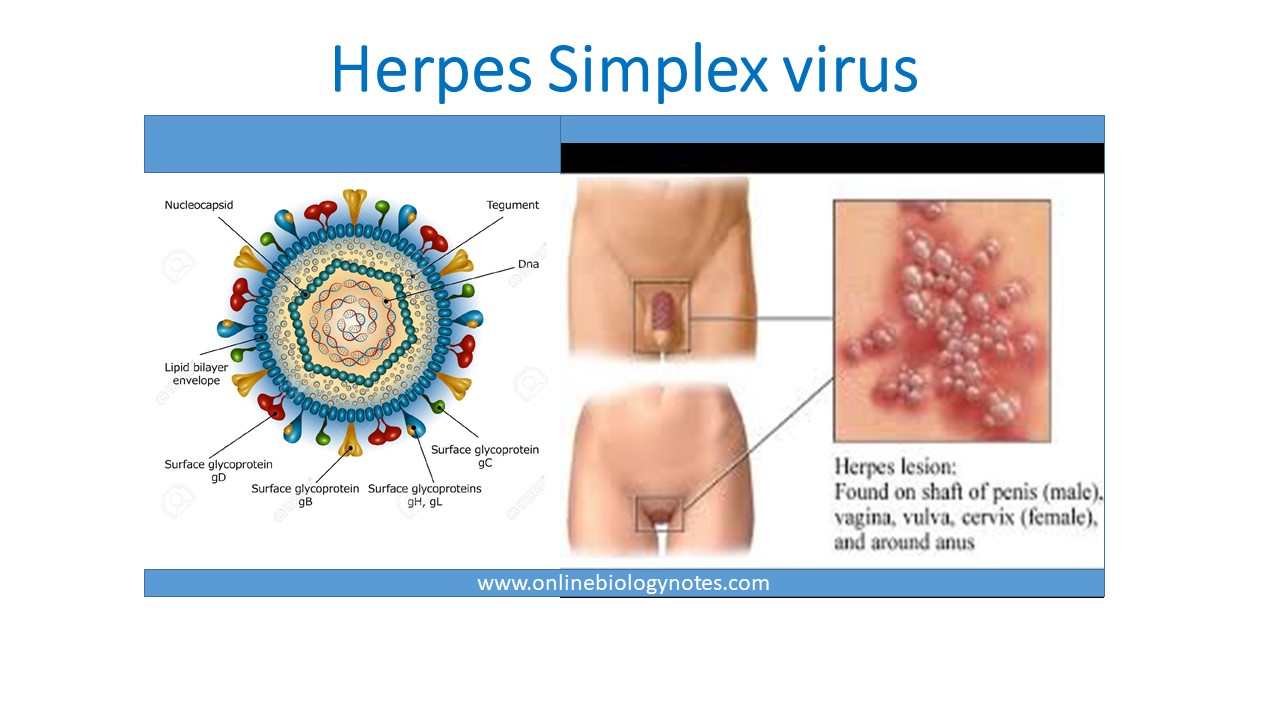
Understanding the Simplex: Types and Transmission of HSV
Herpes simplex virus, a member of the Herpesviridae family, is primarily categorized into two main types: Herpes Simplex Virus Type 1 (HSV-1) and Herpes Simplex Virus Type 2 (HSV-2). Historically, HSV-1 was predominantly linked to oral herpes (cold sores), while HSV-2 was associated with genital herpes. However, with evolving sexual practices and increased oral-genital contact, the lines have blurred, and either type can cause infections in both oral and genital areas.
HSV-1: Beyond the Cold Sore
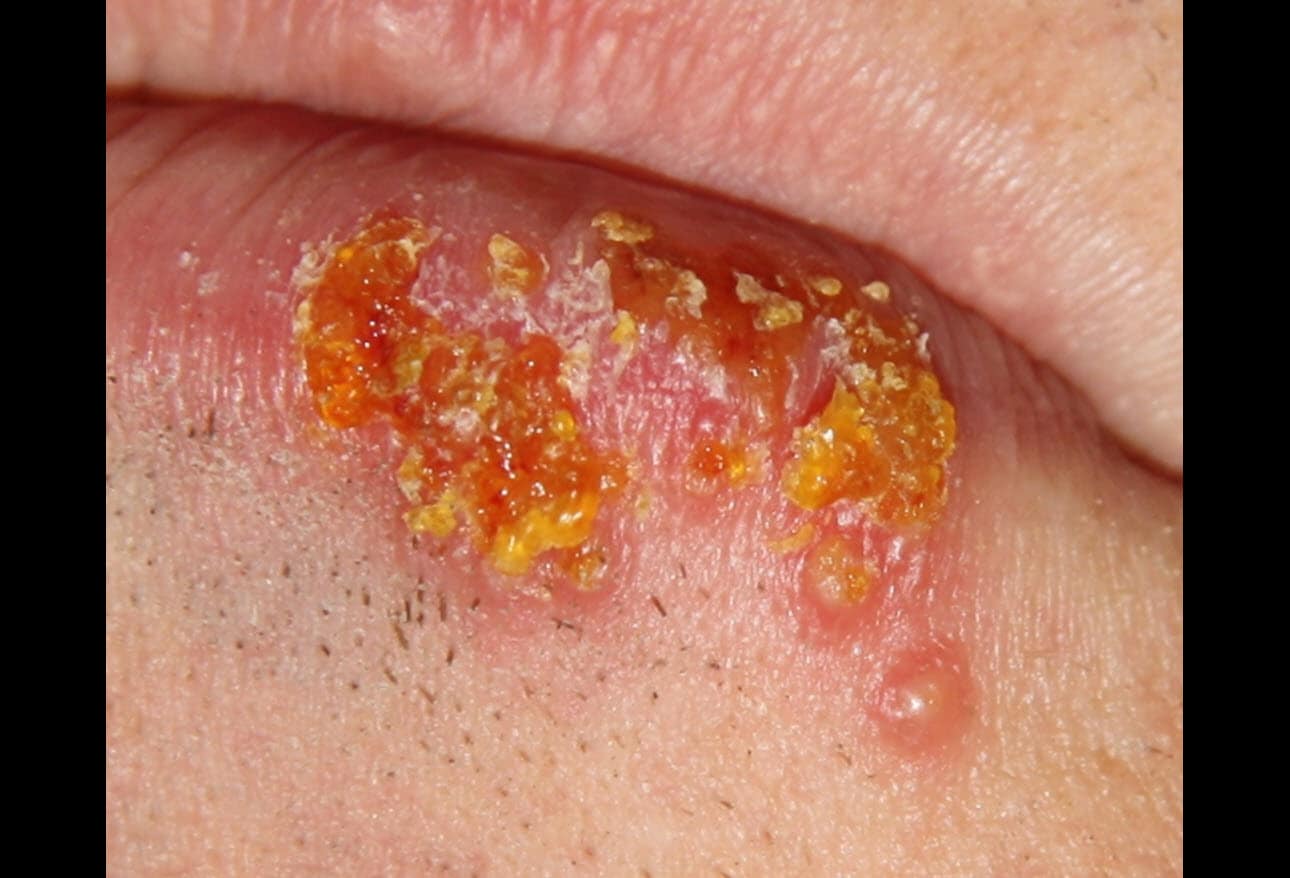
HSV-1 is incredibly common, with a significant portion of the global population estimated to be infected, often asymptomatically, by early adulthood. Transmission typically occurs through direct contact with an infected person’s saliva or sores, even when no visible lesions are present. This can happen through kissing, sharing utensils, or any activity involving oral contact with an infected area. While cold sores are the most recognizable manifestation, HSV-1 can also lead to herpetic whitlow (infections on the fingers) and, in rare cases, herpetic keratitis (eye infection) or herpes simplex encephalitis (a serious brain infection). The ease of transmission, especially in social settings, highlights the importance of personal hygiene and awareness, even in seemingly innocuous interactions.
HSV-2: The Genital Herpes Connection
HSV-2 is primarily transmitted through sexual contact, including vaginal, anal, and oral sex. It is characterized by outbreaks of painful sores in the genital or anal regions. Unlike HSV-1, which often establishes a lifelong latent presence in the trigeminal nerve ganglia, HSV-2 typically resides in the sacral nerve ganglia. While outbreaks are more common and can be more severe with HSV-2, many individuals also experience asymptomatic shedding, meaning the virus can be transmitted even when no symptoms are present. This silent transmission further complicates prevention efforts and underscores the need for open communication and safer sex practices.
The Latent Nature of Herpes: A Lifelong Companion
A key characteristic of both HSV-1 and HSV-2 is their ability to establish a lifelong latent infection. After the initial infection, the virus travels to nerve ganglia where it remains dormant, evading the immune system. Periodically, the virus can reactivate, leading to recurrent outbreaks. These recurrences can be triggered by various factors, including stress, illness, hormonal changes (like menstruation), sun exposure, or trauma to the infected area. Understanding this latent nature is crucial for managing expectations and recognizing that while the virus can be controlled, it cannot be eradicated from the body.
Navigating the Digital Landscape: Tech’s Role in Herpes Management and Awareness
The pervasive influence of technology has significantly altered how we approach health information, support networks, and even our personal branding when dealing with conditions like herpes. From accessing reliable information to finding communities of support, tech plays a multifaceted role.
H2: Digital Health Resources and Self-Care Tech
In the age of the internet, the first port of call for many seeking information about any health concern, including herpes, is online. Reputable health websites, medical journals, and educational platforms offer a wealth of knowledge about HSV. However, the sheer volume of information necessitates critical evaluation, distinguishing scientifically sound advice from misinformation. This is where digital security and critical thinking skills become paramount.
H3: Leveraging AI Tools for Health Information and Support
Artificial intelligence (AI) is increasingly being integrated into healthcare, and this extends to managing conditions like herpes. AI-powered chatbots can provide initial information about HSV symptoms, transmission, and general care advice, acting as accessible first-line resources. While not a substitute for professional medical advice, these tools can help users formulate more informed questions for their healthcare providers. Furthermore, AI can assist in analyzing patterns in personal health data (if users choose to share it) to potentially identify triggers for outbreaks, although robust privacy measures are essential. Apps designed for symptom tracking, medication reminders, and even mood monitoring can empower individuals to take a more proactive approach to their health. The development of sophisticated diagnostic tools, potentially leveraging AI for faster and more accurate identification of HSV strains, also represents a significant technological advancement.
H3: Digital Security and Privacy in Health Conversations
When discussing personal health matters, especially those with potential social stigma, digital security and privacy are non-negotiable. Sharing personal health information online, even in seemingly secure forums, carries inherent risks. Encryption, secure messaging apps, and awareness of data privacy policies are crucial. Individuals managing herpes need to be mindful of who has access to their health information, especially when utilizing health apps or engaging in online support groups. The fear of data breaches or the misuse of personal health data can be a significant barrier to seeking help or sharing experiences, highlighting the need for robust digital security frameworks from both service providers and users.
Herpes and Personal Branding: Navigating Stigma in the Digital Age
The concept of “brand” extends beyond corporations to individuals. Personal branding involves how one presents themselves to the world, and for individuals living with herpes, this can be a complex area, particularly in the digital realm where perceptions can be easily formed and amplified.
H2: The Social Impact and Stigma of Herpes
Herpes simplex virus, despite its prevalence, carries a significant social stigma. This stigma often stems from a lack of understanding about the virus, its transmission, and its largely manageable nature. The association with sexually transmitted infections can lead to feelings of shame, isolation, and discrimination for affected individuals. This is exacerbated in online spaces where judgment can be swift and unforgiving.
H3: Crafting an Authentic Online Presence
For individuals living with herpes, deciding how and if to disclose their status online is a deeply personal choice. The principles of personal branding encourage authenticity, but navigating this authenticity around a condition that carries stigma requires careful consideration. This might involve choosing to focus on aspects of one’s life that are unrelated to their health status, or, for some, actively choosing to de-stigmatize herpes by openly sharing their experiences in a positive and empowering way. This can involve using social media to share accurate information, advocate for better understanding, and connect with others. The key is to control the narrative and present oneself holistically, rather than allowing a single health condition to define their brand.
H3: Building Supportive Online Communities
The digital world also offers powerful avenues for building supportive communities. Online forums, social media groups, and dedicated platforms allow individuals with herpes to connect with others who share similar experiences. These communities provide a safe space for open discussion, emotional support, and the exchange of practical advice. By fostering a sense of belonging and shared understanding, these digital brands of support can counteract the isolation often associated with the condition. These communities can also serve as a powerful force in challenging the stigma by promoting accurate information and normalizing conversations around herpes.
Financial Implications and Opportunities: Money Matters in the Context of Herpes
While not always the most discussed aspect, the financial implications of managing a chronic condition like herpes can be significant. From healthcare costs to potential impacts on income, money is a relevant consideration.

H2: The Cost of Management and Healthcare
Managing herpes involves ongoing costs, including doctor’s visits, prescription antiviral medications, and over-the-counter treatments for symptom relief. While many individuals experience mild symptoms and may not require frequent medical intervention, for others, recurring outbreaks can lead to substantial healthcare expenses. Navigating health insurance, understanding co-pays, and budgeting for these costs are essential aspects of financial planning for individuals with HSV.
H3: Exploring Financial Tools and Resources
For those seeking to manage the financial burden of herpes, various financial tools and resources can be beneficial. Budgeting apps can help track healthcare spending, while investment strategies could potentially help offset long-term medical costs. For those whose outbreaks might impact their ability to work consistently, exploring options for online income or side hustles could provide a more flexible financial cushion. This aligns with the “Money” theme of the website, demonstrating how personal finance principles can be applied to managing a health condition. Researching pharmaceutical assistance programs or exploring generic medication options can also lead to significant savings.
H3: The Economic Impact of Stigma and Disclosure
The stigma surrounding herpes can also have indirect economic consequences. For example, fear of disclosure in a professional setting might influence career choices or limit opportunities for advancement. While this is a more nuanced issue, the broader societal impact of stigma on individuals’ financial well-being cannot be ignored. Promoting open dialogue and accurate education about herpes can contribute to a more inclusive environment where individuals are not penalized financially for their health status. Companies that prioritize employee well-being and offer comprehensive health benefits, including mental health support, can indirectly mitigate some of these financial anxieties.
In conclusion, the herpes simplex virus is a complex and common viral infection that requires ongoing understanding and management. In today’s interconnected world, navigating HSV involves not only medical considerations but also a keen awareness of the technological tools available for information and support, the intricacies of personal branding and social stigma, and the financial implications of chronic health conditions. By embracing reliable digital resources, fostering authentic self-presentation, and employing sound financial planning, individuals can lead fulfilling lives while effectively managing the presence of herpes simplex virus.
aViewFromTheCave is a participant in the Amazon Services LLC Associates Program, an affiliate advertising program designed to provide a means for sites to earn advertising fees by advertising and linking to Amazon.com. Amazon, the Amazon logo, AmazonSupply, and the AmazonSupply logo are trademarks of Amazon.com, Inc. or its affiliates. As an Amazon Associate we earn affiliate commissions from qualifying purchases.