
The liver, a remarkably resilient and vital organ, plays a central role in our overall well-being. It’s a biological powerhouse, tirelessly working to detoxify our bodies, metabolize nutrients, and produce essential proteins. However, like any complex system, the liver is susceptible to a variety of disorders that can significantly impact health. While the title “What are Hepatic Disorders” might initially evoke a purely medical context, in today’s interconnected world, understanding these conditions also involves leveraging technology, strategic branding, and even financial considerations. This article will explore the multifaceted landscape of hepatic disorders, examining their causes, symptoms, and management, all through the lens of how modern advancements and approaches can intersect with liver health.

Understanding the Liver’s Crucial Role
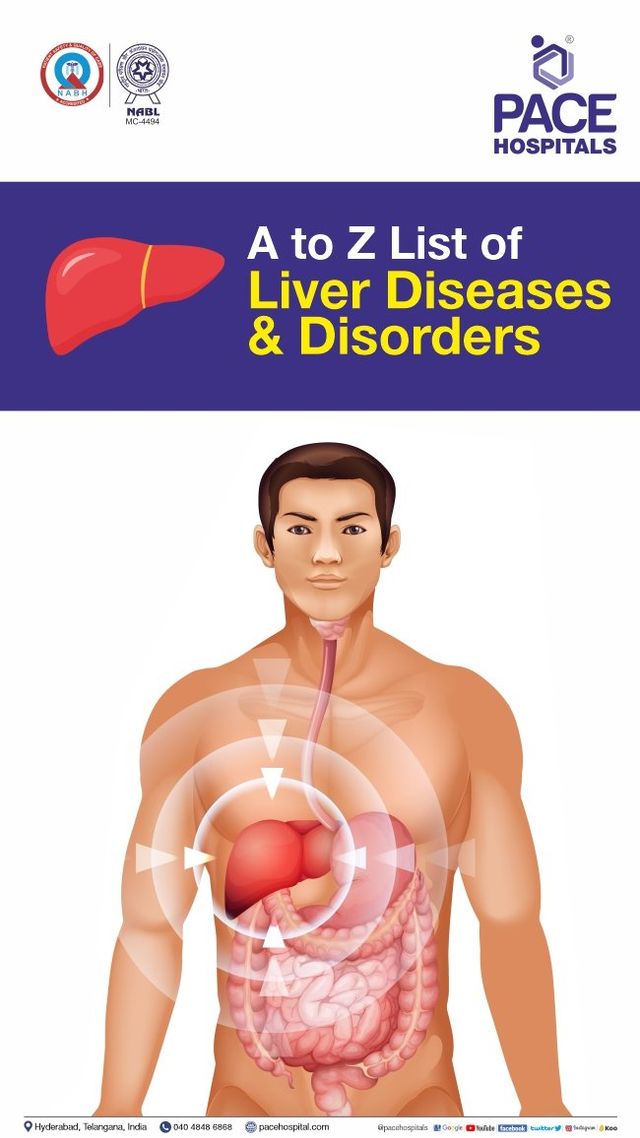
Before delving into disorders, it’s essential to appreciate the liver’s multifaceted functions. This large, reddish-brown organ, located in the upper right quadrant of the abdomen, is a complex chemical factory. Its primary responsibilities include:
- Detoxification: The liver filters blood coming from the digestive tract, removing toxins, metabolic waste products, and drugs before they circulate throughout the body. This includes breaking down alcohol and other harmful substances.
- Metabolism: It processes carbohydrates, fats, and proteins, converting them into forms the body can use for energy, storage, or growth. For instance, it stores glycogen, a form of glucose, for quick energy release.
- Bile Production: The liver produces bile, a fluid essential for digesting fats and absorbing fat-soluble vitamins in the small intestine.
- Protein Synthesis: It synthesizes crucial proteins like albumin, which helps maintain fluid balance in the bloodstream, and clotting factors, vital for preventing excessive bleeding.
- Immune Function: The liver contains specialized immune cells that help identify and fight off infections and diseases.
Given its extensive duties, any impairment to the liver’s function can have far-reaching consequences, affecting virtually every system in the body.
The Diverse Spectrum of Hepatic Disorders
Hepatic disorders, or liver diseases, are a broad category encompassing conditions that damage the liver and impair its ability to function. These can range from acute, short-term illnesses to chronic, lifelong conditions. The causes are equally varied, including infections, genetic predispositions, environmental toxins, autoimmune responses, and lifestyle factors.
Common Causes and Contributing Factors
Understanding the origins of liver disease is the first step towards prevention and effective management. Here are some of the most prevalent causes:
Infections
Viral hepatitis is a leading cause of liver inflammation and damage worldwide. The most common types include:
- Hepatitis A: Typically spread through contaminated food or water, Hepatitis A is an acute infection that usually resolves on its own.
- Hepatitis B: Transmitted through blood, semen, or other body fluids, Hepatitis B can cause both acute and chronic infections. Chronic Hepatitis B is a significant risk factor for liver cirrhosis and cancer.
- Hepatitis C: Primarily spread through blood contact, Hepatitis C often leads to chronic infection and is a major cause of liver cirrhosis and liver cancer.
- Hepatitis D: This virus only infects individuals who are already infected with Hepatitis B.
- Hepatitis E: Similar to Hepatitis A, it’s often spread through contaminated water and is usually acute, though it can be severe in pregnant women.
Beyond viral infections, parasitic and bacterial infections can also affect the liver, though they are less common in developed countries.
Toxins and Medications
The liver’s role in detoxification makes it vulnerable to damage from various toxins and substances:
- Alcohol: Chronic, heavy alcohol consumption is a major cause of alcoholic liver disease, which can progress through stages of fatty liver, alcoholic hepatitis, and cirrhosis.
- Drugs: Many prescription and over-the-counter medications can cause liver damage as a side effect. Acetaminophen (Tylenol) is a common culprit when taken in excessive doses. Other drugs, including certain antibiotics, statins, and chemotherapy agents, can also pose risks.
- Environmental Toxins: Exposure to industrial chemicals, pesticides, and certain natural toxins (like aflatoxins found in moldy foods) can harm the liver.
Autoimmune Diseases
In autoimmune liver diseases, the body’s immune system mistakenly attacks healthy liver cells, leading to inflammation and damage. Key examples include:
- Autoimmune Hepatitis: The immune system attacks liver cells.
- Primary Biliary Cholangitis (PBC): The immune system damages the small bile ducts within the liver.
- Primary Sclerosing Cholangitis (PSC): This condition affects the larger bile ducts, causing inflammation and scarring.
Genetic and Inherited Conditions
Certain genetic disorders can lead to the accumulation of harmful substances in the liver, causing damage over time:
- Hemochromatosis: This condition causes the body to absorb too much iron from the diet, leading to iron overload in the liver and other organs.
- Wilson’s Disease: This rare genetic disorder results in the accumulation of copper in the liver, brain, and other organs.
- Alpha-1 Antitrypsin Deficiency: This genetic condition can lead to lung and liver disease.
Non-Alcoholic Fatty Liver Disease (NAFLD) and Non-Alcoholic Steatohepatitis (NASH)
These conditions are increasingly prevalent and are strongly linked to metabolic syndrome, obesity, type 2 diabetes, and high cholesterol. In NAFLD, fat accumulates in the liver. NASH is a more severe form where fat accumulation is accompanied by inflammation and liver cell damage, which can progress to fibrosis, cirrhosis, and liver cancer.
Liver Cirrhosis
Cirrhosis is not a disease itself but rather the end stage of many chronic liver diseases. It is characterized by severe scarring (fibrosis) of the liver tissue, which disrupts its normal structure and function. This scarring can be caused by any of the conditions mentioned above.
Recognizing the Signs: Symptoms of Hepatic Disorders
The symptoms of hepatic disorders can vary widely depending on the specific condition, its severity, and how long it has been present. Early-stage liver disease may be asymptomatic, making regular check-ups and awareness of risk factors crucial. As the disease progresses, more noticeable symptoms may emerge.
Early and Subtle Signs
In the initial stages, individuals might experience:
- Fatigue and Weakness: A general feeling of tiredness that doesn’t improve with rest.
- Loss of Appetite: A decreased desire to eat, potentially leading to unintentional weight loss.
- Nausea or Vomiting: Feeling sick to the stomach.
- Abdominal Discomfort: A dull ache or discomfort in the upper right abdomen.
Advanced Symptoms
As liver damage becomes more significant, symptoms can become more severe and indicative of impaired liver function:
- Jaundice: A yellowing of the skin and the whites of the eyes, caused by the buildup of bilirubin, a waste product that the liver normally processes.
- Abdominal Swelling (Ascites): Fluid accumulation in the abdominal cavity, leading to a distended belly.
- Swelling in the Legs and Ankles (Edema): Fluid retention in the extremities.
- Dark Urine and Pale Stools: Changes in the color of urine and feces are related to bilirubin processing.
- Itching (Pruritus): Persistent and often severe itching of the skin.
- Easy Bruising and Bleeding: Due to the liver’s reduced production of clotting factors.
- Confusion, Drowsiness, and Slurred Speech (Hepatic Encephalopathy): A serious complication where toxins build up in the bloodstream and affect brain function.
- Spider Angiomas: Small, spider-like blood vessels that appear on the skin, particularly on the face and chest.
Navigating Liver Health in the Digital Age: Tech, Brand, and Money
While the medical aspects of hepatic disorders are paramount, our modern lives present unique opportunities and challenges in managing this health concern, intersecting with technology, branding, and financial planning.
Leveraging Technology for Liver Health
The tech landscape offers powerful tools and resources that can significantly aid in understanding, preventing, and managing hepatic disorders:
- AI-Powered Diagnostics and Research: Artificial intelligence is revolutionizing medical diagnostics. AI algorithms are being developed to analyze medical images (like ultrasounds or MRIs) for early detection of liver abnormalities, identify patterns in patient data to predict disease progression, and accelerate drug discovery for liver diseases. Researchers are using AI to sift through vast datasets to understand the genetic and environmental factors contributing to liver disorders.
- Wearable Technology and Health Apps: Wearable devices can track vital signs, sleep patterns, and activity levels, providing valuable data that can be shared with healthcare providers. Numerous health apps offer personalized diet and exercise plans, medication reminders, and symptom trackers, empowering individuals to take a more proactive role in their health. For those at risk or managing liver conditions, these tools can help monitor key indicators like blood sugar and weight, crucial for managing NAFLD/NASH.
- Telemedicine and Remote Monitoring: The rise of telemedicine allows for virtual consultations with liver specialists, particularly beneficial for individuals in remote areas or those with mobility issues. Remote monitoring systems can track specific health parameters at home, enabling timely intervention if complications arise.
- Educational Platforms and Digital Resources: Websites, online courses, and educational videos provide accessible information about liver health, risk factors, and preventive measures. Platforms offering tutorials on healthy cooking, exercise routines, and stress management can indirectly support liver health by promoting overall well-being.
- Digital Security and Data Privacy: As more health data is digitized, ensuring the security and privacy of this sensitive information is paramount. Robust digital security practices are essential to protect patient records from breaches, fostering trust in digital health solutions.
The Role of Branding and Awareness
The way information about hepatic disorders is communicated and perceived can greatly influence public awareness, early detection, and patient engagement.
- Public Health Campaigns and Digital Storytelling: Effective branding of public health messages can raise awareness about liver diseases, their causes, and preventive strategies. Compelling case studies and personal stories shared through digital channels can resonate with audiences, encouraging them to seek medical advice or adopt healthier lifestyles.
- Personal Branding for Healthcare Professionals: Doctors and researchers can leverage personal branding to establish credibility and share valuable insights on liver health. This can involve creating informative content, participating in online discussions, and building a trusted online presence.
- Corporate Social Responsibility (CSR) in Healthcare: Companies, particularly in the pharmaceutical or health tech sectors, can implement CSR initiatives focused on liver health. This can involve funding research, supporting patient advocacy groups, or launching awareness campaigns, enhancing their brand reputation while contributing to public good.
- Designing for Clarity and Accessibility: The design of educational materials, whether websites, apps, or brochures, plays a crucial role in their effectiveness. Clear, concise, and visually appealing designs ensure that information about liver health is easily understood by a broad audience, including those with lower health literacy.
Financial Considerations and Planning for Liver Health
Managing chronic conditions, including hepatic disorders, has significant financial implications, requiring strategic planning and resource management.
- Insurance and Healthcare Costs: Understanding health insurance coverage for liver disease screenings, treatments, and medications is vital. Proactive financial planning can help offset the costs associated with ongoing medical care, including doctor’s visits, lab tests, and potential hospitalizations.
- Investing in Preventative Care: While seemingly an upfront cost, investing in preventative measures – such as regular health check-ups, vaccinations (like Hepatitis B), and maintaining a healthy lifestyle – can be financially prudent in the long run by reducing the likelihood of developing costly liver diseases.
- Income and Lifestyle Adjustments: For individuals diagnosed with severe liver disease, the ability to work may be affected, necessitating income diversification strategies or exploring side hustles that accommodate their health status. This might involve leveraging digital platforms for freelance work or online businesses.
- Financial Tools for Medical Expenses: Various financial tools and resources can assist in managing medical expenses. This could include flexible spending accounts (FSAs), health savings accounts (HSAs), patient assistance programs offered by pharmaceutical companies, and community support services.
- Business Finance for Health-Related Ventures: For entrepreneurs in the health tech or wellness sectors focusing on liver health, understanding business finance is crucial for securing funding, managing investments, and ensuring the sustainability of their ventures.
Conclusion
Hepatic disorders represent a complex and significant health challenge, impacting millions globally. While the core of understanding and managing these conditions remains medical, our digital age offers unprecedented avenues for proactive engagement. By embracing technological advancements for early detection and personalized management, utilizing strategic branding to foster awareness and education, and thoughtfully considering the financial implications, individuals can navigate the complexities of liver health with greater efficacy. A holistic approach, integrating medical expertise with the power of technology, effective communication, and sound financial planning, is key to promoting liver well-being and improving the quality of life for those affected by hepatic disorders.
aViewFromTheCave is a participant in the Amazon Services LLC Associates Program, an affiliate advertising program designed to provide a means for sites to earn advertising fees by advertising and linking to Amazon.com. Amazon, the Amazon logo, AmazonSupply, and the AmazonSupply logo are trademarks of Amazon.com, Inc. or its affiliates. As an Amazon Associate we earn affiliate commissions from qualifying purchases.