
Hemoglobin. It’s a word we often hear in the context of blood tests, health reports, and general well-being. But what exactly does hemoglobin mean? While its most direct association is with the color of our blood and the delivery of oxygen, understanding hemoglobin’s significance stretches far beyond a simple biological definition. In fact, a deeper dive into its functions and implications reveals connections to various aspects of our lives, from the technology that helps us monitor it to the personal branding we cultivate around our health, and even the financial implications of maintaining optimal levels.
The Biological Cornerstone: What is Hemoglobin?
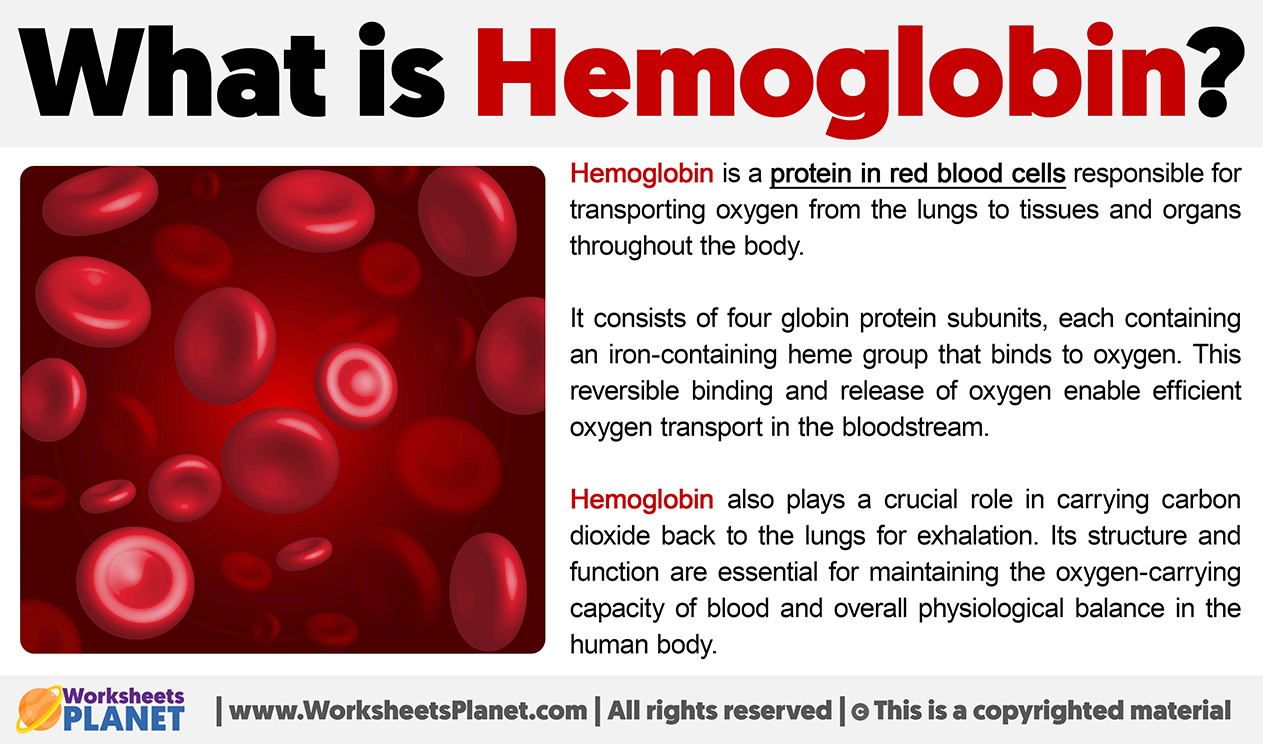
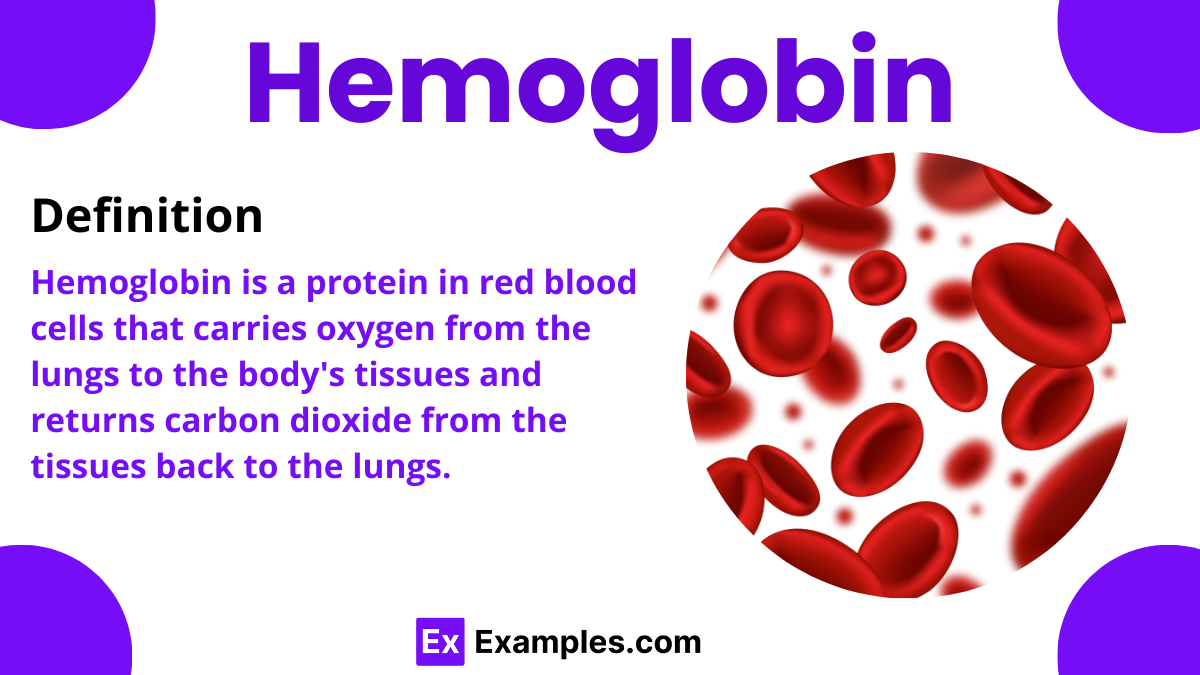
At its core, hemoglobin is a protein found within red blood cells. Its primary and most vital role is to transport oxygen from the lungs to the body’s tissues and organs. Without hemoglobin, our cells would quickly starve of the oxygen necessary for cellular respiration – the process that generates energy for life. But hemoglobin’s responsibilities don’t end there. It also plays a crucial role in the removal of carbon dioxide, a waste product of cellular metabolism, from the tissues and its transport back to the lungs for exhalation.
The Molecular Marvel: Structure and Function
Hemoglobin is a complex molecule, a tetramer composed of four protein subunits: two alpha-globin chains and two beta-globin chains. Each of these globin chains is bound to a heme group, a ring-like structure containing an iron atom. It is this iron atom that is the key player, capable of reversibly binding with oxygen molecules. A single red blood cell can contain millions of hemoglobin molecules, highlighting the sheer capacity for oxygen transport within our circulatory system.
The efficiency of hemoglobin’s oxygen binding is remarkable. In the lungs, where oxygen concentration is high, hemoglobin readily binds to oxygen, becoming oxygenated hemoglobin (oxyhemoglobin). As blood circulates to tissues where oxygen levels are lower, hemoglobin releases its oxygen load, facilitating cellular function. This dynamic interaction is finely tuned by factors such as pH, carbon dioxide levels, and temperature, ensuring that oxygen is delivered precisely where and when it’s needed.
Types of Hemoglobin: A Developmental and Genetic Landscape
While adult hemoglobin (HbA) is the most prevalent type, the human body produces different forms of hemoglobin throughout different life stages and due to genetic variations. Fetal hemoglobin (HbF) is dominant during fetal development and has a higher affinity for oxygen, which is crucial for extracting oxygen from the mother’s bloodstream across the placenta. After birth, HbF production significantly decreases, and HbA takes over.
Genetic mutations can lead to the production of abnormal hemoglobins, leading to a spectrum of inherited blood disorders. The most well-known of these is sickle cell anemia, caused by a mutation in the beta-globin gene that results in hemoglobin molecules clumping together under low oxygen conditions, deforming red blood cells into a sickle shape. This can lead to blocked blood flow, pain, organ damage, and other serious complications. Understanding these variations underscores the critical importance of proper hemoglobin function for overall health.
Hemoglobin in the Digital Age: Tech’s Role in Monitoring and Understanding
The relevance of hemoglobin extends into the realm of technology. In today’s data-driven world, sophisticated tools and devices are making it easier than ever to monitor our health, including our hemoglobin levels. This technological integration is transforming how we approach personal health management.
Innovations in Diagnostics: From Lab to Lifestyle
Historically, measuring hemoglobin involved a simple blood draw sent to a laboratory. While still the gold standard for many diagnostic purposes, advancements in medical technology have introduced more accessible and immediate methods. Pulse oximetry, a non-invasive technique, can provide an estimate of oxygen saturation in the blood, which is indirectly related to hemoglobin’s oxygen-carrying capacity. While it doesn’t directly measure hemoglobin concentration, it offers a quick snapshot of oxygen delivery.
More advanced portable devices are emerging that aim to provide more direct hemoglobin measurements. These technologies leverage various optical principles to analyze blood composition without the need for a traditional venipuncture. For individuals managing chronic conditions, athletes seeking to optimize performance, or anyone interested in proactive health monitoring, these innovations offer a convenient way to track key health indicators.
AI and Data Analytics: Unlocking Deeper Insights
Artificial intelligence (AI) and sophisticated data analytics are revolutionizing how we interpret health information, including hemoglobin data. By integrating hemoglobin readings with other biometric data – such as heart rate, activity levels, and sleep patterns – AI algorithms can identify trends, predict potential health issues, and offer personalized recommendations. For instance, AI-powered health apps can analyze fluctuations in hemoglobin over time and correlate them with lifestyle factors, prompting users to investigate underlying causes like iron deficiency or dehydration.
Furthermore, AI is playing a role in improving the accuracy and efficiency of diagnostic tools themselves. Machine learning models are being trained on vast datasets of blood samples and corresponding health outcomes to enhance the precision of hemoglobin estimations from various non-invasive technologies. This fusion of biology and data science is paving the way for a more predictive and personalized approach to healthcare.
Digital Security and Privacy in Health Data
As we increasingly rely on digital tools for health monitoring, the importance of digital security and data privacy becomes paramount. When sharing personal health information, including hemoglobin levels, with apps, wearables, or online platforms, ensuring that this data is protected from unauthorized access is crucial. Robust encryption, secure user authentication, and transparent data privacy policies are essential considerations for both users and developers in the burgeoning field of digital health.
Hemoglobin and Personal Branding: Cultivating a Healthy Identity
While not a direct synonym, the concept of “hemoglobin” can be metaphorically linked to personal branding, particularly in the context of health and well-being. Our physical health is a fundamental aspect of our identity, and how we manage and present it contributes to our overall personal brand.
Proactive Health as a Personal Asset
In a society that increasingly values vitality and well-being, maintaining optimal hemoglobin levels can be seen as a proactive investment in one’s personal brand. It signals discipline, self-care, and a commitment to living life to its fullest. This extends beyond simply avoiding illness; it’s about optimizing energy levels, mental clarity, and physical performance – all attributes that enhance one’s presence and capabilities in both personal and professional spheres.
Communicating Health Choices: Transparency and Authenticity
Just as a strong brand relies on authentic communication, openly discussing health choices and challenges can foster connection and build trust. While sensitive personal health information should always be handled with care, sharing experiences related to managing conditions like anemia or making lifestyle changes to improve health can resonate with others and build a relatable personal narrative. This isn’t about oversharing, but about using one’s health journey to connect and inspire.
The “Red Thread” of Health in Your Brand
Consider hemoglobin as the metaphorical “red thread” running through your personal brand, representing the foundational energy and vitality that underpins all your endeavors. When this thread is strong and vibrant, it supports and enhances every other aspect of your personal brand – your professional achievements, your relationships, your creative pursuits. Conversely, when it’s weak, it can cast a shadow over everything else. Therefore, prioritizing the health of this “red thread” is an integral part of crafting a compelling and sustainable personal brand.
The Financial Implications of Hemoglobin Health
The significance of hemoglobin also touches upon financial considerations. From the cost of diagnostic tests and treatments to the impact of poor health on earning potential, understanding the financial landscape of hemoglobin-related health is important.
Investing in Health: The Economic Value of Well-being
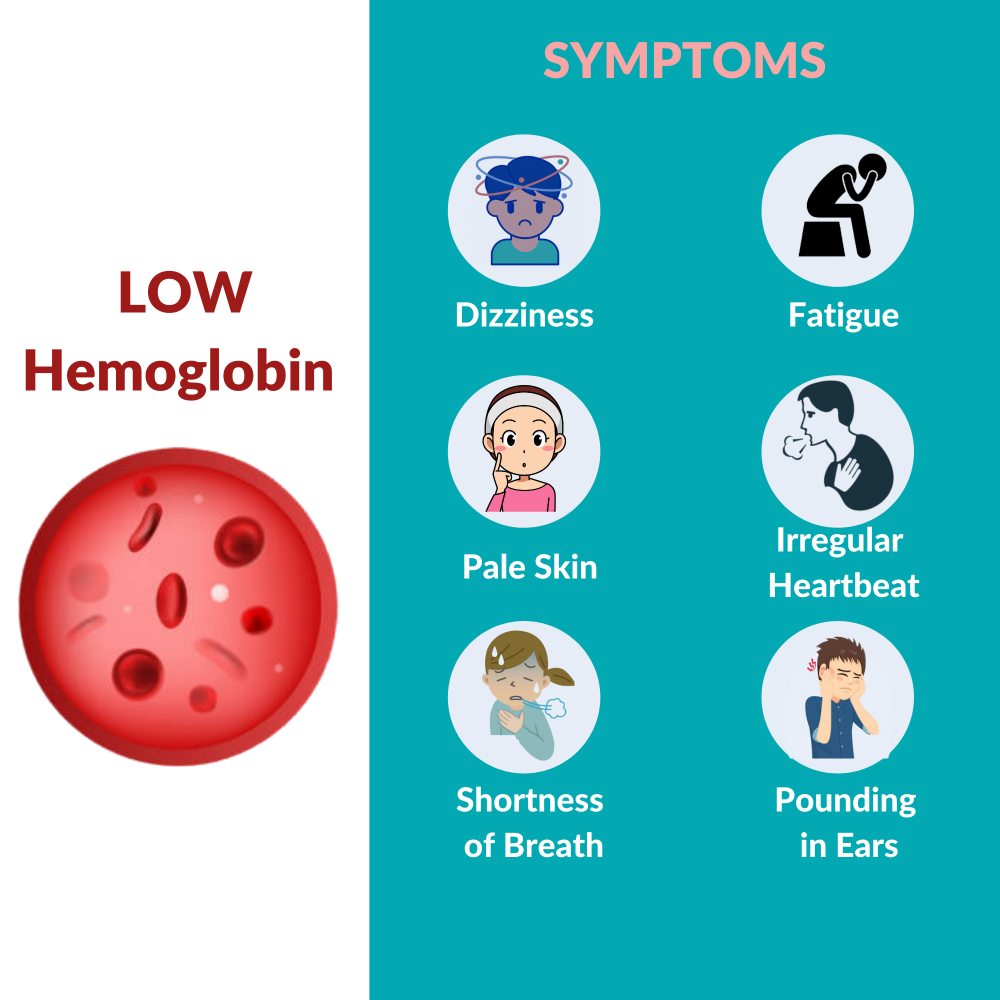
Maintaining healthy hemoglobin levels can be viewed as an investment with a significant return. When individuals are healthy, they are more productive, have fewer sick days, and can pursue opportunities more effectively. This directly translates to potential for higher earnings and greater financial stability. Conversely, chronic low hemoglobin levels can lead to fatigue, reduced cognitive function, and increased healthcare costs, all of which can negatively impact one’s financial well-being.
Healthcare Costs and Insurance
Diagnosing and treating conditions related to abnormal hemoglobin levels can incur substantial healthcare costs. This includes doctor’s visits, blood tests, medications, and potentially more complex medical interventions. Health insurance plays a crucial role in mitigating these expenses, making regular check-ups and access to necessary treatments more affordable. Understanding your insurance coverage and proactively managing your health can help prevent costly medical emergencies down the line.
Side Hustles and Performance: The Energy Equation
For those engaged in online income generation, side hustles, or entrepreneurial ventures, optimal hemoglobin levels are essential for sustained energy and focus. The ability to work long hours, stay sharp, and persevere through challenges directly impacts the success of these endeavors. A deficiency in hemoglobin can severely hamper performance, limiting the potential for generating additional income. Therefore, ensuring adequate iron intake and healthy red blood cell production is an indirect but powerful financial strategy for those looking to maximize their earning potential.
Conclusion: A Multifaceted Understanding of Hemoglobin
In conclusion, the question “what is hemoglobin means” opens the door to a multifaceted understanding that extends far beyond its basic biological function. From its intricate molecular structure that enables life-sustaining oxygen transport to the technological advancements that empower us to monitor it, hemoglobin is deeply interwoven with our modern lives. Furthermore, the proactive management of our hemoglobin health contributes to a robust personal brand, signaling vitality and a commitment to well-being. Finally, the financial implications, from healthcare costs to earning potential, underscore the economic value of maintaining this vital protein. By appreciating hemoglobin’s diverse roles, we gain a more comprehensive perspective on our health, our identity, and our financial future.
aViewFromTheCave is a participant in the Amazon Services LLC Associates Program, an affiliate advertising program designed to provide a means for sites to earn advertising fees by advertising and linking to Amazon.com. Amazon, the Amazon logo, AmazonSupply, and the AmazonSupply logo are trademarks of Amazon.com, Inc. or its affiliates. As an Amazon Associate we earn affiliate commissions from qualifying purchases.