
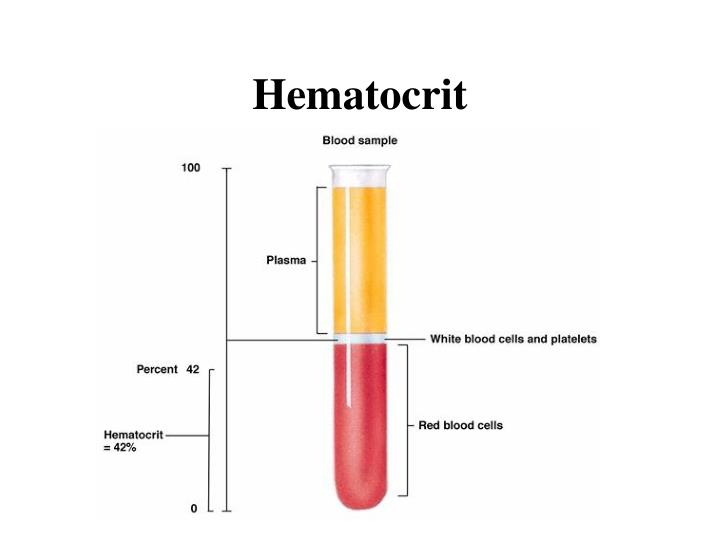
In the rapidly evolving landscape of digital health, the term “hematocrit” has transitioned from a manual laboratory measurement to a sophisticated data point central to the “Software as a Medical Device” (SaMD) revolution. To understand what hematocrit means in the context of modern technology is to explore the intersection of fluid dynamics, algorithmic processing, and the Internet of Medical Things (IoMT). Historically, measuring the volume percentage of red blood cells in a blood sample required manual centrifugation and visual estimation. Today, this vital metric is the product of high-throughput sensors and complex software architectures that form the backbone of precision medicine.

As we move toward a future defined by personalized health insights, the digital interpretation of hematocrit is becoming a cornerstone for AI-driven diagnostics, remote patient monitoring, and the engineering of non-invasive sensors. This shift represents a broader trend in the tech sector: the transformation of biological matter into actionable digital assets.
The Algorithmic Definition of Hematocrit: From Physical Samples to Data Objects
In the world of medical software and laboratory information systems (LIS), hematocrit is no longer just a physical ratio; it is a calculated variable derived through sophisticated digital signal processing. Modern automated analyzers utilize two primary technological methods to determine this value: electronic impedance and optical light scatter.
Electronic Impedance and Pulse Height Analysis
The Coulter Principle, a foundational technology in hematology, leverages electronic impedance to count and size cells. When a blood sample is pulled through a micro-aperture, each cell creates a change in electrical resistance. The “tech” behind this involves high-speed digital converters that translate these resistance pulses into data points. The software calculates the Mean Corpuscular Volume (MCV) by analyzing the height of these pulses. Hematocrit is then derived via an algorithm: (Red Blood Cell Count × MCV) / 10. This transition from direct physical measurement to algorithmic derivation allows for a level of precision and speed that was previously unattainable in clinical settings.
Optical Flow Cytometry and Laser Technology
Advanced diagnostic hardware now utilizes flow cytometry, where cells pass through a laser beam. The light scattered by these cells is captured by photodetectors and processed by proprietary software. These systems use light-scatter patterns to determine cell volume and hemoglobin concentration simultaneously. For tech developers in the med-tech space, the challenge lies in the calibration of these sensors to account for “noise” in the biological signal, ensuring that the digital output accurately reflects the patient’s physiological state.
AI and Machine Learning: Moving Beyond the Percentage
The true power of hematocrit data in the current tech ecosystem lies in how Artificial Intelligence (AI) and Machine Learning (ML) interpret these numbers. A standalone hematocrit percentage provides a snapshot, but AI allows for longitudinal analysis and predictive modeling.
Predictive Analytics in Clinical Decision Support
Machine learning models are now being trained on vast datasets of Complete Blood Count (CBC) results. By feeding millions of anonymized hematocrit data points into neural networks, developers are creating tools that can predict the onset of conditions like anemia or polycythemia weeks before they manifest clinically. These AI tools analyze hematocrit in conjunction with other variables—such as reticulocyte counts and red cell distribution width (RDW)—to identify subtle patterns that the human eye might miss.
Automated Flagging Systems
Software integration in hospital networks now includes intelligent flagging systems. When a hematocrit value falls outside a predefined digital threshold, the system doesn’t just alert the physician; it cross-references the data with the patient’s electronic health record (EHR), checks for recent surgical procedures or medication changes, and provides a tiered risk assessment. This is a prime example of how “Big Data” is being distilled into “Smart Data” at the point of care.
Hardware Innovations: Microfluidics and Point-of-Care Tech
The miniaturization of laboratory equipment is one of the most significant trends in tech today. The goal is to move the “hematocrit meaning” from the centralized lab to the palm of the hand through point-of-care (POC) devices and microfluidic chips.
Lab-on-a-Chip (LoC) Technology
Microfluidic technology allows for the manipulation of minute amounts of fluids—microliters or even nanoliters—within etched channels on a silicon or plastic chip. For hematocrit measurement, this means a single drop of blood from a finger prick can be analyzed using on-chip sensors. This hardware relies on integrated circuits and micro-electromechanical systems (MEMS) to provide near-instantaneous results. The implications for tech-enabled home care are massive, allowing patients with chronic conditions to monitor their blood health with the same ease as checking their glucose levels.
The Frontier of Non-Invasive Sensors
Perhaps the most ambitious area of development is the creation of non-invasive sensors for hematocrit monitoring. Tech giants and startups are experimenting with multi-wavelength optical sensors—similar to those used for pulse oximetry—to estimate hematocrit through the skin. By analyzing how different wavelengths of light are absorbed by the blood flowing through capillaries, these devices aim to eliminate the need for needles entirely. While still in the refinement phase, the integration of these sensors into consumer wearables like smartwatches would represent a paradigm shift in how we interact with our biological data.
Telemedicine and the Integration of Blood Metrics into Digital Ecosystems
As the healthcare industry undergoes a digital transformation, the way hematocrit data is shared and stored has become a critical focus for software developers and system architects.
Cloud-Native Hematology Platforms
Modern diagnostic tools are increasingly cloud-native, meaning the data generated by a blood analyzer is immediately uploaded to a secure cloud environment. This allows for real-time collaboration between primary care physicians, hematologists, and patients. Tech companies are building comprehensive dashboards that visualize hematocrit trends over time, providing a user-friendly interface that empowers patients to understand their “vital signs” without needing a medical degree.
Interoperability and Fast Healthcare Interoperability Resources (FHIR)
A major technical hurdle in healthcare is interoperability—ensuring that a hematocrit result from Lab A can be read and interpreted by Hospital B’s software. The adoption of FHIR standards is solving this by creating a unified language for health data. This allows for the seamless flow of hematocrit metrics across different platforms, apps, and insurance providers, creating a truly connected health ecosystem.
Cybersecurity Challenges in the Storage of Biomarker Data
With the digitization of blood metrics comes the immense responsibility of data security. Hematocrit levels, while seemingly innocuous, are part of a patient’s sensitive biological profile. As biometric data becomes a target for cyberattacks, the tech industry is implementing advanced security measures to protect this information.
Encryption and Blockchain in Med-Tech
To prevent unauthorized access to laboratory results, developers are utilizing end-to-end encryption for data in transit and at rest. Some cutting-edge platforms are even exploring blockchain technology to create immutable records of blood tests. By decentralizing the storage of hematocrit data, these systems ensure that a patient’s health history remains private and tamper-proof.
Compliance with Digital Privacy Regulations
Navigating the regulatory landscape—such as HIPAA in the United States or GDPR in Europe—is a mandatory requirement for any software company dealing with hematocrit data. The “tech” here isn’t just in the code; it’s in the sophisticated permission structures and audit trails built into the software to ensure that only authorized personnel can view a patient’s red blood cell volume.

The Future: Digital Twins and Personalized Blood Baselines
The ultimate trajectory of hematocrit technology is the creation of “Digital Twins.” A digital twin is a virtual representation of a patient’s physiological state, updated in real-time with data from wearables and lab tests.
In this scenario, “what hematocrit means” becomes entirely personalized. Instead of comparing a patient’s results to a broad population average, the software compares the current data to the patient’s own historical “digital baseline.” If a high-performance athlete’s hematocrit drops by 3%, the system—recognizing this deviation through AI—can flag potential overtraining or nutritional deficiencies long before symptoms appear.
This integration of biology and technology represents the pinnacle of modern software engineering. By treating blood components as data streams, we are unlocking new possibilities for human longevity and performance. The meaning of hematocrit has evolved from a simple percentage into a complex, digital narrative of human health, powered by the most advanced tools the tech industry has to offer.
aViewFromTheCave is a participant in the Amazon Services LLC Associates Program, an affiliate advertising program designed to provide a means for sites to earn advertising fees by advertising and linking to Amazon.com. Amazon, the Amazon logo, AmazonSupply, and the AmazonSupply logo are trademarks of Amazon.com, Inc. or its affiliates. As an Amazon Associate we earn affiliate commissions from qualifying purchases.