
A helicopter stands as one of humanity’s most ingenious technological achievements, a marvel of engineering that defies gravity to achieve vertical flight, hover, and multi-directional movement. Unlike fixed-wing aircraft, which rely on forward speed to generate lift, a helicopter harnesses the power of rotating blades to create its own airflow, offering unparalleled operational flexibility. At its core, a helicopter is an intricate system of mechanical, aerodynamic, and electronic components working in concert to provide a unique form of aerial mobility. Understanding “what is a helicopter” means delving into the fundamental principles that govern its flight, the sophisticated technological systems that enable its operation, and the continuous evolution that shapes its future.

Unpacking the Engineering Marvel: Principles of Rotary Flight
The ability of a helicopter to lift off, hover, and maneuver is rooted in complex aerodynamic principles applied through its unique design. The primary mechanism involves one or more large horizontal rotors, each typically comprising two or more blades, which act as rotating wings.
Aerodynamic Fundamentals: Lift, Drag, Thrust, and Weight in Vertical Ascent
For a helicopter to achieve vertical flight, it must generate sufficient lift to overcome its weight. This lift is created by the main rotor system. As the rotor blades spin, their airfoil shape interacts with the air, generating an aerodynamic force. The angle at which the blade meets the air, known as the angle of attack, is crucial. By adjusting this angle, the pilot can increase or decrease the amount of lift produced. When the total lift generated by the rotor system exceeds the helicopter’s weight, the aircraft ascends. Conversely, reducing lift causes descent. Forward movement, or thrust, is achieved by tilting the rotor disk, allowing a component of the lift vector to pull the helicopter horizontally. Drag, the resistive force, is continuously managed through blade design and overall aerodynamic shaping of the fuselage.
The Main Rotor System: A Symphony of Blades and Control
The main rotor system is the heart of a helicopter’s flight capability. It consists of the rotor blades, the hub, and the intricate control mechanisms that allow precise manipulation of the blades’ pitch. Each blade is designed as an airfoil, much like an airplane wing, to generate lift. The blades are connected to a central hub, which is driven by the helicopter’s engine through a gearbox.
The critical technological innovation lies in the ability to individually control the pitch of each rotor blade as it rotates. This is achieved through the swashplate assembly, a sophisticated mechanical device comprising a stationary swashplate and a rotating swashplate. Control inputs from the pilot (cyclic and collective controls) are translated into movements of the stationary swashplate, which then transmits these movements to the rotating swashplate via a bearing. Pushrods connect the rotating swashplate to the pitch links, which in turn adjust the pitch of individual blades.
- Collective Pitch Control: This control simultaneously changes the pitch angle of all main rotor blades by the same amount, increasing or decreasing the total lift produced, thereby controlling vertical ascent or descent.
- Cyclic Pitch Control: This control selectively changes the pitch of individual blades as they rotate around the mast. For instance, increasing the pitch of a blade as it moves over the tail and decreasing it as it moves over the nose causes the rotor disk to tilt forward, generating forward thrust. This allows for horizontal movement in any direction (forward, backward, left, or right) and attitude control.
Counteracting Torque: The Essential Role of the Anti-Torque System
A fundamental challenge in helicopter design arises from Newton’s third law of motion. As the main rotor spins in one direction, it creates an equal and opposite reactive torque on the fuselage, causing the body of the helicopter to want to spin in the opposite direction. Without a system to counteract this torque, the helicopter would be uncontrollable.
The most common solution is the tail rotor, a smaller rotor mounted vertically on the tail boom. Its blades generate thrust horizontally, pushing against the torque and stabilizing the fuselage. The pilot controls the thrust of the tail rotor using rudder pedals, which adjust the pitch of its blades, thereby controlling the helicopter’s yaw (rotation around its vertical axis).
Other anti-torque systems include the Fenestron (a ducted fan tail rotor integrated into the tail boom, offering improved safety and reduced noise), the NOTAR (NO TAil Rotor) system which uses a fan inside the tail boom to blow air through slots, leveraging the Coandă effect to create anti-torque force, and coaxial rotor systems, where two main rotors spin in opposite directions on concentric shafts, inherently canceling out torque without a separate tail rotor. Each system represents a different engineering approach to a critical flight control problem, with varying benefits in terms of efficiency, noise, and complexity.
The Technological Core: Key Components and Systems
Beyond the fundamental principles, a helicopter’s capability is underpinned by a suite of advanced technological systems. These systems integrate mechanical power, precise control, and digital intelligence to ensure safe and efficient operation.
Powering the Ascent: Engines and Drive Trains
The energy source for a helicopter is typically one or more turboshaft engines. These gas turbine engines are favored for their high power-to-weight ratio, reliability, and relatively compact size compared to piston engines of equivalent power. A turboshaft engine converts fuel into rotational energy, which is then delivered to the main rotor and tail rotor through a complex drive train.
The drive train is a crucial piece of engineering, responsible for transmitting power from the engine(s) to the rotors at the correct rotational speeds. It includes a series of gearboxes. The main gearbox, in particular, reduces the high RPM of the engine to the much lower RPM required by the main rotor blades while also providing power to accessories and, in most cases, the tail rotor drive shaft. This gearbox is a marvel of metallurgical and precision engineering, designed to operate under immense stress while being lubricated and cooled effectively.
Precision Control: Understanding the Flight Control System
The flight control system is the interface between the pilot and the complex mechanical actions required for flight. Modern helicopters utilize a sophisticated array of linkages, hydraulic systems, and increasingly, electronic interfaces.
- Hydraulic Actuators: Due to the immense aerodynamic forces acting on the rotor blades, directly manipulating the controls would require excessive pilot effort. Hydraulic actuators convert small pilot inputs into powerful forces needed to move the swashplate and tail rotor pitch links. This system is often redundant for safety, with multiple hydraulic pumps and circuits.
- Fly-by-Wire (FBW) Systems: Advanced helicopters are adopting FBW technology, where pilot inputs are converted into electrical signals that are processed by flight control computers. These computers then send commands to electro-hydraulic actuators. FBW systems offer numerous advantages: reduced pilot workload, enhanced stability and maneuverability, the ability to integrate flight envelope protection, and easier customization for different flight conditions or mission profiles. This represents a significant shift from purely mechanical linkages to a digitally mediated control loop.
Digital Intelligence: Avionics and Navigation Technology
Modern helicopters are packed with an extensive suite of avionics (aviation electronics) that provide pilots with critical information and assist in navigation, communication, and systems management. This digital intelligence is paramount for safe and effective operations, especially in challenging environments or complex airspace.
- Glass Cockpits: Traditional analog gauges have largely been replaced by multi-function displays (MFDs) that present flight information, engine parameters, navigation data, and system status digitally. These “glass cockpits” enhance situational awareness, reduce clutter, and allow for customizable information presentation.
- Integrated Navigation Systems: GPS (Global Positioning System) is a standard component, often integrated with Inertial Navigation Systems (INS) and terrain awareness and warning systems (TAWS). These systems provide precise location, speed, and altitude data, enabling accurate flight planning and execution, even in adverse weather.
- Communication and Surveillance: Digital radio systems, satellite communication, and transponders (like ADS-B Out/In for Automatic Dependent Surveillance-Broadcast) ensure seamless communication with air traffic control and other aircraft, enhancing airspace safety and traffic management.
- Autopilots and Flight Management Systems (FMS): Advanced autopilots can maintain altitude, heading, airspeed, and even execute complex flight profiles. FMS units integrate navigation databases, flight planning capabilities, and performance calculations, significantly reducing pilot workload and optimizing flight efficiency.
- Sensor Technology: Many helicopters are equipped with advanced sensors such as weather radar, electro-optical/infrared (EO/IR) cameras for surveillance and night vision, and even lidar systems for terrain mapping, extending their operational capabilities in diverse missions.
The Evolution of a Vertical Innovator: From Early Concepts to Modern Machines
The helicopter’s journey from theoretical concept to indispensable flying machine is a testament to relentless technological innovation, overcoming immense engineering challenges through centuries of visionary thinking and practical application.
Pioneering Visions: Early Designs and Mechanical Challenges
The concept of vertical flight dates back to ancient China with the “flying top” toy. Leonardo da Vinci famously sketched an “aerial screw” in the 15th century, envisioning a machine that could generate lift through rotation. However, practical rotary-wing flight remained elusive for centuries due to limitations in power generation, material science, and control mechanisms. Early attempts in the late 19th and early 20th centuries struggled with issues of stability and inadequate engine power. Pioneers like Paul Cornu (who achieved the first manned free flight in 1907) and Igor Sikorsky made critical advancements, but it wasn’t until the 1930s and 40s that helicopters began to achieve practical utility, with Sikorsky’s VS-300 in 1940 often cited as the first successful single-main-rotor helicopter.
Material Science and Manufacturing Advancements
A significant driver of helicopter evolution has been the continuous improvement in material science and manufacturing techniques. Early helicopters were built primarily from steel and aluminum, which limited their performance due to weight and fatigue issues.
- Composite Materials: Modern helicopters extensively use advanced composite materials such as carbon fiber, fiberglass, and aramid fibers (like Kevlar). These materials offer a superior strength-to-weight ratio, improved fatigue resistance, and greater design flexibility. Blades, fuselages, and structural components crafted from composites result in lighter, stronger, and more fuel-efficient aircraft with extended service lives.
- Advanced Manufacturing: Precision manufacturing processes, including CNC machining, robotic assembly, and additive manufacturing (3D printing), enable the creation of complex, lightweight, and highly durable components with unparalleled accuracy, contributing to better performance and reduced maintenance.
Digital Integration: Fly-by-Wire and Automated Systems
The integration of digital technology has revolutionized helicopter design and operation. As discussed, Fly-by-Wire (FBW) systems have replaced mechanical linkages, offering greater precision, responsiveness, and the ability to incorporate sophisticated flight control laws. These systems allow for:
- Stability Augmentation: Computers can automatically make minor adjustments to maintain stability, reducing pilot workload, especially in turbulence or challenging maneuvers.
- Flight Envelope Protection: FBW systems can prevent the pilot from exceeding the aircraft’s operational limits, enhancing safety.
- Automated Flight Modes: From advanced autopilots capable of executing complex search patterns to automatic hover systems, digital integration enables higher levels of automation, freeing pilots to focus on mission objectives rather than constant aircraft control.
The Future of Vertical Mobility: Emerging Technologies and Concepts
The technological trajectory of helicopters is rapidly evolving, driven by demands for greater efficiency, reduced environmental impact, enhanced safety, and expanded operational envelopes.
Electric Propulsion and Hybrid Designs
One of the most transformative areas of research is the development of electric and hybrid-electric propulsion systems.
- Electric Vertical Take-off and Landing (eVTOL) Aircraft: These emerging designs, often resembling multi-rotor drones but scaled for passenger transport, promise quieter, cleaner, and potentially more affordable urban air mobility. While not traditional helicopters in appearance, they leverage similar principles of powered vertical lift.
- Hybrid-Electric Helicopters: Integrating electric motors with traditional turboshaft engines can offer benefits like improved fuel efficiency, reduced emissions, and “quiet mode” operations, where only electric power is used for short durations. The challenges include battery energy density, thermal management, and robust power distribution systems.
Autonomous Flight and AI Integration
The progression towards fully autonomous helicopters is a key area of research, leveraging advancements in artificial intelligence, machine learning, and advanced sensor fusion.
- Enhanced Autonomy: Future systems will move beyond autopilot functions to enable helicopters to perform complex missions with minimal human intervention, including automated navigation through complex airspace, obstacle avoidance, and adaptive mission planning in dynamic environments.
- AI for Maintenance and Diagnostics: AI-powered predictive maintenance systems can analyze vast amounts of sensor data from aircraft components to predict potential failures, reducing downtime and improving safety.
- Human-Machine Teaming: AI is also being explored to assist pilots in decision-making, manage complex systems, and enhance situational awareness, moving towards a paradigm of human-machine collaboration rather than full replacement.
Advanced Aerodynamics and Noise Reduction Solutions
Continuous innovation in aerodynamics aims to improve efficiency and reduce the environmental footprint of helicopters.
- Active Rotor Control: Technologies like active flaps or individual blade control can dynamically adjust blade pitch and shape in real-time to optimize aerodynamic performance, reduce vibration, and significantly decrease noise levels.
- Advanced Blade Designs: New airfoil shapes, tip designs, and variable geometry blades are being developed to improve lift efficiency, reduce drag, and further suppress noise during various flight regimes.
- Noise-Reducing Fuselage and Engine Technologies: Research focuses on designing quieter engines, improved exhaust systems, and aerodynamically optimized fuselages to minimize noise propagation, making helicopters more acceptable for urban operations.
The Impact of Vertical Flight Technology Across Industries
The inherent versatility and unique capabilities of helicopters, stemming from their advanced technology, have made them indispensable tools across a multitude of sectors globally. Their ability to access remote locations, hover with precision, and operate without runways provides solutions where no other vehicle can.
Enhancing Emergency Services and Public Safety
Helicopters are critical assets for emergency services, often being the fastest means of response in life-or-death situations.
- Medical Evacuation (MEDEVAC/HEMS): Air ambulances equipped with advanced medical technology rapidly transport critically injured patients from accident scenes or remote areas to hospitals, significantly improving survival rates.
- Search and Rescue (SAR): Equipped with advanced sensors like FLIR (Forward-Looking Infrared) and powerful searchlights, helicopters conduct vital search and rescue operations over land and sea, often in challenging conditions.
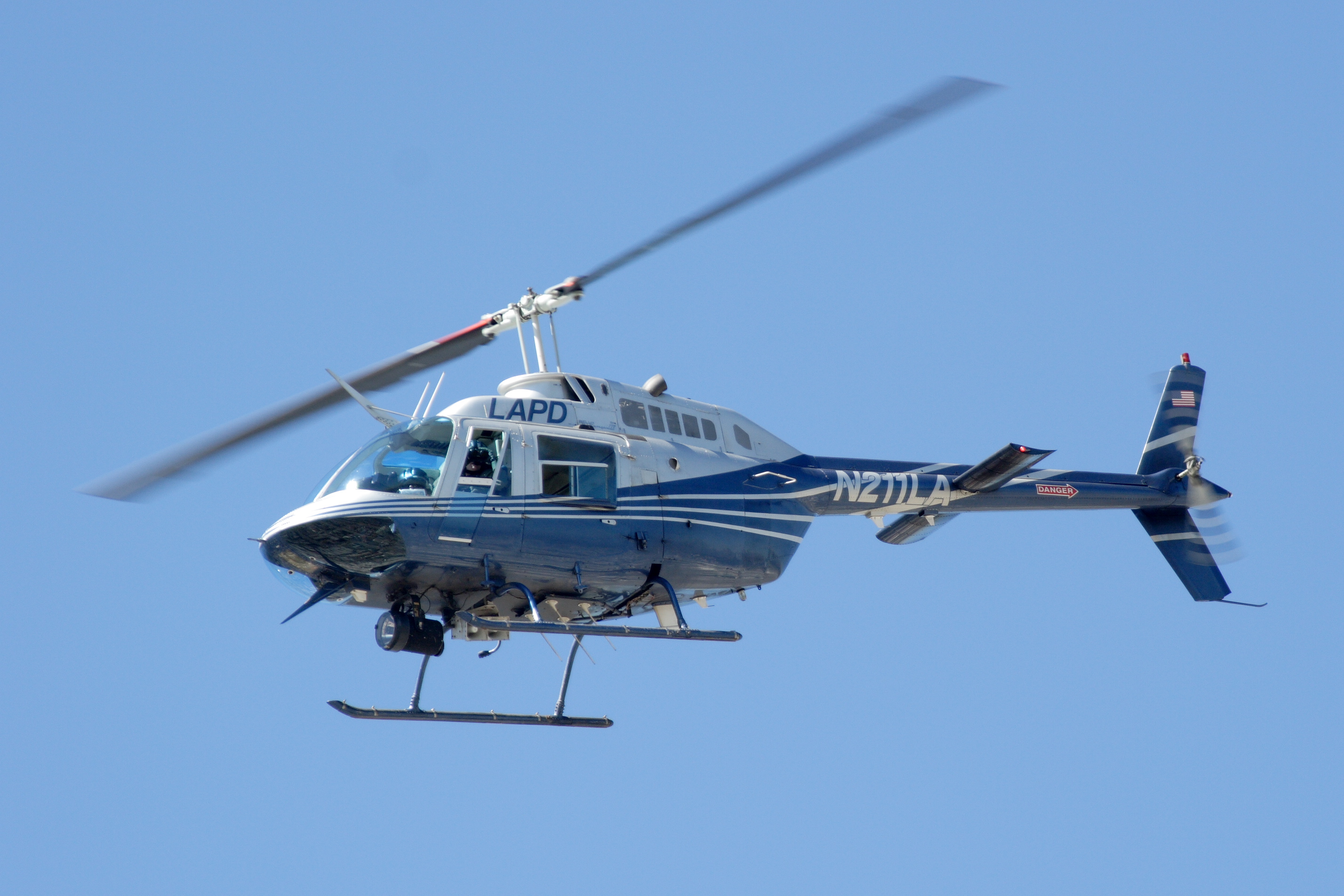
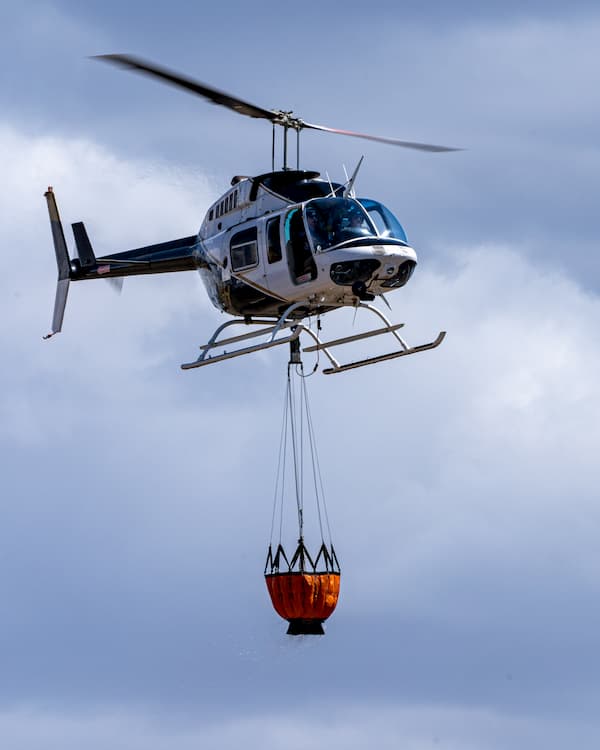
- Law Enforcement and Firefighting: Police helicopters provide aerial surveillance, pursuit capabilities, and tactical support. Firefighting helicopters, often equipped with water buckets or tanks, play a crucial role in suppressing wildfires, especially in inaccessible terrain.
Revolutionizing Logistics and Remote Access
The capacity for vertical take-off and landing makes helicopters ideal for logistics in environments where conventional infrastructure is lacking.
- Offshore Operations: They are essential for transporting personnel and equipment to offshore oil and gas platforms, wind farms, and research vessels.
- Remote Construction and Infrastructure Maintenance: Helicopters are used for lifting heavy loads (long-lining) to construct power lines, cell towers, and remote cabins, or to deliver supplies to isolated communities.
- Disaster Relief: In the wake of natural disasters, when roads are impassable, helicopters are often the first responders, delivering aid, evacuating victims, and assessing damage.
Strategic Military Capabilities and Reconnaissance
Militaries worldwide heavily rely on helicopters for a diverse range of strategic and tactical missions, leveraging their unique flight characteristics.
- Attack Helicopters: Heavily armed gunships provide close air support for ground troops, anti-tank capabilities, and aerial escort, equipped with sophisticated targeting systems and weapon platforms.
- Transport and Utility: Utility helicopters move troops, cargo, and equipment, providing essential logistical support in combat zones and humanitarian operations.
- Reconnaissance and Surveillance: Equipped with advanced sensor suites, electronic warfare systems, and communication platforms, reconnaissance helicopters provide critical intelligence gathering, battle damage assessment, and command and control functions.
- Anti-Submarine Warfare (ASW): Naval helicopters are crucial for detecting and tracking submarines, deploying sonobuoys and torpedoes, extending the reach and capability of naval fleets.
The helicopter, from its initial conception to its future iterations, represents a pinnacle of technological innovation, constantly pushing the boundaries of what is possible in vertical flight. Its foundational principles, intricate engineering, and continuous evolution through advanced materials, digital systems, and propulsion technologies ensure its enduring role as a vital tool across critical global applications.
aViewFromTheCave is a participant in the Amazon Services LLC Associates Program, an affiliate advertising program designed to provide a means for sites to earn advertising fees by advertising and linking to Amazon.com. Amazon, the Amazon logo, AmazonSupply, and the AmazonSupply logo are trademarks of Amazon.com, Inc. or its affiliates. As an Amazon Associate we earn affiliate commissions from qualifying purchases.