
When reviewing a Complete Blood Count (CBC) report, patients are often confronted with a series of acronyms and numerical values that can feel overwhelming. Among the most critical components of this panel is HCT, which stands for Hematocrit. Understanding what this metric signifies is essential for monitoring your overall health, as it provides a direct window into the composition of your blood and how effectively your body is transporting oxygen to your tissues.
Understanding the Physiology of Hematocrit
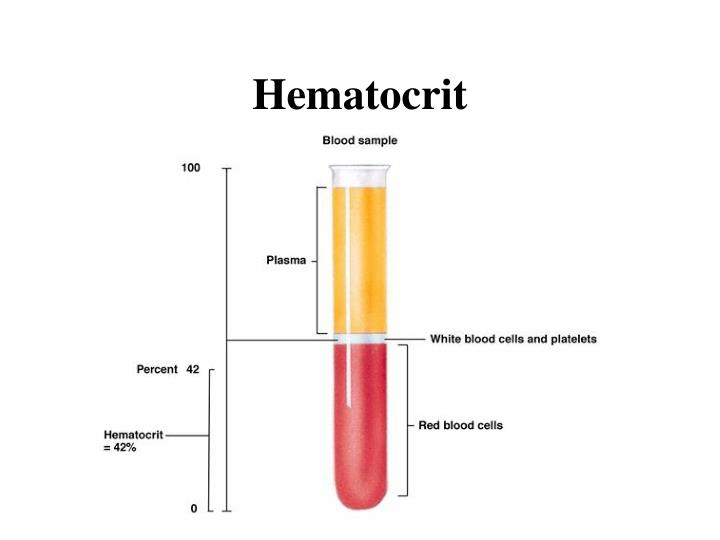
At its core, hematocrit is a measurement of the volume percentage of red blood cells (RBCs) in your blood. The term itself is derived from the Greek words for “blood” and “to separate,” reflecting the laboratory process of spinning a blood sample in a centrifuge to separate the cellular components from the plasma.

The Role of Red Blood Cells
Red blood cells are the workhorses of the circulatory system. They contain hemoglobin, an iron-rich protein that binds to oxygen in the lungs and delivers it to every cell in the body. Hematocrit serves as a proxy for the total concentration of these cells. When a doctor looks at your HCT value, they are essentially looking at the density of your “oxygen-delivery fleet.”
Plasma vs. Cellular Components
Blood is not a homogeneous liquid; it is a suspension. If you were to take a vial of blood and allow it to settle, the heavier components—the red blood cells—would sink to the bottom, while the white blood cells and platelets would form a thin “buffy coat” layer, and the pale, yellowish plasma would remain at the top. The hematocrit is specifically the ratio of the volume occupied by the packed red blood cells compared to the total volume of the blood sample.
Interpreting HCT Values and Clinical Ranges
Because hematocrit represents a percentage, the values provided on your lab report are typically expressed as a percentage (e.g., 42%). If the report lists the value as a decimal (e.g., 0.42), it simply represents that percentage as a fraction.
Standard Reference Ranges
While laboratory reference ranges can vary slightly depending on the specific facility, general guidelines for adults are as follows:
- Adult Men: Typically range from 40% to 54%.
- Adult Women: Typically range from 36% to 48%.
These differences exist largely due to physiological variations, including hormonal factors such as testosterone, which stimulates the production of red blood cells. It is important to note that these ranges are population averages; a value slightly outside of these bounds may not necessarily indicate a disease state, but rather a normal variation for an individual’s unique biology.
Factors Influencing Your Results
Your hematocrit is a dynamic number. It is not static and can be influenced by a variety of external and internal factors:
- Hydration Levels: This is the most common cause of temporary fluctuations. If you are dehydrated, your plasma volume decreases, which leads to a falsely elevated hematocrit percentage because the red blood cells are more concentrated. Conversely, being over-hydrated can cause a “dilutional” effect, leading to a lower reading.
- Altitude: People living at high altitudes often have naturally higher hematocrit levels. The thinner air at higher elevations forces the body to produce more red blood cells to compensate for the lower oxygen availability, thereby increasing the oxygen-carrying capacity of the blood.
- Recent Blood Loss: Acute blood loss, whether through injury or donation, will lead to a decrease in hematocrit as the blood volume is temporarily reduced or replenished with fluids that lack cellular components.
Clinical Implications: High vs. Low HCT
When a hematocrit value falls significantly outside the normal range, it serves as a clinical signpost that prompts further investigation. A physician will rarely diagnose a condition based on hematocrit alone; instead, they will analyze it alongside hemoglobin levels, red blood cell counts, and symptoms.
Identifying Low Hematocrit (Anemia)
A low hematocrit is the hallmark of anemia. This indicates that your blood is not carrying enough oxygen to meet the metabolic demands of your tissues. Common symptoms include persistent fatigue, shortness of breath, dizziness, and pale skin.
Low hematocrit can be caused by several underlying issues:
- Nutritional Deficiencies: Lack of iron, Vitamin B12, or folate—all of which are essential building blocks for red blood cells—can hinder production.
- Chronic Disease: Conditions such as kidney disease or autoimmune disorders can suppress the bone marrow’s ability to produce blood cells.
- Hemorrhage: Internal or external bleeding is the most immediate cause of a dropping hematocrit.
Identifying High Hematocrit (Polycythemia)
A high hematocrit, or polycythemia, means your blood is “thickened.” This condition can increase the risk of blood clots, as the blood is more viscous and moves more slowly through the vessels.
Causes of elevated hematocrit include:
- Primary Polycythemia (Polycythemia Vera): A rare disorder of the bone marrow that causes it to produce too many red blood cells.
- Chronic Hypoxia: Smoking, sleep apnea, or chronic obstructive pulmonary disease (COPD) can cause the body to produce extra red blood cells to fight the chronic lack of oxygen.
- Dehydration: As previously mentioned, severe fluid loss is the most common non-pathological cause of elevated readings.
Diagnostic Context and Next Steps
Viewing your HCT value in isolation is often misleading. To form a complete picture of your hematological health, clinicians look at the “CBC triad”: hemoglobin, hematocrit, and red blood cell count.
The Relationship Between Hemoglobin and Hematocrit
Hemoglobin and hematocrit are intrinsically linked. In fact, if the sample is healthy, the hematocrit value is usually roughly three times the hemoglobin value. If this ratio is significantly disrupted, it can provide clues about the size and health of the red blood cells themselves. For example, if the hematocrit is low but the red blood cells are abnormally small, it may suggest iron-deficiency anemia. If the cells are abnormally large, it may point toward a Vitamin B12 or folate deficiency.

When to Consult a Specialist
If your lab results indicate a consistent deviation from the norm, your primary care physician may refer you to a hematologist—a specialist focused on blood disorders. Before concluding that a result is problematic, your doctor will likely ask about your lifestyle. Are you a high-performance athlete? Did you just return from a trip to the mountains? Are you currently taking medications or supplements?
Effective management of hematological health is proactive. By understanding what HCT represents, you are better equipped to discuss your lab results with your healthcare provider, identify lifestyle adjustments that might be necessary, and appreciate the complex biological systems that keep your body oxygenated and functioning. Regular check-ups are the best insurance policy for ensuring that your blood counts remain within a range that supports vitality and long-term health. Always remember that lab values are tools for guidance, not final verdicts; they are best interpreted through the lens of your medical history and current wellness journey.
aViewFromTheCave is a participant in the Amazon Services LLC Associates Program, an affiliate advertising program designed to provide a means for sites to earn advertising fees by advertising and linking to Amazon.com. Amazon, the Amazon logo, AmazonSupply, and the AmazonSupply logo are trademarks of Amazon.com, Inc. or its affiliates. As an Amazon Associate we earn affiliate commissions from qualifying purchases.