
The global economic landscape is currently undergoing a seismic shift as trade policies, once characterized by the push for unfettered globalization, move toward a more protectionist and strategic framework. At the center of this transformation are tariffs—taxes imposed by a government on imported goods. For investors, business owners, and consumers, the question of “what is happening with the tariffs” is not merely a matter of geopolitical curiosity; it is a fundamental concern regarding profit margins, investment returns, and the purchasing power of the dollar.
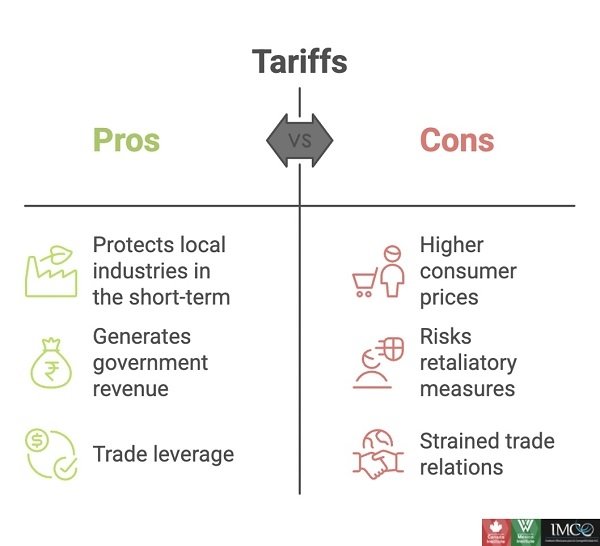
Understanding the current state of tariffs requires looking beyond the headlines. We are witnessing a transition from a world of “just-in-time” supply chains to “just-in-case” resilience, where trade barriers are increasingly used as tools for economic security. This shift has profound implications for business finance and personal wealth management.
The Structural Shift in Global Trade Policy
For decades, the prevailing economic wisdom suggested that lowering trade barriers would lead to universal prosperity through the principle of comparative advantage. However, recent years have seen a departure from this consensus. Governments are increasingly utilizing tariffs to protect domestic industries, secure critical supply chains, and address trade imbalances.
The Rise of Strategic Protectionism
Unlike the broad-based tariffs of the early 20th century, modern trade barriers are often surgical. They target specific sectors—such as electric vehicles, semiconductors, and green energy components—that are deemed vital for future economic dominance. By raising the cost of imported goods in these sectors, governments aim to incentivize domestic production. For the business financier, this means that the “low-cost provider” model is being challenged by a “secure-supply” model, which often carries a higher price tag.
Reshoring and Nearshoring Trends
The financial pressure exerted by tariffs has accelerated the trends of reshoring (bringing manufacturing back to the home country) and nearshoring (moving production to a nearby country with favorable trade agreements). From a business finance perspective, this involves massive capital expenditure (CAPEX) as companies build new facilities closer to their end markets. While these moves reduce the risk of future tariff hikes, they often involve higher labor and construction costs, which must be factored into long-term financial modeling.
Corporate Bottom Lines: How Businesses Are Absorbing Costs
When a tariff is implemented, someone has to pay the bill. In the world of business finance, there are three primary ways a company can respond to increased import costs: absorbing the cost, improving operational efficiency, or passing the cost to the consumer.
Margin Compression vs. Price Hikes
For many corporations, the immediate impact of new tariffs is margin compression. If a company operates in a highly competitive market, it may be unable to raise prices without losing market share. In this scenario, the cost of the tariff comes directly out of the net profit. Analysts must look closely at “cost of goods sold” (COGS) to identify which firms are most vulnerable to fluctuating trade duties. Conversely, companies with strong brand equity and “moats” often have the pricing power to pass these costs directly to consumers, protecting their margins at the expense of volume.
Supply Chain Diversification as a Financial Strategy
The “China Plus One” strategy has become a standard in corporate treasury and supply chain management. By diversifying manufacturing across multiple countries—such as Vietnam, India, or Mexico—businesses can mitigate the risk of being caught in a trade war between two specific nations. However, this diversification is not free. It requires complex logistics, different legal frameworks, and often, higher administrative overhead. The financial trade-off is between the “insurance” of a diversified supply chain and the efficiency of a centralized one.
The Role of Duty Drawbacks and Exemptions
Savvy financial departments are increasingly utilizing duty drawback programs—refunds of certain duties, internal revenue taxes, and certain fees collected upon the importation of goods. Navigating the legal and financial bureaucracy of tariff exemptions has become a specialized skill set within corporate finance, allowing firms to recover significant capital that would otherwise be lost to trade barriers.
Investing in a High-Tariff Environment
For the individual investor and the institutional fund manager, tariffs introduce a layer of volatility that requires a rethink of traditional portfolio construction. Trade policy can create “winners” and “losers” overnight, making it essential to understand the sectoral impact of these taxes.
Sectoral Winners and Losers
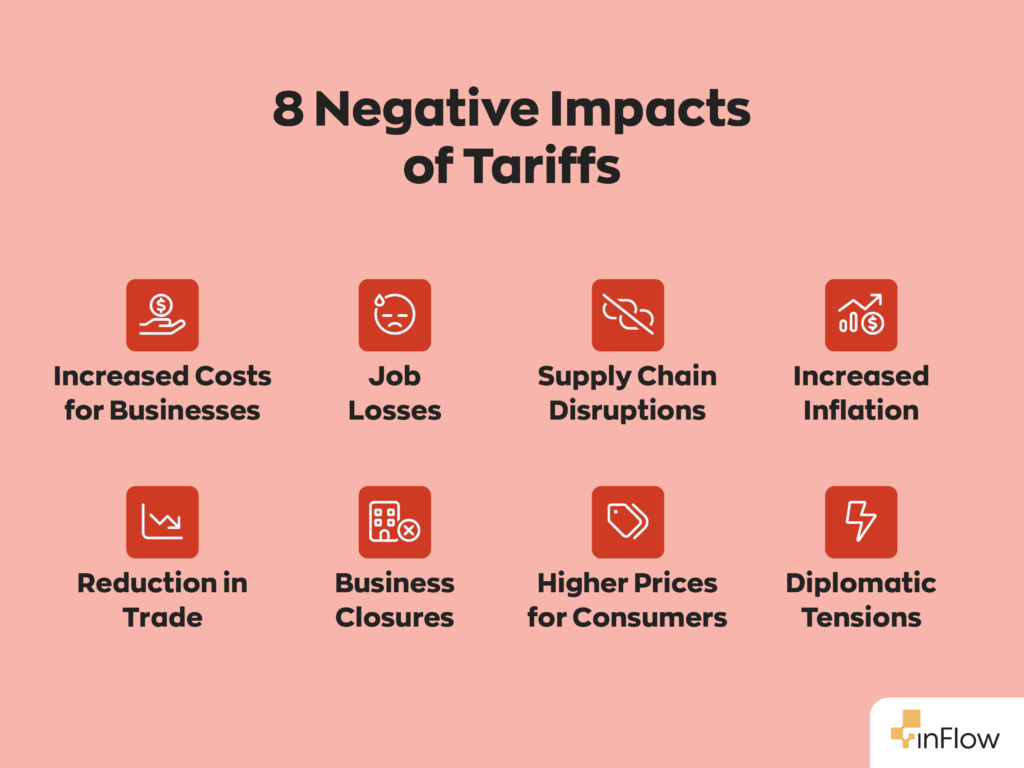
Typically, domestic producers in protected industries stand to benefit from tariffs as their foreign competitors are priced out of the market. For example, domestic steel or aluminum producers often see stock price appreciation following the announcement of metal tariffs. On the other hand, downstream industries that use these materials as inputs—such as automotive manufacturers or construction firms—may see their stocks suffer due to rising input costs.
Tariffs and the Inflationary Outlook
From a macroeconomic perspective, tariffs are generally inflationary. They act as a consumption tax, raising the price of goods. For the investor, this means keeping a close eye on central bank reactions. If tariffs contribute to a sustained rise in inflation, the Federal Reserve or other central banks may maintain higher interest rates for longer. This has a direct impact on the valuation of growth stocks, which are sensitive to interest rate hikes, and on the attractiveness of fixed-income assets.
Currency Volatility and the Strength of the Dollar
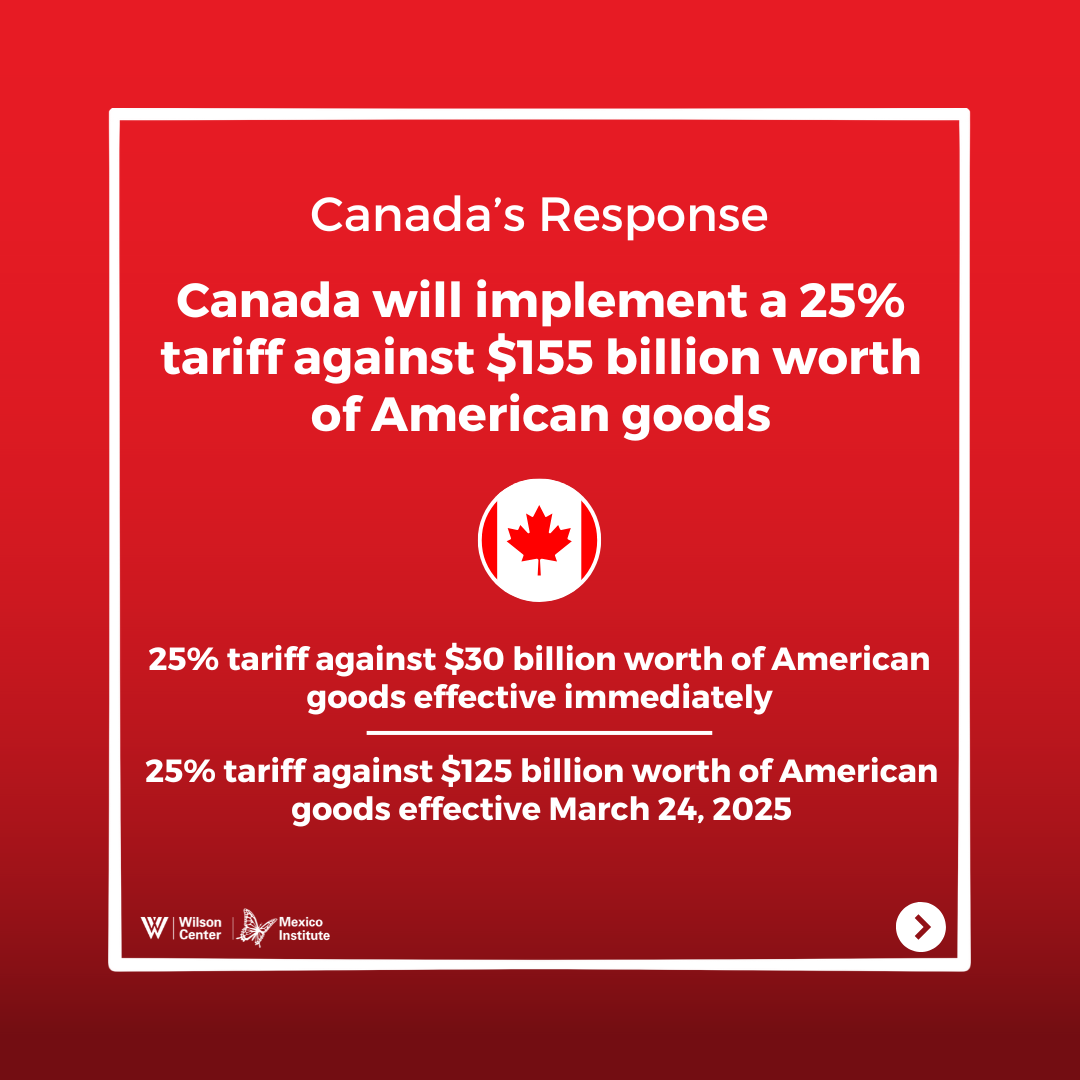
Tariffs often lead to currency fluctuations. When a country imposes significant tariffs, it can sometimes lead to a strengthening of its currency in the short term as imports drop. However, if trading partners retaliate, the resulting uncertainty can lead to a “flight to safety,” further boosting the US dollar. For investors with international exposure, these currency swings can either erode or enhance returns, making currency hedging an important consideration in a high-tariff world.
The Consumer Ripple Effect: Personal Finance Implications
While the word “tariff” sounds like a macroeconomic abstraction, its effects are felt at the cash register and in the household budget. For the average person focusing on personal finance, understanding these shifts is key to managing purchasing power.
The Hidden Tax on Consumer Goods
Tariffs are effectively hidden taxes. When a 25% tariff is placed on imported electronics or apparel, the retailer rarely eats the entire cost. Most often, the price of the laptop, smartphone, or pair of shoes rises. For individuals, this means that the “real” value of their income decreases. Budgeting in a high-tariff environment requires a more proactive approach, perhaps moving forward major purchases before new trade policies take effect or seeking out domestic alternatives that are not subject to these levies.
Impact on the Used Goods Market
An interesting side effect of tariffs on new imports is the upward pressure they put on the used goods market. When new car prices rise due to tariffs on parts or finished vehicles, demand spills over into the used car market, driving up those prices as well. This creates a cycle where inflation becomes entrenched across both new and secondary markets, impacting the resale value of assets and the cost of replacement.
Strategic Spending and Timing
In a fluctuating tariff environment, timing becomes a financial tool. Consumers who follow trade policy news may choose to time their “big-ticket” purchases. If a government announces a new round of tariffs that will go into effect in six months, there is often a “pull-forward” in demand as consumers and businesses rush to buy goods at the pre-tariff price. Understanding these cycles can save households thousands of dollars on items like appliances, vehicles, and home improvement materials.
Navigating the Future: Financial Planning for Trade Uncertainty
As we look ahead, it is clear that the era of low-tariff, globalized trade is being replaced by a more fragmented and politically driven economic order. This “new normal” requires a shift in how we approach business finance and personal investing.
Building Financial Resilience
For businesses, resilience now trumps pure efficiency. This means maintaining higher cash reserves to deal with sudden cost spikes and investing in technology that can help optimize supply chains in real-time. For individuals, it means diversifying income streams and ensuring that investment portfolios are not overly concentrated in sectors that are vulnerable to trade disputes.
The Importance of Policy Awareness
In the past, a financial advisor might have focused solely on P/E ratios and dividend yields. Today, they must also be cognizant of trade representative reports and geopolitical tensions. Financial literacy now includes an understanding of how a “Rule of Origin” or a “Section 301 investigation” might impact a portfolio.
Long-Term Value Creation
Despite the challenges, a high-tariff environment also presents opportunities. Companies that successfully navigate these waters—by innovating to reduce dependence on expensive imports or by successfully reshoring production—can create significant long-term value. Investors who can identify these “adaptors” early stand to gain as the global economy reconfigures itself.
The current state of tariffs is a reflection of a world in transition. While the transition may be characterized by higher costs and increased volatility, it also offers a roadmap for a new kind of economic stability centered on domestic strength and supply chain security. By staying informed and remaining agile, both businesses and individuals can protect their financial interests and even thrive amidst the shifting tides of global trade.
aViewFromTheCave is a participant in the Amazon Services LLC Associates Program, an affiliate advertising program designed to provide a means for sites to earn advertising fees by advertising and linking to Amazon.com. Amazon, the Amazon logo, AmazonSupply, and the AmazonSupply logo are trademarks of Amazon.com, Inc. or its affiliates. As an Amazon Associate we earn affiliate commissions from qualifying purchases.