
The current state of the stock market is often a reflection of a complex interplay between macroeconomic data, corporate earnings, and investor psychology. To understand what is happening to the stock market today, one must look beyond the daily fluctuations of the Dow Jones Industrial Average or the S&P 500 and examine the underlying forces driving these movements. We are currently navigating a unique economic cycle characterized by the transition from a low-interest-rate environment to one defined by “higher for longer” monetary policy. This shift has created a tug-of-war between growth-oriented sectors and defensive positions, leading to the bouts of volatility that define the modern trading day.
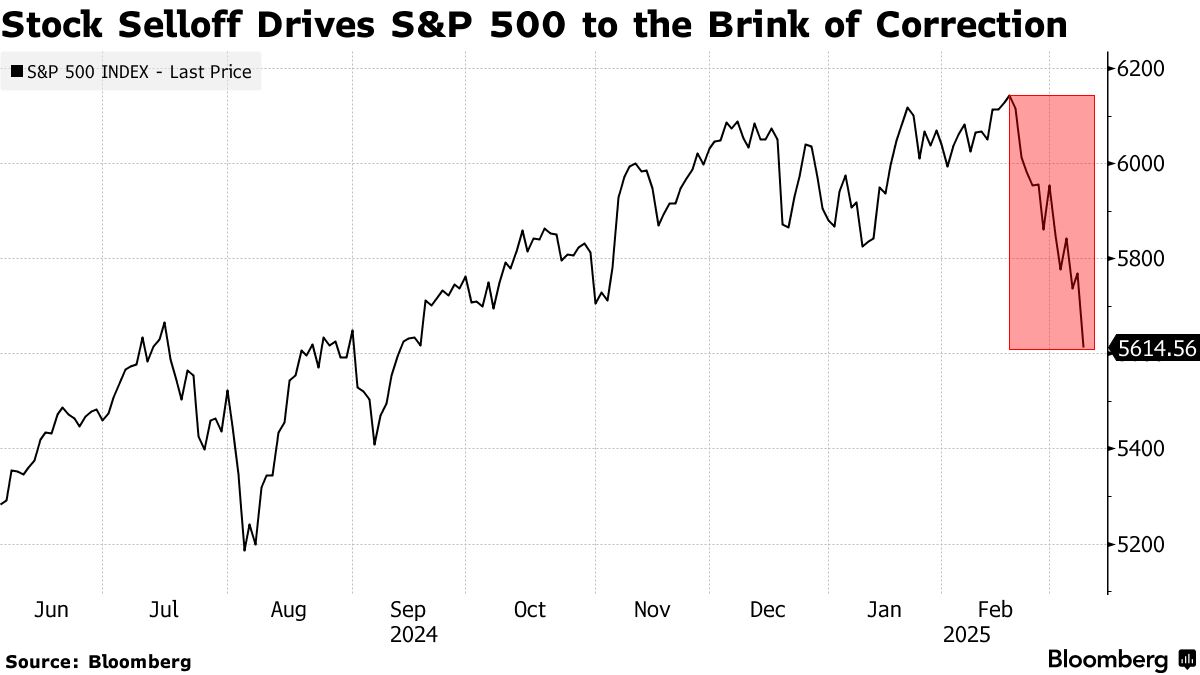
Understanding the market requires a multi-layered analysis. It is not merely about whether the indices are “up” or “down,” but rather why capital is flowing into specific sectors while exiting others. From the cooling of inflationary pressures to the explosive growth of artificial intelligence, several themes are currently dominating the financial landscape.
The Macroeconomic Landscape: Interest Rates and Inflationary Pressure
The primary driver of market sentiment today remains the Federal Reserve’s stance on monetary policy. After a period of aggressive rate hikes aimed at taming historic inflation, the market is now obsessed with the “pivot”—the moment when the central bank begins to lower rates. This obsession creates a environment where “bad news is good news.” For instance, a slightly higher unemployment report or a dip in retail sales might cause a market rally because investors believe it will pressure the Fed to cut rates sooner.
The Impact of the Yield Curve
The bond market often serves as the “smart money” indicator for the stock market. An inverted yield curve, where short-term Treasury yields are higher than long-term yields, has historically been a reliable recession indicator. Today’s market is closely watching the spread between the 2-year and 10-year Treasury notes. When this spread narrows or widens significantly, it sends ripples through the equity markets, particularly affecting bank stocks and capital-intensive industries that rely on low borrowing costs.
Inflation and Consumer Resilience
While the Consumer Price Index (CPI) has shown signs of cooling, the “sticky” nature of service-sector inflation remains a concern. The stock market reacts sharply to monthly CPI and Producer Price Index (PPI) releases. If inflation appears to be stalling at a level higher than the Fed’s 2% target, the market tends to sell off in anticipation of prolonged high borrowing costs. Conversely, signs of a “soft landing”—where inflation drops without a major spike in unemployment—provide the necessary fuel for sustained bull runs.
Sector Rotations and the Impact of Large-Cap Tech
A significant portion of today’s market performance is concentrated in a handful of massive technology companies. This concentration has created a “barbell” effect in the S&P 500, where the performance of the “Magnificent Seven” (Nvidia, Apple, Microsoft, Alphabet, Amazon, Meta, and Tesla) can overshadow the struggles of the other 493 stocks.
The Artificial Intelligence Catalyst
The surge in artificial intelligence (AI) development has become a fundamental pillar of the current market. We are seeing a massive reallocation of capital into companies that provide the infrastructure for AI, most notably semiconductor manufacturers and cloud computing providers. This isn’t just speculative hype; it is backed by significant capital expenditure from the world’s largest corporations. However, the market is also beginning to ask tough questions about the return on investment (ROI) for these AI expenditures, leading to increased volatility during earnings seasons.
The Shift to Defensive and Value Sectors
When tech valuations become stretched, we often see a rotation into value sectors such as Utilities, Healthcare, and Consumer Staples. These sectors are traditionally less sensitive to economic downturns and provide steady dividends. Today’s market participants are frequently rotating between these “safe havens” and high-growth tech depending on the daily news cycle regarding interest rates. This rotation is a healthy sign of market breadth, suggesting that the rally is not entirely dependent on a single sector.
Small-Cap Vulnerability
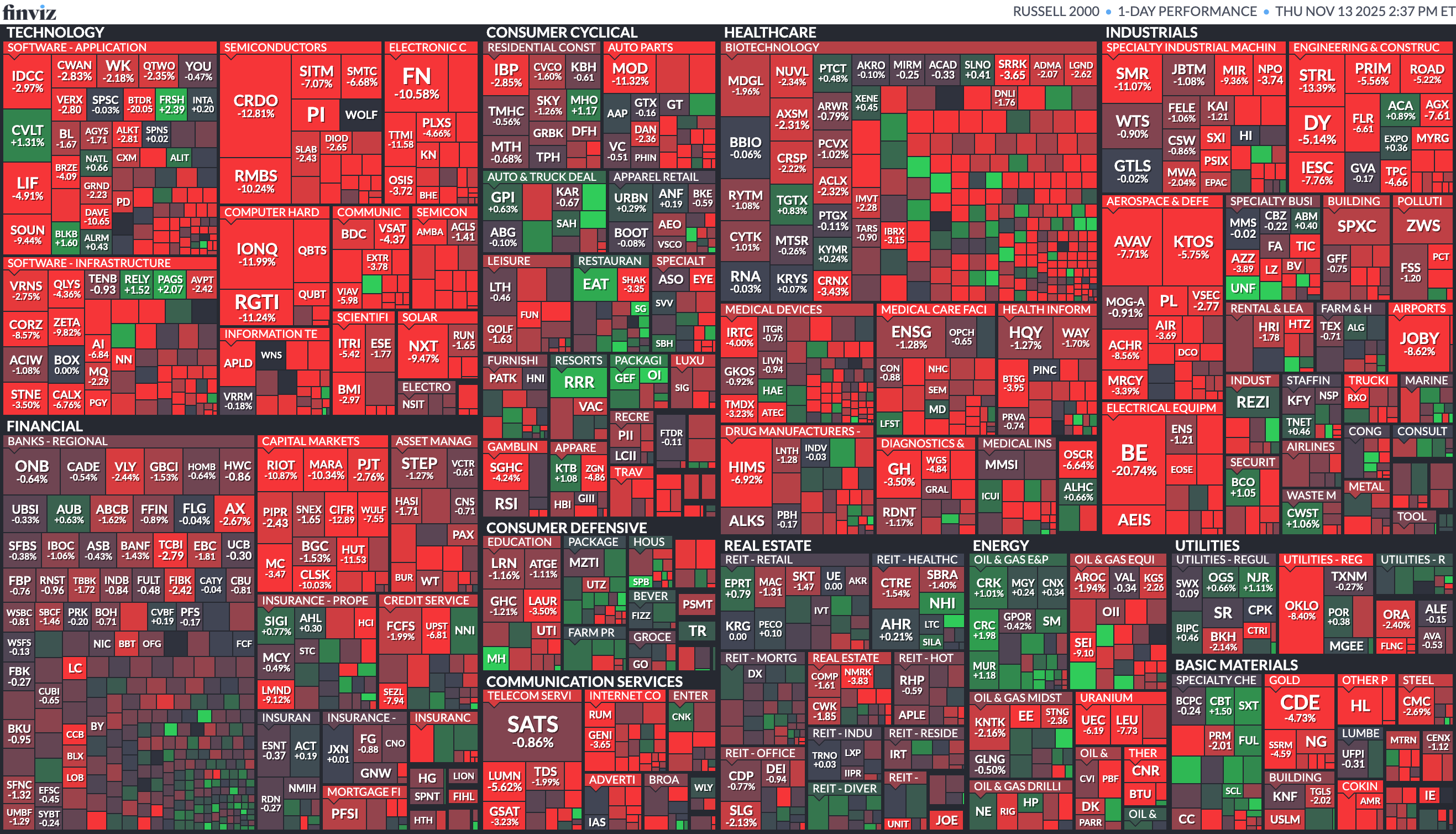
Small-cap stocks, often represented by the Russell 2000 index, have faced a more challenging environment than their large-cap counterparts. Because smaller companies often carry more debt and have less access to favorable credit markets, they are more sensitive to high interest rates. Watching the performance of small-caps is a vital way to gauge the overall health of the domestic economy; when small-caps begin to lead the market, it usually signals broad-based economic confidence.
Market Sentiment and the Role of Geopolitical Stability
The stock market does not exist in a vacuum. It is heavily influenced by global events that can disrupt supply chains, impact energy prices, and alter international trade agreements. Today’s market is particularly sensitive to geopolitical tensions, which introduce a “risk premium” that can suppress valuations even when corporate earnings are strong.
Energy Markets and Global Trade
Fluctuations in oil and natural gas prices have a direct impact on inflation and consumer spending. Geopolitical unrest in key energy-producing regions can lead to sudden spikes in energy costs, which act as a “hidden tax” on both consumers and corporations. The stock market monitors these developments closely, as high energy prices can force the Fed to keep interest rates high to combat cost-push inflation.
The “Fear Gauge” and Investor Psychology
The CBOE Volatility Index (VIX), often referred to as the “fear gauge,” measures the market’s expectation of 30-day volatility. In the current environment, we see frequent spikes in the VIX driven by geopolitical uncertainty or unexpected economic data. High volatility often leads to “forced selling” by algorithmic trading systems, which can exacerbate market downturns. Understanding that sentiment can shift from extreme greed to extreme fear in a matter of days is crucial for anyone trying to decipher what is happening in the market today.
Strategic Moves for Individual Investors in Uncertain Times
In a market characterized by high volatility and rapid sector rotations, the traditional “buy and hold” strategy is being tested. However, for most long-term investors, the core principles of finance remain the most effective tools for navigating current trends.
The Importance of Diversification
Given the heavy concentration of the market in a few tech giants, diversification has never been more important. Investors are increasingly looking toward equal-weighted index funds or international markets to mitigate the risk of a potential correction in the tech sector. By spreading risk across different asset classes, including bonds, real estate, and international equities, investors can protect their portfolios from localized volatility.
Dollar-Cost Averaging in Volatile Markets
Trying to “time the market” during periods of high uncertainty is often a losing game. Dollar-cost averaging—investing a fixed amount of money at regular intervals—remains a premier strategy. This approach allows investors to buy more shares when prices are low and fewer shares when prices are high, effectively lowering the average cost per share over time and removing the emotional stress of daily market swings.
Focus on Fundamentals and Earnings Quality
In a high-interest-rate environment, “zombie companies”—those that rely on cheap debt to stay afloat—are being weeded out. The market is rewarding companies with strong balance sheets, high free cash flow, and the ability to maintain margins despite inflationary pressures. For the individual investor, focusing on fundamental analysis rather than chasing momentum is a prudent way to identify long-term winners.
Future Outlook: Identifying Growth Catalysts Beyond the Noise
Looking ahead, the stock market’s trajectory will likely be determined by how well corporate earnings can sustain their growth as the initial “AI excitement” matures into actual implementation. We are entering a phase where companies must prove that their technological investments are leading to increased productivity and higher profits.
The Potential for a Productivity Boom
If the promise of AI and automation comes to fruition, we could see a significant boost in global productivity. This would allow the economy to grow without triggering massive inflation, creating a “Goldilocks” scenario for the stock market. Investors are keeping a close watch on productivity data as a signal for the next long-term secular bull market.
Resilience of the Modern Consumer
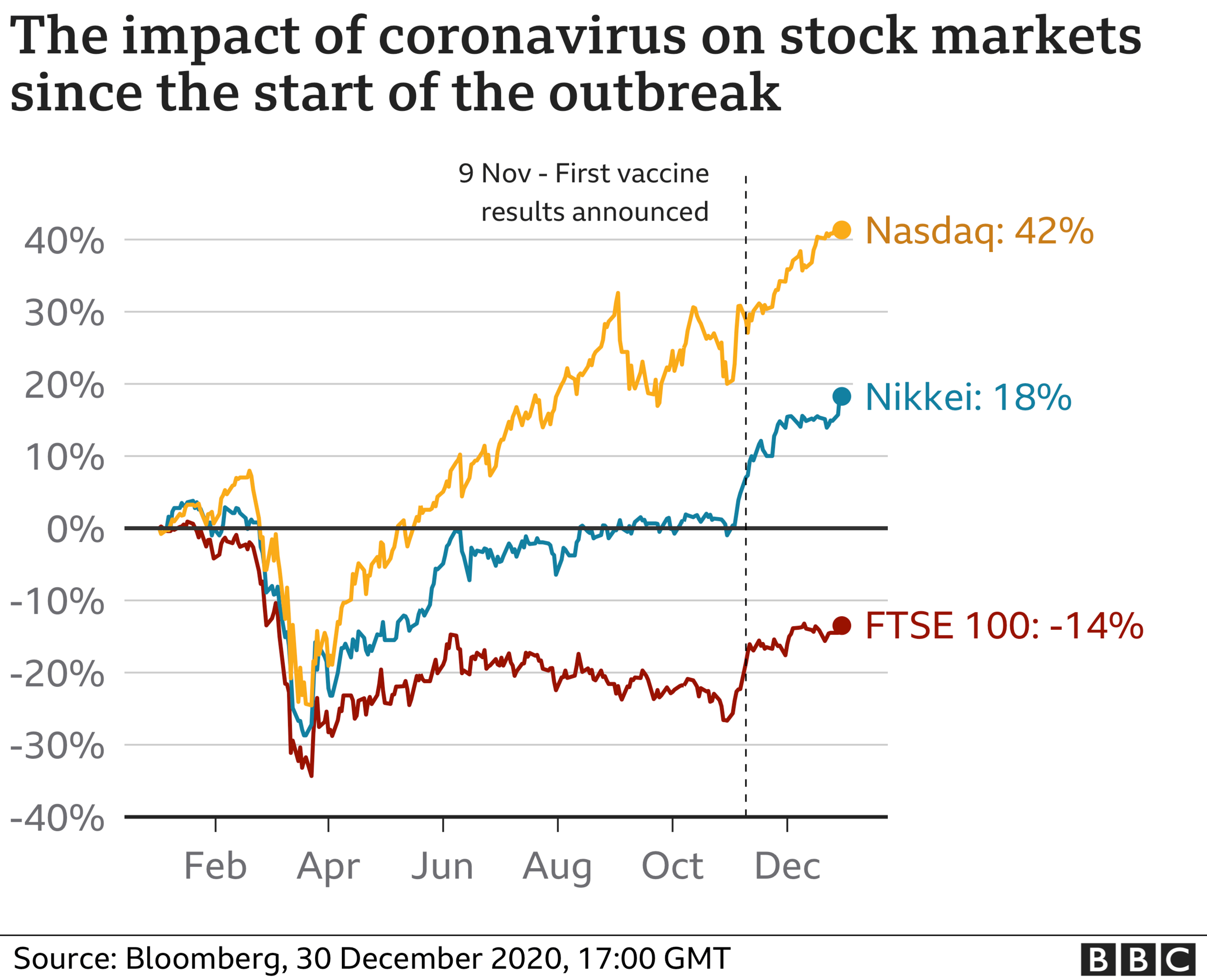
Despite concerns about high interest rates, the consumer has remained remarkably resilient. Strong labor markets and rising real wages have supported spending, which accounts for about 70% of the U.S. economy. As long as employment remains robust, the stock market has a solid foundation. Any significant cracks in the labor market, however, would be the most likely catalyst for a deeper market correction.
Ultimately, what is happening to the stock market today is a transition from an era of “easy money” to an era of “earned growth.” While this transition brings volatility and uncertainty, it also creates opportunities for disciplined investors to find value. By focusing on macroeconomic trends, sector rotations, and fundamental strength, one can navigate the current market noise and build a resilient financial future.
aViewFromTheCave is a participant in the Amazon Services LLC Associates Program, an affiliate advertising program designed to provide a means for sites to earn advertising fees by advertising and linking to Amazon.com. Amazon, the Amazon logo, AmazonSupply, and the AmazonSupply logo are trademarks of Amazon.com, Inc. or its affiliates. As an Amazon Associate we earn affiliate commissions from qualifying purchases.