
The financial landscape is currently navigating one of the most complex transitional periods in modern history. Investors are finding themselves at a crossroads where decades of low-interest-rate policy have collided with a new era of fiscal tightening, geopolitical instability, and a transformative technological boom led by artificial intelligence. To understand what is happening to the stock market right now, one must look beyond the daily fluctuations of the Dow Jones or the S&P 500 and examine the underlying structural shifts in the global economy.
From the Federal Reserve’s delicate balancing act with interest rates to the surprising resilience of corporate earnings, the current market is a study in contradictions. While some indicators suggest a cooling economy, others point toward a robust labor market and a resurgence in productivity. This dichotomy has created a climate of calculated optimism, tempered by a heightened awareness of systemic risks.
The Macroeconomic Engine: Inflation, Interest Rates, and the Federal Reserve
At the heart of current market movements is the Federal Reserve and its ongoing battle with inflation. After years of near-zero interest rates, the central bank’s aggressive hiking cycle has fundamentally changed how capital is valued and allocated.
The “Higher for Longer” Narrative
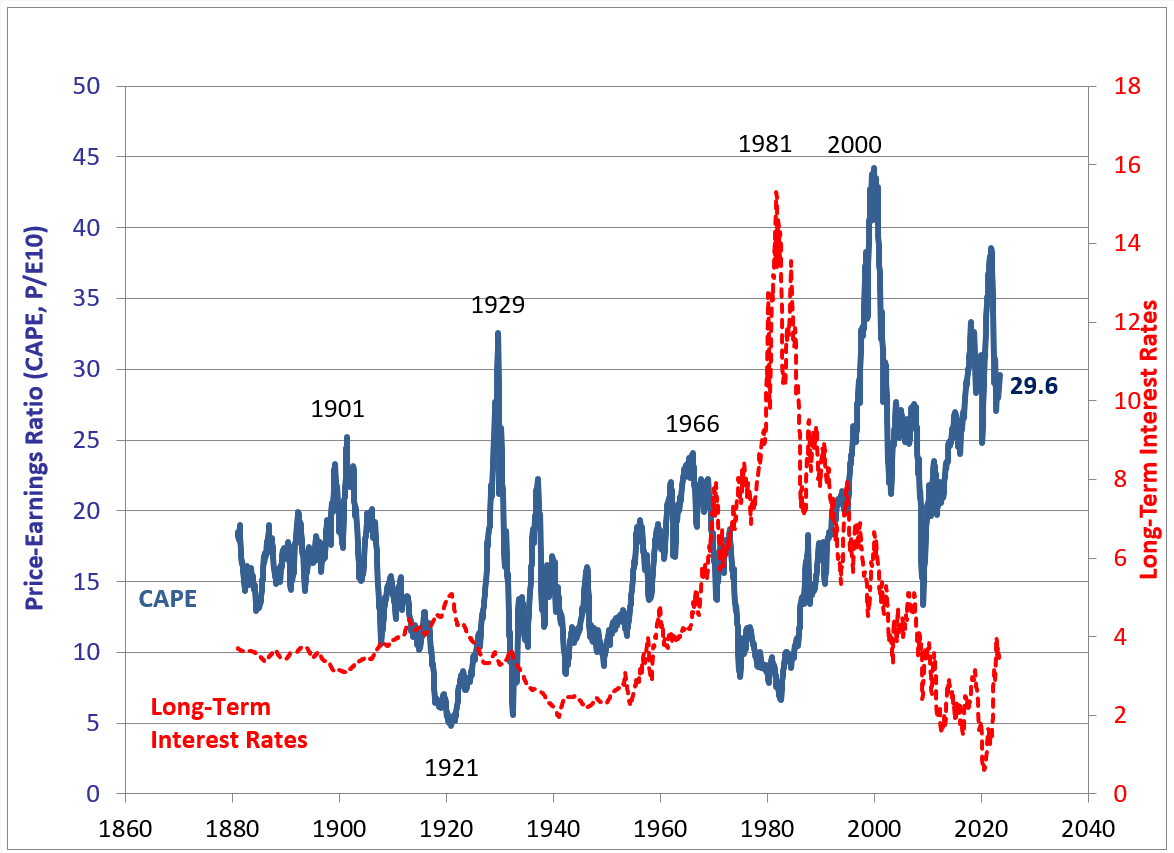
For much of the past year, the prevailing theme has been the “higher for longer” stance regarding interest rates. The market is currently processing the reality that the era of “cheap money” is over. When interest rates rise, the present value of future cash flows diminishes, which particularly impacts growth stocks and technology companies that trade on future earnings. Investors are now scrutinizing balance sheets with a renewed focus on debt levels and interest coverage ratios. The transition from a zero-interest-rate environment to a regime where the risk-free rate of return (treasury bills) is significantly higher has forced a massive re-rating of assets across the board.
The Soft Landing vs. Recession Debate
A primary driver of market volatility is the ongoing debate over a “soft landing.” This scenario involves cooling the economy enough to quell inflation without triggering a deep recession. Recent data suggests that the U.S. economy remains surprisingly resilient, with consumer spending holding steady despite inflationary pressures. However, the lag effect of monetary policy remains a concern. Because interest rate hikes take twelve to eighteen months to fully permeate the economy, market participants are constantly looking for cracks in the foundation—specifically in commercial real estate and consumer credit delinquency rates.
Global Interconnectivity and Geopolitical Tensions
The domestic market is no longer insulated from global events. Ongoing conflicts in Europe and the Middle East, along with shifting trade dynamics with East Asia, have introduced a “geopolitical risk premium” into stock valuations. Supply chain disruptions and fluctuations in energy prices (specifically oil and natural gas) act as external shocks that can derail inflation targets. Consequently, the stock market is reacting not just to domestic earnings, but to the stability of global trade routes and diplomatic relations.
The AI Revolution and the Concentration of Market Power
While macroeconomic factors provide the backdrop, the actual performance of the major indices has been driven by a remarkably small group of companies. The rise of Generative Artificial Intelligence (AI) has created a localized bull market within the broader uncertain environment.
The Dominance of the “Magnificent Seven”
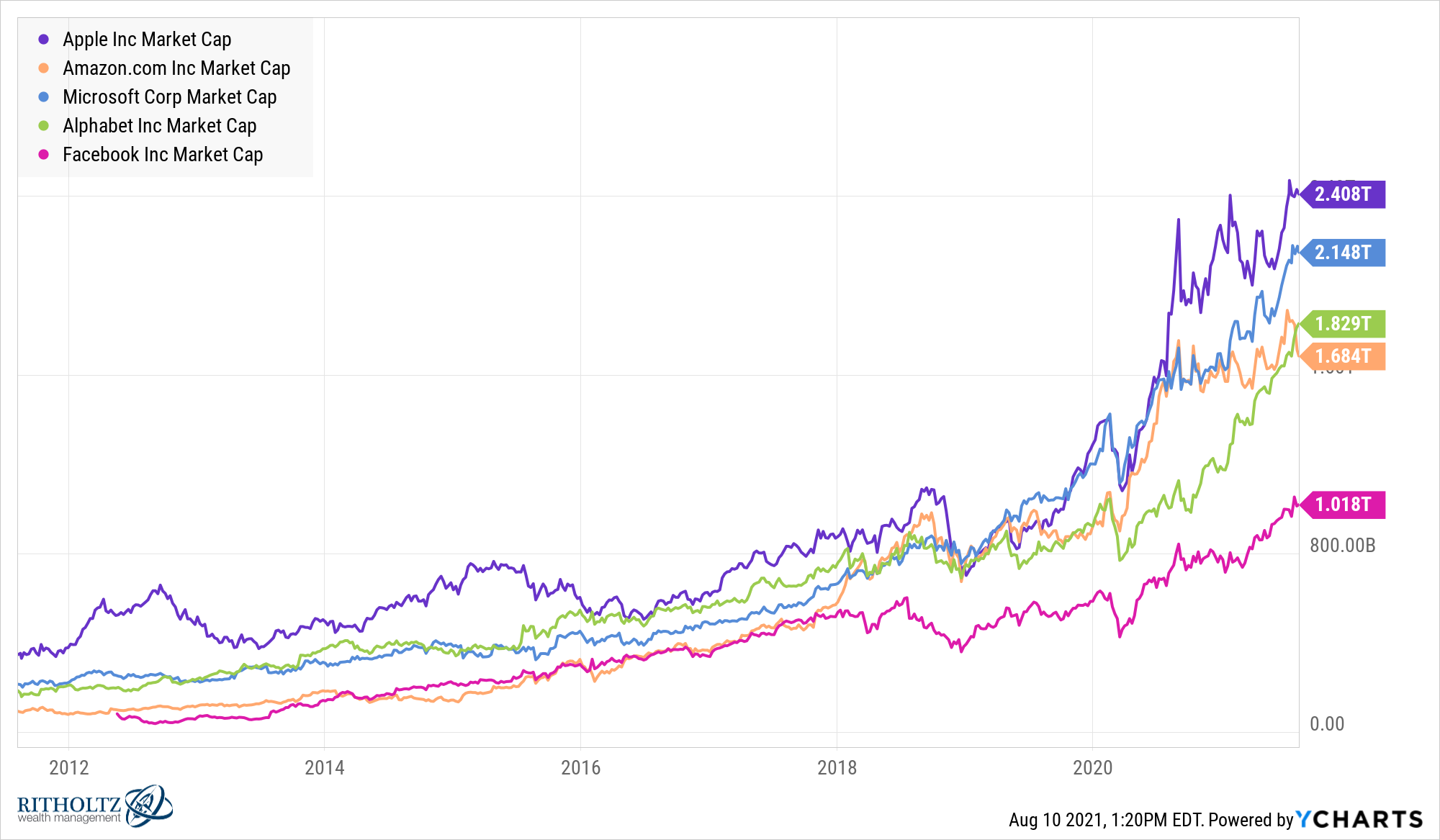
The S&P 500’s performance in recent months has been heavily weighted toward a handful of mega-cap technology stocks. Companies like NVIDIA, Microsoft, Alphabet, and Apple have seen their valuations soar as investors bet on the transformative power of AI. This concentration of market power presents a dual-edged sword. On one hand, these companies possess massive cash reserves and dominant market positions, making them “safe havens” in a sense. On the other hand, the extreme concentration means that any earnings miss or regulatory headwind for just one of these giants can pull the entire index downward.
From Hype to Fundamentals in Tech
We are currently entering a phase where the market is demanding more than just “AI potential.” Investors are looking for tangible evidence of AI monetization. The initial surge was based on the hardware providers (chipmakers), but the focus is now shifting toward software and services. The question being asked in boardrooms and by analysts is: How does this technology actually improve the bottom line? Companies that can demonstrate productivity gains or new revenue streams through AI integration are being rewarded, while those relying on buzzwords are starting to see their premiums evaporate.
The Potential for Sector Rotation
There is an emerging trend of “sector rotation,” where capital begins to flow out of overextended tech stocks and into undervalued areas of the market. Small-cap stocks, industrial firms, and healthcare providers have lagged behind the tech rally. If the Federal Reserve begins to signal a definitive pivot toward rate cuts, these interest-rate-sensitive sectors may see a significant influx of capital. This rotation is a healthy sign of a maturing bull market, as it suggests growth is broadening beyond a single niche.
The Battle for Yield: Equities vs. Fixed Income
For the first time in over a decade, the stock market is facing stiff competition from the bond market. This “battle for yield” is a critical component of current market behavior.
The Return of the Bond Market
With yields on government bonds reaching levels not seen since before the 2008 financial crisis, the “TINA” (There Is No Alternative) era for stocks has ended. Conservative investors can now find attractive returns in low-risk fixed-income instruments. This has led to a rebalancing of institutional portfolios. When an investor can get a guaranteed 4% or 5% return on a treasury bill, the risk premium required to invest in a volatile stock must be significantly higher. This competition for capital is keeping a lid on equity valuations and forcing companies to be more disciplined with their capital allocation.
Dividend Stocks as a Defensive Play
In response to market uncertainty, there has been a renewed interest in “quality” and “value.” Dividend-paying stocks, particularly those in the consumer staples and utility sectors, are being used as defensive hedges. Investors are prioritizing companies with strong cash flows that can sustain payouts even in a slowing economy. This shift represents a move away from “growth at any cost” toward a more traditional, value-based approach to investing.
The Psychology of the Modern Retail Investor
The behavior of retail investors has also evolved. Unlike previous cycles, the current market features a highly informed and active retail base utilizing low-cost platforms and social media for information. While this has increased liquidity, it has also amplified “momentum” trading. Emotional swings—fear of missing out (FOMO) versus panic selling—are occurring faster than ever before. The speed at which news is digested and acted upon has compressed market cycles, making “right now” feel more volatile than historical norms.
Strategic Considerations for Navigating the Current Climate
In an environment characterized by rapid shifts in sentiment and complex economic data, the strategy for the average investor is shifting toward resilience and diversification.
Diversification in a Correlated World
Traditional diversification is becoming harder to achieve. During times of extreme stress, many asset classes tend to move in the same direction. To counter this, sophisticated investors are looking toward “alternative” assets, including private equity, commodities, and real estate, to find non-correlated returns. Furthermore, geographic diversification—investing in emerging markets or developed international economies—is gaining traction as a way to hedge against U.S.-specific fiscal risks.
The Importance of the Long-Term Horizon
The “noise” of the current market—daily headlines about inflation prints or Fed minutes—can lead to reactionary decision-making. History has shown that time in the market is generally superior to timing the market. Despite the current volatility, the underlying trend of the stock market remains tied to innovation and corporate earnings growth. Maintaining a long-term perspective allows investors to ride out the cyclical volatility caused by interest rate adjustments and political cycles.
Tools for Real-Time Analysis
Finally, the democratization of financial tools has changed how individuals interact with the market. Real-time data, algorithmic trading, and advanced analytical software are no longer the exclusive domain of Wall Street firms. This access allows for more precise risk management. Investors are increasingly using “stop-loss” orders, hedging with options, and utilizing automated rebalancing to protect their portfolios from sudden downturns.
In summary, the stock market right now is defined by a transition toward “normalization.” We are moving away from the artificial stimulus and zero-rate policies of the past decade and toward a market that is more sensitive to traditional fundamentals: earnings, cash flow, and the cost of capital. While the path forward is marked by uncertainty, it is also paved with the opportunities that come from a massive technological shift and a more disciplined approach to global finance. Understanding these drivers is the first step in navigating the current market with confidence and strategic clarity.
aViewFromTheCave is a participant in the Amazon Services LLC Associates Program, an affiliate advertising program designed to provide a means for sites to earn advertising fees by advertising and linking to Amazon.com. Amazon, the Amazon logo, AmazonSupply, and the AmazonSupply logo are trademarks of Amazon.com, Inc. or its affiliates. As an Amazon Associate we earn affiliate commissions from qualifying purchases.