
Puerto Rico, an island territory of the United States, has been a crucible of profound economic change over the last decade. From a debilitating debt crisis and devastating natural disasters to a resurgence fueled by federal aid and strategic tax incentives, the island’s financial landscape is in constant flux. Understanding “what is happening to Puerto Rico” necessitates a deep dive into its intricate economic evolution, the drivers of its transformation, and the challenges that persist on its path to sustainable prosperity. This analysis delves into the financial currents shaping the island’s present and future.
A New Economic Chapter Emerges from Crisis
The narrative of Puerto Rico’s recent history is inextricably linked to its financial woes. For years, the island grappled with a public debt load exceeding $70 billion, a burden exacerbated by a prolonged recession that began long before the global financial crisis of 2008. This era was characterized by fiscal austerity measures, an exodus of its population, and a struggle to maintain essential public services. The situation reached a critical juncture in 2016 when the U.S. Congress passed PROMESA (Puerto Rico Oversight, Management, and Economic Stability Act), establishing an unelected fiscal oversight board to manage the island’s finances and restructure its debt. This marked a profound loss of fiscal autonomy, setting the stage for an unprecedented financial restructuring.
The Legacy of Debt and Austerity
The root causes of Puerto Rico’s debt crisis were multifaceted, including structural economic issues, reliance on tax-exempt bond issuance, and years of deficit spending. The island’s industrial base, once buoyed by Section 936 of the U.S. Internal Revenue Code which offered significant tax breaks to American corporations, eroded after the incentive’s phase-out in 1996. This led to a contraction in manufacturing and a struggle to replace high-paying jobs, feeding into a cycle of economic stagnation and borrowing. Austerity measures implemented by successive local governments and later by the PROMESA-mandated Fiscal Oversight and Management Board led to significant cuts in public education, healthcare, and infrastructure maintenance. While designed to stabilize finances, these cuts often accelerated emigration, reduced consumer spending, and hampered long-term economic growth, creating a challenging environment for both businesses and residents. The restructuring process, though painful, ultimately led to a significant reduction in the principal amount of the island’s debt, offering a glimmer of hope for future fiscal stability.
The Impact of Natural Disasters
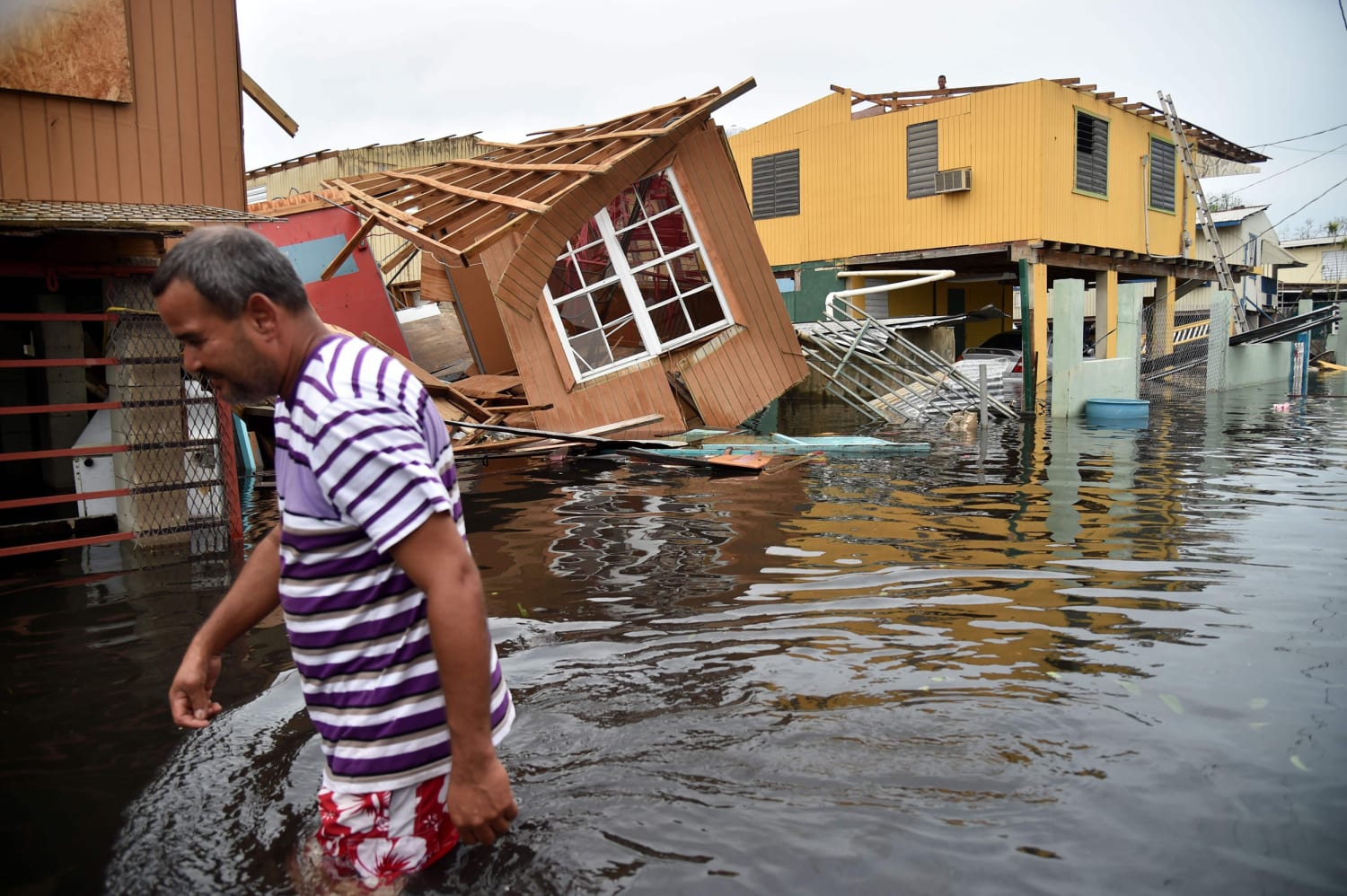
Just as Puerto Rico was grappling with its fiscal bankruptcy, it was struck by two catastrophic hurricanes in September 2017: Irma and Maria. Hurricane Maria, in particular, decimated the island’s infrastructure, causing widespread power outages that lasted for months, destroying homes, businesses, and agricultural land, and inflicting an estimated $90 billion in damages. The financial fallout was immediate and severe. Economic activity plummeted, tourism ground to a halt, and many businesses either closed or struggled immensely. The long-term financial impact included significant population displacement, with tens of thousands of Puerto Ricans migrating to the mainland U.S., further shrinking the tax base and labor pool. The recovery effort, however, unlocked billions of dollars in federal aid – an unprecedented injection of capital that has dramatically reshaped the island’s financial inflows and economic priorities, albeit with complex challenges in its disbursement and utilization. This massive influx of funds, primarily from FEMA and HUD, represented a critical turning point, shifting the economic narrative from one dominated by debt and decline to one focused on rebuilding and resilience.
Financial Incentives and the Influx of Capital
In parallel with the federal recovery funding, Puerto Rico has actively promoted a set of tax incentive laws designed to attract external capital, businesses, and high-net-worth individuals. These laws, primarily consolidated under Act 60 (formerly Acts 20 and 22), have become a significant, if controversial, driver of economic activity and a major talking point in discussions about the island’s financial future.
Act 60: A Magnet for High-Net-Worth Individuals and Businesses
Act 60, known as the “Puerto Rico Incentives Code,” offers compelling tax benefits aimed at stimulating economic development by attracting investment and new residents. For individuals who move to Puerto Rico and meet specific residency requirements, Act 60 offers a 0% tax rate on passive income (e.g., dividends, interest, capital gains). This benefit, known as the “Individual Investors Tax Incentive” (formerly Act 22), has drawn thousands of affluent individuals from the mainland U.S. seeking to minimize their federal tax liabilities. Similarly, Act 60 includes incentives for export service businesses (formerly Act 20), offering a flat 4% corporate tax rate on income derived from services rendered outside of Puerto Rico, along with 100% exemption on property taxes and municipal taxes for designated periods. These incentives have spurred the relocation of numerous service-based companies, from software development firms to marketing agencies, bringing jobs and direct investment to the island. While critics point to concerns about equity, gentrification, and the actual number of local jobs created, proponents argue these measures are crucial for diversifying the economy, boosting local consumption, and integrating Puerto Rico into the global financial services and tech sectors.
Real Estate Investment and Market Dynamics
The influx of individuals and businesses benefiting from Act 60 has had a profound impact on Puerto Rico’s real estate market. Coastal areas and upscale neighborhoods, particularly in metropolitan San Juan, have experienced a surge in demand for luxury properties. This has led to rapidly appreciating property values, with some areas seeing significant year-over-year increases. While beneficial for property owners and the construction industry, this upward pressure on prices also creates challenges, including increased rental costs and housing affordability issues for long-term residents. Beyond residential properties, there’s also growing interest in commercial real estate, as new businesses establish operations and existing ones expand. Developers are investing in new projects, from residential towers to mixed-use commercial spaces, indicating a robust, albeit concentrated, real estate boom. The real estate market, once stagnant, is now a dynamic component of Puerto Rico’s economic revitalization, attracting significant capital from both local and international investors seeking returns within the island’s favorable tax environment.
Rebuilding Infrastructure and Driving Development
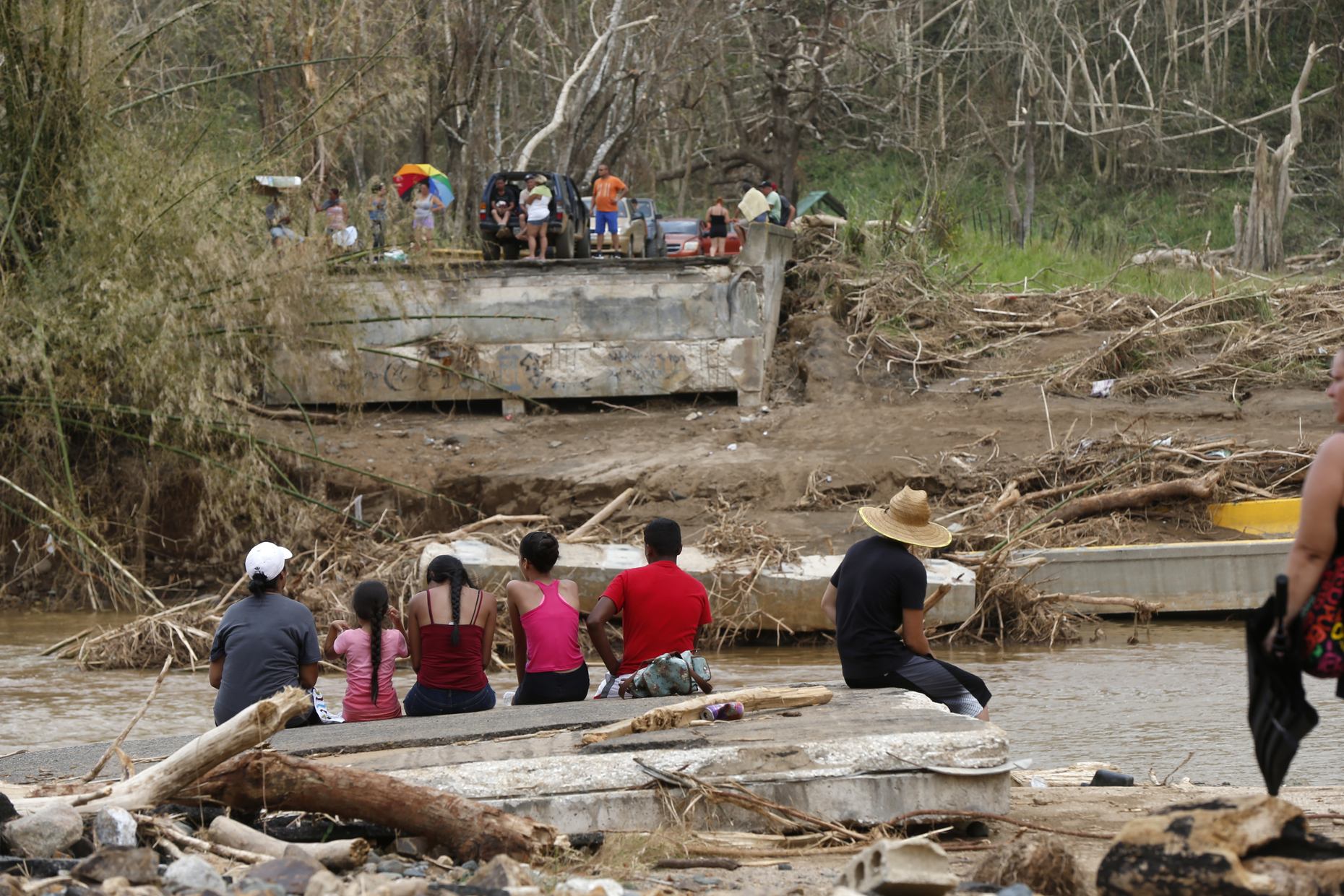
The scale of destruction from Hurricane Maria necessitated an unprecedented rebuilding effort, funded primarily by the U.S. federal government. This massive injection of capital is not just about recovery; it’s about modernizing Puerto Rico’s foundational infrastructure, which has long been a bottleneck for economic growth. The financial implications of this multi-year, multi-billion-dollar endeavor are profound, touching nearly every sector of the economy.
Federal Funding and its Financial Ramifications
Following Hurricane Maria, Congress allocated over $60 billion in federal disaster relief and recovery funds to Puerto Rico, primarily through agencies like FEMA and HUD. These funds are earmarked for repairing and rebuilding critical infrastructure, including the power grid, roads, bridges, schools, and hospitals, as well as for hazard mitigation and economic development. The sheer volume of this funding represents a significant economic stimulus, driving demand for construction materials, labor, and engineering services. However, the disbursement and utilization of these funds have been complex and slow, leading to concerns about efficiency and bureaucratic hurdles. Nevertheless, as these funds are gradually deployed, they are expected to underpin a sustained period of construction activity, create jobs, and foster a more resilient economic environment. The financial management of these funds, including transparency and accountability, remains a critical aspect of Puerto Rico’s recovery narrative. Effectively leveraging these funds could lay the groundwork for long-term financial stability and reduce the island’s vulnerability to future shocks.
The Role of Private Investment in Key Sectors
While federal funding is crucial for public infrastructure, private investment is playing an increasingly vital role in specific economic sectors, often spurred by government incentives. Beyond real estate, sectors like renewable energy, tourism, and technology are seeing notable private capital inflows. The antiquated power grid, for example, is attracting private developers for solar and other renewable energy projects, aiming to create a more resilient and decentralized energy system. The tourism sector, a traditional economic pillar, is experiencing renewed interest, with hotel renovations, new resort developments, and an expanded array of tourism-related businesses leveraging the island’s natural beauty and cultural heritage. Technology, driven by Act 60 beneficiaries and local entrepreneurs, is emerging as a growth sector, attracting venture capital and fostering innovation in areas like fintech and software development. These private investments are critical for diversifying Puerto Rico’s economy, moving beyond traditional sectors, and creating high-value jobs that can retain and attract talent.
Local Economy and Workforce Adaptation
Amidst the overarching narratives of federal aid, tax incentives, and infrastructure projects, the resilience and adaptability of Puerto Rico’s local economy and workforce are paramount. The financial well-being of the average Puerto Rican hinges on the creation of stable jobs, the growth of small businesses, and the development of a skilled labor force capable of capitalizing on new economic opportunities.
Small Business Resilience and Entrepreneurship
Puerto Rico’s small and medium-sized enterprises (SMEs) are the backbone of its local economy. These businesses faced immense financial challenges during the recession and post-Maria recovery, with many struggling to access capital, manage supply chain disruptions, and retain employees. However, there has been a significant entrepreneurial push, often supported by local non-profits, government programs, and community-led initiatives aimed at fostering new ventures. These efforts include providing seed funding, business training, and access to networks. Many new businesses are emerging in sectors like sustainable agriculture, local manufacturing, and specialized services, catering to both the local market and the burgeoning demand from new residents and tourists. The ability of these small businesses to adapt, innovate, and thrive is crucial for distributing the benefits of economic recovery beyond specific enclaves and creating a more inclusive financial landscape for the island’s residents.
Addressing Brain Drain and Fostering Local Talent
A major financial challenge for Puerto Rico has been the continuous “brain drain” – the emigration of skilled professionals and young talent to the U.S. mainland in search of better economic opportunities. This outflow of human capital depletes the island’s workforce, reduces its tax base, and slows potential economic growth. Addressing this requires a multi-pronged financial strategy. Firstly, creating high-quality, well-paying jobs in growing sectors (like tech, renewable energy, and specialized services) is essential to retain talent. Secondly, investing in education and vocational training programs that align with future economic needs can equip the local workforce with in-demand skills. Thirdly, fostering a vibrant entrepreneurial ecosystem allows local talent to create their own opportunities rather than seeking them elsewhere. Financial incentives aimed at local businesses and startups, alongside initiatives to attract former residents back to the island, are critical components of a strategy to reverse the brain drain and build a robust, self-sustaining financial future.
Navigating Future Financial Stability
The current financial trajectory of Puerto Rico is characterized by a delicate balance between opportunity and ongoing challenges. While significant strides have been made in debt restructuring and attracting investment, the path to long-term financial stability requires careful stewardship and strategic planning.
The Path to Fiscal Responsibility
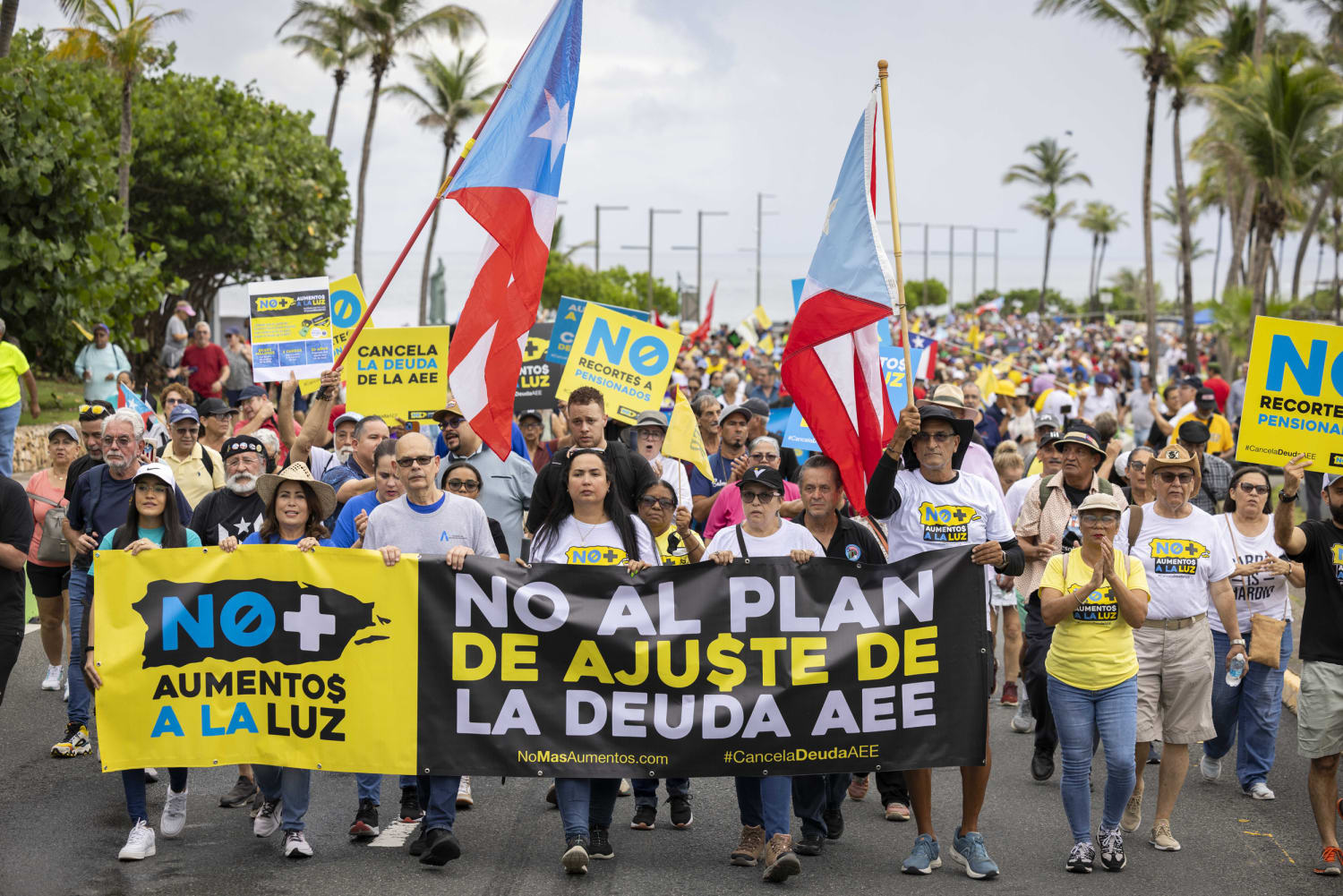
With the debt restructuring largely complete, Puerto Rico is tasked with maintaining fiscal discipline and preventing a return to unsustainable borrowing practices. The Fiscal Oversight and Management Board, despite its controversial nature, has imposed stricter budgeting and reporting requirements. Moving forward, the financial independence of Puerto Rico will depend on its ability to generate sufficient revenues, control expenditures, and maintain robust public financial management systems. This includes optimizing tax collection, streamlining government operations, and investing wisely in public services that foster economic growth. A balanced budget and a healthy reserve fund are crucial for insulating the island from future economic shocks and demonstrating its creditworthiness to investors, thereby enabling access to capital markets on favorable terms for future development projects.
Diversifying the Economic Base
Historically, Puerto Rico’s economy has been highly concentrated, first in agriculture, then in manufacturing (pharmaceuticals and electronics), and more recently, heavily reliant on federal transfers and tourism. For true financial stability, diversifying the economic base is paramount. This means strategically investing in emerging sectors such as renewable energy, biotechnology, information technology, and advanced services, leveraging both its natural advantages and its skilled workforce. Encouraging innovation, supporting local startups, and fostering linkages between foreign and local businesses can create a more resilient and varied economic ecosystem. This diversification not only reduces reliance on any single sector but also creates a wider array of employment opportunities, strengthens the local economy, and positions Puerto Rico for sustained financial growth in the global marketplace. The blend of federal reconstruction funds, tax-incentivized private capital, and local entrepreneurial spirit presents a unique, albeit complex, opportunity for Puerto Rico to forge a new and more robust financial identity.
aViewFromTheCave is a participant in the Amazon Services LLC Associates Program, an affiliate advertising program designed to provide a means for sites to earn advertising fees by advertising and linking to Amazon.com. Amazon, the Amazon logo, AmazonSupply, and the AmazonSupply logo are trademarks of Amazon.com, Inc. or its affiliates. As an Amazon Associate we earn affiliate commissions from qualifying purchases.