
The dazzling spectacle that is “Hamilton: An American Musical” has transcended the boundaries of Broadway to become a global phenomenon. Its infectious blend of hip-hop, R&B, pop, soul, and traditional show tunes, coupled with a revolutionary approach to historical storytelling, has captivated audiences worldwide. But beyond the catchy tunes and energetic choreography, what exactly is “Hamilton” about, and what are the underlying factors contributing to its enduring and overwhelming popularity? This exploration delves into the narrative core of the musical, examining its innovative storytelling techniques, its thematic resonance, and the strategic brilliance that has solidified its status as a cultural touchstone.
The Narrative Tapestry: Weaving History with Modern Sensibility
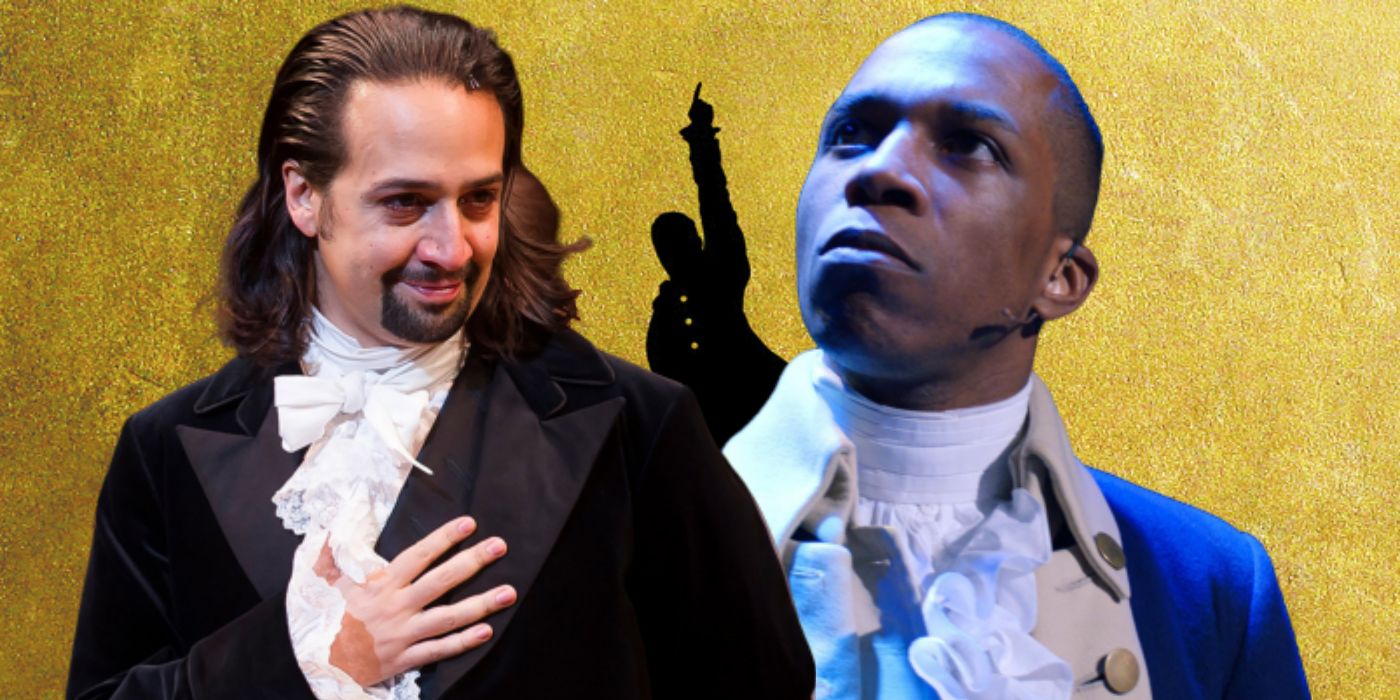
At its heart, “Hamilton” tells the story of Alexander Hamilton, one of America’s Founding Fathers, a complex and often controversial figure. However, it’s not a dry historical reenactment; instead, it’s a vibrant, dynamic retelling that imbues the past with a contemporary pulse. The musical takes the audience on a whirlwind journey through Hamilton’s life, from his humble beginnings as an orphan immigrant to his pivotal role in the American Revolution and his subsequent contributions to shaping the nascent nation. The narrative meticulously navigates his ambitious rise, his passionate political rivalries, his tumultuous personal life, and ultimately, his tragic demise.
From Orphan to Architect of a Nation: Hamilton’s Ascendancy
The story begins with a young, ambitious Alexander Hamilton arriving in America with nothing but his intellect and drive. The musical vividly portrays his intellectual prowess and his insatiable hunger to prove himself. We see his early engagement with revolutionary fervor, his meteoric rise through the ranks of the Continental Army under George Washington, and his instrumental role in drafting key documents that would define the new nation. Lin-Manuel Miranda, the creator of “Hamilton,” masterfully uses rap and musical numbers to convey the urgency and revolutionary spirit of the era, making complex historical events accessible and engaging for a modern audience. The character of Hamilton is presented not as a static historical figure but as a relatable, flawed individual grappling with ambition, insecurity, and the weight of immense responsibility.
The Political Arena and Interpersonal Dynamics: Rivalries and Relationships
A significant portion of “Hamilton” is dedicated to the intricate web of political rivalries and personal relationships that defined Hamilton’s life and the early years of the United States. The musical shines a spotlight on his intense intellectual and political battles with figures like Thomas Jefferson, James Madison, and Aaron Burr. These conflicts are not depicted as mere debates but as passionate, often acrimonious clashes, amplified by the driving rhythms of hip-hop and the raw emotion of musical theater.
The dynamic between Hamilton and Aaron Burr, in particular, forms a central dramatic arc. Their initial camaraderie slowly erodes, transforming into a deep-seated animosity that ultimately culminates in a fatal duel. This rivalry serves as a potent metaphor for the personal costs of political ambition and the destructive nature of unresolved conflict. Beyond the political sphere, “Hamilton” also explores Hamilton’s complex personal relationships, most notably his marriage to Eliza Schuyler, his extramarital affair with Maria Reynolds, and his deep connection with his sister-in-law, Angelica Schuyler. These personal narratives add layers of human drama and emotional depth, making the historical figures feel remarkably real and relatable.
Legacy and Reflection: The Unfinished Work
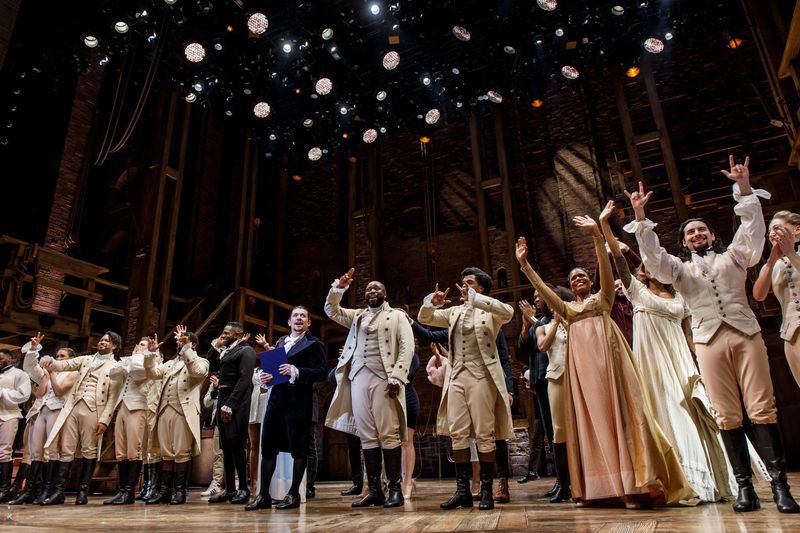
As the musical progresses towards its conclusion, it shifts its focus to the legacy of Alexander Hamilton and the enduring impact of his work. The latter half of the show grapples with his contributions to the American financial system, his vision for a strong federal government, and the often-overlooked aspects of his life and contributions. The musical also emphasizes the role of Eliza Schuyler in preserving Hamilton’s legacy and ensuring his story was told. Her efforts in collecting his writings and advocating for his memory become a powerful testament to love, resilience, and the importance of shaping one’s own narrative. The musical concludes with a poignant reflection on the ephemeral nature of life and the lasting imprint individuals leave behind, prompting audiences to consider their own place in the grand tapestry of history.
The “Why”: Unpacking the Phenomenal Popularity
“Hamilton’s” meteoric rise to fame is a testament to a confluence of factors, extending far beyond a well-told story. It’s a strategic blend of artistic innovation, cultural relevance, and astute branding that has cemented its place in the popular consciousness.
Revolutionary Storytelling: A Genre-Bending Masterpiece
The most significant driver of “Hamilton’s” popularity is undoubtedly its revolutionary approach to storytelling. Lin-Manuel Miranda’s decision to cast actors of color in roles historically played by white actors, and to tell the story of America’s founding through the lens of hip-hop, R&B, and contemporary musical styles, was a bold and game-changing move. This artistic choice not only made the history more accessible and engaging for a diverse modern audience but also challenged traditional notions of who gets to tell America’s story. The fusion of genres creates a dynamic and energetic experience that resonates with younger generations, making them feel a personal connection to historical events. The use of rap, in particular, allows for the dense exposition of historical facts and complex ideas to be delivered with rhythmic precision and emotional impact. This innovative approach has fundamentally altered perceptions of what musical theater can be.
Thematic Resonance: Modern Relevance in Historical Context
Beyond its innovative form, “Hamilton” strikes a chord with audiences due to its timeless and universal themes. The musical delves into the struggles of immigrants, the pursuit of the American Dream, the corrupting influence of power, the complexities of family and loyalty, and the enduring consequences of ambition and regret. These themes are not confined to the 18th century; they are as relevant today as they were during the Revolutionary era. The musical’s exploration of these enduring human experiences allows audiences from all walks of life to find themselves reflected in the characters and their struggles. The narrative’s emphasis on building a nation, the sacrifices made, and the ongoing debates about identity and belonging speak directly to contemporary societal conversations.
Strategic Marketing and Cultural Impact: Beyond the Stage
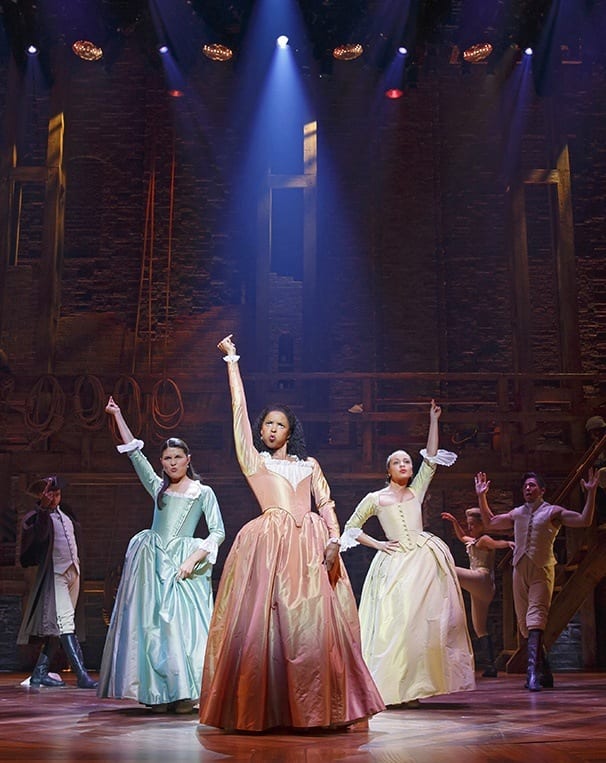
The popularity of “Hamilton” has also been amplified by incredibly effective marketing and its subsequent permeation into broader culture. The original Broadway cast recording achieved multi-platinum status, introducing the music to millions before they even saw the show. Social media played a crucial role, with fans sharing clips, discussing lyrics, and creating their own interpretations. The musical’s ability to transcend the theater has been further solidified by the Disney+ release of the filmed version, making it accessible to a global audience during a time when live performances were limited. This strategic distribution amplified its reach exponentially, turning it into a shared cultural moment. Furthermore, the musical has been praised for its educational value, becoming a popular tool for teaching American history in schools. Its critical acclaim, numerous awards, and consistent sell-out crowds have all contributed to its undeniable cultural cachet, making “Hamilton” not just a musical but a significant cultural phenomenon.
aViewFromTheCave is a participant in the Amazon Services LLC Associates Program, an affiliate advertising program designed to provide a means for sites to earn advertising fees by advertising and linking to Amazon.com. Amazon, the Amazon logo, AmazonSupply, and the AmazonSupply logo are trademarks of Amazon.com, Inc. or its affiliates. As an Amazon Associate we earn affiliate commissions from qualifying purchases.