
In the traditional financial world, central banks manage the money supply by adjusting interest rates or engaging in quantitative easing—essentially printing more currency to stimulate the economy. This often leads to inflation, where the purchasing power of a currency decreases over time. In the digital asset space, specifically regarding Bitcoin and similar cryptocurrencies, a fundamentally different economic model exists. At the heart of this model is a programmed event known as “the halving.”
The halving is a pre-scheduled reduction in the rewards that miners receive for processing transactions and securing the network. It is the primary mechanism through which the supply of a digital asset is controlled, ensuring it remains a scarce resource. For investors, financial analysts, and personal finance enthusiasts, understanding the halving is crucial because it dictates the issuance rate of the asset, influences market sentiment, and historically serves as a catalyst for significant price action.

The Mechanics of the Halving Process
To understand the halving, one must first understand the role of mining. In a Proof-of-Work (PoW) ecosystem, miners use high-powered hardware to solve complex mathematical puzzles. When a miner successfully solves a puzzle, they “mine” a new block, adding it to the blockchain. As a reward for this service, the protocol grants them a specific amount of newly minted cryptocurrency, plus any transaction fees paid by users.
Block Rewards and the Issuance Schedule
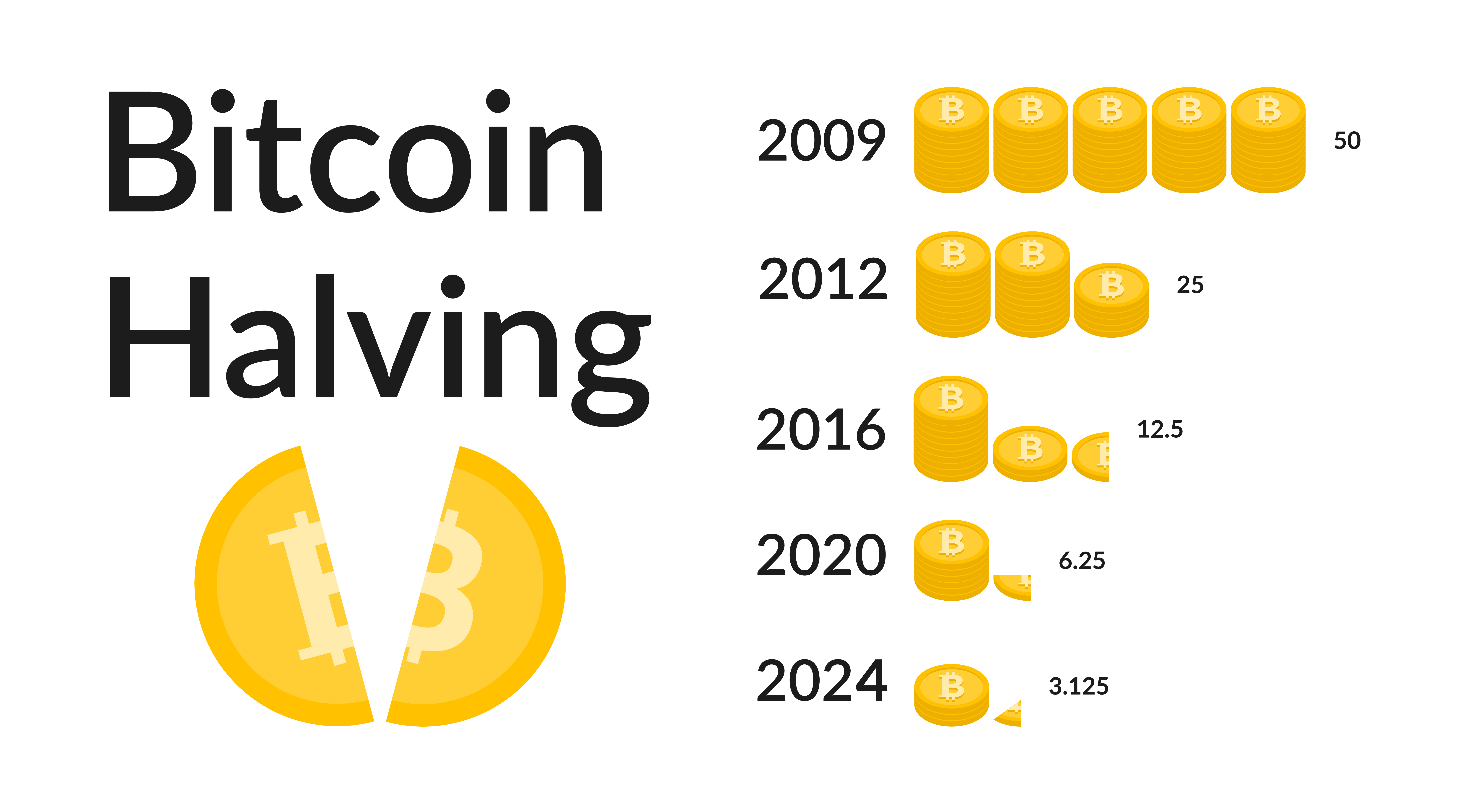
When Bitcoin was first launched in 2009, the block reward was 50 BTC. The creator, Satoshi Nakamoto, hardcoded a rule into the protocol: the reward would be cut in half every 210,000 blocks. Given that blocks are added to the chain roughly every 10 minutes, this event occurs approximately once every four years.
This issuance schedule is transparent and immutable. Unlike a central bank, which might decide to change monetary policy based on political or economic shifts, the halving is automated. It ensures that the total supply of Bitcoin will never exceed 21 million. This cap creates “absolute scarcity,” a concept that distinguishes digital assets from fiat currencies, which can be inflated indefinitely.
The Difficulty Adjustment and Network Security
A common question arises: if the reward is cut in half, why wouldn’t miners simply quit? The system accounts for this through the “difficulty adjustment.” If miners leave the network because it is no longer profitable, the mathematical puzzles become easier to solve. This ensures that blocks continue to be produced at a steady rate. Conversely, if the price of the asset rises significantly after a halving, more miners may join, increasing the difficulty to maintain the 10-minute block interval. This self-regulating cycle maintains the integrity of the network regardless of the halving’s impact on individual profit margins.
Historical Performance and Market Cycles
For many investors, the halving is not just a technical update; it is the starting gun for a new market cycle. Historically, the periods leading up to and following a halving have been characterized by heightened volatility and significant upward trends. By examining past events, we can identify patterns that have shaped the current crypto-economic landscape.
A Look at Past Halving Events
- The 2012 Halving: The first halving saw the reward drop from 50 to 25 BTC. At the time, the asset was largely unknown to the general public. Following the event, the price grew from roughly $12 to over $1,000 within a year.
- The 2016 Halving: The reward dropped to 12.5 BTC. This cycle was marked by the rise of Initial Coin Offerings (ICOs) and increased retail interest. The price rose from approximately $650 to nearly $20,000 by late 2017.
- The 2020 Halving: The reward fell to 6.25 BTC. This event occurred amidst a global economic shift and the entry of institutional players like MicroStrategy and Tesla. Within 18 months, the asset reached new all-time highs near $69,000.
The Stock-to-Flow Model
The halving is often analyzed through the lens of the “Stock-to-Flow” (S2F) model. This model measures the current stock (total supply) against the flow (annual production). A higher S2F ratio indicates that the asset is becoming scarcer. Gold has a high S2F ratio because it is difficult to mine new gold relative to the amount already in existence. Each halving doubles the S2F ratio of the digital asset, theoretically increasing its value as it becomes “harder” money than even precious metals. While critics argue that price is driven by more than just supply, the S2F model remains a popular tool for long-term valuation.
Impact on Investors and the Broader Economy
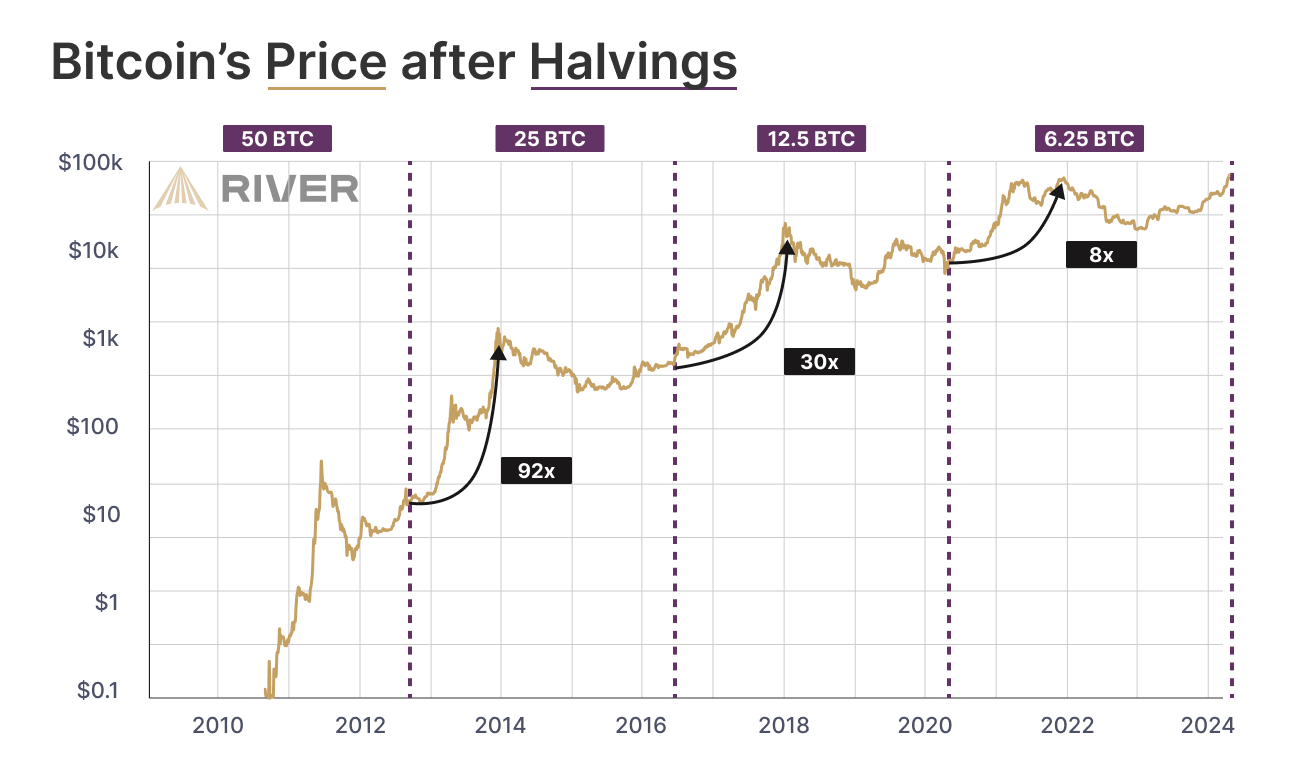
The halving creates a “supply shock.” If the demand for an asset remains constant or increases while the rate of new supply enters the market at half the previous speed, economic theory dictates that the price should rise. However, the impact on a personal finance portfolio goes beyond simple price appreciation.
Market Sentiment and the Hype Cycle
The halving is a highly publicized event. In the months leading up to it, media coverage increases, and investors often begin to “front-run” the event, buying in anticipation of post-halving gains. This can lead to a “buy the rumor, sell the news” scenario where the price surges before the halving and then experiences a temporary correction immediately after the event.
For the disciplined investor, these cycles offer opportunities for strategic entry and exit. Understanding that the halving is a long-term supply-side adjustment—rather than an overnight miracle—is essential for managing emotional responses to market volatility.
Long-term vs. Short-term Investment Strategies
From a wealth-building perspective, the halving reinforces the “HODL” (Hold On for Dear Life) mentality. Because the issuance rate is guaranteed to decrease, long-term participants often view the halving as a validation of the asset’s value proposition as a store of value.
- Dollar-Cost Averaging (DCA): Many investors use the halving schedule to time their DCA strategies, increasing their positions during the “accumulation phase” that typically occurs in the year preceding the halving.
- Risk Management: Despite the bullish history, investors must account for the fact that as the market matures, the percentage gains in each subsequent cycle may diminish. The “Law of Large Numbers” suggests that it takes significantly more capital to move the price from $50,000 to $100,000 than it did to move it from $500 to $1,000.
The Role of Miners and Corporate Finance
While retail investors focus on price, the halving is a existential event for the mining industry. Mining is a capital-intensive business involving massive investments in specialized hardware (ASICs) and energy contracts. When the reward is halved, a miner’s revenue is essentially cut in half overnight, while their operational costs (electricity) remain the same.
Profitability Margins and Consolidation
Only the most efficient miners—those with the lowest electricity costs and the newest hardware—survive the halving. This often leads to industry consolidation. Smaller, less efficient operations may be forced to shut down or be acquired by larger, publicly traded mining firms. For those interested in business finance, tracking the “hash rate” (the total computational power of the network) around the halving provides insight into the health of the industry. Surprisingly, the hash rate often hits new highs shortly after a halving, as miners upgrade their fleets to remain competitive.
The Shift to Transaction Fees
As the block reward continues to halve every four years, it will eventually reach zero (estimated to happen around the year 2140). At that point, miners will be compensated entirely through transaction fees. This transition is a critical component of the long-term economic sustainability of the network. If the network is widely used for global commerce and settlement, the fees generated should be sufficient to incentivize miners to keep the network secure.
The Future of Halving and Institutional Adoption
As we move further into the era of institutional finance, the halving is no longer just a “crypto” event; it is a global macro event. The introduction of Spot ETFs (Exchange Traded Funds) has connected the halving’s supply-side mechanics with the massive liquidity of traditional stock markets.
Beyond Bitcoin: Halving in Other Assets
While Bitcoin is the most famous example, other cryptocurrencies like Litecoin and Bitcoin Cash also utilize halving mechanisms. Each asset’s halving provides a case study in how different communities and market caps respond to supply shocks. However, Bitcoin remains the primary benchmark for the industry, and its halving cycle usually dictates the movement of the entire digital asset market.
Preparing Your Portfolio for the Next Cycle
Understanding the halving allows an investor to look past daily price fluctuations and focus on the fundamental shift in supply. It serves as a reminder of the importance of “hard money” in a world of increasing debt and currency devaluation. By aligning an investment strategy with these predictable four-year cycles, individuals can better navigate the complexities of the digital economy, turning a technical protocol update into a cornerstone of their long-term financial plan.
In conclusion, the halving is the ultimate expression of digital scarcity. It is a programmed, transparent, and unstoppable event that contrasts sharply with the discretionary policies of traditional finance. Whether you are a retail investor looking for a side hustle or a corporate strategist managing a balance sheet, the halving is the engine that drives the value proposition of the world’s most prominent digital asset. As the supply continues to tighten, the economic implications of the halving will only grow in significance, cementing its role as a pivotal event in the modern financial calendar.
aViewFromTheCave is a participant in the Amazon Services LLC Associates Program, an affiliate advertising program designed to provide a means for sites to earn advertising fees by advertising and linking to Amazon.com. Amazon, the Amazon logo, AmazonSupply, and the AmazonSupply logo are trademarks of Amazon.com, Inc. or its affiliates. As an Amazon Associate we earn affiliate commissions from qualifying purchases.