
Hair transplantation, once a whispered topic and a last resort for thinning hair, has evolved into a sophisticated and highly effective medical procedure. For millions struggling with hair loss, it represents a tangible solution, not just to a physical change but to a profound boost in self-esteem and confidence. This isn’t simply about reversing the visible signs of aging or genetics; it’s about reclaiming a part of one’s identity that has been impacted by a condition that can affect both men and women across various life stages.
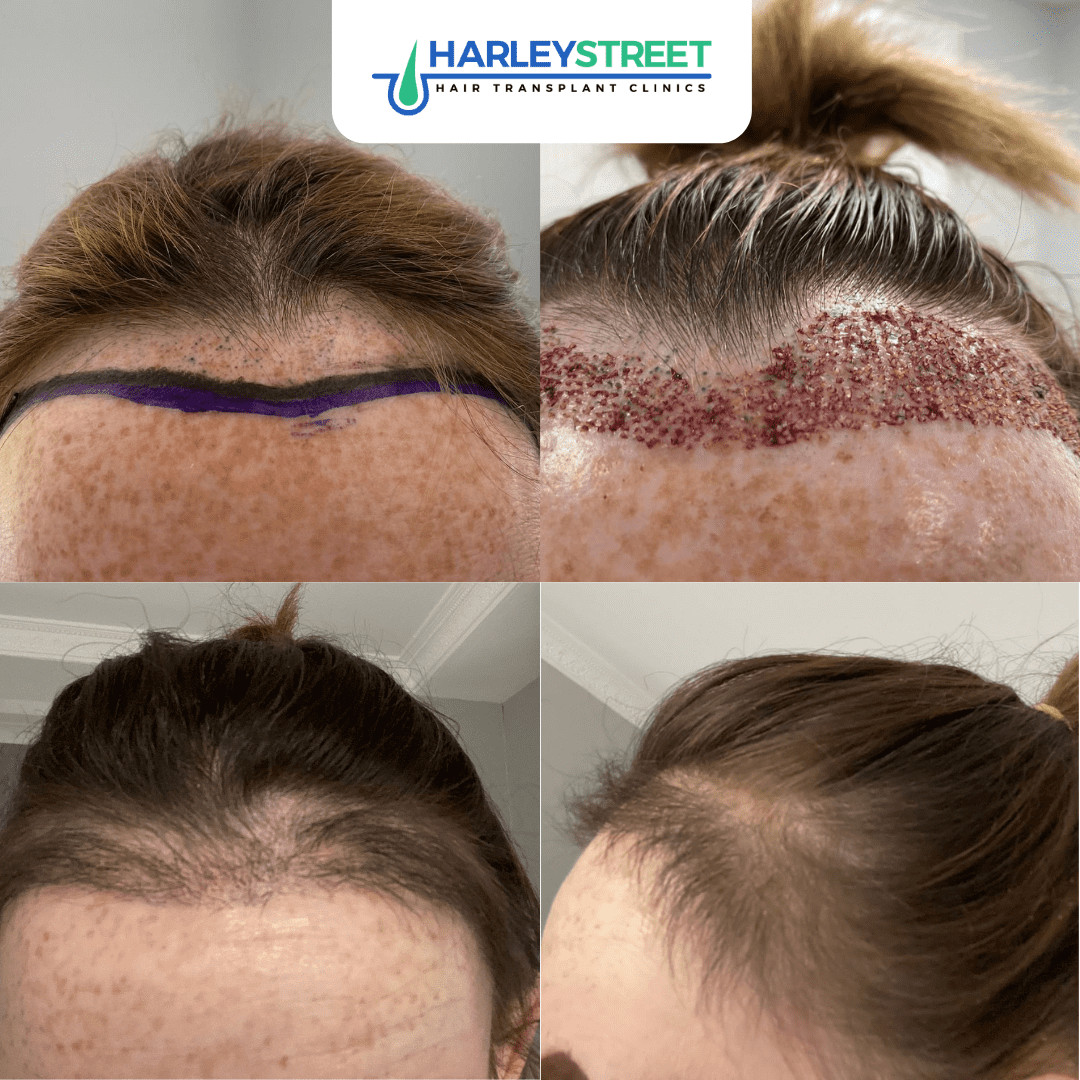
The journey of hair transplantation is a fascinating blend of medical science, artistic precision, and increasingly, technological innovation. While the core principle – moving hair follicles from one area of the scalp to another – remains constant, the methods, tools, and understanding of the underlying biology have advanced dramatically. This article will explore the intricacies of hair transplantation, demystifying the process, highlighting the technological advancements, and touching upon how this procedure can be viewed through the lenses of personal branding, and even the financial investment it represents.
The Science and Art of Hair Restoration
At its heart, hair transplantation is a surgical procedure that redistributes hair follicles. The fundamental concept is to harvest hair from areas of the scalp that are genetically resistant to thinning or baldness, typically the back and sides of the head (known as donor areas), and then implant these follicles into areas experiencing hair loss, such as the crown or hairline. The reason this works is due to the genetic programming of hair follicles. Those in the donor areas are programmed to continue growing throughout a person’s life, even in the presence of male or female pattern baldness. When transplanted, these follicles retain their genetic predisposition to grow.
Understanding the Donor Area and Hair Follicle Units
The success of any hair transplant hinges on the quality and quantity of the donor hair available. The donor area is crucial because it’s the source of the grafts that will populate the thinning areas. Surgeons carefully assess the density and caliber of hair in the donor region to ensure that removing grafts will not result in a noticeably thinned or patchy appearance in that area.
Hair follicles on the scalp don’t grow individually; they grow in naturally occurring clusters called follicular units. A follicular unit can contain anywhere from one to four hairs. Modern hair transplantation techniques are designed to harvest and implant these follicular units as intact as possible to ensure the most natural-looking results and optimal survival rates of the transplanted hair.
Evolution of Transplantation Techniques: From Strips to Individual Grafts
The history of hair transplantation is marked by significant technological and methodological advancements. Early techniques involved harvesting a strip of scalp from the donor area, which was then dissected under a microscope to isolate individual follicular units. This method, known as Follicular Unit Transplantation (FUT), still has its place, particularly for individuals requiring a large number of grafts, as it can yield a high density of harvested follicular units. However, FUT typically leaves a linear scar at the donor site, which can be a concern for some patients.
In recent decades, the landscape has been revolutionized by the advent of Follicular Unit Extraction (FUE). FUE is a less invasive technique where individual follicular units are extracted directly from the donor area using a small, circular punch tool. This method eliminates the need for a linear incision and typically results in tiny, virtually unnoticeable dot-like scars scattered across the donor region. This makes FUE a popular choice for patients who prefer to wear their hair short or are concerned about visible scarring.
The Precision of Follicular Unit Extraction (FUE)
FUE has become the gold standard for many hair transplant procedures due to its minimally invasive nature and aesthetic advantages. The process involves using a specialized micro-punch tool, ranging from 0.7mm to 1.0mm in diameter, to gently extract individual follicular units from the donor area. This can be done either manually or with the assistance of automated devices. The extracted units are then meticulously prepared under magnification to ensure their viability.
The implantation phase of FUE is equally critical. The surgeon creates tiny recipient sites in the balding or thinning areas, carefully considering the angle, depth, and direction of each graft to achieve a natural-looking hairline and hair density. This artistic placement is a hallmark of a skilled hair transplant surgeon. The meticulous approach of FUE, focusing on the integrity of each follicular unit, contributes significantly to the high success rates and natural aesthetic outcomes.
The enduring relevance of Follicular Unit Transplantation (FUT)
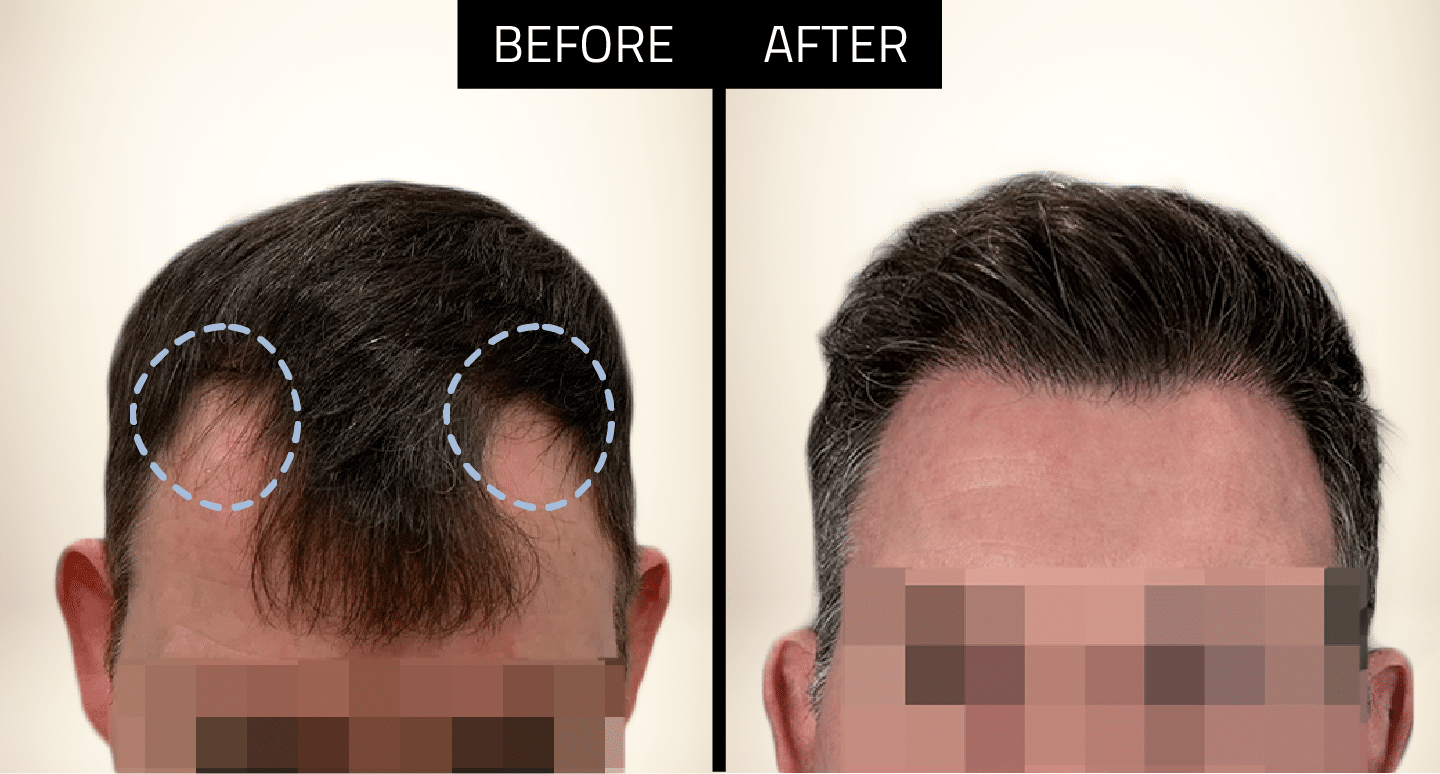
Despite the rise of FUE, Follicular Unit Transplantation (FUT), also known as the strip method, remains a valuable technique in the hair restoration arsenal. FUT involves surgically removing a thin strip of scalp from the donor area. This strip is then meticulously dissected by a team of highly trained technicians under microscopes to isolate individual follicular units. The donor area is then closed with sutures, typically resulting in a linear scar.
FUT is often preferred when a very large number of grafts are needed in a single session, as it can sometimes be more time-efficient and yield a higher density of follicular units from the donor area compared to FUE. For individuals who plan to keep their hair longer, the linear scar from FUT is usually well-concealed by the surrounding hair. The skill of the surgeon in carefully closing the donor site is paramount in minimizing the visibility of the scar.
The Technological Edge: How Tech is Revolutionizing Hair Transplantation
The field of hair transplantation is increasingly benefiting from technological advancements, mirroring trends seen across various sectors of technology. From AI-assisted diagnostics to robotic extraction tools, innovation is enhancing precision, efficiency, and patient outcomes.
AI and Digital Tools in Diagnosis and Planning
Artificial intelligence (AI) is beginning to play a significant role in hair transplantation, particularly in the diagnostic and planning stages. AI algorithms can analyze high-resolution images of a patient’s scalp to accurately assess hair density, hair loss patterns, and the quality of donor hair. This data can help surgeons create more personalized treatment plans, predict potential outcomes with greater accuracy, and even estimate the number of grafts required for optimal results. Digital imaging software allows for precise simulation of potential results, giving patients a clear visual representation of what they can expect post-procedure. This transparency not only enhances patient satisfaction but also aligns with the principles of clear and effective brand communication in healthcare.
Robotic Assistance and Precision Instruments
Robotic hair transplant systems represent a significant leap forward in precision and automation. These systems, such as ARTAS, use advanced imaging and robotic arms to assist surgeons in the FUE process. The robot can identify and select suitable follicular units from the donor area with incredible accuracy, minimizing human error and optimizing graft survival. The system can also create recipient sites with precise angles and depths, contributing to a more natural and aesthetically pleasing hairline. While the surgeon remains in control and makes the final decisions, these robotic assistants enhance the efficiency and consistency of the procedure, pushing the boundaries of what’s technologically possible in hair restoration.
Hair Transplantation: An Investment in Personal Brand and Confidence
Beyond the medical and technological aspects, hair transplantation can be viewed as a strategic investment in one’s personal brand and overall confidence. In today’s image-conscious world, appearance often plays a significant role in how individuals are perceived, both personally and professionally.
Reclaiming Identity and Professional Presence
For many, hair is a defining characteristic. Significant hair loss can lead to feelings of diminished attractiveness, reduced self-confidence, and even anxiety about aging. A successful hair transplant can reverse these effects, allowing individuals to feel more comfortable and assured in their own skin. This renewed confidence can translate into a more assertive professional presence, improved social interactions, and a generally more positive outlook on life. It’s about presenting the best version of oneself to the world, aligning with the principles of personal branding – crafting and managing the image one projects.
Financial Considerations and Long-Term Value
While hair transplantation is a medical procedure that requires a financial investment, it’s essential to consider its long-term value. Unlike temporary solutions that require ongoing expenditure, a hair transplant is a permanent solution to hair loss. The cost of the procedure can vary significantly depending on the extent of hair loss, the technique used, and the surgeon’s expertise. However, when viewed as a one-time investment that yields lasting results and significant psychological benefits, many find it to be a worthwhile endeavor. Understanding the financial aspects, including potential financing options and comparing costs with the ongoing expense of non-surgical treatments, is crucial for making an informed decision. This aligns with the “Money” aspect of the website, focusing on smart financial planning and investment in personal well-being.
The Future of Hair Transplantation
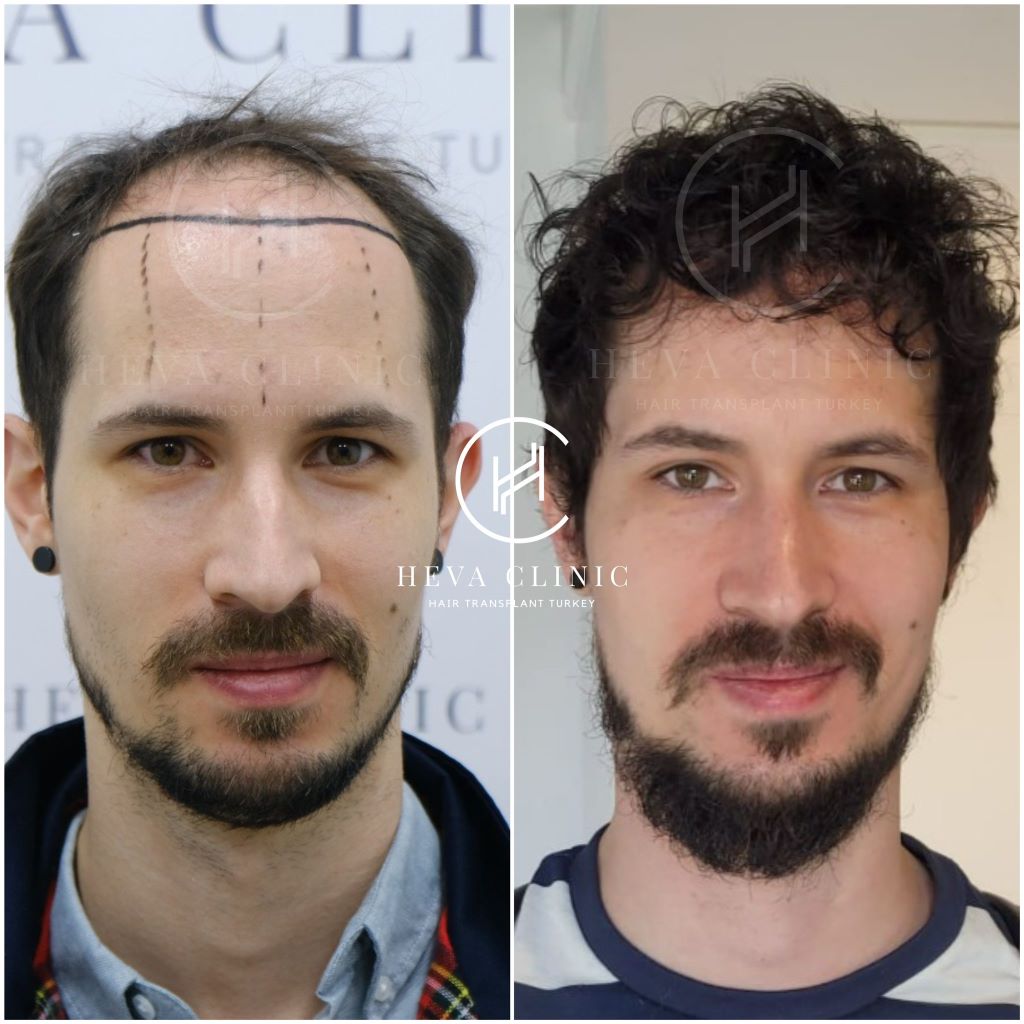
The trajectory of hair transplantation is one of continuous innovation. We can anticipate further integration of AI for even more sophisticated diagnostics and personalized treatment planning. Advancements in regenerative medicine, such as the potential for hair follicle cloning or bio-engineered hair growth, hold promise for the future, potentially reducing the reliance on donor hair. As technology continues to evolve and surgical techniques become more refined, hair transplantation will likely become even more accessible, effective, and predictable, empowering more individuals to regain their confidence and embrace a fuller head of hair. The journey from a rudimentary procedure to a sophisticated, technologically-driven solution underscores the relentless pursuit of excellence in restoring not just hair, but also the self-assurance and personal narrative of countless individuals.
aViewFromTheCave is a participant in the Amazon Services LLC Associates Program, an affiliate advertising program designed to provide a means for sites to earn advertising fees by advertising and linking to Amazon.com. Amazon, the Amazon logo, AmazonSupply, and the AmazonSupply logo are trademarks of Amazon.com, Inc. or its affiliates. As an Amazon Associate we earn affiliate commissions from qualifying purchases.