
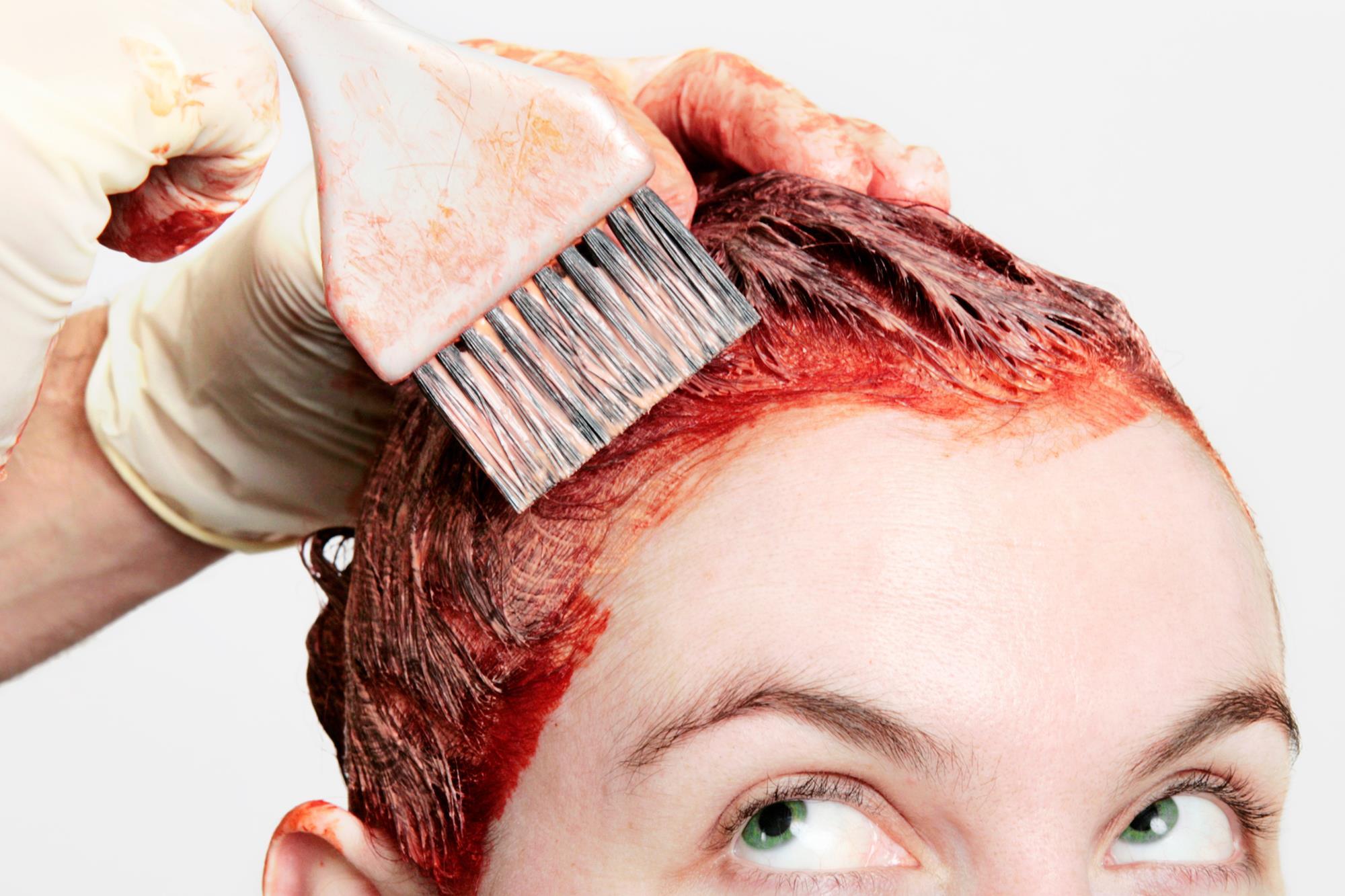
When we ask the question, “What is hair dye?” the immediate response often gravitates toward chemistry—alkali, pigments, and developers. However, in the professional landscape of brand strategy and corporate identity, hair dye is far more than a chemical solution. It is a multi-billion-dollar vehicle for self-expression, a cornerstone of the global beauty economy, and one of the most sophisticated examples of consumer psychology in marketing.
The global hair color market is projected to reach over $30 billion by the end of the decade. This growth isn’t merely driven by a desire to cover gray hair; it is propelled by a masterclass in brand differentiation, personal branding, and the strategic evolution of corporate identity. To understand what hair dye is in the modern context, we must look beyond the bottle and analyze it as a pivotal asset in the “Identity Economy.”
The Architecture of Authority: How Corporate Giants Defined “The Box”
For much of the 20th century, the hair dye industry was dominated by a few key players who redefined how consumers perceive value. Brands like L’Oréal, Clairol, and Wella did not just sell color; they sold an aspirational lifestyle. This is the foundation of corporate branding in the beauty sector: creating an emotional bridge between a chemical process and a psychological transformation.
Market Dominance and Legacy Branding
The history of hair dye is synonymous with the history of modern advertising. When L’Oréal launched its “Because You’re Worth It” campaign in the early 1970s, it shifted the brand strategy from product features (long-lasting color) to consumer empowerment. This shift is a classic case study in corporate identity. By positioning the product as a reward for the consumer’s intrinsic value, the brand created a “moat” that competitors struggled to cross.
In this niche, “what is hair dye” becomes a question of status. Legacy brands maintain their market share by leveraging decades of trust and consistent visual identity. Their packaging, font choices, and celebrity endorsements are meticulously curated to project authority and reliability, ensuring that when a consumer stands in a crowded retail aisle, they reach for the brand that feels like a “safe bet.”
The Shift from Mass Market to Prestige Positioning
As the market matured, brand strategists realized that “one size fits all” was a failing strategy. This led to the segmentation of the market into mass-market, “masstige,” and professional tiers. Corporate identity for these brands is now managed through sub-branding. A single parent company may own a $5 box brand and a $50 professional salon line. The brand strategy here relies on “perceived exclusivity.” By restricting certain formulations to professional environments, companies create an aura of prestige that justifies higher price points and reinforces the brand’s position as an industry innovator.
The Rise of the D2C Disruptors: Personalization as a Brand Strategy
The traditional retail model for hair dye has been disrupted over the last decade by Direct-to-Consumer (D2C) brands. These companies, such as Madison Reed and Arctic Fox, have redefined “what is hair dye” by making it a personalized service rather than a generic product. Their brand strategy is built on data, accessibility, and community engagement.
Case Study: Disrupting the Box Color Monopoly
D2C brands recognized a significant pain point in the traditional branding of hair color: the fear of failure. Many consumers viewed at-home hair dye as a risky endeavor. To counter this, newer brands built their corporate identity around “expert guidance.” By using online quizzes and algorithmic shade matching, they shifted the brand narrative from “here is a box” to “here is your custom-formulated solution.”
This strategy is brilliant because it captures first-party data. Every quiz a customer takes provides the brand with insights into consumer hair types, preferences, and geographic trends. This data allows the brand to refine its marketing and create hyper-targeted campaigns, a level of precision that traditional legacy brands are still struggling to match.
Community-Centric Branding and the Power of Social Proof
For brands like Arctic Fox, the product is inseparable from the community. Their brand strategy focuses on “vivids”—non-traditional colors like electric blue and neon pink. In this niche, hair dye is an badge of tribal belonging. The marketing doesn’t rely on glossy magazine ads; it relies on User-Generated Content (UGC).
By encouraging customers to share their results on social media, the brand turns its consumers into “brand evangelists.” This reduces customer acquisition costs and builds a level of brand loyalty that is nearly impossible to achieve through traditional advertising. Here, the brand identity is fluid, edgy, and deeply rooted in the digital-native experience.

The Professional Pivot: Personal Branding and the Stylist Economy
While retail and D2C brands focus on the product, the professional hair dye sector focuses on the person. For salon professionals, hair dye is a tool for personal branding. The stylist isn’t just a service provider; they are a brand in their own right, and the products they choose to use are a reflection of that brand’s quality and ethics.
The Influencer Pivot: Redefining Brand Loyalty
In the modern beauty landscape, stylists have become the new influencers. A stylist with a large Instagram following can make or break a hair dye brand’s success in the professional market. Manufacturers now spend millions on “ambassador programs,” ensuring that the most influential creators are using and promoting their specific color lines.
This creates a dual-layered branding effect. The manufacturer provides the “corporate brand” (the reliability and chemical excellence), while the stylist provides the “personal brand” (the artistry and lifestyle). For the end consumer, the decision to use a specific hair dye is often a vote of confidence in their stylist’s personal brand, rather than the manufacturer itself.
Monetizing Expertise: The Premiumization of Professional Services
Professional brands have mastered the art of “premiumization.” They position their hair dye products as high-tech, medical-grade, or “clean” to justify the premium cost of a salon visit. This brand strategy is designed to create a clear distinction between “amateur” at-home coloring and “professional” artistry.
By branding the process (e.g., “Balayage” or “Shadow Root”) rather than just the product, the industry has successfully shifted the consumer’s focus from the cost of the chemicals to the value of the expertise. This is a masterclass in service branding, where the product is merely a supporting character in a high-value experiential narrative.
The Future of Hair Color: Sustainability and Ethical Brand Evolution
As we look toward the future, the definition of “what is hair dye” is shifting toward ethical and environmental responsibility. In an era of radical transparency, a brand’s corporate identity is now tied to its supply chain, its ingredient list, and its environmental footprint.
Sustainability as a Competitive Advantage
Modern consumers are increasingly skeptical of “greenwashing.” For a hair dye brand to succeed today, sustainability must be baked into the brand strategy, not just added as a marketing afterthought. This includes using recycled packaging, eliminating harmful chemicals like ammonia or PPDs, and ensuring vegan and cruelty-free certifications.
Brands that successfully integrate these values into their identity are seeing significant growth. They are appealing to the “Conscious Consumer,” a demographic that is willing to pay more for products that align with their personal values. In this context, the “brand” is a statement of ethics.
Data-Driven Personalization and AI Integration
The final frontier of brand strategy in the hair dye world is the integration of technology. We are seeing the rise of AI-powered “try-on” tools and smart mirrors. While these are technological tools, their primary purpose is to strengthen the brand-consumer relationship.
By removing the “risk” of a new hair color through digital visualization, brands are increasing consumer confidence and reducing the barriers to purchase. This digital transformation is a crucial part of modern brand strategy, ensuring that the brand remains relevant in an increasingly tech-driven marketplace.
Conclusion: The Brand is the Color
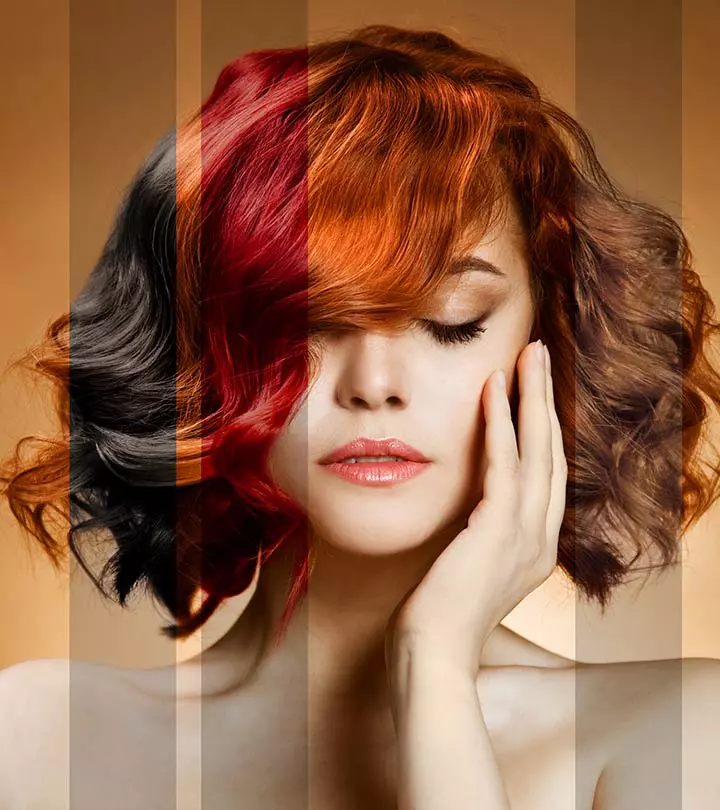
Ultimately, when we ask “what is hair dye,” the answer is a complex tapestry of brand strategy, corporate identity, and market positioning. It is a product that has successfully navigated the shift from a functional commodity to a deeply personal emotional investment.
Whether it is a legacy giant maintaining its authority through prestige marketing, a D2C disruptor using data to personalize the experience, or a professional stylist building a personal brand through expertise, the hair dye industry proves that the most successful products are those that understand the power of identity. In the world of business and marketing, hair dye isn’t just about changing a color—it’s about branding the way the world sees you.
aViewFromTheCave is a participant in the Amazon Services LLC Associates Program, an affiliate advertising program designed to provide a means for sites to earn advertising fees by advertising and linking to Amazon.com. Amazon, the Amazon logo, AmazonSupply, and the AmazonSupply logo are trademarks of Amazon.com, Inc. or its affiliates. As an Amazon Associate we earn affiliate commissions from qualifying purchases.