
Hail damage on a car represents far more than just cosmetic blemishes; it carries significant financial implications for vehicle owners, impacting everything from insurance premiums and repair costs to resale value and long-term financial planning. Understanding the nuances of hail damage from a monetary perspective is crucial for effective asset management and protecting one of your most significant investments. It’s an event that necessitates a clear financial strategy, whether through immediate action or proactive insurance planning.
Understanding the Financial Impact of Hail Damage
When hail strikes a vehicle, the immediate visual evidence—dents, dings, and sometimes shattered glass—is merely the surface-level indication of a deeper financial problem. The monetary value of your car can plummet almost instantly, even if the damage appears minor. This depreciation is a critical financial consideration, as it affects not only the vehicle’s market value but also its loan-to-value ratio if financed, and its valuation for trade-in purposes.
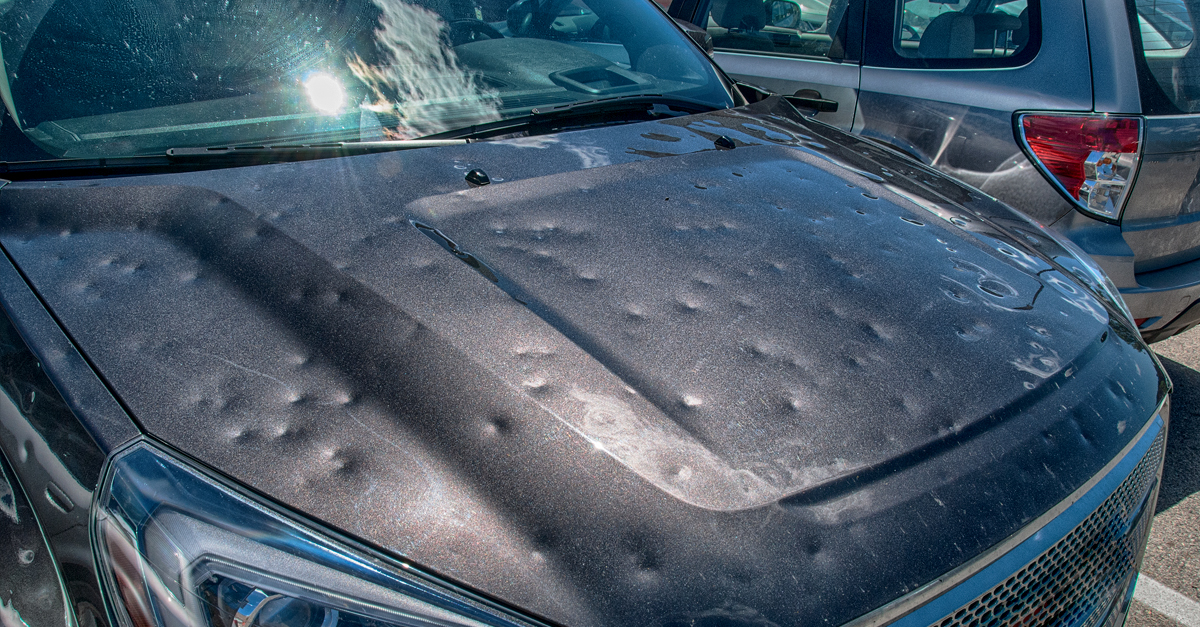
The severity and type of hail damage directly dictate the ensuing repair costs, which can range from a few hundred dollars for minor dings to several thousand for extensive body and glass work. Factors such as the size and density of the hailstones, the duration of the storm, and the material composition of your car’s exterior all play a role. Aluminum panels, for instance, often cost more to repair than steel due to their specific repair techniques and material properties. Moreover, luxury vehicles or those with complex paint finishes may incur higher repair bills due to specialized labor and materials. Long-term depreciation also becomes a factor; even after professional repairs, a vehicle with a history of significant hail damage might be flagged on vehicle history reports, potentially reducing its appeal and subsequent resale value, thus eroding your original investment.
Navigating Insurance Claims for Hail Damage
For most car owners, comprehensive insurance coverage is the primary financial safeguard against hail damage. This type of coverage typically pays for damage to your car that isn’t caused by a collision, including events like theft, vandalism, fire, and natural disasters such as hail. Without comprehensive coverage, the entire financial burden of hail damage repair would fall squarely on the owner.
The deductible plays a crucial financial role in this process. This is the amount you are responsible for paying out-of-pocket before your insurance coverage kicks in. A higher deductible typically translates to lower monthly premiums but means a larger upfront cost during a claim. Conversely, a lower deductible leads to higher premiums but reduces your immediate financial outlay after an incident. Financially savvy individuals often weigh the trade-off between these options based on their risk tolerance and emergency fund availability.
The claims process itself requires careful navigation. It typically involves reporting the damage to your insurer, obtaining an appraisal from an adjuster, and then selecting a repair shop. Delays or missteps can prolong the process and potentially impact your ability to receive full compensation. In extreme cases, if the cost of repairs exceeds a certain percentage of the vehicle’s actual cash value (ACV)—a threshold determined by your insurer and state laws—the car may be declared a “total loss.” From a financial perspective, a total loss means the insurer pays out the ACV of the vehicle, minus your deductible, allowing you to purchase a new car. This can be a complex scenario, especially if the ACV is less than what you owe on a car loan, potentially creating a financial shortfall unless you have gap insurance.
Deciding when to file a claim versus paying out of pocket is a critical financial analysis. If the repair cost is only slightly above your deductible, or even below it, paying for the repairs yourself might be the more financially prudent option. Filing a claim, especially for minor damage, could potentially lead to an increase in your insurance premiums, offsetting the benefit of the payout over time. Understanding your policy’s terms and conditions, including any clauses related to premium increases after claims, is vital for making an informed financial decision.
Repair Methods and Their Financial Implications

The approach taken to repair hail damage has direct and significant financial implications. The choice of repair method can dramatically affect both the cost and the quality of the restoration, thereby influencing the car’s future value.
Paintless Dent Repair (PDR) is often the preferred and most cost-effective method for minor to moderate hail damage where the paint surface remains intact. PDR specialists use specialized tools to meticulously push or pull the dents from the underside of the panel, restoring its original shape without the need for sanding, filling, or repainting. Financially, PDR is attractive because it is significantly cheaper than traditional body shop repairs, typically costing less per dent and requiring less labor time. Furthermore, because it preserves the original factory paint, PDR helps maintain the vehicle’s value, avoiding potential issues with mismatched paint colors or compromised factory finishes that can deter future buyers. However, PDR has its limitations; it is not suitable for dents with sharp creases, paint chips, or damage to plastic body parts.
Traditional Body Shop Repair becomes necessary when the hail damage is severe, involving cracked paint, deep creases, damage to plastic components, or panels that are too extensively damaged for PDR. This method typically involves sanding down the affected area, applying body filler, repainting, and blending the new paint to match the surrounding panels. While effective for severe damage, this process is considerably more expensive and time-consuming than PDR. The costs stem from higher labor rates, material expenses (paint, filler), and the need for specialized equipment like paint booths. From a financial standpoint, traditional repairs can significantly impact a vehicle’s value, particularly if not executed flawlessly, as repainted panels can be detectable and may lower market perception. Choosing a reputable, certified body shop is paramount to ensure high-quality repairs that mitigate further financial depreciation. While potentially more expensive upfront, certified repairs offer peace of mind and often come with warranties, protecting your investment.
The Long-Term Financial Consequences of Unrepaired Hail Damage
Ignoring hail damage, even if it appears minor, can lead to a cascade of negative financial consequences for a vehicle owner. The most immediate and often significant impact is on the resale value of the car. A vehicle with unrepaired hail damage is visually unappealing and will command a considerably lower price on the used car market or at trade-in. Buyers are naturally wary of damaged vehicles, perceiving them as neglected or potentially hiding deeper issues, leading to significant negotiation leverage against the seller. The financial loss from this depreciation can often exceed the cost of repairs, making the decision to leave damage unrepaired a costly mistake in the long run.
Beyond resale value, unrepaired damage can lead to future insurance complications. If you decide to file a claim for new damage in the future, your insurer may deny the claim or reduce the payout if they identify pre-existing, unreported hail damage. This can leave you financially exposed for both the new and old damages. Furthermore, some insurers may even drop coverage or increase premiums if a vehicle is deemed inadequately maintained or high-risk due to visible, unaddressed damage.
From a financial investment standpoint, prompt repair is almost always the more prudent course of action. Delaying repairs not only allows the damage to fester but can also lead to secondary issues such as rust if the paint surface was compromised, incurring even greater repair costs down the line. Investing in timely repairs is akin to maintaining the value of any other significant asset; it protects your equity and prevents minor issues from escalating into major financial burdens. Proactive measures, such as parking in covered areas during hail warnings or investing in car covers, represent a small upfront cost that can offer a substantial return on investment by mitigating future hail damage risks and protecting your financial asset.
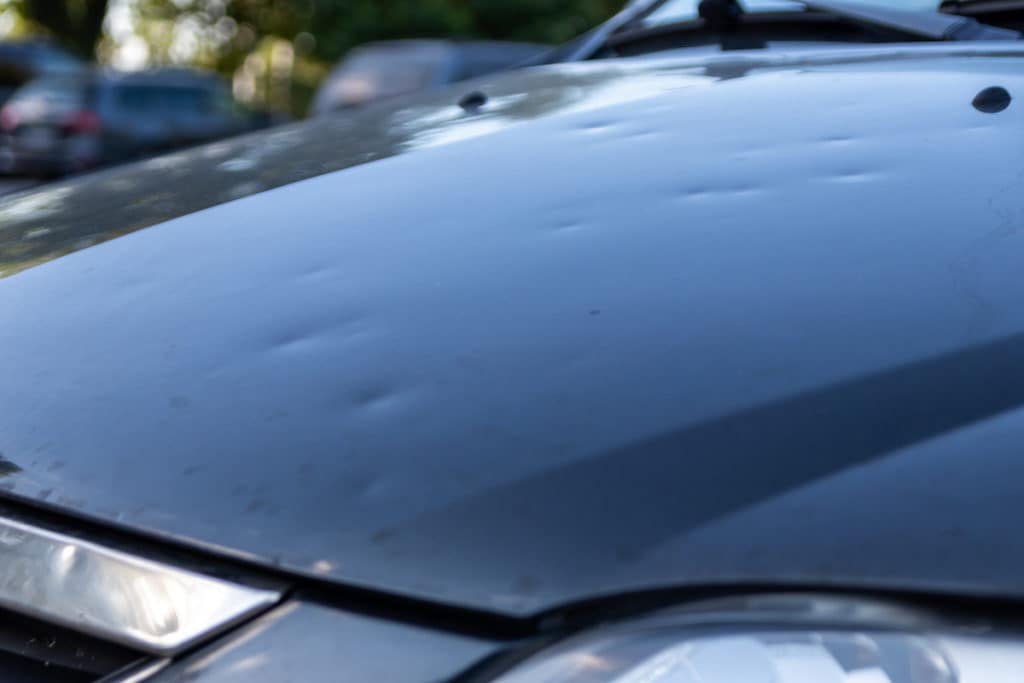
Proactive Financial Planning Against Hail Events
Mitigating the financial fallout from hail damage extends beyond post-event responses to include robust, proactive financial planning. A key component of this is regularly reviewing your auto insurance policy. It’s not enough to simply have comprehensive coverage; understanding its limits, your deductible, and any specific clauses related to natural disasters is vital. Consider whether increasing your comprehensive coverage limits or adjusting your deductible makes financial sense based on your risk tolerance and the value of your vehicle.
Building an emergency fund specifically for unexpected car repairs is another cornerstone of financial resilience. While insurance covers much of the cost, deductibles, rental car expenses (if not covered), and potential premium increases are out-of-pocket costs that an emergency fund can absorb without disrupting your overall financial stability. Allocating a portion of your savings to this contingency provides a financial cushion, allowing you to address damage promptly and avoid compounding financial issues.
Furthermore, understanding your local climate risks is essential for informed financial planning. If you reside in an area prone to frequent hailstorms, the financial implications are higher. This knowledge might influence decisions regarding where you park your vehicle, whether you invest in a garage or carport, or even your choice of vehicle if you are particularly concerned about high repair costs for certain models.
Finally, for those who lease or finance their vehicles, considering gap insurance or new car replacement coverage can offer an additional layer of financial protection. Gap insurance covers the difference between what you owe on a loan or lease and the car’s actual cash value if it’s declared a total loss. Without it, you could be left owing money on a car you no longer possess. New car replacement coverage, often an add-on, ensures that if your new vehicle is totaled within a certain timeframe or mileage, it will be replaced with a brand-new one rather than just its depreciated cash value. These financial tools, while incurring additional premium costs, can significantly reduce your financial risk and protect your investment in the face of unforeseen catastrophic events like severe hail.
aViewFromTheCave is a participant in the Amazon Services LLC Associates Program, an affiliate advertising program designed to provide a means for sites to earn advertising fees by advertising and linking to Amazon.com. Amazon, the Amazon logo, AmazonSupply, and the AmazonSupply logo are trademarks of Amazon.com, Inc. or its affiliates. As an Amazon Associate we earn affiliate commissions from qualifying purchases.