
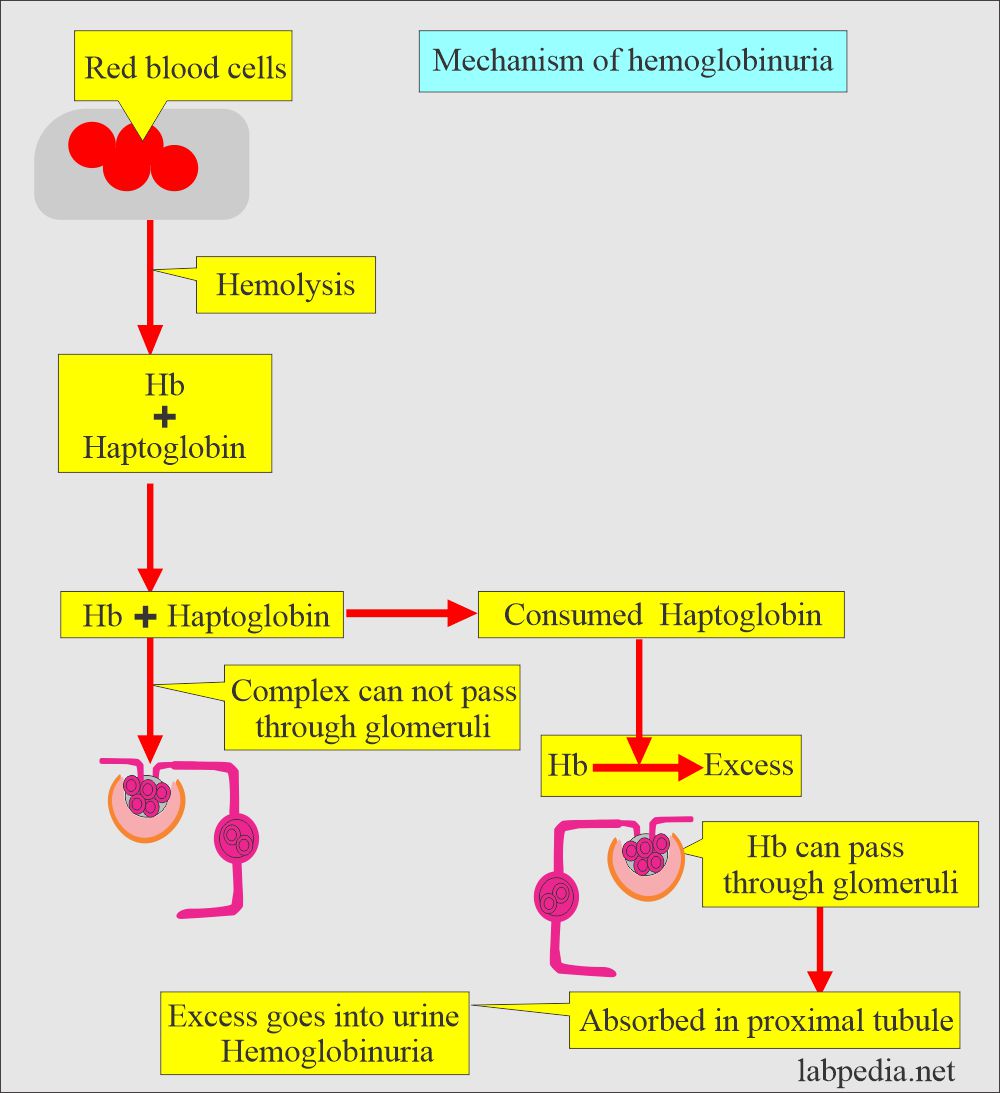
Haemoglobinuria, a condition characterized by the presence of free haemoglobin in the urine, signifies a serious underlying pathology within the body. While historically understood through clinical observation and basic laboratory tests, its accurate and timely detection, along with the nuanced understanding of its causes and implications, has been profoundly shaped by technological advancements. This exploration delves into haemoglobinuria not just as a medical ailment, but as a condition whose diagnosis, management, and research are intrinsically linked to the ever-evolving landscape of technology. From the sophisticated imaging techniques that reveal haemolytic processes to the molecular diagnostic tools that pinpoint genetic predispositions, technology plays a pivotal role in demystifying this complex health challenge.
The Technological Arsenal for Detecting Haemoglobinuria
The identification of haemoglobinuria has moved far beyond simple visual inspection of urine color. Modern diagnostic approaches leverage a sophisticated array of technologies to confirm the presence of haemoglobin, differentiate it from other coloured substances, and subsequently investigate its origin. This multi-pronged technological assault ensures a comprehensive understanding of the patient’s condition, paving the way for targeted interventions.
Microscopic and Spectrophotometric Analysis: The Foundation of Detection
At the core of haemoglobinuria detection lies the ability to quantitatively and qualitatively assess the urine. Traditional urinalysis, a cornerstone of medical diagnostics, has been significantly enhanced by technological integration.
Urinalysis with Enhanced Imaging and Automation
Standard urinalysis involves examining urine under a microscope. However, modern automated urine analyzers have revolutionized this process. These machines utilize advanced imaging systems, often employing digital microscopy and artificial intelligence algorithms to identify and quantify red blood cells, haemoglobin casts, and other urinary sediments with unprecedented accuracy and speed. This automation reduces human error and allows for higher throughput, making initial screening more efficient. Complementing this, spectrophotometry plays a crucial role. By measuring the absorption and transmission of light through a urine sample, spectrophotometers can precisely quantify the concentration of haemoglobin. This objective measurement is vital in confirming haemoglobinuria and distinguishing it from other chromogens that might impart a similar colour to the urine, such as myoglobinuria or porphyrins. The development of portable, point-of-care spectrophotometric devices further democratizes this diagnostic capability, enabling faster assessment in diverse settings.
Dipstick Technology and its Digital Evolution
Urine dipsticks have long been a rapid screening tool for haemoglobin. These chemically impregnated strips react with haemoglobin, producing a colour change that indicates its presence. While conceptually simple, the technology behind these dipsticks has evolved. Modern dipsticks often incorporate multiple chemical pads to detect other analytes simultaneously, providing a broader diagnostic picture. Furthermore, the advent of digital dipstick readers has transformed this basic technology. These devices automate the reading of dipstick results, eliminating subjective interpretation and providing quantitative data that can be directly entered into electronic health records. This integration enhances data reliability and facilitates trend analysis, crucial for monitoring treatment efficacy and disease progression.
Advanced Imaging Techniques: Visualizing the Underlying Causes
While direct detection of haemoglobin in urine is the primary step, understanding the cause of haemoglobinuria often necessitates advanced imaging technologies that can visualize the haemolytic processes or anatomical abnormalities contributing to the condition.
Ultrasound and Doppler for Renal and Vascular Assessment
Ultrasound technology, particularly with Doppler capabilities, is invaluable in assessing the kidneys and urinary tract for structural abnormalities that might lead to haemoglobinuria. It can identify kidney stones, tumors, or congenital malformations that could cause bleeding within the urinary system. Doppler ultrasound can also assess blood flow within the renal arteries and veins, helping to diagnose conditions like renal artery stenosis or thrombosis, which can compromise kidney function and potentially contribute to haemoglobinuria. The increasing resolution and portability of ultrasound machines have made them accessible diagnostic tools even in remote or resource-limited settings.
Computed Tomography (CT) and Magnetic Resonance Imaging (MRI) for Comprehensive Visualization
For a more detailed and comprehensive view, Computed Tomography (CT) scans and Magnetic Resonance Imaging (MRI) are indispensable. CT scans provide cross-sectional images of the body, allowing for the detection of haemorrhages, tumors, or other masses within the kidneys, bladder, or surrounding structures. Contrast-enhanced CT scans can further delineate vascular structures and identify areas of active bleeding. MRI, with its superior soft-tissue contrast, offers detailed visualization of renal parenchyma and perirenal tissues, proving particularly useful in diagnosing inflammatory conditions, identifying subtle masses, or evaluating the extent of renal damage. These advanced imaging modalities, coupled with sophisticated image processing software and artificial intelligence-driven image analysis, enable clinicians to pinpoint the source of haemoglobinuria with remarkable precision.
Molecular Diagnostics and Biomarker Discovery: Unraveling the Genetic and Cellular Roots
Beyond macroscopic and microscopic detection, the technological frontier in understanding haemoglobinuria lies in molecular diagnostics and the ongoing discovery of specific biomarkers. These technologies allow for a deeper dive into the cellular and genetic mechanisms that drive haemolysis and subsequent haemoglobinuria, paving the way for more personalized and predictive medicine.
Flow Cytometry and Immunophenotyping: Identifying Cellular Abnormalities
Flow cytometry is a powerful cellular analysis technology that has become instrumental in diagnosing various haemolytic anaemias, a common cause of haemoglobinuria. This technique allows for the rapid analysis of individual cells in a fluid suspension. By labelling cells with fluorescent antibodies, flow cytometry can identify specific cell surface markers (antigens) and characterize different cell populations. In the context of haemoglobinuria, it can be used to:
- Identify defective red blood cells: For instance, in paroxysmal nocturnal haemoglobinuria (PNH), flow cytometry can detect the absence of specific proteins (CD55 and CD59) on the surface of red blood cells, which are normally protective against complement-mediated lysis.
- Characterize immune-mediated haemolysis: By identifying specific antibodies or complement components bound to red blood cells, flow cytometry can help determine if the haemolysis is driven by an autoimmune response.
- Detect markers of malignancy: In some cases, haemoglobinuria can be a symptom of underlying haematological malignancies. Flow cytometry can help identify aberrant cell populations characteristic of these diseases.
The automation and high-throughput capabilities of modern flow cytometers, coupled with sophisticated data analysis software, enable rapid and accurate diagnosis of complex cellular disorders leading to haemoglobinuria.
Genetic Sequencing and Analysis: Uncovering Inherited Predispositions
A significant portion of haemoglobinuria, particularly inherited haemolytic anaemias, stems from genetic mutations. Next-generation sequencing (NGS) technologies have revolutionized our ability to identify these genetic culprits.

Whole Exome and Whole Genome Sequencing for Diagnostic Yield
NGS allows for the rapid and cost-effective sequencing of an individual’s entire exome (protein-coding regions of the genome) or even their whole genome. This is invaluable for diagnosing rare genetic disorders that may present with haemoglobinuria, especially when traditional genetic testing panels are inconclusive. For example, mutations in genes responsible for red blood cell membrane stability (e.g., spectrin, ankyrin), red blood cell enzyme function (e.g., glucose-6-phosphate dehydrogenase, pyruvate kinase), or haemoglobin synthesis (e.g., thalassaemias) can all lead to increased red blood cell fragility and haemolysis.
Targeted Gene Panels for Known Conditions
In cases where a specific inherited haemolytic anaemia is suspected based on clinical presentation or family history, targeted gene panels offer a more focused and efficient approach. These panels are designed to sequence a pre-selected set of genes known to be associated with conditions like hereditary spherocytosis, elliptocytosis, or specific enzyme deficiencies. The rapid turnaround time of targeted gene panels allows for quicker diagnosis and genetic counselling. The integration of bioinformatics tools for variant calling, annotation, and interpretation is crucial for translating raw sequencing data into actionable clinical information, thereby guiding management strategies for patients with genetically determined haemoglobinuria.
Digital Health and Data Analytics: Towards Proactive and Personalized Management
The integration of digital health technologies and advanced data analytics is transforming the management of haemoglobinuria, moving from reactive treatment to proactive monitoring and personalized care. The sheer volume of data generated by diagnostic tools, coupled with sophisticated analytical capabilities, is unlocking new insights and improving patient outcomes.
Electronic Health Records (EHRs) and Interoperability: Centralized Patient Data
The widespread adoption of Electronic Health Records (EHRs) has created centralized repositories of patient information. For conditions like haemoglobinuria, this means that laboratory results, imaging reports, clinical notes, and genetic data can be stored and accessed in a unified platform. The ongoing push for interoperability between different EHR systems and diagnostic platforms is critical. This allows for seamless data sharing between healthcare providers, enabling a more holistic view of the patient’s health trajectory. The ability to query and analyze large datasets within EHRs can reveal patterns and correlations that might otherwise be missed, contributing to a deeper understanding of disease progression and treatment responses.
Wearable Technology and Remote Monitoring: Continuous Health Surveillance
While still in its nascent stages for conditions like haemoglobinuria, the potential of wearable technology and remote monitoring is significant. Imagine smart devices capable of continuously monitoring physiological parameters such as heart rate, oxygen saturation, and potentially even subtle changes in urine composition (through future innovations). While direct haemoglobin detection in urine by wearables is a distant prospect, the ability to remotely monitor vital signs and activity levels can provide early warnings of deteriorating health, allowing for timely intervention before a crisis develops. Furthermore, patient-reported outcomes collected through mobile apps can be integrated with clinical data, providing a richer, more patient-centric dataset for analysis.
Artificial Intelligence (AI) and Machine Learning (ML) in Diagnosis and Prognosis
The application of Artificial Intelligence (AI) and Machine Learning (ML) is perhaps the most transformative technological frontier in the study and management of haemoglobinuria. AI algorithms can analyze complex datasets – from medical images to genetic sequences to EHR data – to identify subtle patterns and make predictions that surpass human capabilities.
Image Analysis for Early Detection and Severity Assessment
AI-powered image analysis algorithms are being developed to automatically detect abnormalities in medical images such as ultrasound or MRI scans, potentially identifying early signs of kidney damage or haemolysis that might be missed by the human eye. These algorithms can also assist in quantifying the severity of findings, contributing to more objective assessments and treatment planning.
Predictive Analytics for Disease Progression and Complications
ML models can be trained on large datasets of patients with haemoglobinuria to predict disease progression, identify individuals at higher risk of developing specific complications (e.g., acute kidney injury, chronic kidney disease), and even forecast treatment responses. This predictive capability allows clinicians to proactively manage patients, implement preventative measures, and tailor treatment regimens for optimal outcomes. The ongoing development of AI-driven diagnostic support systems promises to augment the capabilities of healthcare professionals, leading to more accurate and efficient diagnoses and better management of haemoglobinuria.
The Future of Haemoglobinuria Technology: Integration and Innovation
The technological journey in understanding and managing haemoglobinuria is far from over. The future promises even greater integration of existing technologies and the emergence of entirely new paradigms that will further refine our ability to detect, diagnose, and treat this complex condition.
Point-of-Care Diagnostics and Lab-on-a-Chip Technologies
The trend towards point-of-care diagnostics is set to accelerate. Innovations in lab-on-a-chip technologies are miniaturizing complex laboratory assays onto small devices that can be used at the patient’s bedside or in remote settings. Future iterations of these technologies could potentially offer rapid, on-the-spot detection of haemoglobin in urine, along with simultaneous analysis of other relevant biomarkers, significantly reducing turnaround times and enabling immediate clinical decision-making.
Advanced Bioinformatics and Data Integration Platforms
As the volume and complexity of biological data (genomic, proteomic, metabolomic) continue to grow, advanced bioinformatics tools and integrated data platforms will be crucial. These platforms will facilitate the seamless integration of data from diverse sources, enabling sophisticated multi-omics analyses. This will lead to a deeper understanding of the molecular pathways involved in haemoglobinuria and the identification of novel therapeutic targets. The development of AI-driven systems that can interpret and synthesize this vast amount of information will be key to unlocking its full clinical potential.

Telemedicine and Remote Consultations Enhanced by Virtual and Augmented Reality
The expansion of telemedicine is already revolutionizing healthcare delivery. For conditions like haemoglobinuria, where specialized expertise might be geographically dispersed, telemedicine platforms allow for remote consultations with experts. The integration of virtual reality (VR) and augmented reality (AR) into these platforms could further enhance remote diagnostics and surgical planning. For instance, surgeons could use AR to overlay patient imaging data onto their field of view during procedures, or educators could use VR to train medical professionals on complex diagnostic techniques related to haemoglobinuria.
In conclusion, haemoglobinuria, while a medical concern, is increasingly understood and managed through the lens of technological innovation. From the fundamental detection methods enhanced by automation and spectral analysis to the cutting-edge applications of AI in deciphering genetic codes and predicting disease trajectories, technology is continuously pushing the boundaries of what is possible in healthcare. The ongoing convergence of these technological advancements promises a future where haemoglobinuria can be detected earlier, diagnosed more accurately, and managed with greater precision, ultimately improving the lives of those affected.
aViewFromTheCave is a participant in the Amazon Services LLC Associates Program, an affiliate advertising program designed to provide a means for sites to earn advertising fees by advertising and linking to Amazon.com. Amazon, the Amazon logo, AmazonSupply, and the AmazonSupply logo are trademarks of Amazon.com, Inc. or its affiliates. As an Amazon Associate we earn affiliate commissions from qualifying purchases.