
Decoding Tire Speed Ratings: An Essential Safety and Performance Metric
Understanding tire specifications goes far beyond simply knowing the brand or tread pattern. Among the myriad of codes and markings on a tire’s sidewall, the speed rating stands out as a critical indicator of its intended performance capabilities and, crucially, its safety limits. This alphanumeric code, often overlooked by the average driver, is a testament to sophisticated engineering, dictating the maximum speed a tire can safely maintain for a sustained period under specified load and inflation conditions. Far from a mere marketing gimmick, it is a legally significant technical designation that directly impacts vehicle handling, braking, and structural integrity at higher velocities.

The Alphabet Soup of Tire Speeds
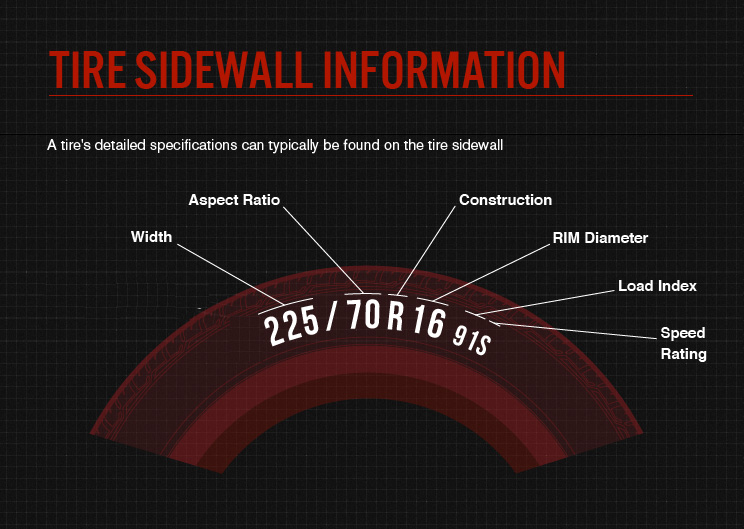
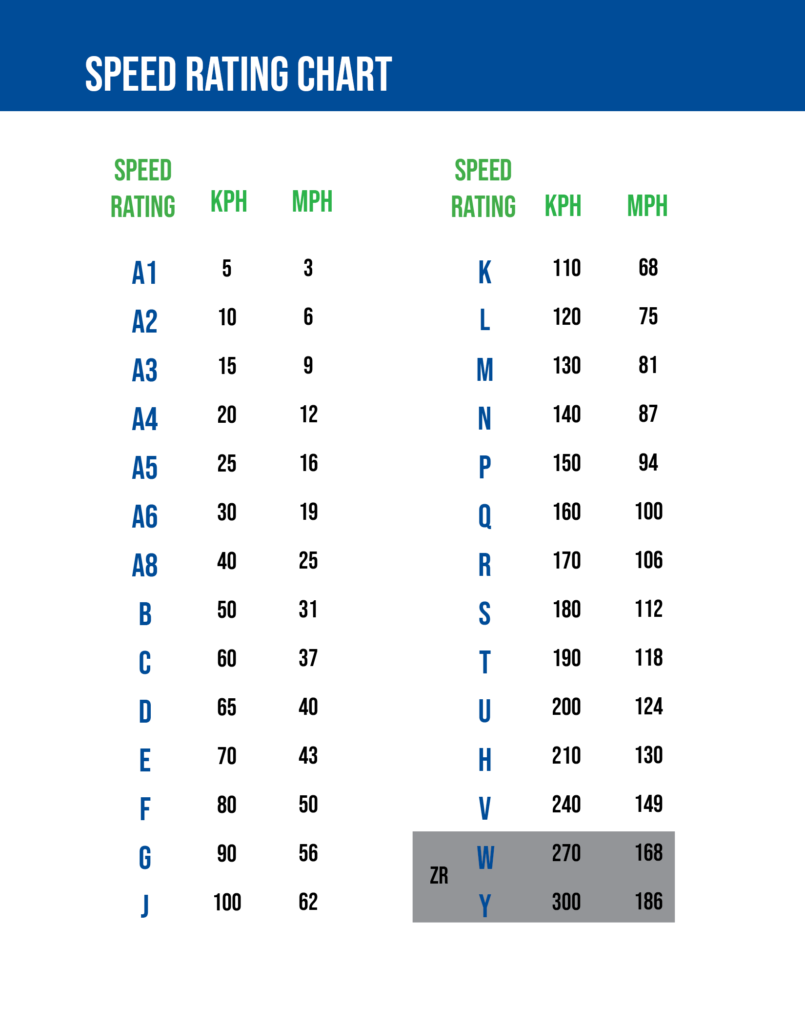
The system for tire speed ratings is standardized internationally, primarily through organizations like the European Tyre and Rim Technical Organisation (ETRTO) and the U.S. Tire Manufacturers Association (USTMA). This system employs letters from A to Y (and sometimes Z, W, Y for ultra-high performance), with each letter corresponding to a specific maximum speed. The scale is generally ascending; an ‘L’ rating, for instance, denotes a maximum speed of 120 km/h (75 mph), while a ‘V’ rating goes up to 240 km/h (149 mph). The ‘H’ rating falls squarely in this spectrum, positioned to cater to a significant segment of modern vehicles. It’s imperative to locate this rating, usually found after the load index number (e.g., 205/55R16 91H), to ensure compatibility with your vehicle’s design and intended use.
Why Speed Ratings Matter Beyond Just “Fast”
The implications of a tire’s speed rating extend far beyond how fast one can drive. At higher speeds, tires experience immense forces: centrifugal force trying to pull them apart, increased heat buildup due to friction and flexing, and substantial stresses on their internal structure. The speed rating is a certification that the tire’s construction – its ply materials, tread compound, sidewall rigidity, and bead design – has been engineered and tested to withstand these forces safely up to its specified limit. Exceeding a tire’s speed rating compromises its structural integrity, dramatically increasing the risk of tire failure, tread separation, or blowout, which can lead to catastrophic loss of control. Therefore, selecting tires with the appropriate speed rating is not merely about matching performance but about ensuring fundamental operational safety for the vehicle and its occupants.
The H-Rating Explained: Performance, Practicality, and Limitations
The ‘H’ speed rating is one of the most common and versatile ratings found on passenger vehicles today. It represents a balance of robust performance and everyday practicality, making it a popular choice for original equipment manufacturers (OEMs) and aftermarket replacements alike.
H for High-Performance: What It Means for Your Ride
An ‘H’ speed rating signifies a tire engineered to safely operate up to a maximum speed of 210 km/h (130 mph). This places it in the upper-mid range of speed ratings, often categorized as a “High-Performance” tire. Tires with an H-rating typically feature a more advanced construction compared to lower-rated tires. This usually includes:
- Stiffer Sidewalls: Enhanced lateral stability, providing better cornering response and reduced body roll during aggressive maneuvers.
- Advanced Tread Compounds: Formulated for improved grip on both wet and dry surfaces, contributing to superior braking and acceleration characteristics.
- Reinforced Belts: Often utilizing stronger materials like steel or synthetic fibers, these belts provide greater structural integrity, crucial for dissipating heat and maintaining shape at higher speeds.
- Optimized Tread Patterns: Designed not only for traction but also for efficient water evacuation, reducing the risk of hydroplaning, and contributing to a quieter ride at speed.
These engineering enhancements mean that H-rated tires not only handle higher speeds safely but also contribute to a more responsive and engaging driving experience under normal conditions. They offer a good blend of performance, comfort, and often, reasonable tread life, making them suitable for a wide array of driving styles and environments.
Vehicles Typically Equipped with H-Rated Tires
Given their balanced performance characteristics, H-rated tires are standard equipment on a vast range of vehicles. You’ll commonly find them on:
- Mainstream Sedans: From compact to mid-size and full-size models, many family sedans prioritize a blend of comfort, safety, and confident highway performance, which H-rated tires provide.
- Crossovers and Smaller SUVs: These popular vehicles benefit from the stability and handling capabilities of H-rated tires, especially given their higher center of gravity compared to sedans.
- Sporty Coupes and Entry-Level Performance Sedans: Vehicles that offer a more dynamic driving experience but aren’t necessarily track-focused often come with H-rated tires, striking a balance between spirited driving and everyday usability.
- Minivans: Even vehicles focused on family transport can feature H-rated tires to ensure stable and safe operation, especially when fully loaded on highways.
Essentially, if a vehicle is designed to provide confident handling and stable highway cruising capabilities, often with engine outputs that can comfortably reach speeds well beyond typical legal limits, an H-rated tire is a logical and safe choice for its OEM specification.
The Relationship Between Speed, Heat, and Tire Durability
The core technical challenge that speed ratings address is heat management. As a tire rotates, its various components — particularly the sidewall and tread — flex and deform with each revolution. This constant flexing generates friction, which in turn generates heat. The faster a tire rotates, the more rapidly it flexes and the more heat it builds up. Excessive heat is a tire’s worst enemy; it can degrade the rubber compounds, weaken the tire’s internal structure (like the bond between layers of cord and rubber), and ultimately lead to a catastrophic failure.
Tires with higher speed ratings like ‘H’ are constructed with materials and designs specifically chosen to withstand and dissipate this increased heat more effectively. They use more heat-resistant rubber compounds, stronger ply materials, and sometimes even unique internal architectures to maintain their structural integrity at elevated temperatures. Understanding this relationship underscores why adhering to the specified speed rating is not just a recommendation but a critical safety imperative rooted in material science and mechanical engineering principles.
Choosing the Right Speed Rating: A Technical Decision
Selecting tires involves more than just finding the right size. The speed rating is a crucial technical specification that must be considered to maintain your vehicle’s designed performance and safety characteristics. Mismatching this rating can have significant, sometimes dangerous, consequences.
Matching Your Vehicle’s Specifications
The golden rule for tire replacement is to always match or exceed the speed rating specified by your vehicle’s manufacturer. This information is typically found in the owner’s manual, on a placard inside the driver’s side door jamb, or sometimes on the glove compartment door or fuel filler flap. The manufacturer has rigorously tested and engineered your vehicle to perform optimally with tires possessing a certain set of characteristics, including the speed rating. Deviating from this recommendation can compromise the vehicle’s handling, braking distances, and overall stability, particularly in emergency maneuvers or at higher speeds. While it might be tempting to opt for a lower speed-rated tire due to cost, this is a compromise that can severely degrade the safety envelope of your vehicle.
Impact of Incorrect Speed Ratings
Installing tires with a lower speed rating than originally specified can lead to several undesirable outcomes:
- Reduced Performance and Safety: Lower-rated tires often have softer sidewalls and less heat-resistant compounds. This can result in diminished handling precision, longer braking distances, and an increased risk of tire failure due to overheating, even at speeds below the tire’s maximum rating if sustained for long periods or under heavy load.
- Legal and Insurance Implications: In some jurisdictions, operating a vehicle with tires that do not meet the manufacturer’s specified speed rating can be illegal. More critically, in the event of an accident, your insurance coverage could be jeopardized if it’s determined that incorrect tires contributed to the incident.
- Vehicle System Malfunctions: Modern vehicles are increasingly integrated. Advanced driver-assistance systems (ADAS) and electronic stability control (ESC) systems are calibrated based on the expected dynamic response of the OEM-specified tires. Substituting tires with different performance characteristics (like a lower speed rating leading to more flex or less grip) can confuse these systems, potentially leading to incorrect interventions or reduced effectiveness.
Conversely, installing tires with a higher speed rating than necessary is generally acceptable and often desirable, as it provides an additional margin of safety and potentially improved handling characteristics. However, higher speed-rated tires can sometimes come with trade-offs in ride comfort or tread life, and they are typically more expensive.
Speed Rating vs. Actual Driving Speed
It’s vital to clarify that a tire’s speed rating does not suggest that a driver should or can safely drive at that speed. The rating indicates the maximum speed the tire can safely withstand under controlled conditions, not the speed at which the vehicle can be safely operated on public roads. Legal speed limits, road conditions, weather, vehicle load, and driver skill all play far more significant roles in determining safe driving speeds. The speed rating is a design parameter for the tire itself, ensuring its structural integrity at a certain velocity, regardless of the vehicle it’s mounted on or the road it travels. It provides a safety margin for occasional excursions into higher speeds and contributes to overall vehicle stability and predictability even at moderate speeds.
Maintenance and Longevity: Maximizing Your H-Rated Tires
Even the most advanced H-rated tires require proper care and attention to deliver their full performance and safety potential throughout their lifespan. Beyond just the speed rating, other technical aspects and practical maintenance steps are crucial.
Beyond Speed: Load Index, Tire Type, and UTQG
While the speed rating is paramount for high-speed integrity, it’s part of a larger ecosystem of tire specifications. The load index (e.g., the ’91’ in ’91H’) indicates the maximum weight a single tire can support when properly inflated. This is equally critical, as an overloaded tire generates excessive heat and is prone to failure, irrespective of its speed rating. The tire type (e.g., P for Passenger, LT for Light Truck) dictates the intended application and construction standards. Furthermore, the UTQG (Uniform Tire Quality Grading) system provides consumer information on treadwear, traction, and temperature resistance, though it’s important to note these are comparative ratings, not absolute performance metrics. Understanding these combined specifications gives a comprehensive technical profile of a tire, allowing for informed selection and usage. For H-rated tires, paying attention to their temperature resistance (part of UTQG, usually rated ‘A’ or ‘B’) is especially important, as it reflects the tire’s ability to dissipate heat.
Practical Tips for H-Rated Tire Care
To ensure your H-rated tires perform optimally and last as long as their design intends, adhere to these maintenance practices:
- Maintain Correct Tire Pressure: This is arguably the single most important maintenance item. Under-inflation causes increased flexing, generating excessive heat and rapidly degrading the tire’s structure, regardless of its speed rating. Over-inflation can reduce the contact patch, diminishing grip and increasing susceptibility to road hazards. Always refer to your vehicle’s placard for the recommended pressure, not the maximum pressure listed on the tire sidewall. Check pressure at least monthly and before long trips.
- Regular Rotations: Periodically rotating your tires (typically every 8,000 to 12,000 km or 5,000 to 7,500 miles, as per your vehicle’s manual) helps ensure even wear across all four tires. This maximizes their lifespan and maintains balanced handling characteristics, which is particularly important for performance-oriented H-rated tires.
- Wheel Alignment and Balancing: Proper wheel alignment ensures that tires make optimal contact with the road, preventing irregular wear patterns. Wheel balancing eliminates vibrations, preserving ride comfort and preventing premature wear on tire components and suspension parts. Regular checks, especially after hitting potholes or curbs, are advisable.
- Visual Inspections: Routinely inspect your tires for any signs of damage: cuts, bulges, punctures, or uneven wear patterns. These can indicate underlying structural issues or alignment problems that need immediate attention. Even small cracks can be precursors to larger failures, especially in tires designed for higher performance.
- Monitor Tread Depth: Adequate tread depth is crucial for traction, particularly in wet conditions. Most jurisdictions have minimum legal tread depth requirements, but replacing tires before they reach this minimum can significantly improve safety and performance. The built-in tread wear indicators (small bars between the treads) will become flush with the tread when it’s time for replacement.
By understanding the technical aspects of the H speed rating and diligently following these maintenance guidelines, you can ensure your tires deliver their designed levels of safety, performance, and longevity, contributing to a secure and enjoyable driving experience.
aViewFromTheCave is a participant in the Amazon Services LLC Associates Program, an affiliate advertising program designed to provide a means for sites to earn advertising fees by advertising and linking to Amazon.com. Amazon, the Amazon logo, AmazonSupply, and the AmazonSupply logo are trademarks of Amazon.com, Inc. or its affiliates. As an Amazon Associate we earn affiliate commissions from qualifying purchases.