
In the rapidly evolving landscape of industrial automation and robotics, the ability of machines to interact with the physical world is paramount. At the heart of this interaction lies the gripper, a fundamental end-effector that enables robots to grasp, hold, and manipulate objects. Far from being a simple clamp, the gripper is a sophisticated piece of technology, the crucial interface between a robot’s arm and the myriad of items it is designed to handle. Understanding the nuances of grippers is essential for anyone involved in automation, from engineers designing robotic systems to business leaders seeking to optimize manufacturing processes.
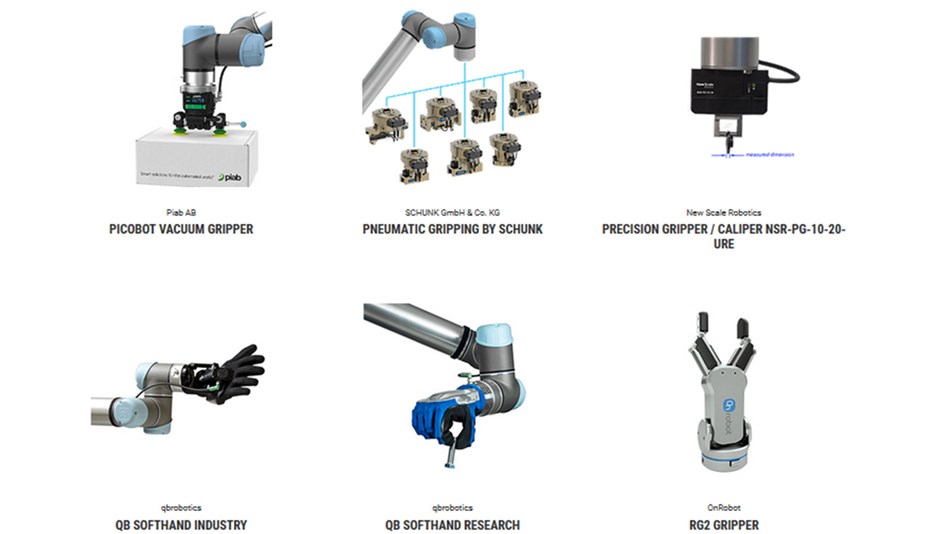
The Core Functionality and Diversity of Grippers
At its most basic, a gripper’s purpose is to exert controlled force to secure an object. However, the sheer diversity of objects and tasks in the modern industrial environment necessitates a wide array of gripper designs. This diversity stems from varying requirements related to object shape, size, weight, material properties, required grip force, and the precision needed for manipulation. The evolution of robotics has seen grippers move beyond simple mechanical jaws to encompass a spectrum of advanced technologies.
Mechanical Grippers: The Ubiquitous Workhorses
Mechanical grippers are the most common type, relying on physical contact and applied force to secure objects. These can be broadly categorized by their actuating mechanism and the number of fingers or jaws they employ.
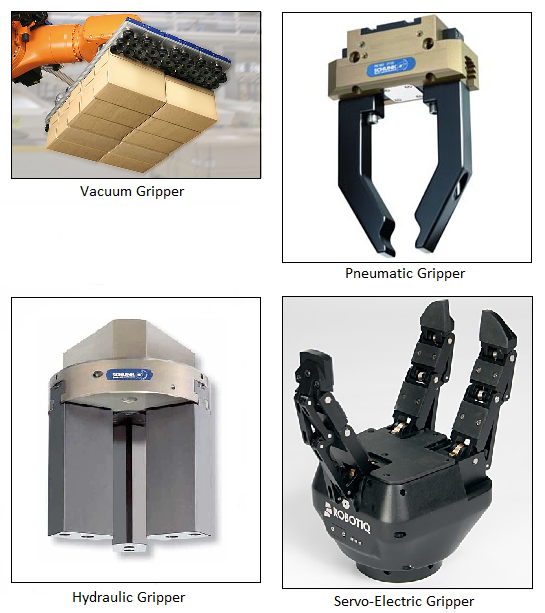
Pneumatic Grippers
Pneumatic grippers are driven by compressed air, offering a cost-effective and straightforward solution for many applications. They are popular due to their simplicity, speed, and relatively low maintenance.
- Two-Finger Grippers: The most basic form, these feature two opposing fingers that close around an object. They are excellent for cylindrical or symmetrical items.
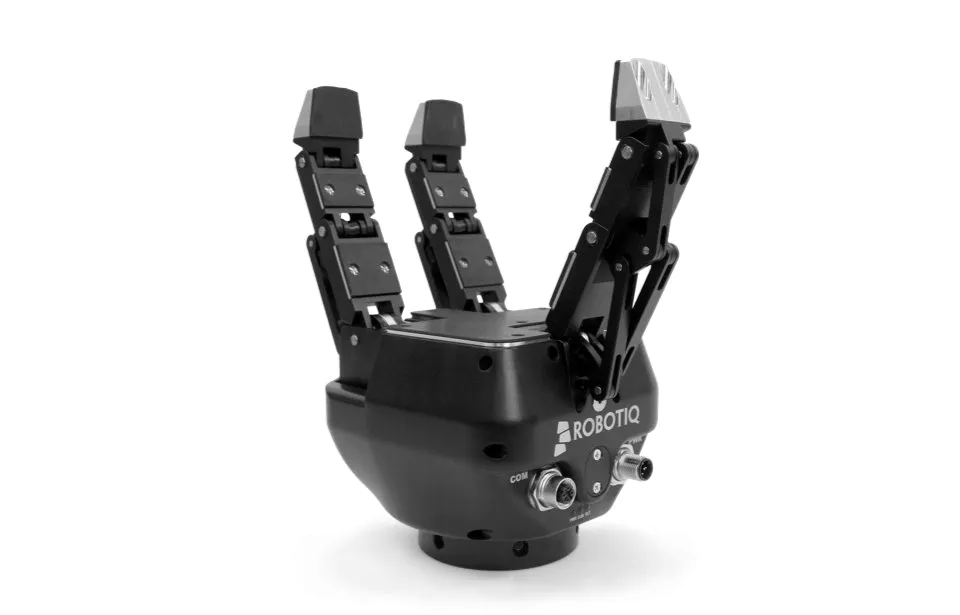
- Three-Finger and Multi-Finger Grippers: Offering enhanced stability and grip on irregularly shaped objects, these configurations increase the points of contact, distributing force more evenly and reducing the risk of slippage or damage.
- Angular Grippers: These grippers move their fingers in an arc, making them suitable for grasping items from the side or when space is limited.
- Parallel Grippers: In this design, the fingers move in a parallel fashion, ideal for gripping flat surfaces or when a consistent grip width is required.
Electric Grippers
Electric grippers use electric motors to drive their gripping action, offering greater precision, programmability, and often, finer control over grip force. They are increasingly favored in applications requiring delicate handling or precise placement.
- Servo Grippers: These utilize servo motors, allowing for precise control over finger position and speed. This makes them ideal for tasks where the exact orientation or placement of an object is critical.
- Stepper Motor Grippers: Stepper motors provide incremental movements, offering good accuracy and repeatability. They are a cost-effective alternative to servo grippers for many automation tasks.
Hydraulic Grippers
While less common in general robotics compared to pneumatic or electric, hydraulic grippers are employed in heavy-duty industrial applications where immense gripping forces are required, such as in large-scale manufacturing or heavy material handling. They use hydraulic fluid under pressure to actuate their jaws.
Vacuum Grippers: The Gentle Touch
Vacuum grippers, also known as suction cups, are a popular choice for handling smooth, non-porous surfaces. They operate by creating a vacuum beneath a cup, which then adheres to the object. Their primary advantage lies in their ability to handle a wide range of object shapes and sizes without the risk of scratching or damaging delicate surfaces.
- Types of Suction Cups: Suction cups come in various shapes and materials, including flat, bellows, and multi-durometer designs, each optimized for different surface textures and lifting requirements.
- Vacuum Generation: These grippers require a vacuum source, typically a pump or venturi, to create the necessary suction. The efficiency of the vacuum system is crucial for reliable operation.
Specialized and Advanced Grippers
Beyond the fundamental types, the field of robotics has seen the development of highly specialized grippers designed for unique challenges.
Magnetic Grippers
Ideal for ferrous (magnetic) materials, these grippers use electromagnets or permanent magnets to attract and hold objects. They are commonly used in applications involving metal sheets, components, or scrap handling.
- Electromagnets vs. Permanent Magnets: Electromagnets offer the advantage of being switchable, allowing for easy release of the gripped object. Permanent magnets provide a constant grip force without requiring power.
Soft Grippers
A significant advancement in recent years, soft grippers are made from compliant materials like silicone or rubber, inspired by the biological world, particularly the dexterity of human hands.
- Pneumatic Soft Grippers: These often use air bladders that inflate to deform the gripper and gently envelop an object. They excel at handling delicate, irregularly shaped, or deformable items that would be damaged by rigid grippers.
- Advantages in Handling Delicate Objects: Their inherent compliance allows them to adapt to object contours, distributing pressure evenly and minimizing the risk of crushing or puncturing. This makes them invaluable in food handling, agriculture, and the packaging of fragile goods.
Adaptive Grippers
These grippers can adjust their finger configuration to accommodate a wide range of object sizes and shapes without explicit reprogramming. They offer a high degree of flexibility, making them suitable for applications with frequent product changes or a diverse product mix.
- Multi-Articulated Fingers: Some adaptive grippers feature multiple joints in their fingers, mimicking the flexibility of human digits, allowing for a more secure and versatile grip.
The Impact of Grippers on Automation and Industry
The selection and implementation of the right gripper are critical for the success of any robotic automation project. An inappropriate gripper can lead to dropped parts, damaged products, system downtime, and ultimately, reduced efficiency and increased costs. Conversely, a well-chosen gripper can unlock new levels of automation, improve product quality, and enhance operational safety.
Applications Across Diverse Industries
Grippers are not confined to a single sector; their versatility has made them indispensable across a vast spectrum of industries.
- Manufacturing: From automotive assembly lines to electronics production, grippers are used for pick-and-place operations, component insertion, and product handling.
- Logistics and Warehousing: Robotic arms equipped with grippers are essential for sorting, packing, and moving goods in distribution centers, significantly increasing throughput and reducing manual labor.
- Food and Beverage: Handling delicate food items like fruits, vegetables, or baked goods requires specialized grippers, often soft grippers, to maintain product integrity and hygiene.
- Pharmaceuticals: Precision and sterility are paramount in this sector, with grippers used for handling vials, syringes, and other sensitive medical components.
- Aerospace: The handling of large, complex components in aerospace manufacturing often necessitates powerful and precisely controlled grippers.
The Role of Grippers in Enhancing Efficiency and Productivity
The core benefit of grippers in automation is their ability to perform repetitive tasks with consistency and speed, far exceeding human capabilities in many scenarios.
- Increased Throughput: Robots equipped with efficient grippers can handle a higher volume of items in a given timeframe, directly impacting production output.
- Improved Accuracy and Repeatability: Grippers ensure that objects are grasped and placed with consistent force and precision, reducing errors and scrap rates.
- Reduced Downtime: Durable and reliable grippers, when properly selected and maintained, contribute to longer operational cycles with fewer interruptions.
- Enhanced Worker Safety: By taking over hazardous or ergonomically challenging tasks, grippers protect human workers from injury.
The Future of Gripper Technology
The evolution of grippers is closely tied to advancements in robotics, artificial intelligence, and material science. The drive for greater flexibility, intelligence, and adaptability is shaping the next generation of gripping solutions.
Integration with AI and Machine Learning
Future grippers will increasingly leverage AI and machine learning to adapt to an even wider range of unpredictable scenarios.
- Object Recognition and Grasp Planning: AI algorithms can analyze object properties in real-time, enabling grippers to determine the optimal way to grasp and manipulate diverse items, even those not previously encountered.
- Adaptive Force Control: Machine learning can refine grip force based on sensor feedback, allowing grippers to dynamically adjust their grip to prevent damage to delicate objects or ensure a secure hold on heavy items.
Advanced Materials and Dexterity
The development of new materials is opening up possibilities for grippers with enhanced capabilities.
- Bio-inspired Designs: Continued inspiration from biological systems will lead to grippers with even greater dexterity and compliance, capable of handling extremely fragile or uniquely shaped objects.
- Integrated Sensing: Future grippers will likely feature more sophisticated integrated sensors – tactile, force, and even vision – providing richer data for intelligent control and decision-making.
The Growing Importance of Versatility
As manufacturing environments become more dynamic and product lines more varied, the demand for versatile grippers will continue to grow. Grippers that can switch between different gripping modes, handle a wide range of payloads, and adapt to changing tasks will be at the forefront of automation. The “what is a gripper” question, once a simple inquiry about a mechanical component, now encompasses a complex and dynamic field of advanced technology crucial to the future of industry.
aViewFromTheCave is a participant in the Amazon Services LLC Associates Program, an affiliate advertising program designed to provide a means for sites to earn advertising fees by advertising and linking to Amazon.com. Amazon, the Amazon logo, AmazonSupply, and the AmazonSupply logo are trademarks of Amazon.com, Inc. or its affiliates. As an Amazon Associate we earn affiliate commissions from qualifying purchases.