
In the rapidly evolving landscape of consumer electronics and competitive gaming hardware, the term “grip tape” has transitioned from its origins in action sports to become a vital component of high-performance tech ecosystems. While the concept remains fundamentally the same—a textured adhesive layer designed to increase friction—the engineering, material science, and application of modern grip tape represent a sophisticated frontier in ergonomic design and tactile feedback.
For the modern gamer, software developer, or hardware enthusiast, grip tape is no longer a peripheral afterthought. It is a specialized tool used to bridge the gap between human physiology and digital precision. As devices become lighter and more streamlined, the need for enhanced control becomes paramount. This article explores the technical nuances of grip tape, its role in the current tech industry, and why it has become an essential modification for anyone seeking to optimize their interaction with digital tools.
The Engineering Behind the Surface: Materials and Science
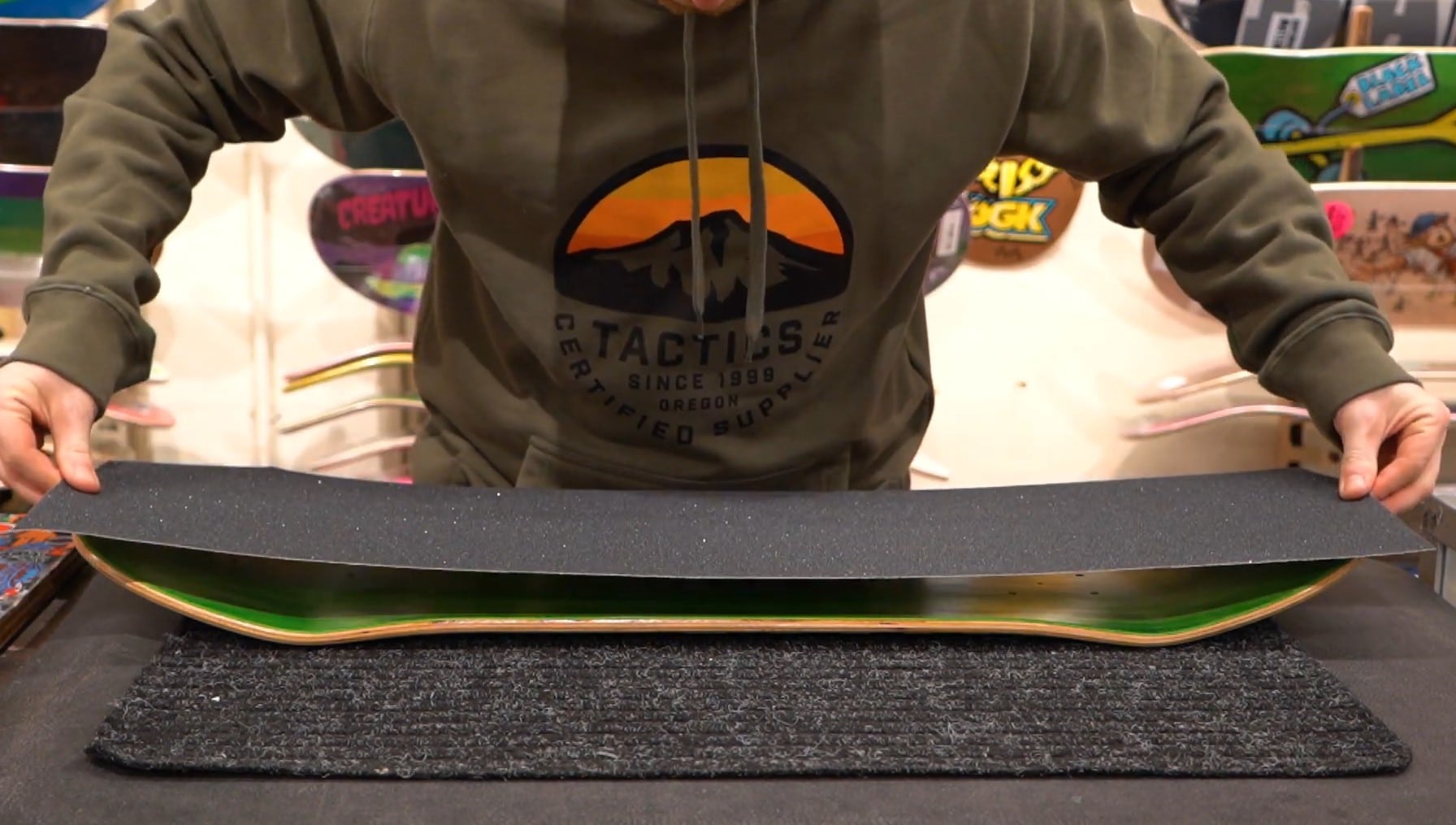
At its core, grip tape in the tech sector is an exercise in advanced material science. Unlike the abrasive, sandpaper-like texture found on skateboards (which uses silicon carbide or aluminum oxide), tech-focused grip tape is designed for skin contact and prolonged use. It must balance high friction with comfort, durability, and moisture management.
Synthetic Elastomers and Friction Coefficients
The primary material used in premium grip tape for gadgets is usually a proprietary blend of synthetic elastomers, most commonly polyurethane (PU). Polyurethane is favored because it can be engineered to exhibit “tackiness” without being sticky to the touch. This is achieved by manipulating the polymer’s surface tension and Shore hardness.
In technical terms, the goal of grip tape is to increase the coefficient of friction between the user’s hand and the device. In high-stakes environments—such as competitive esports or precision data entry—even a micro-slip can result in a significant error. Synthetic elastomers provide a “memory” effect, where the material slightly deforms under pressure to conform to the ridges of the human fingerprint, creating a mechanical interlock that traditional plastic or aluminum surfaces cannot provide.
Moisture-Wicking Properties and Heat Dissipation
A significant challenge in tech ergonomics is the accumulation of sweat and oils. Smooth plastic surfaces become slippery when moisture is introduced, leading to “hydroplaning” at a microscopic level. High-end grip tapes solve this through textured patterns—often hexagonal, diamond, or “lizard skin” patterns—that serve two purposes. First, they provide channels for moisture to escape, ensuring that the contact points remain dry. Second, they increase the surface area of the device, which can marginally assist in heat dissipation from the user’s palm, preventing the “clammy” feeling associated with long hours of hardware use.
Adhesive Longevity and Residue-Free Solutions
The “tape” aspect of the product is equally critical. Modern tech grip tape utilizes pressure-sensitive adhesives (PSAs), most notably those developed by 3M. These adhesives must be strong enough to withstand the lateral shear forces of intense clicking or moving but must also be “non-permanent.” This ensures that when the tape eventually wears down, it can be removed without leaving a gummy residue that could damage the finish of a $150 gaming mouse or a premium laptop chassis.
Grip Tape in Competitive Gaming: The Performance Edge
The most prominent adoption of grip tape within the tech world is found in the gaming community. As the industry has shifted toward “ultra-lightweight” mice—some weighing less than 50 grams—manufacturers have had to strip away rubberized side grips and textures to save weight. This leaves users with smooth, often slippery, plastic shells.
Mouse Grip Tape: Maximizing DPI Consistency
For professional gamers, consistency is the foundation of skill. When using high-DPI (dots per inch) settings, the slightest involuntary movement of the mouse can move the on-screen cursor significantly. Grip tape allows for a “relaxed” grip; the user does not need to squeeze the mouse as hard to maintain control. This reduction in tension allows for smoother “flicks” and more accurate tracking.
Furthermore, different grip styles—such as “Palm,” “Claw,” or “Fingertip”—require different contact points. Pre-cut grip tape kits are now engineered for specific mouse models (like the Logitech G Pro X Superlight or the Razer Viper series), providing coverage exactly where the fingers rest for those specific styles. This customization turns a mass-produced product into a bespoke tool tailored to the user’s unique hand anatomy.

Controller Mods: Ergonomics for Extended Play
Beyond the PC, console gamers have turned to grip tape to solve the limitations of standard controllers. Standard gamepads are designed for a “one size fits all” demographic, which often results in ergonomic compromises. Grip tape applied to the handles and triggers of a controller provides a more secure hold, which is particularly beneficial during long gaming sessions where hand fatigue (and the resulting loss of grip) can set in. The added thickness of the tape can also subtly alter the ergonomics of the controller, making it more comfortable for users with larger hands.
Beyond Gaming: Grip Tape in Professional Workstations
While gaming drove the initial demand, the utility of grip tape is expanding into the professional tech space. Productivity-focused hardware, such as the Logitech MX Master series or specialized macro pads, can benefit from the same tactile enhancements.
Productivity Hardware and RSI Prevention
Repetitive Strain Injury (RSI) and Carpal Tunnel Syndrome are significant risks for professionals who spend 8 to 12 hours a day at a computer. A major contributor to these conditions is “static loading”—the muscle tension required to hold and move a mouse or navigate a keyboard. By applying grip tape to key contact points, users find they can move their peripherals with significantly less physical effort. The increased friction allows the hand to “rest” on the device while still maintaining full control, potentially reducing the long-term strain on the tendons of the hand and wrist.
Mobile Device Integration and Daily Tech Interaction
The “phablet” trend has made smartphones increasingly difficult to use one-handed. Many modern flagship phones feature glass backs and polished metal frames, which, while aesthetically pleasing, offer nearly zero grip. A niche but growing segment of the tech market involves applying minimalist grip tape “decals” to the sides or back of mobile devices. This provides a tactile “anchor” for the user’s fingers, reducing the likelihood of accidental drops and improving the ease of one-handed operation without the bulk of a heavy-duty case.
How to Choose and Apply the Right Grip Tape
For those looking to integrate grip tape into their tech setup, the market offers a variety of options ranging from DIY sheets to precision-cut kits.
Pre-Cut vs. Universal Sheets: Finding the Perfect Fit
The choice between pre-cut and universal tape depends on the device and the user’s technical comfort level.
- Pre-Cut Kits: These are laser-cut to perfectly fit specific mouse models or controllers. They offer the cleanest aesthetic and require no trimming. Brands like Hotline Games, BTL, and Pulsar specialize in these.
- Universal/DIY Sheets: For unique hardware—such as specialized keyboards, remote controls, or custom-built mice—universal sheets (like those from Lizard Skins) allow the user to cut their own shapes. This requires a steady hand and a sharp hobby knife but offers total control over the coverage area.
Application Best Practices for a Seamless Finish
Applying grip tape to high-end tech requires precision to ensure longevity and performance. The process generally follows a technical workflow:
- Surface Preparation: The device must be cleaned with 70% to 90% Isopropyl Alcohol to remove all skin oils and dust. Any remaining residue will compromise the adhesive bond.
- Dry Fitting: Before peeling the backing, the user should align the tape to ensure the placement doesn’t interfere with buttons or scroll wheels.
- Application: Applying the tape from one edge to the other prevents air bubbles.
- Heat Activation: Many enthusiasts use a hairdryer on a low setting to gently warm the tape once applied. This softens the elastomer and the adhesive, allowing it to “settle” into the contours of the device for a more permanent-feeling bond.
The Future of Tactile Interfaces: Where Grip Technology is Heading
As we look toward the future of hardware, the concept of “grip” is being integrated earlier in the design process. We are seeing a move from “aftermarket” grip tape to “integrated tactile surfaces.” Some manufacturers are experimenting with “double-shot” injection molding, where a grippy TPE (Thermoplastic Elastomer) is molded directly into the hard plastic shell of the device.
However, the modularity of grip tape remains its greatest strength. As long as human hands interact with physical hardware, the need for a customizable, replaceable, and high-performance tactile interface will exist. Grip tape represents the realization that hardware should not just be seen or heard, but felt—providing a tangible link between the user’s intent and the machine’s execution. Whether it’s for shaving milliseconds off a reaction time in a digital arena or reducing the physical toll of a workday, grip tape has solidified its place as a cornerstone of modern tech optimization.
aViewFromTheCave is a participant in the Amazon Services LLC Associates Program, an affiliate advertising program designed to provide a means for sites to earn advertising fees by advertising and linking to Amazon.com. Amazon, the Amazon logo, AmazonSupply, and the AmazonSupply logo are trademarks of Amazon.com, Inc. or its affiliates. As an Amazon Associate we earn affiliate commissions from qualifying purchases.