
In an era increasingly defined by digital innovation and data-driven insights, the concept of greenhouse gas (GHG) emissions transcends mere scientific definition to become a critical area for technological intervention and strategic development. While fundamentally a meteorological and environmental phenomenon, our understanding, measurement, mitigation, and even adaptation strategies for GHG emissions are deeply intertwined with advancements in software, AI, sensors, and digital security. This article delves into what greenhouse gas emissions are, specifically through the lens of technology, exploring how digital tools are revolutionizing our approach to climate change, transforming abstract scientific principles into actionable data and tangible solutions.
The Science of Emissions: A Technological Lens
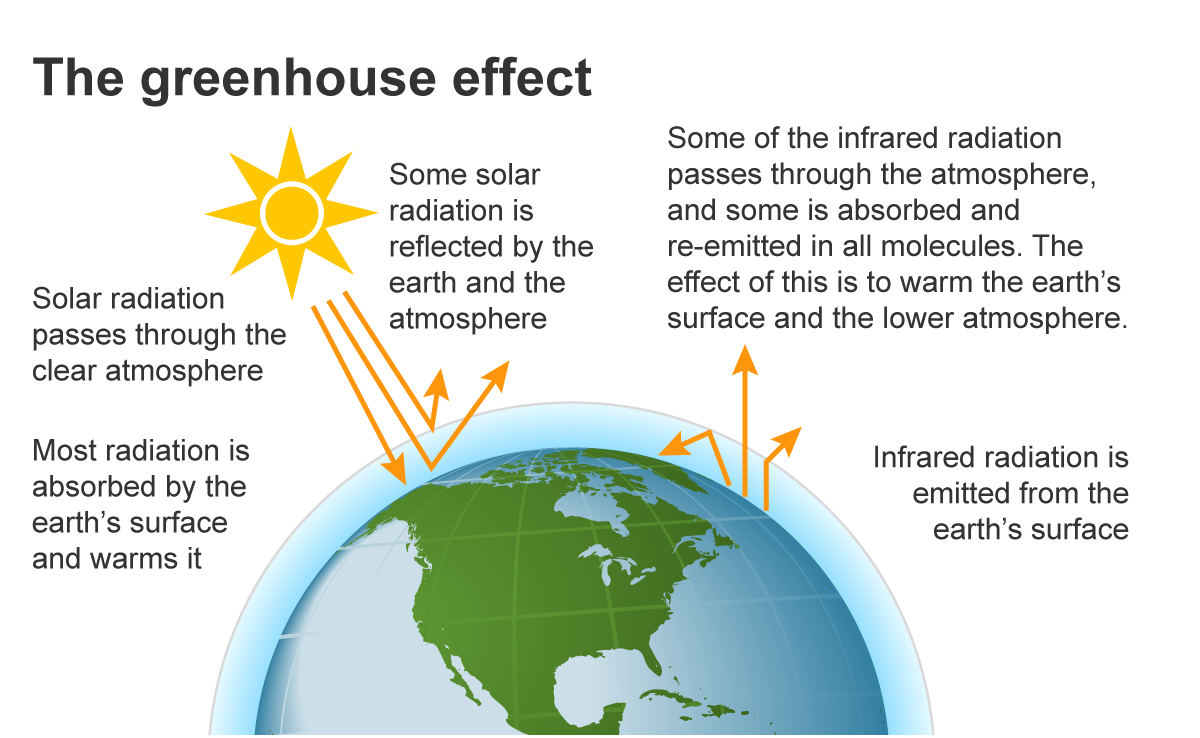
At its core, greenhouse gas emissions refer to the release of certain gases into the atmosphere that trap heat, leading to the “greenhouse effect.” This natural process is vital for sustaining life on Earth, but human activities have drastically increased the concentration of these gases, intensifying the warming effect and contributing to climate change. From a technological perspective, our ability to precisely quantify these emissions, understand their sources, and model their impacts has progressed immensely, moving from rudimentary observations to sophisticated digital analyses.
The Greenhouse Effect: A Digital Analogy
Imagine the Earth as a complex digital system, continuously processing energy from the sun. Certain atmospheric gases act like a firewall or a caching layer, allowing incoming solar radiation to penetrate but preventing some of the outgoing infrared radiation (heat) from escaping back into space. This maintains a habitable temperature. However, excessive “traffic” (anthropogenic GHG emissions) overwhelms this system, leading to a “system overload” or warming. Technologies such as climate modeling software leverage vast datasets and computational power to simulate these intricate energy exchanges, predicting future climate scenarios with unprecedented accuracy. These models, often powered by supercomputers and advanced algorithms, are digital representations of our planet’s atmospheric physics.
Key Greenhouse Gases and Their Anthropogenic Sources
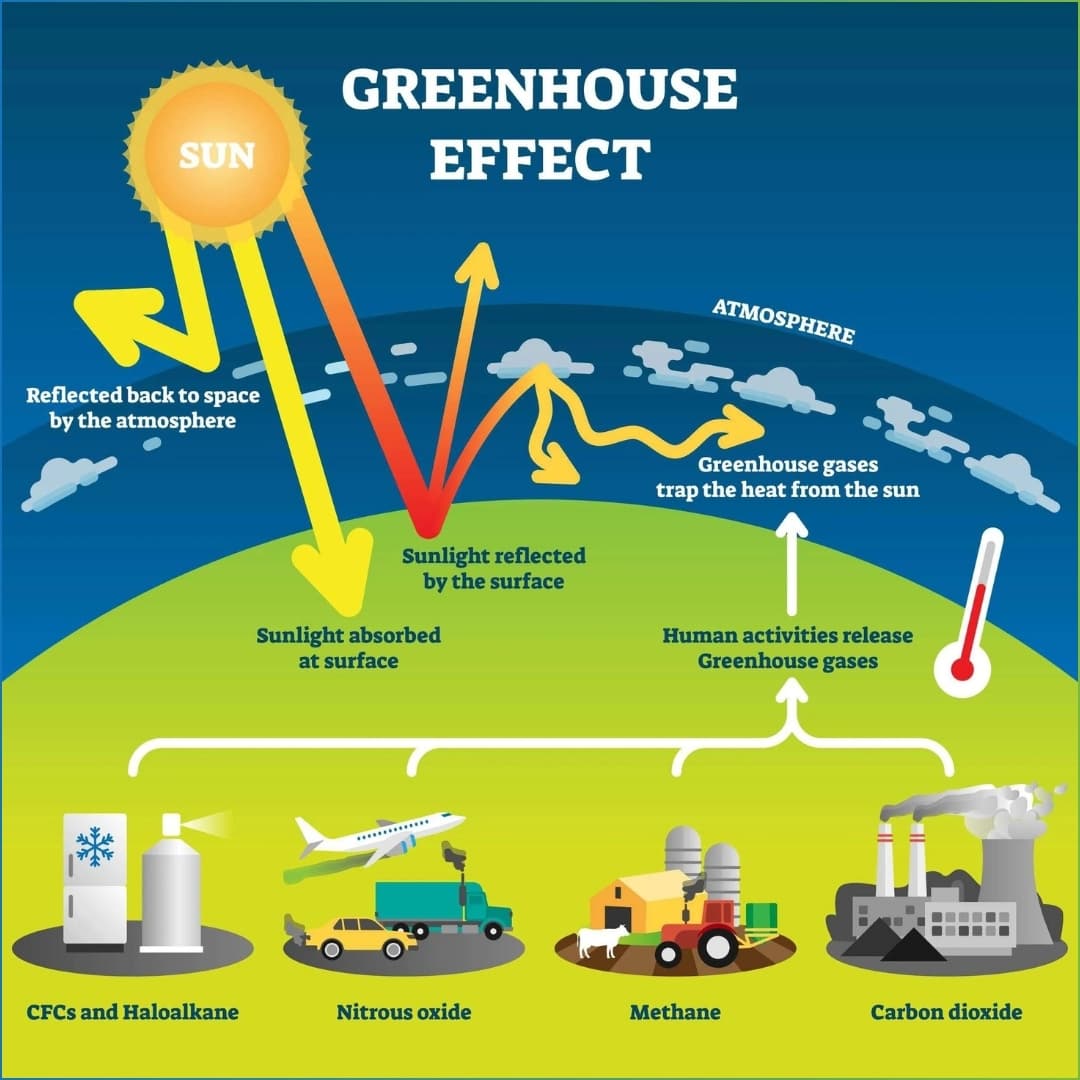
The primary greenhouse gases include carbon dioxide (CO2), methane (CH4), nitrous oxide (N2O), and various fluorinated gases. Each has a different Global Warming Potential (GWP) and atmospheric lifetime. From a technological perspective, identifying the specific sources of these gases is crucial for targeted mitigation.
- CO2: Primarily from burning fossil fuels (coal, oil, natural gas) for energy, industrial processes, and deforestation. Technologies like smart energy grids, electric vehicle infrastructure, and industrial process optimization software are designed to reduce CO2 from these sources.
- CH4: From agriculture (livestock, rice cultivation), waste management (landfills), and fossil fuel production/transport. Advanced sensors and IoT devices are increasingly used to detect methane leaks in oil and gas infrastructure, while AI-driven agricultural solutions aim to reduce livestock emissions.
- N2O: Largely from agricultural activities (fertilizer use) and industrial processes. Precision agriculture technologies, guided by GPS and sensor data, optimize fertilizer application, minimizing N2O release.
- Fluorinated Gases (e.g., HFCs, PFCs, SF6): Powerful GHGs used in refrigeration, aerosols, and industrial applications. New chemical engineering technologies aim to find less potent alternatives, and advanced manufacturing processes seek to minimize their release.
Measuring the Invisible: Advancements in Sensor Technology
One of the most significant technological leaps in understanding GHG emissions has been in measurement capabilities. What was once an estimation based on energy consumption is now becoming a precise, real-time data stream. High-precision atmospheric sensors, deployed on ground stations, aircraft, drones, and satellites, continuously monitor gas concentrations. These gadgets collect enormous volumes of data, allowing scientists and policymakers to track emission plumes, identify localized hotspots, and verify reported emissions. Miniaturized sensor arrays, integrated with IoT platforms, enable hyper-localized monitoring, providing granular data that can inform urban planning and industrial regulation. This sensor data forms the fundamental input for all higher-level analysis and strategic planning.
Monitoring and Data: The Backbone of Digital Climate Action
Effective climate action hinges on accurate, transparent, and timely data. The digital age has ushered in a new era of climate monitoring, moving beyond intermittent samples to continuous, comprehensive surveillance. Software platforms, AI algorithms, and secure digital infrastructures are transforming how we collect, process, and leverage emissions data for policy, compliance, and strategic decision-making.
Satellite Surveillance and Remote Sensing Innovations
Satellites equipped with advanced spectrometers and lidar systems are at the forefront of global GHG monitoring. Missions like NASA’s OCO-2 (Orbiting Carbon Observatory-2) and the European Space Agency’s Copernicus Sentinel series provide invaluable data on CO2 and methane concentrations from space. These remote sensing technologies allow for unbiased, global coverage, identifying major emission sources that might otherwise go undetected. Software applications process the raw satellite imagery and spectral data, converting it into visual maps of emission hotspots and trends, crucial for international climate agreements and national reporting. The integration of AI for anomaly detection in satellite data helps pinpoint sudden increases in emissions, indicating potential leaks or unauthorized activities.
AI and Machine Learning for Emissions Data Analysis
The sheer volume and complexity of emissions data—from ground sensors, satellite imagery, industrial meters, and energy consumption logs—would be unmanageable without artificial intelligence and machine learning. AI tools are indispensable for:
- Pattern Recognition: Identifying correlations between economic activities, weather patterns, and emission levels.
- Predictive Modeling: Forecasting future emission scenarios based on current trends and policy interventions.
- Anomaly Detection: Flagging unusual emission spikes that could indicate equipment malfunctions or environmental incidents.
- Data Fusion: Integrating disparate datasets (e.g., socio-economic data with atmospheric measurements) to provide a holistic view.
Machine learning algorithms can optimize industrial processes in real-time to reduce energy consumption and emissions, or even suggest optimal routes for logistics to minimize fuel use. These intelligent systems turn raw data into actionable insights, enabling faster and more effective responses to climate challenges.
Blockchain for Carbon Tracking and Transparency
The integrity and transparency of emissions data are paramount, especially in carbon markets and compliance reporting. Blockchain technology offers a decentralized, immutable ledger system that can revolutionize carbon tracking. Each emission unit, carbon credit, or offset could be recorded as a unique token on a blockchain. This would create an unalterable record of its origin, ownership, and retirement, preventing double-counting and fraud. Smart contracts could automate the allocation and transfer of carbon credits, ensuring compliance with predefined rules. While still an emerging application, blockchain holds immense potential for building trust and efficiency in carbon accounting, forming the secure digital backbone for a global carbon economy.
Technological Solutions for Emission Reduction
Understanding and monitoring emissions is only half the battle; the other half is actively reducing them. The tech sector is a crucible of innovation, constantly developing new tools, software, and gadgets designed to decarbonize industries, electrify transport, and transform energy systems.
Renewable Energy Technologies and Smart Grids
The transition away from fossil fuels is heavily reliant on advances in renewable energy technologies. Solar panels (photovoltaics), wind turbines, geothermal systems, and hydropower represent sophisticated engineering. Beyond the hardware, smart grid technologies, powered by AI and IoT, are crucial for integrating these intermittent renewable sources into stable power grids. Smart grid software optimizes energy distribution, manages demand response, and predicts supply fluctuations, ensuring reliability while maximizing the use of clean energy. Energy storage solutions, from advanced battery technology to pumped-hydro and hydrogen fuel cells, are also rapidly evolving to complement renewable generation.
Carbon Capture, Utilization, and Storage (CCUS) Tech
For hard-to-abate sectors like heavy industry and certain power generation, Carbon Capture, Utilization, and Storage (CCUS) technologies offer a pathway to emission reduction. This involves capturing CO2 from industrial flue gases, either pre-combustion or post-combustion, and then transporting it for permanent geological storage or converting it into valuable products (utilization). Advanced chemical engineering, new materials science, and specialized software for process control and pipeline management are critical for scaling CCUS solutions. While still facing economic and scaling challenges, ongoing research and development in this area are pushing the boundaries of what’s possible in emission management.
Digital Twins and Predictive Analytics for Industrial Efficiency
Industries are massive consumers of energy and significant emitters. Digital twin technology creates virtual replicas of physical assets, processes, or systems, allowing for real-time monitoring, analysis, and optimization. For factories, power plants, or entire supply chains, digital twins, combined with predictive analytics software, can identify inefficiencies, anticipate equipment failures, and optimize energy consumption. By simulating various scenarios, companies can test strategies for reducing emissions without impacting production, leading to significant reductions in operational footprint. This proactive approach to sustainability is a direct outcome of advanced simulation and data analytics tools.
Green IT and Sustainable Computing Practices
The digital realm itself has an environmental footprint. Data centers consume vast amounts of electricity, and the manufacturing of electronic gadgets is resource-intensive. Green IT initiatives focus on minimizing the environmental impact of computing. This includes:
- Energy-Efficient Hardware: Designing processors and components that consume less power.
- Optimized Software: Developing algorithms and applications that are more efficient, requiring less computational power.
- Data Center Cooling Solutions: Implementing innovative cooling technologies and leveraging AI to optimize energy usage in data centers.
- Cloud Computing Optimization: Utilizing virtualized infrastructure to maximize resource utilization and reduce the number of physical servers.
- Sustainable Lifecycle Management: Promoting recycling and responsible disposal of e-waste.
By making IT itself greener, we reduce the emissions associated with supporting the digital tools that help us combat climate change.
The Role of Digital Security in a Decarbonized Future
As our efforts to combat climate change become increasingly reliant on interconnected digital systems, the importance of digital security intensifies. A decarbonized future will feature smart grids, vast networks of IoT sensors, and critical green infrastructure—all potential targets for cyber threats. Protecting these systems is paramount to ensuring the resilience and integrity of our climate action efforts.
Protecting Smart Grids and Critical Green Infrastructure
Smart grids, which integrate renewable energy sources and manage electricity distribution with digital intelligence, are prime targets for cyberattacks. A successful attack could destabilize power supplies, disrupt renewable energy flows, or even cause widespread blackouts, hindering decarbonization progress. Digital security measures, including robust firewalls, intrusion detection systems, encryption protocols, and regular penetration testing, are essential to safeguard these vital infrastructures. Similarly, carbon capture facilities, EV charging networks, and environmental monitoring stations rely on secure digital operations to function effectively and safely.
Data Security for Emissions Reporting and Compliance Platforms
The accuracy and integrity of emissions data are crucial for policy-making, compliance, and carbon markets. Digital platforms designed for emissions reporting, carbon accounting, and trading must be impenetrable to data manipulation or breaches. Strong cybersecurity frameworks are needed to protect sensitive environmental data, prevent fraud in carbon markets, and ensure the trustworthiness of emissions inventories. This includes secure cloud storage, multi-factor authentication, and blockchain-based solutions for immutable record-keeping. Any compromise of this data could undermine public trust and the effectiveness of climate policies.
The Cybersecurity of IoT in Climate Monitoring
The proliferation of IoT devices for environmental monitoring, from smart sensors tracking air quality to networked devices managing agricultural emissions, creates an expansive attack surface. These devices, often deployed in remote or exposed locations, can be vulnerable to hacking, potentially leading to false data reporting, device manipulation, or even being used as entry points for larger network attacks. Robust cybersecurity practices for IoT—including secure boot processes, firmware updates, strong authentication, and network segmentation—are critical to maintain the reliability of climate data and the functionality of distributed monitoring systems.
Future Trends and the Tech Horizon
The fight against greenhouse gas emissions is a continuous journey of innovation. The tech landscape is dynamic, with emerging technologies promising even more powerful tools in the future.
Quantum Computing’s Potential in Climate Modeling
While still in its nascent stages, quantum computing holds immense potential for revolutionizing climate modeling. Traditional supercomputers struggle with the complexity of global climate systems. Quantum computers, with their ability to process vast numbers of variables simultaneously and explore multiple possibilities, could accelerate the development of more accurate, higher-resolution climate models. This would allow for more precise predictions of climate change impacts and the effectiveness of different mitigation strategies, enabling optimized decision-making.
Emerging AI for Climate Intervention
Beyond current applications, AI is expected to play a more direct role in climate intervention. This could include AI-driven materials science to develop hyper-efficient catalysts for industrial processes, AI-optimized direct air capture technologies, or even complex geoengineering simulations. The integration of AI with robotics could lead to automated reforestation efforts or efficient waste sorting for recycling, reducing emissions across various sectors.
The Metaverse and Virtualization for Sustainable Practices
The burgeoning metaverse and advanced virtualization technologies could offer new avenues for reducing emissions. By facilitating remote collaboration, virtual tourism, and digital events, these platforms could significantly reduce the need for physical travel, thereby lowering transport-related emissions. Virtual prototyping and design in the metaverse can reduce material waste in manufacturing, while immersive educational experiences can raise global awareness about climate issues more effectively. The energy footprint of these virtual worlds themselves is a concern, but ongoing efforts in green IT aim to mitigate this.
In conclusion, understanding “what is greenhouse gas emissions” in the 21st century is inseparable from recognizing the pivotal role of technology. From the sensors that detect them to the AI that models them, and the digital security that protects our climate solutions, technology is not just an enabler but the very foundation upon which we build a sustainable, decarbonized future. The digital dimension offers not just hope but concrete tools and strategies for confronting one of humanity’s greatest challenges.
aViewFromTheCave is a participant in the Amazon Services LLC Associates Program, an affiliate advertising program designed to provide a means for sites to earn advertising fees by advertising and linking to Amazon.com. Amazon, the Amazon logo, AmazonSupply, and the AmazonSupply logo are trademarks of Amazon.com, Inc. or its affiliates. As an Amazon Associate we earn affiliate commissions from qualifying purchases.