
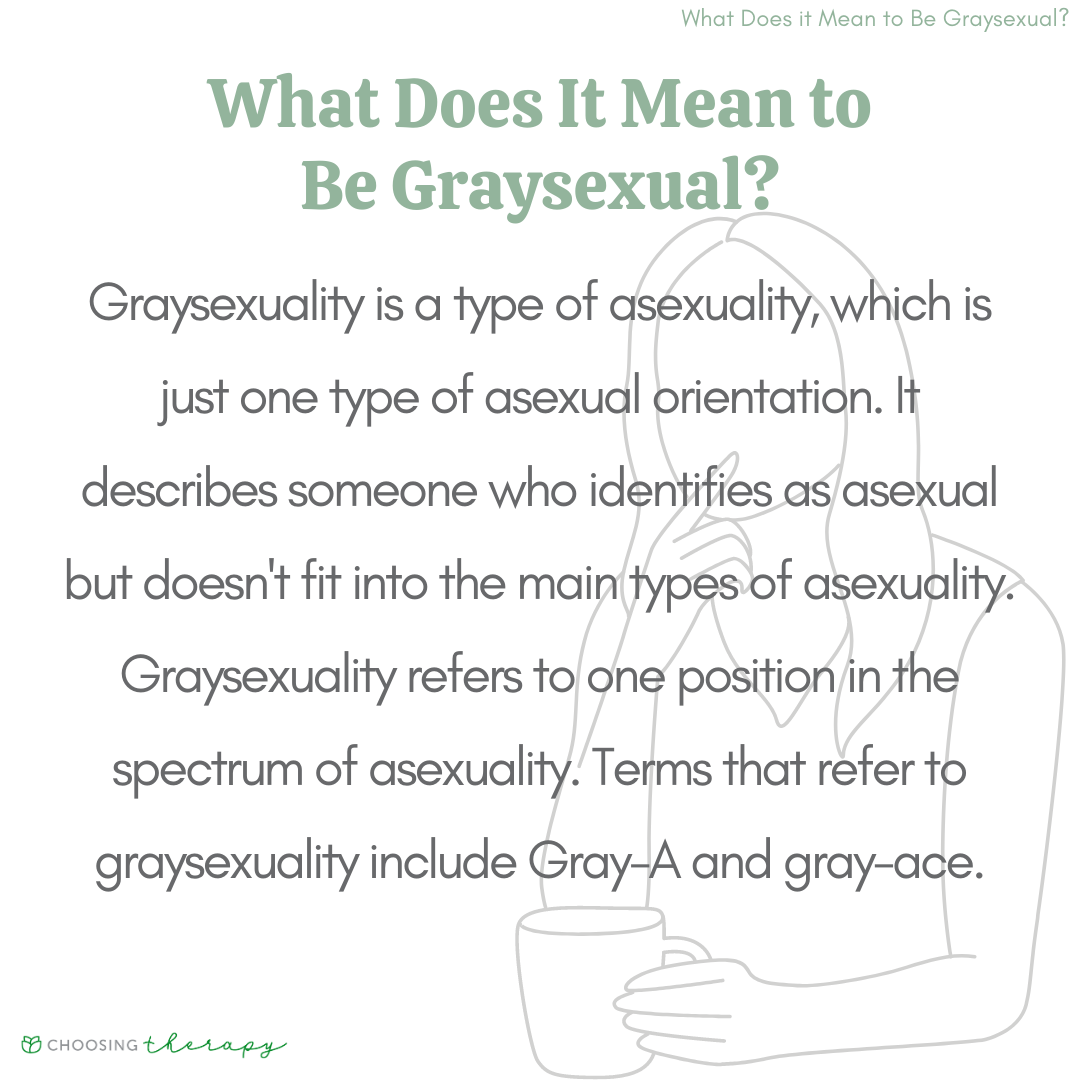
Graysexuality, often referred to as gray-asexuality or gray-A, exists on the expansive spectrum between asexuality and allosexuality (experiencing sexual attraction). It describes individuals who may experience sexual attraction infrequently, only under very specific circumstances, or with a low intensity that falls within a “gray area” of sexual experience. This nuanced identity acknowledges that attraction is not always a binary experience, nor is it consistently present or absent. For a graysexual individual, sexual attraction might manifest rarely, or only in response to deep emotional connection, or it might be fleeting and ambiguous. Understanding graysexuality is crucial for fostering inclusivity and developing technology that accurately represents the diversity of human experience, moving beyond simplistic labels to embrace the full spectrum of personal identities in digital spaces.
The Digital Frontier of Identity
In an increasingly interconnected world, our identities are not merely lived offline but are intricately woven into our digital footprints. From social media profiles to dating apps, online forums, and professional networks, technology acts as both a mirror and a shaper of how we present ourselves and interact with others. For identities like graysexuality, which challenge traditional binary understandings of sexual orientation, the digital sphere presents unique opportunities for connection and understanding, but also significant hurdles in accurate representation and acknowledgment. The simplification of identity categories often inherent in platform design can inadvertently erase or misrepresent individuals who do not fit neatly into predefined boxes, creating digital landscapes that are less inclusive than they aspire to be.
Nuance in User Profiles and Data
Many digital platforms, particularly those designed for social connection or dating, still operate on a simplified model of identity, offering limited options for gender, sexuality, and relationship preferences. While some platforms have made strides in offering more expansive gender identity choices, sexual orientation often remains tethered to a few widely recognized categories. For a graysexual individual, selecting “heterosexual,” “homosexual,” “bisexual,” or even “asexual” may feel inadequate or inaccurate. These predefined categories fail to capture the conditional, infrequent, or low-intensity nature of their attraction. This lack of nuance in user profiles can lead to misrepresentation, forcing individuals to choose an identity that doesn’t fully resonate, or to leave fields blank, which might then be misinterpreted by algorithms or other users. The resulting data, based on these limited choices, then perpetuates a skewed understanding of user demographics, making it harder for platforms to truly serve their diverse user base. The challenge lies in designing systems that allow for genuine self-identification without overwhelming users, striking a balance between simplicity and comprehensive representation.
Algorithmic Understanding and Bias
The algorithms that power our digital experiences are designed to interpret vast amounts of data, predict preferences, and facilitate connections. However, these powerful tools are only as unbiased and inclusive as the data they are trained on and the assumptions built into their logic. When dealing with nuanced identities like graysexuality, algorithms can inadvertently perpetuate bias or simply fail to “understand” a user’s true preferences. For instance, a dating app’s matching algorithm, if primarily trained on data reflecting allosexual attraction patterns, might struggle to effectively connect graysexual individuals based on their unique parameters of attraction or their preference for non-sexual connections. This algorithmic bias can lead to frustration, reduced engagement, and a sense of invisibility for graysexual users. Furthermore, if algorithms are designed to categorize users into broad groups for targeted advertising or content delivery, graysexual individuals might be miscategorized, leading to irrelevant content or even exposure to material that does not align with their identity or preferences. Addressing algorithmic bias requires not only diverse training data but also a fundamental rethinking of how identities are modeled and processed within AI systems, ensuring that non-binary or less common experiences are not treated as statistical anomalies but as valid expressions of human diversity.
Designing for Inclusivity in Tech
Creating truly inclusive digital spaces requires a proactive and thoughtful approach to design, moving beyond basic accessibility to embrace the full spectrum of human identity. For graysexual individuals, this means developing technological solutions that respect their unique experiences, provide accurate representation, and empower them with control over their digital presence. Inclusive design is not merely an ethical imperative but also a strategic advantage, allowing platforms to tap into diverse user bases and foster deeper engagement by making all users feel seen and valued.
Customizable Identity Settings
A cornerstone of inclusive tech design is the provision of customizable identity settings. Rather than a fixed set of drop-down menus, platforms can offer more fluid and personalized options for users to articulate their sexual orientation. This could involve open-text fields, multiple-choice options, or a spectrum slider for different aspects of attraction (sexual, romantic, aesthetic). For graysexual users, this could translate to options like “graysexual,” “demisexual” (a related identity where sexual attraction only occurs after a strong emotional bond), or “sexual attraction is rare/conditional.” Beyond simple labels, platforms could allow users to define what these terms mean to them, or include options to specify the conditions under which they might experience attraction. This level of customization not only provides accurate self-representation but also educates other users about the diversity of human experience, fostering a more understanding and accepting digital community. Implementing such features requires careful UI/UX design to ensure they are intuitive and not overly complex, balancing granular control with ease of use.
Privacy and Consent in Identity Sharing

For individuals with less commonly understood or recognized identities like graysexuality, privacy and consent are paramount. The decision to share one’s sexual orientation, especially in digital spaces, can carry varying levels of vulnerability. Inclusive tech design must prioritize robust privacy controls that allow users granular power over who sees their identity information, how it is used, and under what circumstances. This means implementing features where users can choose to display their graysexual identity publicly, only to specific connections, or to keep it entirely private. Furthermore, platforms must be transparent about how user identity data is collected, stored, and potentially used by algorithms for matching, content curation, or advertising. Explicit consent mechanisms, beyond broad terms of service agreements, are crucial for sensitive identity information. Digital security measures must also be robust to protect this data from breaches, as exposure of such personal details could lead to discrimination, harassment, or other adverse outcomes for graysexual individuals. Prioritizing privacy builds trust and empowers users to engage authentically without fear of unintended exposure or misuse of their sensitive information.
Community Building in Digital Spaces
Digital platforms have a unique capacity to connect individuals who might otherwise feel isolated, fostering communities around shared identities and experiences. For graysexual individuals, these online spaces can be invaluable resources for support, validation, and a sense of belonging. However, the effectiveness of these communities hinges on the technological tools and moderation practices employed to create safe, inclusive, and informative environments.
Niche Platforms and Support Networks
The limitations of mainstream platforms have spurred the development of specialized apps and online forums dedicated to specific queer identities, including those on the asexual and graysexual spectrums. These niche platforms are often designed from the ground up with the understanding and specific needs of their target audience in mind, offering tailored features for identity expression, connection, and community building. They provide a vital space where graysexual individuals can find peers who share similar experiences, exchange advice, and build supportive networks without the need to explain or justify their identity constantly. Such platforms often emphasize different types of connection beyond sexual attraction, such as platonic friendships or romantic (but not necessarily sexual) partnerships. Tech developers and investors recognizing the value of these underserved markets can contribute to a more diverse digital ecosystem, supporting the growth of platforms that genuinely cater to the full breadth of human relationships and identities.
Combating Misinformation and Harassment Online
While digital spaces offer profound opportunities for community, they also come with the inherent risk of misinformation, misunderstanding, and outright harassment. Graysexual individuals, like many in marginalized groups, can face skepticism, invalidation, or even hostility from those who do not understand or accept their identity. Tech platforms have a crucial role to play in combating these negative elements. This involves implementing robust content moderation policies that specifically address hate speech, harassment, and misinformation related to sexual identities. AI tools can assist in identifying and flagging harmful content, but human moderators are essential for nuanced understanding and enforcement. Furthermore, platforms can facilitate educational initiatives, providing resources and information about graysexuality to reduce misunderstanding. Features that allow users to easily report abuse, block harassers, and manage their visibility settings are also vital. Creating a culture of respect and understanding in digital communities requires a concerted effort from platform designers, users, and moderators to ensure that these spaces remain safe havens for self-expression and connection.
The Evolving Landscape of Digital Representation
As technology continues to advance, so too must our understanding and representation of human diversity in digital realms. The journey toward fully inclusive tech is ongoing, driven by both ethical considerations and a growing recognition of the value of catering to diverse user experiences. For graysexuality and other nuanced identities, the future of tech lies in proactive design, ethical AI, and a commitment to continuous learning and adaptation.
Ethical AI Development
The increasing sophistication of Artificial Intelligence presents both challenges and unparalleled opportunities for identity representation. Ethical AI development demands that algorithms are not only efficient but also fair, transparent, and inclusive. For graysexuality, this means moving beyond AI models that operate on binary or overly simplistic understandings of human attraction and relationships. It necessitates training AI on diverse datasets that accurately reflect the spectrum of human sexual and romantic experiences, and actively testing for bias against less common identities. Future AI tools could be designed to understand and respect individual self-definitions, facilitating connections based on a broader array of criteria than just sexual compatibility, aligning with the varied experiences of graysexual individuals. Moreover, AI can be leveraged to analyze language and sentiment in online interactions to better identify and mitigate instances of misunderstanding or prejudice related to identity, fostering more respectful digital discourse.

Beyond Binary: Future of Platform Design
The future of digital platform design must inherently move beyond binary thinking across all aspects of identity. This involves developing flexible, modular systems that can adapt to new understandings of identity rather than forcing users into outdated frameworks. For graysexual identities, this means platforms that prioritize user-defined parameters for attraction, relationship goals, and social interaction. It might involve multi-dimensional identity profiles that allow for expression of sexual, romantic, aesthetic, and emotional attractions independently, recognizing that these do not always align in predictable ways. UX designers will increasingly need to collaborate with diverse user groups and identity advocates to co-create features that are genuinely intuitive and representative. As technology becomes more integrated into our lives, its capacity to accurately reflect and support the full spectrum of human experience will become a defining measure of its success and ethical impact, ensuring that identities like graysexuality are not just acknowledged but celebrated within our digital worlds.
aViewFromTheCave is a participant in the Amazon Services LLC Associates Program, an affiliate advertising program designed to provide a means for sites to earn advertising fees by advertising and linking to Amazon.com. Amazon, the Amazon logo, AmazonSupply, and the AmazonSupply logo are trademarks of Amazon.com, Inc. or its affiliates. As an Amazon Associate we earn affiliate commissions from qualifying purchases.