
When we discuss the “graduation rate,” it is often framed as a simple academic statistic—a percentage point on a university’s brochure or a metric used by government agencies to track institutional performance. However, from a financial perspective, the graduation rate is one of the most critical indicators of Return on Investment (ROI) and personal financial risk. In the world of personal finance and business economics, the graduation rate represents the probability that a significant capital investment—tuition—will result in a tangible asset: a degree.
Understanding what a graduation rate is, how it is calculated, and why it serves as a vital financial tool is essential for students, parents, and investors alike. In an era where student debt has surpassed $1.7 trillion in the United States alone, the graduation rate is no longer just an academic benchmark; it is a financial survival metric.
The Financial Definition of Graduation Rate
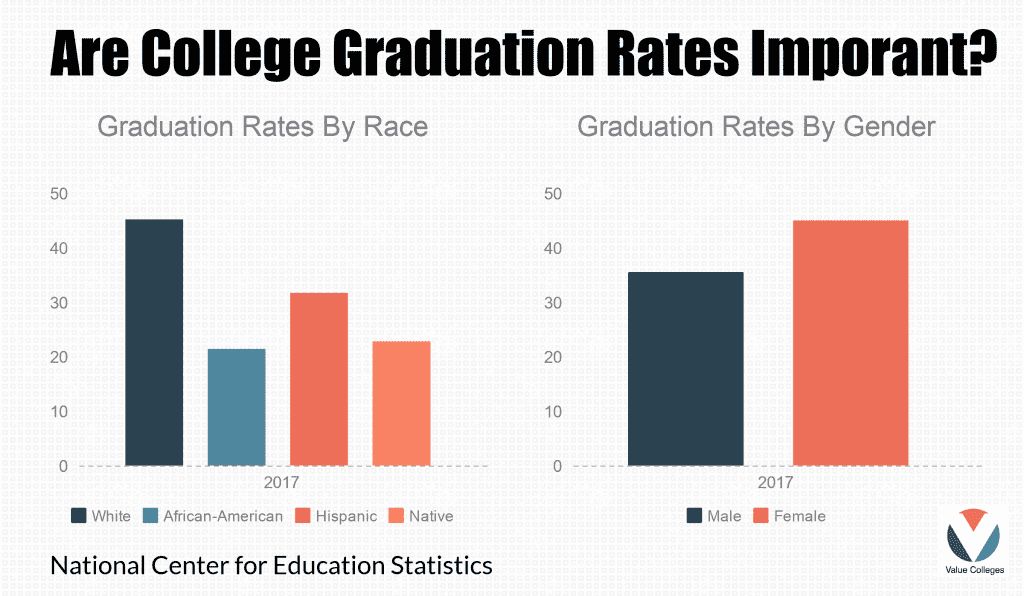
At its core, the graduation rate measures the percentage of a school’s first-time, full-time undergraduate students who complete their program within a specific timeframe. While this sounds straightforward, the financial implications change depending on the window of time measured.
The 150% Rule and Capital Efficiency
The most common standard used by financial analysts and the Department of Education is the “150% of normal time” graduation rate. For a traditional four-year bachelor’s degree, this means the percentage of students who finish within six years. From a money management perspective, this represents a significant “time-cost” leak.
If an investor puts capital into a project expected to yield results in four years, but it takes six, the internal rate of return (IRR) drops significantly. Extra years in school represent not only additional tuition costs but also the “opportunity cost” of lost wages. When evaluating a graduation rate, a low four-year rate but a high six-year rate suggests that while students eventually finish, they are doing so at a much higher financial cost than originally budgeted.
Graduation Rate as a Risk Assessment Metric
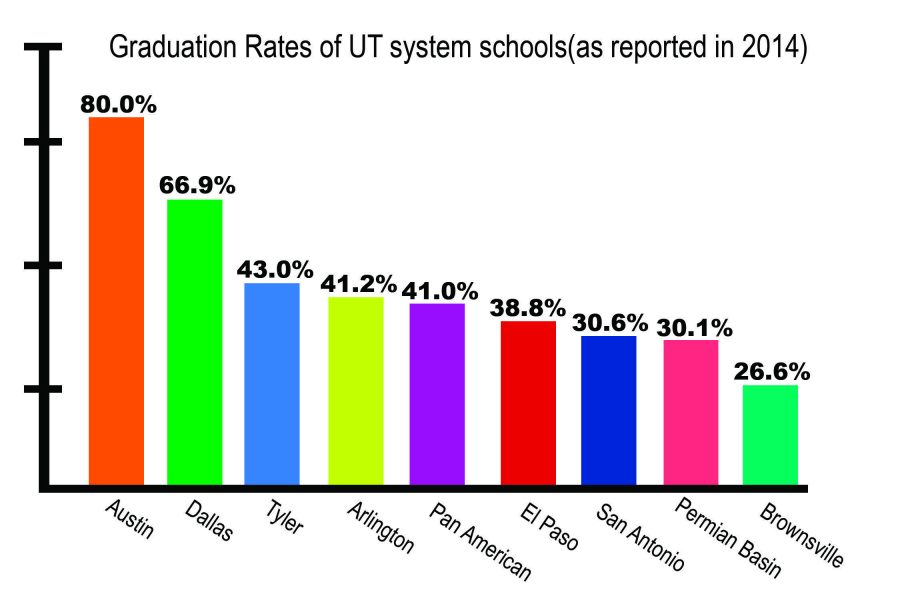
In the world of investing, risk is the probability that the actual return on an investment will be lower than expected. In higher education, the “risk” is non-completion. If a university has a graduation rate of 40%, a student entering that institution has a 60% statistical probability of failing to acquire the credential they are paying for.
For a family or an individual, choosing an institution with a low graduation rate is akin to investing in a high-risk startup with a 60% failure rate. Without the degree, the individual is often left with the liabilities (student loans) without the asset (increased earning potential). This imbalance is one of the primary drivers of long-term financial instability in the modern economy.
The Connection Between Graduation Rates and Personal Finance
The financial health of an individual is inextricably linked to their ability to complete their education on time. The graduation rate of an institution serves as a leading indicator for the future financial status of its alumni.
The Hidden Cost of the “Partial Degree”
One of the most dangerous positions to be in, financially, is having “some college, no degree.” Statistics consistently show that individuals who start college but do not finish have significantly higher default rates on student loans. This is because they have incurred the debt of an educated professional but command the market wages of a high school graduate.
When we analyze graduation rates through a personal finance lens, we see that institutions with higher rates act as “safe havens” for capital. They provide a structured environment where the likelihood of realizing the “income premium” associated with a degree is maximized. Conversely, low graduation rates signify a high probability of capital loss, where tuition dollars are spent without the subsequent increase in net worth.
Debt-to-Income Ratios and Completion Status
Graduation rates also impact the long-term debt-to-income (DTI) ratio of a household. A student who graduates in four years at an institution with a high graduation rate is more likely to enter a high-paying career track quickly. This allows them to begin debt amortization earlier, reducing the total interest paid over the life of a loan.
On the other hand, students at institutions where the graduation rate is low often face a “bottleneck” effect. They may spend five or six years completing a degree due to poor advising or lack of course availability. Those extra two years of compounded interest on unsubsidized loans can add tens of thousands of dollars to the total cost of the degree, skewing the DTI ratio and delaying life milestones like home ownership or retirement investing.
Graduation Rates as a Tool for Institutional Evaluation
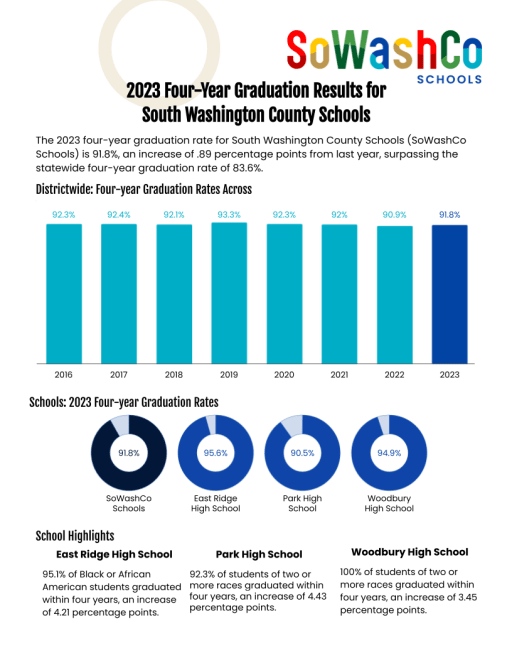
Just as a stock analyst looks at the “churn rate” of a subscription business to determine its health, a financial-minded student or parent should look at graduation rates to evaluate the “business model” of a university.
Assessing the Business Model of Higher Education
A university is, in many ways, a service provider. If a service provider has a low “success rate” (graduation rate), it suggests inefficiencies in their operations. These inefficiencies could range from poor academic support to a lack of financial aid transparency, both of which impact the student’s bottom line.
High graduation rates often correlate with institutions that have robust financial endowments. These schools can afford to invest in student retention, which protects the student’s investment. When evaluating where to place your education dollars, looking at the graduation rate helps you identify which institutions are “student-success centered” versus those that may be “enrollment-centered”—the latter often focusing more on capturing tuition than ensuring completion.
Public vs. Private: Where Does the Money Go?
There is often a debate about whether the high cost of private universities is justified compared to more affordable public options. However, when you factor in graduation rates, the “cheaper” option can sometimes be more expensive.
Many public universities have lower four-year graduation rates due to larger class sizes and less personalized guidance. If a student at a “cheap” public school takes six years to graduate, but could have finished in four years at a more expensive private school with a 90% graduation rate, the private school might actually be the better financial decision. The two extra years of professional salary (e.g., $120,000 in total earnings) often outweigh the difference in tuition.
Strategic Financial Planning: Using Graduation Rates to Mitigate Risk
In any sophisticated financial plan, risk mitigation is key. Using graduation rate data is a form of “due diligence” that every prospective student should perform before signing a loan master promissory note.
Selecting Programs with High Success Probabilities
When choosing a major or a specific college, one should look at the graduation rates specifically for that department. Some universities have high overall rates but very low rates for challenging programs like Engineering or Pre-Med.
From a financial planning perspective, if a student intends to pursue a high-cost degree, they should seek out programs where the “completion yield” is high. This ensures that the high upfront cost of specialized equipment, labs, and tuition is more likely to be recouped through a professional license or high-starting-salary career.
Diversifying Skills Beyond the Degree
While the graduation rate is a primary metric, a savvy financial strategist also looks at “transfer-out” rates. If a school has a low graduation rate but a high transfer-out rate, it might mean the students are using the school as a stepping stone to more prestigious, high-ROI institutions.
However, for most, the goal is to minimize “educational churn.” To mitigate the risk of a low graduation rate at a chosen school, students should focus on building a diversified “skill portfolio” that includes certifications and work experience. This ensures that even if the institutional path to a degree becomes financially or academically blocked, the individual still has marketable assets to generate income and service any accumulated debt.
The Macroeconomic Impact of National Graduation Trends
Beyond the individual level, the national graduation rate is a vital economic indicator. It tells us about the health of the future workforce and the efficiency of government spending on education.
Workforce Development and Economic Growth
A high national graduation rate contributes to a more skilled workforce, which is a primary driver of GDP growth. From an investment perspective, countries with rising educational completion rates tend to attract more Foreign Direct Investment (FDI) because they offer a stable supply of high-value human capital.
When graduation rates stagnate or fall, it signals a potential “skills gap” in the economy. This gap leads to wage inflation in specialized sectors and underemployment in others, creating volatility in the labor market. For those interested in macroeconomic trends, graduation rates serve as a leading indicator of a nation’s future economic competitiveness.
The Future of Educational Funding and Financial Tools
As the “business of education” evolves, we are seeing new financial tools like Income Share Agreements (ISAs) and performance-based funding. These tools are often tied directly to graduation rates. For example, some states are moving toward funding public universities based on their completion rates rather than their enrollment numbers.
This shift represents a fundamental change in the “Money” aspect of education. It moves the financial risk from the student to the institution. If a school’s revenue is tied to its graduation rate, it is financially incentivized to ensure every student completes their degree. As these models become more common, the graduation rate will become the ultimate “stock price” of the academic world, reflecting the true value and reliability of an educational institution’s output.
aViewFromTheCave is a participant in the Amazon Services LLC Associates Program, an affiliate advertising program designed to provide a means for sites to earn advertising fees by advertising and linking to Amazon.com. Amazon, the Amazon logo, AmazonSupply, and the AmazonSupply logo are trademarks of Amazon.com, Inc. or its affiliates. As an Amazon Associate we earn affiliate commissions from qualifying purchases.