
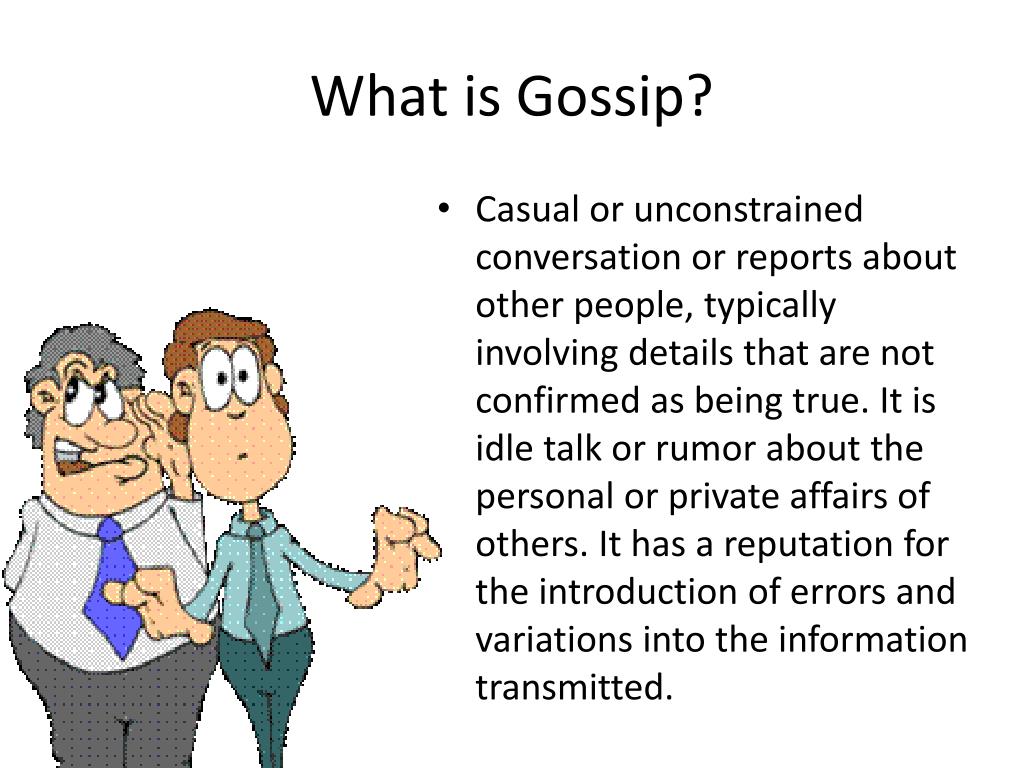
Gossip, in its most basic form, is informal talk or rumor, often involving details about the private lives of others, whether true or not. While commonly dismissed as mere social chatter, its implications for personal and corporate branding are profound and far-reaching. In the realm of branding, understanding “what is gossipping” goes beyond a casual definition; it necessitates a deep dive into how informal communication shapes perception, builds or erodes trust, and ultimately dictates the value and reputation of a brand. It is a powerful, often unpredictable force that can either be a symptom of a strong, connected community or a virulent agent of destruction, capable of undermining meticulously crafted brand strategies.

The Anatomy of Brand-Affecting Gossip
To effectively manage its impact, one must first deconstruct gossip through a brand lens, identifying its characteristics and modes of propagation. It’s not just about hearsay; it’s about the uncontrolled spread of information that can define or redefine a brand narrative.
Defining Gossip in a Brand Context
In a brand context, gossip manifests as any unofficial, unsanctioned communication that circulates about an individual (personal brand) or an organization (corporate brand). This can range from seemingly innocuous observations about leadership style to damaging rumors about product quality or personal integrity. Crucially, it stands in stark contrast to strategic information dissemination, which is carefully curated, vetted, and distributed through official channels.
The subjective nature of gossip is one of its most potent characteristics. It often operates in a grey area, where truth can be distorted, embellished, or entirely fabricated. A factual event, once whispered and re-told, can morph into a sensationalized narrative that bears little resemblance to reality. Furthermore, the intent behind gossip varies wildly. It can be born out of a harmless desire for connection, a casual observation shared without malice, or, more insidiously, a deliberate attempt to undermine, discredit, or harm a brand’s standing. Understanding this spectrum of intent is vital for assessing the potential threat and formulating an appropriate response.
How Gossip Spreads and Amplifies
The proliferation of gossip is intrinsically linked to human social networks and the ever-evolving landscape of communication technology. Historically, word-of-mouth networks were the primary vectors, with stories spreading through social circles, workplaces, and communities. This organic spread, while potent, was often geographically limited and slower.
Today, however, the digital age has transformed gossip into a rapid-fire phenomenon with global reach. Social media platforms, instant messaging apps, and online forums serve as unparalleled amplifiers. A single comment, anecdote, or screenshot can be shared thousands of times in minutes, reaching an audience far beyond the initial circle. The anonymity offered by some platforms can further embolden individuals to spread unverified or malicious information, as the perceived lack of accountability lowers inhibitions. The human element also plays a significant role: the desire for social currency, the validation of being “in the know,” and the often-unconscious participation in power dynamics contribute to gossip’s propagation. People share gossip because it can make them feel connected, superior, or simply entertained, regardless of the repercussions for the brand in question.
The Tangible Impact on Personal and Corporate Brands
The seemingly intangible nature of gossip belies its very real and often devastating consequences for a brand’s health and longevity. These impacts ripple across various facets, from trust to financial performance.
Erosion of Trust and Credibility
Perhaps the most damaging effect of gossip is its capacity to erode trust and credibility. For personal brands, unsubstantiated rumors about character, competence, or ethical conduct can quickly dismantle years of careful reputation building. A professional’s career trajectory can be stalled, opportunities lost, and their standing within an industry severely compromised if they are perceived, through the lens of gossip, as unreliable or untrustworthy.
Similarly, for corporate brands, negative gossip can be a death knell. Rumors about product safety, unfair labor practices, financial instability, or unethical leadership can lead to a significant loss of customer loyalty, investor confidence, and employee morale. Once trust is fractured, it is exceedingly difficult and time-consuming to rebuild, often requiring significant investment in public relations and demonstrable changes in practice. The perception of a brand, however unfair or untrue, can become its reality in the minds of its stakeholders.
Distortion of Brand Narrative
Every brand strives to cultivate a specific narrative – a carefully constructed story about its values, mission, and unique selling proposition. Gossip, however, introduces a competing, often conflicting, narrative into the public consciousness. This unofficial story can quickly overshadow the intended brand message, diverting attention and shifting perception away from positive attributes.
When a brand’s narrative becomes distorted by gossip, it loses control over its own story. The whispers and rumors create a version of reality that the brand did not intend, making it challenging to reclaim authority over its identity. This can lead to confusion among target audiences, misaligned expectations, and ultimately, a diluted brand message that fails to resonate or achieve its strategic objectives. The sheer volume and viral nature of digital gossip mean that a brand’s true message can be drowned out by noise and negativity.
Financial and Operational Ramifications
The abstract damages caused by gossip inevitably translate into concrete financial and operational ramifications. For both personal and corporate brands, a damaged reputation can directly lead to lost business opportunities. Individuals may find doors closing on potential partnerships, job offers, or client contracts. Companies may experience decreased sales, cancelled contracts, or a diminished ability to attract top talent. Investors might shy away from a brand plagued by negative rumors, impacting stock prices or funding rounds.
Operationally, a workplace rife with gossip can suffer from decreased productivity, high employee turnover due to a toxic culture, and difficulty in fostering innovation when trust is low. In extreme cases, gossip can escalate into legal battles concerning defamation or the spread of misinformation, incurring significant legal costs and further reputational damage. The cost of addressing and recovering from a gossip-fueled crisis can be substantial, draining resources that would otherwise be allocated to growth and development.
Differentiating Gossip from Legitimate Feedback and Transparency
Not all informal communication is harmful gossip. A crucial aspect of effective brand management is discerning between destructive rumors and valuable, albeit unofficial, feedback or legitimate calls for transparency.
The Thin Line: Constructive Criticism vs. Destructive Rumor
The distinction between constructive criticism and destructive rumor lies in several key areas: intent, specificity, and desired outcome. Constructive criticism, even when delivered informally, is typically intended to improve, is specific in its observations, and is often delivered directly or through appropriate channels. For example, an employee sharing concerns about a project’s timeline with a colleague, hoping it reaches management to improve efficiency, is constructive. A customer leaving a detailed, negative review about a product’s flaw is also a form of feedback, allowing for improvement.
Destructive gossip, conversely, is often vague, emotionally charged, and lacks a clear, actionable path for improvement. Its primary intent is often social currency, entertainment, or outright harm, and it is usually delivered indirectly, behind the subject’s back. The aim is not to solve a problem but to spread a narrative. Recognizing this difference is paramount. Dismissing genuine feedback as mere gossip can alienate stakeholders and prevent necessary growth, while failing to address malicious gossip can allow it to fester and cause significant damage.
The Imperative of Open Communication
One of the most robust defenses against the unchecked spread of gossip is a culture of open communication and transparency. When legitimate concerns and information gaps are not addressed through official channels, informal (and often distorted) channels will invariably fill the void. Brands, both personal and corporate, must actively create and promote accessible avenues for feedback, questions, and concerns.
For corporate brands, this means fostering an environment where employees feel safe to voice issues without fear of reprisal, conducting regular surveys, and maintaining clear communication from leadership. For personal brands, it involves being approachable, responsive, and clear in one’s messaging. By proactively sharing information, acknowledging challenges, and addressing issues head-on, brands can preempt the rumor mill. Transparency builds trust, and trust makes a brand less susceptible to the corrosive effects of unverified whispers. When stakeholders feel informed and heard, they are less likely to rely on unofficial sources for their understanding of the brand.
Strategic Brand Management in the Face of Gossip
Given the pervasive nature and potential harm of gossip, strategic brand management must incorporate both proactive prevention and reactive mitigation measures.
Proactive Reputation Building
The most effective strategy against gossip is to build such a strong, positive, and authentic brand presence that negative rumors struggle to gain traction. This involves the consistent communication of core values, mission, and identity across all touchpoints. A brand with a clear purpose and an unwavering commitment to its stated principles is inherently more resilient.
Cultivating authenticity and integrity in all interactions is also crucial. When actions consistently align with words, and transparency is a hallmark of operations, a brand develops a “bank of trust.” This trust capital makes stakeholders less likely to believe or spread unverified negative information. Furthermore, actively cultivating a strong positive presence through consistent content creation, positive engagement, and demonstrable achievements can effectively overshadow any potential negativity. A well-defined and positive narrative serves as a powerful counter-narrative to any informal whispers.
Reactive Mitigation Strategies
Despite proactive efforts, brands will inevitably encounter gossip. Effective reactive strategies begin with vigilant monitoring. Brands must employ social listening tools and maintain an awareness of conversations happening in both online and offline spaces. Early detection allows for a more timely and effective response.
A critical decision is whether to address gossip directly or ignore it. Not all gossip warrants a response; sometimes, addressing a minor rumor can inadvertently amplify it. However, if the gossip is widespread, damaging, or directly impacts core brand values or operations, a response is essential. This response should be swift, transparent, and empathetic. Brands should avoid defensiveness and instead focus on providing clear, factual information, acknowledging concerns, and reiterating commitment to their values. Empowering brand advocates – loyal customers, employees, or partners – to share their positive experiences can also be a powerful way to counter false narratives, as peer validation often carries more weight than official statements.
Cultivating an Anti-Gossip Culture
Ultimately, mitigating the impact of gossip involves fostering a culture that actively discourages its spread. For personal brands, this means being judicious about associations, setting clear boundaries regarding personal information, and actively choosing not to engage in or perpetuate gossip about others. Demonstrating discretion and integrity in one’s own communication builds a reputation that resists baseless attacks.
For corporate brands, creating an anti-gossip culture involves strong leadership by example. Leaders must model ethical communication, address internal conflicts transparently, and make it clear that gossip is detrimental to the organization’s health and individual well-being. Implementing clear communication policies, promoting respectful dialogue, and providing robust channels for legitimate feedback can significantly reduce the internal conditions that allow gossip to thrive. By understanding “what is gossipping” not just as a social phenomenon but as a critical element impacting brand perception, individuals and organizations can build more resilient, trustworthy, and ultimately, more successful brands.
aViewFromTheCave is a participant in the Amazon Services LLC Associates Program, an affiliate advertising program designed to provide a means for sites to earn advertising fees by advertising and linking to Amazon.com. Amazon, the Amazon logo, AmazonSupply, and the AmazonSupply logo are trademarks of Amazon.com, Inc. or its affiliates. As an Amazon Associate we earn affiliate commissions from qualifying purchases.