
The question “what is Google worth?” transcends a simple number. It delves into the intricate financial architecture of one of the world’s most influential companies, Alphabet Inc., the parent entity of Google. For investors, economists, and even casual observers, understanding the valuation of a tech behemoth like Google is critical to grasping the dynamics of the modern economy. It’s a study in market capitalization, revenue streams, innovation, regulatory challenges, and the perennial dance between current performance and future potential.
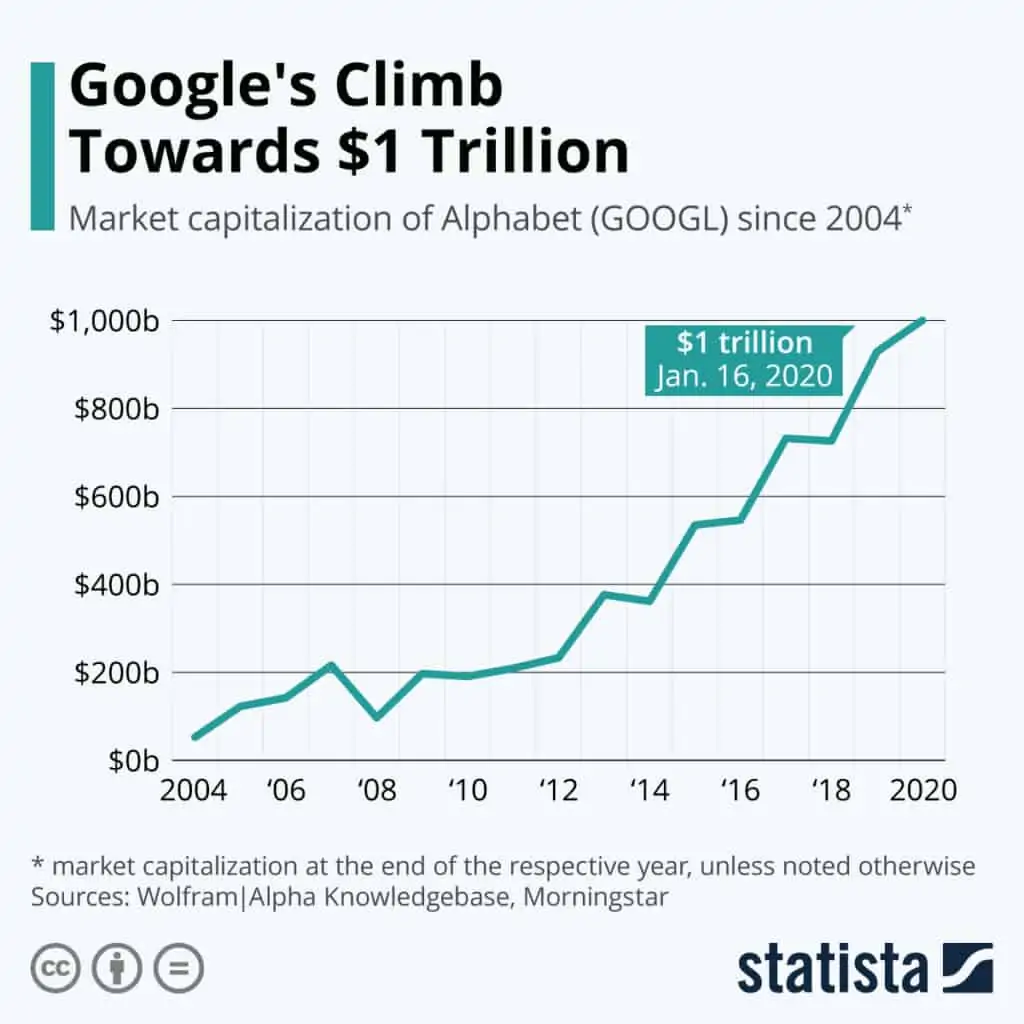
At its core, Google’s worth is largely reflected in its market capitalization—the total value of all its outstanding shares. As of various points in recent history, Alphabet (GOOGL, GOOG) has consistently ranked among the world’s most valuable public companies, frequently boasting a market cap exceeding one trillion or even two trillion dollars. This staggering figure is not static; it fluctuates daily with investor sentiment, company news, economic indicators, and broader market movements. However, to truly comprehend “what is Google worth,” one must look beyond this headline number and dissect the fundamental financial engines that power this digital leviathan.
Decoding Alphabet’s Multi-Trillion Dollar Valuation
Alphabet’s valuation isn’t built on a single pillar but on a robust foundation of diverse, high-growth businesses, each contributing significantly to its overall financial might. The interplay of these segments, alongside market dynamics, shapes its colossal market capitalization.
Understanding Market Capitalization
Market capitalization, or “market cap,” is the most straightforward measure of a company’s worth in the public markets. It’s calculated by multiplying the current share price by the total number of outstanding shares. For Alphabet, this figure provides a real-time snapshot of how the market values its entire enterprise. A high market cap indicates investor confidence, strong financial performance, and significant market influence. However, it’s a dynamic metric, reflecting not just current earnings but also the market’s collective expectation of future growth, profitability, and innovation. Swings in its market cap can be triggered by quarterly earnings reports, product announcements, shifts in economic outlook, or even geopolitical events, underscoring the market’s forward-looking nature.
The Core Drivers: Google Search & Ads
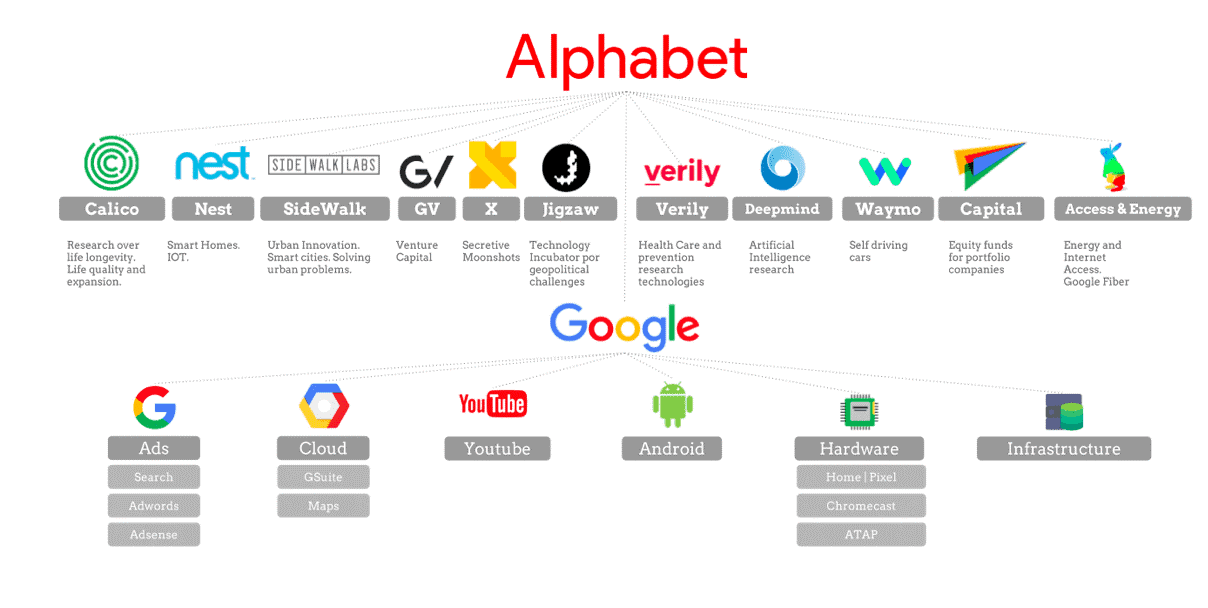
At the heart of Alphabet’s empire, and the primary engine of its profitability, lies Google Search and its associated advertising platforms. This segment, often simply referred to as “Google Search,” includes Search, Ads, Chrome, Android, Google Maps, and YouTube. Advertising revenue, primarily derived from search ads and YouTube ads, consistently accounts for the vast majority of Alphabet’s total revenue. Google’s unparalleled dominance in search—processing trillions of queries annually—provides an invaluable data moat, enabling highly targeted and effective advertising. Businesses worldwide allocate enormous budgets to Google Ads, understanding that reaching users precisely when they are expressing intent (through search queries) offers an unmatched return on investment. YouTube, the world’s largest video platform, further bolsters this advertising juggernaut, capturing a significant share of digital video ad spending. The immense profitability and consistent growth of this core business segment are paramount to Alphabet’s high valuation.
Emerging Powerhouses: Google Cloud & Other Bets
While advertising remains dominant, Alphabet has strategically invested in diversifying its revenue streams, with Google Cloud emerging as a critical growth driver. Google Cloud Platform (GCP) offers a suite of cloud computing services, competing directly with Amazon Web Services (AWS) and Microsoft Azure. Although it has historically trailed its competitors in market share, GCP has demonstrated impressive revenue growth, narrowing its losses and moving towards profitability. The enterprise cloud market is massive and still expanding, presenting a significant long-term opportunity for Alphabet to tap into new revenue streams beyond advertising.
Beyond Google Cloud, Alphabet’s “Other Bets” segment represents its venture into high-potential, often moonshot, technologies. This includes Waymo (self-driving cars), Verily and Calico (life sciences), Google Fiber (internet services), and DeepMind (artificial intelligence research), among others. While these ventures are typically loss-making in their early stages, requiring substantial R&D investment, they are crucial to Alphabet’s long-term worth. They represent the company’s commitment to innovation and its potential to unlock entirely new markets and revenue streams decades down the line. Investors view these bets as options on future value, acknowledging their current drag on profitability but valuing their potential for disruptive breakthroughs.
Financial Performance: A Deep Dive into Alphabet’s Books
Any serious assessment of Google’s worth must involve a thorough examination of its financial statements. These reports provide tangible evidence of its operational efficiency, growth trajectory, and overall financial health.
Revenue Growth & Profitability Trends
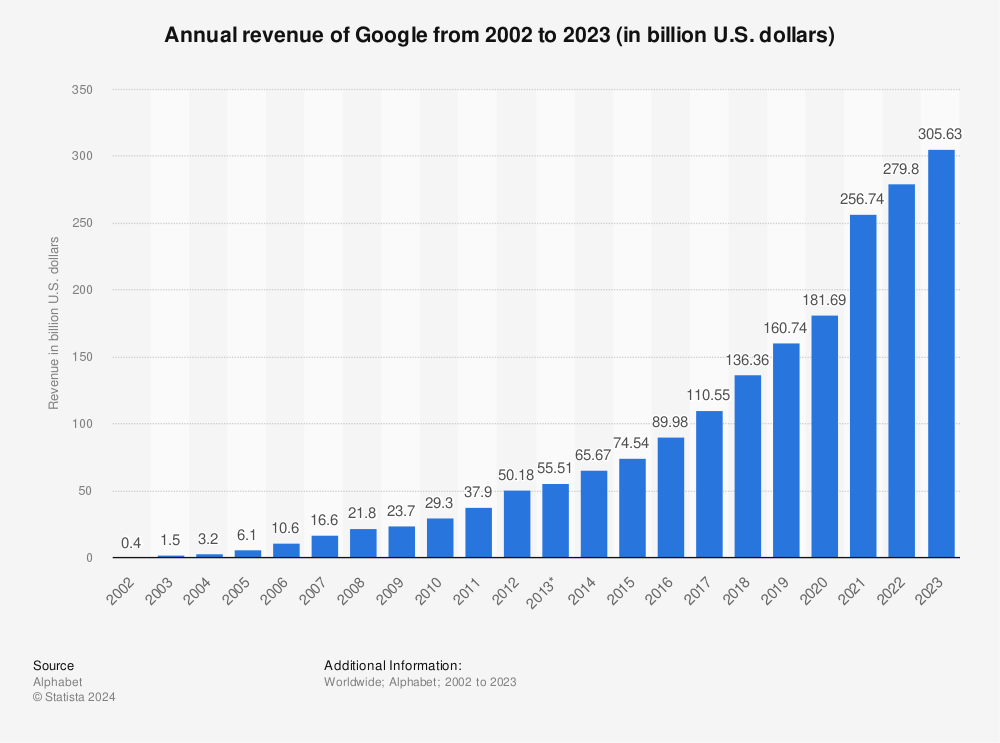
Alphabet’s revenue growth has been remarkably consistent over the years, driven primarily by its advertising businesses and increasingly by Google Cloud. Analyzing profitability involves looking at metrics like net income, operating margin, and earnings per share (EPS). Alphabet typically boasts robust operating margins, particularly from its core Google Services segment, indicating efficient management and strong pricing power. While “Other Bets” often weigh on overall profitability, the sheer scale and efficiency of the core business allow Alphabet to invest heavily in future technologies without significantly compromising its bottom line. Investors closely scrutinize these trends for signs of sustained growth, efficiency improvements, and the ability to convert revenue into profit.
Cash Flow, Liquidity, and Capital Allocation
Perhaps one of the most compelling aspects of Alphabet’s financial strength is its prodigious free cash flow generation. Free cash flow (operating cash flow minus capital expenditures) is crucial because it represents the cash available to a company after all necessary business investments, which can then be used for debt reduction, share buybacks, acquisitions, or dividends. Alphabet consistently generates tens of billions of dollars in free cash flow annually, underscoring its operational efficiency and robust business model.
This massive cash generation contributes to an exceptionally strong balance sheet, characterized by substantial cash and marketable securities. High liquidity provides Alphabet with immense financial flexibility, allowing it to weather economic downturns, fund ambitious R&D projects, and pursue strategic acquisitions without relying heavily on external financing. Alphabet’s capital allocation strategy prioritizes reinvestment in its core businesses, R&D for future growth, and strategic share buybacks to enhance shareholder value rather than paying a regular dividend.
The Balance Sheet: Assets, Liabilities, and Equity
Alphabet’s balance sheet is a testament to its financial stability. It typically features vast reserves of cash and short-term investments, significant property, plant, and equipment (reflecting its data centers and offices), and a growing portfolio of intangible assets (like patents and brand value). On the liabilities side, it maintains manageable levels of debt relative to its equity, indicating prudent financial management. Shareholder equity, representing the net assets owned by shareholders, is substantial, reflecting years of accumulated earnings and a strong asset base. A healthy balance sheet provides a strong buffer against economic shocks and supports long-term growth initiatives, enhancing Alphabet’s overall worth and credibility in the financial markets.
Beyond the Numbers: Strategic Factors Influencing Alphabet’s Value
While financial statements provide a quantitative view, several qualitative and strategic factors profoundly impact Google’s long-term worth and investor perception.
Innovation, R&D, and Future Growth Horizons
Alphabet’s commitment to innovation is legendary and a cornerstone of its valuation. Through massive investments in research and development (R&D), particularly in artificial intelligence (AI), machine learning, quantum computing, and other frontier technologies, Google aims to continually redefine digital experiences and open new markets. The market places a premium on companies that demonstrate a clear path to future growth and market leadership through innovation. Google’s ability to consistently introduce groundbreaking products and services, from advanced AI models like Gemini to sophisticated hardware, fuels investor optimism about its sustained relevance and growth in an ever-evolving technological landscape. These investments, while costly in the short term, are seen as vital for maintaining competitive advantage and securing future revenue streams.
Regulatory Headwinds and Antitrust Implications
One of the most significant external factors influencing Alphabet’s worth is the increasing global regulatory scrutiny. Governments worldwide are examining Google’s market dominance, particularly in search, advertising, and Android, for potential anti-competitive practices. Antitrust lawsuits and regulatory investigations can lead to substantial fines, forced changes in business practices, and even calls for divestitures, all of which could impact profitability and market share. The costs associated with litigation, compliance, and potential operational adjustments represent a material risk that investors must factor into their valuation models. The outcome of these regulatory challenges will play a crucial role in shaping Google’s future operational freedom and, consequently, its long-term market worth.
Competitive Moats and Market Dominance
Google’s “moat”—its sustainable competitive advantage—is formidable. It stems from several sources: the network effects of its platforms (more users attract more advertisers, and vice-versa), its proprietary data, its technological prowess, and its deep talent pool. In search, its scale and sophistication are unmatched. In advertising, its ecosystem offers unparalleled reach and targeting capabilities. While competitors exist in every segment (Microsoft in search, Amazon/Microsoft in cloud, TikTok/Meta in social video), Google’s integrated ecosystem of products and services creates a sticky user base and a powerful competitive barrier. The ability to defend and expand these moats is critical for maintaining its high valuation and fending off new entrants.
Investment Perspective: Is Google a Buy?
For investors, the question of “what is Google worth?” translates into “is Alphabet a good investment?” This requires synthesizing all the financial and strategic factors into a cohesive investment thesis.
Valuation Methodologies: P/E, EV/EBITDA, DCF
Investors employ various methodologies to value a company like Alphabet. The Price-to-Earnings (P/E) ratio compares its share price to its earnings per share, indicating how much investors are willing to pay for each dollar of earnings. Enterprise Value to EBITDA (EV/EBITDA) provides a more comprehensive view by considering debt and cash and is often favored for comparing companies with different capital structures. For growth companies, Discounted Cash Flow (DCF) analysis is powerful. It involves projecting future free cash flows and discounting them back to their present value, providing an intrinsic value estimate. By comparing Alphabet’s current market price to these intrinsic value estimates and relative valuation metrics against its peers, investors can determine if the stock is undervalued, overvalued, or fairly priced.
Assessing Risk and Reward for Investors
Investing in Alphabet, like any company, involves a balance of risk and reward. The rewards include exposure to a dominant tech leader with consistent revenue growth, immense profitability, and a strong pipeline of innovation. The risks include regulatory pressures, increased competition, economic downturns impacting advertising spend, and the inherent uncertainties of “Other Bets.” A prudent investor weighs these factors, assessing Alphabet’s ability to navigate challenges while capitalizing on opportunities. Its strong balance sheet and cash generation capabilities often provide a degree of downside protection compared to more speculative growth stocks.
Long-Term Outlook and Shareholder Value Creation
Alphabet’s long-term outlook remains robust. Its core advertising business, while mature, continues to innovate and capture market share in digital spending. Google Cloud is a powerful growth engine with significant runway. And “Other Bets” offer optionality for future breakthroughs. Alphabet’s strategy of continuous innovation, strategic reinvestment, and share buybacks is geared towards long-term shareholder value creation. For investors with a long-term horizon, Alphabet represents a compelling opportunity to own a piece of a global technology leader that continues to shape the digital world. Its worth, therefore, is not just a reflection of its current financial performance but a powerful testament to its enduring capacity for innovation and its potential to generate value for decades to come.
aViewFromTheCave is a participant in the Amazon Services LLC Associates Program, an affiliate advertising program designed to provide a means for sites to earn advertising fees by advertising and linking to Amazon.com. Amazon, the Amazon logo, AmazonSupply, and the AmazonSupply logo are trademarks of Amazon.com, Inc. or its affiliates. As an Amazon Associate we earn affiliate commissions from qualifying purchases.