
The question “what is Google’s share price?” is far more than a simple query about a numerical value. It’s an entry point into understanding the financial pulse of one of the world’s most influential companies, Alphabet Inc. (the parent company of Google). For investors, market enthusiasts, or anyone interested in the broader economy, deciphering the dynamics behind Alphabet’s stock, traded under the tickers GOOGL and GOOG, offers profound insights into technological innovation, market trends, and investment strategy.
Alphabet Inc. is a titan of the digital age, with its sprawling ecosystem touching nearly every aspect of modern life. From its foundational Google Search engine and advertising empire to YouTube, Android, Google Cloud, and its ambitious “Other Bets” in areas like AI and autonomous driving, the company’s reach is unparalleled. Consequently, its share price is a complex reflection of its vast operations, future prospects, financial health, and the broader economic climate. Understanding this involves dissecting its unique corporate structure, identifying the key drivers of its valuation, analyzing crucial financial metrics, and positioning it within a sound investment philosophy.
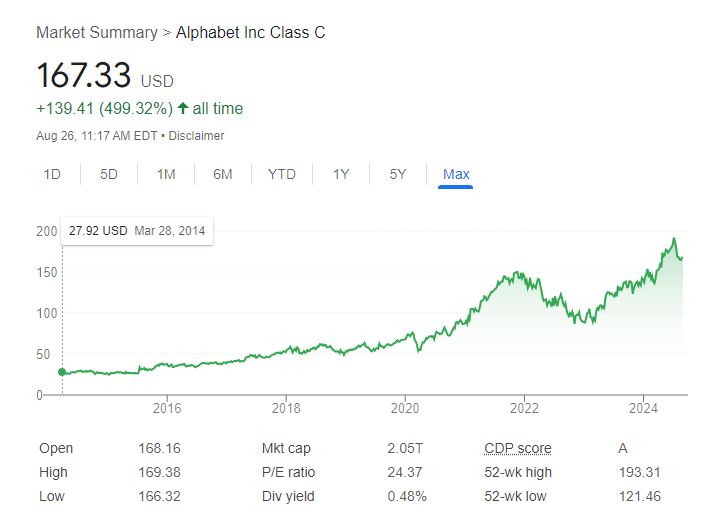
The Mechanics of Alphabet’s Stock: GOOGL vs. GOOG
One of the first distinctions an investor encounters when looking at Google’s share price is the existence of two different stock tickers: GOOGL and GOOG. This dual-class share structure is a critical aspect of Alphabet’s corporate governance and has specific implications for shareholders.
Decoding the Dual-Class Structure
Alphabet Inc. employs a three-class stock structure, though only two classes are publicly traded.
- Class A Shares (GOOGL): These shares come with one vote per share. When you buy GOOGL, you acquire a stake in the company and gain voting rights, allowing you to influence corporate decisions through proxy voting. This class of stock is generally favored by investors who wish to have a voice in the company’s governance.
- Class C Shares (GOOG): These shares are non-voting. While they represent an equal economic interest in the company (i.e., they participate equally in dividends or stock splits), holders of Class C shares do not have voting rights.
- Class B Shares (Not Publicly Traded): These shares are privately held by the company’s founders and a few insiders. Critically, Class B shares carry ten votes per share, granting the founders super-voting power. This structure ensures that Larry Page and Sergey Brin, along with other key executives, maintain control over the company’s strategic direction, regardless of their proportional economic ownership.
Implications for Investors: Voting Rights and Liquidity
The primary implication for investors lies in the presence or absence of voting rights. For many institutional investors and activist shareholders, voting rights are a significant consideration, as they provide a mechanism to hold management accountable. However, for individual investors primarily focused on capital appreciation, the absence of voting rights in GOOG may not be a major deterrent. The economic interest in both share classes is identical, meaning both GOOGL and GOOG should theoretically move in tandem regarding their price performance based on the company’s underlying financial results.
Historically, there have been slight price discrepancies between GOOGL and GOOG, often due to supply-demand dynamics or market participants valuing the voting right differently. However, these differences are typically minor and fluctuate based on market conditions. For long-term investors, the choice often boils down to personal preference regarding corporate governance and a marginal difference in price. It’s crucial for any potential investor to understand that the dual-class structure, particularly the super-voting Class B shares, centralizes power with the founders, which can be seen as both a strength (stability in vision) and a potential weakness (less external shareholder influence).
Driving Forces Behind Alphabet’s Valuation and Share Price
Alphabet’s share price is not static; it’s a dynamic reflection of numerous internal and external factors. Understanding these drivers is essential for any informed investment decision.
Core Business Strength: Advertising Dominance
At its heart, Alphabet’s financial powerhouse remains its advertising business, primarily through Google Search and YouTube. Google’s unparalleled search dominance allows it to capture a significant share of digital ad spending globally. Advertisers pay Google for clicks or impressions, generating massive revenue streams that underpin the company’s profitability. Similarly, YouTube, as the world’s largest video platform, commands substantial advertising revenue from its vast audience and content creators. The health of the digital advertising market, economic cycles affecting ad spend, and Google’s ability to maintain its market share against competitors are paramount determinants of its financial performance and, consequently, its share price. Any shift in advertising trends, changes in user behavior, or new competitive threats can directly impact this core revenue stream.
Growth Engines: Google Cloud, YouTube, and Other Bets
While advertising is the breadwinner, Alphabet has strategically diversified its operations, developing powerful growth engines that contribute significantly to its long-term potential.
- Google Cloud: This enterprise cloud computing service competes directly with Amazon Web Services (AWS) and Microsoft Azure. Google Cloud’s rapid growth, driven by increasing enterprise adoption of cloud services, is a crucial factor for investors looking for future revenue expansion. Its ability to scale, innovate, and capture market share in this high-growth sector is closely watched.
- YouTube: Beyond advertising, YouTube continues to innovate with new features like Shorts and premium subscriptions, expanding its revenue streams and user engagement. Its global reach and cultural impact make it a consistent contributor to Alphabet’s overall value.
- Other Bets: This segment comprises Alphabet’s more speculative, long-term investments in cutting-edge technologies like Waymo (autonomous driving), Verily (life sciences), and DeepMind (AI research). While often operating at a loss, these ventures represent Alphabet’s commitment to future innovation and potential breakthrough technologies. Success in even one of these “bets” could unlock immense value, making them a significant, albeit risky, part of the investment thesis.
Macroeconomic Headwinds and Tailwinds
Alphabet’s share price is also heavily influenced by broader macroeconomic conditions. During periods of economic growth and stability, consumer spending and corporate advertising budgets tend to increase, boosting Alphabet’s revenues. Conversely, economic downturns, recessions, or periods of high inflation can lead to reduced ad spending, tighter corporate budgets for cloud services, and decreased consumer confidence, negatively impacting the company’s financial performance. Interest rate changes, global supply chain issues, and geopolitical events can also create significant tailwinds or headwinds, influencing investor sentiment and capital allocation decisions across the market, including for Alphabet.
Regulatory Scrutiny and Competitive Pressures
As a dominant force in several key industries, Alphabet faces intense regulatory scrutiny worldwide. Antitrust concerns, data privacy regulations (like GDPR and CCPA), and potential breakups or restrictions on its business practices are ongoing risks. Regulatory actions, fines, or changes in how Alphabet can operate could directly impact its profitability and market position. Furthermore, competition from tech giants like Meta, Microsoft, Amazon, and even emerging startups constantly challenges Alphabet’s dominance across its various segments. The ability to innovate and adapt in a rapidly evolving competitive landscape is crucial for maintaining its market leadership and, by extension, its share price.
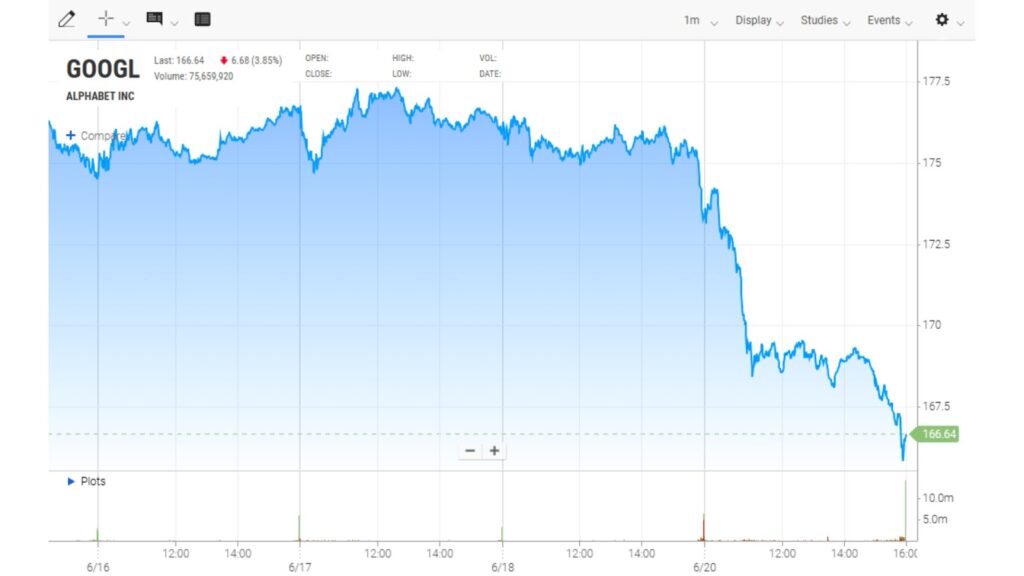
Key Financial Metrics and Investment Analysis for Alphabet
To truly understand Alphabet’s share price as an investment, one must delve into its financial statements and apply standard valuation metrics. This quantitative analysis provides a clearer picture of the company’s health, profitability, and growth prospects.
Evaluating Earnings Reports and Revenue Growth
Quarterly and annual earnings reports are critical events for Alphabet. Investors scrutinize these reports for key figures such as total revenue, revenue growth rates across different segments (e.g., Google Search, YouTube Ads, Google Cloud), net income, and earnings per share (EPS). Strong, consistent revenue growth, especially in high-margin segments, signals a healthy and expanding business. Deviations from analyst expectations, positive or negative, can cause significant short-term price movements. Furthermore, trends in operating expenses, research and development (R&D) investments, and capital expenditures (CapEx) provide insights into how efficiently the company is managing its growth and allocating resources.
Price-to-Earnings (P/E) Ratio and Growth Prospects
The Price-to-Earnings (P/E) ratio is one of the most widely used valuation metrics. It compares a company’s current share price to its earnings per share. A higher P/E ratio suggests that investors are willing to pay more for each dollar of earnings, often implying expectations of higher future growth. For a growth company like Alphabet, a P/E ratio higher than the market average is common. However, it’s crucial to compare Alphabet’s P/E to its historical average and to that of its peers in the tech industry. Investors also consider the Price-to-Earnings Growth (PEG) ratio, which accounts for the company’s expected earnings growth rate, providing a more nuanced view for growth stocks. A PEG ratio around or below 1 often indicates a potentially undervalued growth stock.
Free Cash Flow and Balance Sheet Health
Beyond reported earnings, free cash flow (FCF) is a vital metric. FCF represents the cash a company generates after accounting for cash outflows to support operations and maintain its capital assets. Strong and consistent FCF generation indicates a company’s ability to fund its growth, pay down debt, or return capital to shareholders (though Alphabet historically does not pay dividends). Alphabet’s balance sheet also warrants attention, particularly its cash and equivalents, debt levels, and overall liquidity. A robust balance sheet with ample cash reserves provides financial flexibility, allowing the company to weather economic downturns, fund acquisitions, and invest heavily in R&D without relying excessively on external financing. Alphabet is known for having a significant cash pile, providing it with substantial strategic advantages.
Investing in Alphabet Inc.: A Strategic Perspective
Investing in Alphabet requires more than just understanding its current share price; it demands a strategic outlook on its long-term potential, an awareness of its inherent risks, and a consideration of how it fits into a broader investment portfolio.
Long-Term Growth Thesis and Innovation
The core investment thesis for Alphabet often revolves around its unparalleled ecosystem, continuous innovation, and dominant market positions. Its ability to attract and retain billions of users across its various products (Search, Android, Chrome, YouTube, Gmail) creates powerful network effects and vast data resources that fuel its advertising business and AI development. The long-term growth story is predicated on Alphabet’s capacity to continue innovating, expanding into new markets (like cloud computing and AI), and monetizing its global user base more effectively. Investors often bet on Google’s consistent R&D investments, its world-class talent pool, and its history of successful product development to drive future earnings and shareholder value. The potential of its “Other Bets” to evolve into significant revenue generators further underpins this long-term growth narrative.
Understanding Risk Factors and Volatility
Despite its strengths, investing in Alphabet is not without risks. Market volatility, influenced by economic cycles, interest rate changes, and geopolitical events, can cause significant fluctuations in its share price. Specific company risks include:
- Regulatory Actions: Ongoing antitrust investigations and the potential for new regulations could restrict its business practices or impose costly penalties.
- Competition: Intense competition in cloud computing, advertising, and emerging technologies could erode market share or profit margins.
- Ad Market Fluctuations: A downturn in the global economy or shifts in advertiser spending habits could directly impact its primary revenue source.
- Data Privacy Concerns: Increased public and regulatory scrutiny over data collection and usage could lead to stricter rules and higher compliance costs.
- Dependence on Key Personnel: While a large organization, the continued leadership and vision of its founders and key executives remain influential.
These factors can contribute to periods of increased volatility, and investors should be prepared for potential price swings.
Integrating Alphabet into a Diversified Portfolio
For most investors, Alphabet should be considered as part of a well-diversified investment portfolio, rather than the sole holding. While it offers exposure to high-growth technology sectors, over-reliance on any single stock, no matter how robust, can expose an investor to undue risk. Including Alphabet alongside investments in other sectors, geographies, and asset classes can help mitigate company- specific risks and balance overall portfolio volatility. Investors should assess their own risk tolerance, investment horizon, and financial goals when deciding on the appropriate allocation to a stock like Alphabet. Furthermore, it’s crucial to regularly review one’s portfolio and Alphabet’s performance against its strategic objectives to ensure it continues to align with individual financial plans.
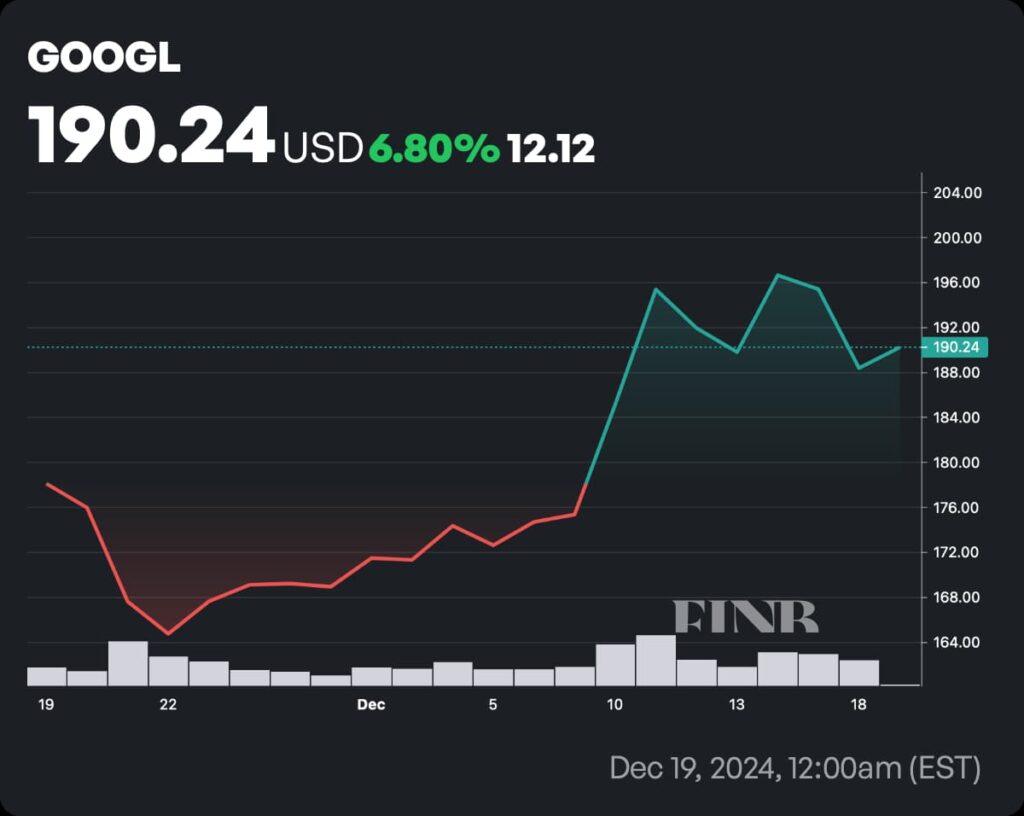
Conclusion
The question “what is Google’s share price?” opens the door to a comprehensive financial analysis of Alphabet Inc. It’s not merely a number but a dynamic indicator influenced by a complex interplay of internal business performance, strategic initiatives, macroeconomic conditions, and the broader sentiment of the investment community. Understanding the distinction between GOOGL and GOOG, the power of its advertising core, the promise of its growth engines like Google Cloud, and the significant impact of both financial metrics and regulatory pressures is paramount.
For investors, Alphabet represents a compelling opportunity to participate in the growth of a dominant technology company with vast resources and a track record of innovation. However, like any investment, it comes with inherent risks and requires careful due diligence. By adopting a professional, insightful, and strategic approach to evaluating Alphabet Inc., investors can make more informed decisions, aligning their financial choices with a deeper understanding of one of the world’s most valuable companies. As always, consulting with a qualified financial advisor is recommended before making any significant investment decisions.
aViewFromTheCave is a participant in the Amazon Services LLC Associates Program, an affiliate advertising program designed to provide a means for sites to earn advertising fees by advertising and linking to Amazon.com. Amazon, the Amazon logo, AmazonSupply, and the AmazonSupply logo are trademarks of Amazon.com, Inc. or its affiliates. As an Amazon Associate we earn affiliate commissions from qualifying purchases.