
The Brand’s Blueprint for Efficacy and Trust in the Supplement Market
In the highly competitive world of sports nutrition, defining what constitutes a “good” pre-workout is less about a universal formula and more about a brand’s strategic approach to product development, communication, and market positioning. For a pre-workout to be perceived as “good” by consumers, its brand must meticulously craft an identity that resonates with efficacy, safety, and trustworthiness. This begins with an unwavering commitment to ingredient integrity and transparency, transforming what could be a generic blend of compounds into a branded solution for enhanced athletic performance.
Brands achieve this by investing heavily in research and development, not just to discover novel ingredients but to validate the synergistic effects of established components. A “good” pre-workout brand distinguishes itself by clearly articulating the scientific rationale behind its formulations, often citing peer-reviewed studies or engaging in proprietary research. This scientific validation forms a cornerstone of its brand narrative, lending credibility and authority in a market rife with unsubstantiated claims. Furthermore, the commitment to third-party testing and certifications (such as NSF Certified for Sport or Informed-Sport) is a critical brand strategy. These certifications act as independent seals of approval, assuring consumers that the product contains what it claims and is free from banned substances, thereby mitigating risk and building profound trust. Without these foundational elements of scientific backing and third-party verification, a brand struggles to establish itself as a provider of “good” pre-workouts, regardless of its marketing efforts.
Transparency, another crucial pillar, extends beyond merely listing ingredients. A truly “good” pre-workout brand educates its audience on the purpose and dosage of each ingredient, explaining why it’s included and how it contributes to performance. This level of detail fosters a sense of honesty and respect with the consumer, demystifying complex formulations and empowering informed choices. Brands that opt for proprietary blends, while offering protection for their intellectual property, often face skepticism. In contrast, brands that disclose exact dosages (a practice known as “fully dosed” or “open label”) build a stronger reputation for candor, positioning their products as objectively superior and more reliable in the eyes of a discerning clientele. This strategic choice to prioritize transparency directly contributes to a brand’s perception of “goodness,” cultivating loyalty through integrity.
Crafting a Desirable Brand Identity in a Saturated Market
The sports nutrition sector is crowded, making a distinctive and desirable brand identity paramount for any pre-workout to stand out as “good.” This identity encompasses more than just the product itself; it’s a holistic projection of values, aesthetics, and aspirations that resonate with the target consumer.
Visual Identity: Packaging, Design, and Immediate Perception
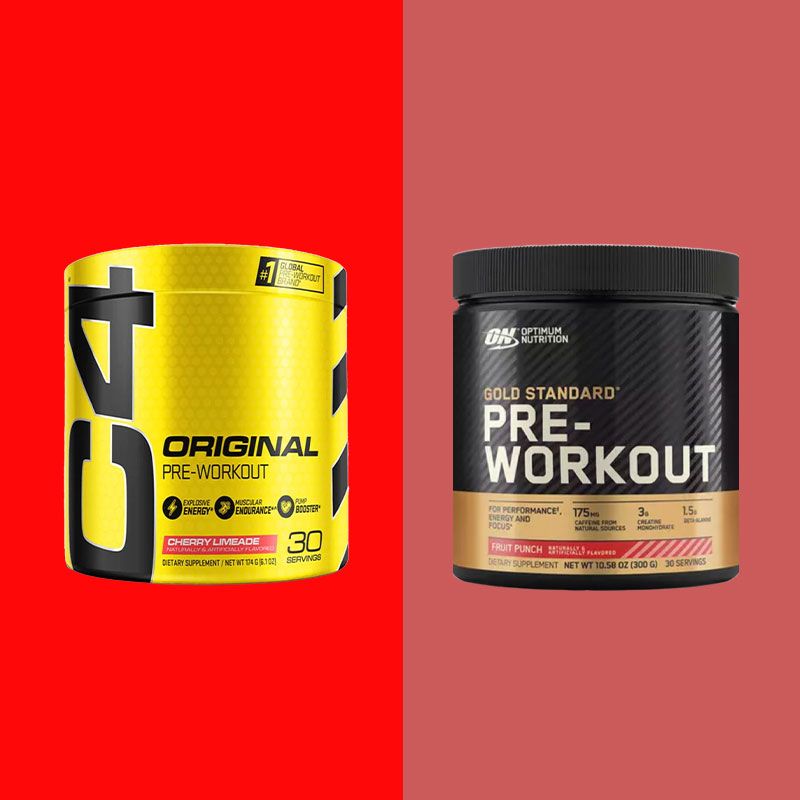
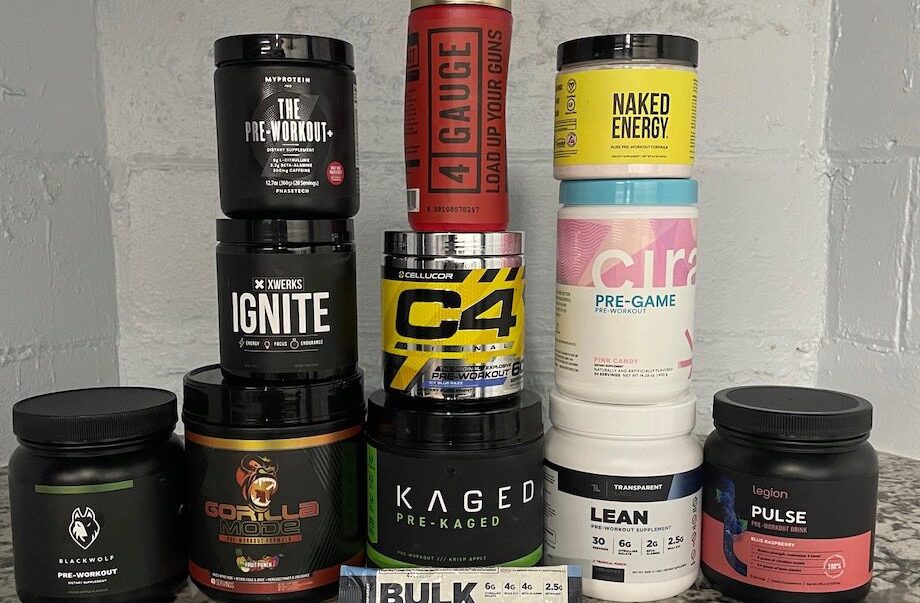
The first point of contact for many consumers is the product’s packaging. A “good” pre-workout brand leverages sophisticated graphic design, color psychology, and ergonomic packaging to convey its essence immediately. Is it a high-intensity product for elite athletes? A clean, natural option for health-conscious individuals? Or a fun, flavorful boost for everyday gym-goers? The visual cues—from bold, aggressive typography to minimalist, earthy tones—communicate these brand attributes instantly. High-quality packaging materials, clear labeling, and innovative container designs (e.g., easy-scoop lids) also contribute to a premium perception, signaling attention to detail and a commitment to quality that reinforces the idea of a “good” product before it’s even consumed. A brand’s visual identity must be consistent across all touchpoints, from online stores to physical retail, ensuring a cohesive and memorable impression.
Messaging Strategy: Defining Unique Selling Propositions (USPs)
Beyond aesthetics, a “good” pre-workout brand needs a compelling messaging strategy that articulates its unique selling propositions (USPs). In a market where many products share similar ingredient profiles, effective branding identifies and highlights specific differentiators. This could be a unique blend of nootropics for enhanced focus, an innovative flavor profile, the absence of artificial sweeteners, or a commitment to sustainable sourcing. The brand’s messaging must clearly communicate these advantages, often through concise slogans and descriptive product names that evoke desired outcomes. For instance, a brand might position its pre-workout as “the ultimate focus enhancer” rather than just “energy.” This precise framing helps consumers understand the specific benefits and why this particular product is “good” for their individual needs and goals, cutting through the noise with clarity and purpose.
Storytelling and Brand Narrative
Consumers today seek more than just products; they want to connect with brands that embody values and inspire them. A “good” pre-workout brand weaves a compelling story around its origins, mission, and the passion that drives its innovation. This narrative could be about the founders’ journey in overcoming athletic challenges, a commitment to scientific discovery, or a dedication to empowering a specific community of fitness enthusiasts. Storytelling humanizes the brand, creating an emotional connection that transcends functional benefits. It builds a sense of authenticity and shared purpose, making the brand’s pre-workout not just a supplement, but a part of a larger lifestyle or movement. This narrative becomes an invaluable asset in distinguishing a brand and cementing its perception as “good” in the minds of its audience.
Target Audience Alignment: Niche vs. Mass Appeal
A crucial strategic decision for any pre-workout brand is identifying its target audience. Attempting to appeal to everyone often results in appealing to no one. “Good” pre-workout brands meticulously define their ideal customer—be it competitive bodybuilders, endurance athletes, casual gym-goers, or individuals seeking cognitive enhancement. This precise targeting informs every aspect of brand identity, from ingredient selection and flavor profiles to packaging design and marketing channels. A brand might choose a niche strategy, focusing on specific dietary preferences (e.g., vegan, keto-friendly) or performance goals (e.g., strength, stamina). By deeply understanding and catering to the specific needs and desires of a defined segment, a brand can create a product and identity that is not just “good,” but perfect for its intended user, fostering strong loyalty and advocacy within that community.
Marketing “Good” Pre-Workouts: Strategies for Engagement and Conversion
Even the most meticulously formulated pre-workout won’t be perceived as “good” if its brand fails to connect with its audience effectively. Marketing strategy is the engine that drives awareness, engagement, and ultimately, conversion, transforming a product into a recognized and trusted brand.
Digital Marketing Tactics: Content, SEO, Social Media
In the digital age, a robust online presence is non-negotiable. “Good” pre-workout brands leverage search engine optimization (SEO) to ensure their products are discoverable by consumers actively searching for fitness supplements. This involves targeted keyword strategies, high-quality blog content that educates on fitness, nutrition, and product benefits, and a seamless e-commerce experience. Social media platforms provide a direct channel for engagement, allowing brands to showcase product usage, share success stories, and interact directly with consumers. Visually appealing content, engaging polls, and live Q&A sessions can build a vibrant online community, turning passive followers into active brand advocates. A well-executed digital strategy ensures that the brand’s narrative reaches its target audience consistently and compellingly.
Influencer Marketing and Brand Ambassadors
The power of endorsement from credible figures cannot be overstated in the supplement industry. “Good” pre-workout brands strategically partner with fitness influencers, athletes, and nutrition experts whose values align with their own. These ambassadors, whether micro-influencers with highly engaged niche audiences or macro-influencers with broad reach, provide authentic testimonials and demonstrate product usage in real-world scenarios. This form of marketing bypasses traditional advertising skepticism, leveraging the trust and rapport influencers have built with their followers. The key is authenticity; brands select partners who genuinely believe in and use their product, thereby lending genuine credibility to the “goodness” of the pre-workout.
Community Building and User-Generated Content
Beyond one-way communication, “good” brands actively foster communities around their products. This can involve creating online forums, hosting fitness challenges, or encouraging users to share their workout experiences using specific hashtags. User-generated content (UGC), such as reviews, photos, and videos from satisfied customers, is incredibly powerful. It provides authentic social proof that the pre-workout is indeed “good,” often more persuasively than professional marketing materials. Brands curate and amplify this UGC, showcasing real results and fostering a sense of shared identity among their customer base. This organic endorsement strengthens brand perception and encourages new customers to join the community.
The Role of Customer Reviews and Testimonials
In the digital marketplace, customer reviews are paramount. “Good” pre-workout brands prioritize collecting and prominently displaying positive reviews and testimonials on their websites and retail platforms. These candid assessments from verified purchasers offer invaluable insights into product effectiveness, flavor, mixability, and overall experience. A transparent approach to reviews, including responding thoughtfully to both positive and constructive feedback, further solidifies a brand’s commitment to customer satisfaction and continuous improvement. High ratings and detailed testimonials act as a powerful form of social proof, guiding purchasing decisions and validating the brand’s claim of offering a “good” pre-workout.
Sustaining Brand Value: Loyalty, Innovation, and Ethical Practices
For a pre-workout brand to be considered “good” over the long term, it must move beyond initial sales and focus on building sustained value through customer loyalty, continuous innovation, and unwavering ethical practices. This commitment ensures enduring relevance and a strong market position.
Post-Purchase Experience and Customer Service
The journey with a “good” pre-workout brand doesn’t end at the checkout. A superior post-purchase experience is crucial for fostering loyalty. This includes timely order fulfillment, responsive and knowledgeable customer service, and easy-to-understand usage instructions. Brands that proactively follow up with customers, offer loyalty programs, or provide personalized recommendations demonstrate a commitment to their clientele beyond the transaction. Efficiently handling inquiries, resolving issues, and genuinely engaging with customer feedback reinforces the brand’s dedication to its users, solidifying the perception of a reliable and caring entity. This focus on the complete customer journey turns one-time buyers into repeat customers and brand advocates.
Continuous Product Development and Innovation
The sports nutrition landscape is dynamic, with new research and ingredients emerging regularly. A “good” pre-workout brand must commit to continuous product development and innovation to remain competitive and relevant. This means not resting on the laurels of existing successful formulations but actively researching new compounds, improving existing blends, and introducing novel flavors or product formats. Innovation can also involve reformulating products to meet evolving consumer demands, such as offering stimulant-free options or catering to specific dietary trends. By demonstrating a forward-thinking approach and regularly introducing enhancements or new offerings, brands signal their dedication to providing cutting-edge solutions, ensuring their pre-workouts remain perceived as “good” and desirable in an ever-evolving market.
Ethical Sourcing and Sustainability as Brand Differentiators
Modern consumers, particularly in the health and wellness space, are increasingly conscious of a brand’s ethical footprint. “Good” pre-workout brands recognize this and integrate ethical sourcing and sustainable practices into their core identity. This can involve transparently sourcing ingredients, ensuring fair labor practices in their supply chain, utilizing eco-friendly packaging, or implementing carbon-neutral manufacturing processes. Communicating these efforts becomes a powerful brand differentiator, attracting environmentally and socially conscious consumers. Beyond mere compliance, a genuine commitment to these values enhances a brand’s reputation, positions it as a responsible corporate citizen, and contributes significantly to its perception as a “good” and trustworthy choice.
Crisis Management and Reputation Protection
In the age of instant information, a brand’s reputation can be fragile. Even the best pre-workout brands can face challenges, whether it’s a product recall, ingredient controversy, or negative social media campaign. A hallmark of a “good” brand is its ability to navigate these crises with transparency, speed, and integrity. This involves having robust crisis management protocols, communicating openly and honestly with the public, taking swift corrective action, and demonstrating accountability. How a brand responds to adversity can either damage its hard-won reputation or, conversely, strengthen consumer trust by showcasing resilience and unwavering commitment to its values. Effective reputation protection ensures that the perception of a “good” pre-workout endures, even in challenging circumstances.
aViewFromTheCave is a participant in the Amazon Services LLC Associates Program, an affiliate advertising program designed to provide a means for sites to earn advertising fees by advertising and linking to Amazon.com. Amazon, the Amazon logo, AmazonSupply, and the AmazonSupply logo are trademarks of Amazon.com, Inc. or its affiliates. As an Amazon Associate we earn affiliate commissions from qualifying purchases.