
Purchasing a vehicle is often the second-largest financial commitment a person makes, surpassed only by the purchase of a home. While much of the excitement surrounding a new car centers on the make, model, and features, the most critical factor for your long-term financial health is the interest rate you secure on your auto loan. A “good” auto loan rate is not a static number; it is a moving target influenced by macroeconomic shifts, your personal financial history, and the specific characteristics of the vehicle you intend to buy.
Understanding what constitutes a competitive rate in the current market allows you to approach the dealership or lender from a position of strength. By demystifying the mechanics of interest rates, you can save thousands of dollars over the life of your loan and ensure that your vehicle remains an asset rather than a crushing financial burden.
The Financial Landscape of Auto Financing
To determine what a good auto loan rate looks like today, one must first look at the broader economic environment. Interest rates for consumer loans are heavily influenced by the Federal Reserve’s federal funds rate. When the Fed raises rates to combat inflation, the cost of borrowing for banks increases, which is subsequently passed down to consumers in the form of higher APRs (Annual Percentage Rates) on car loans.
In a low-rate environment, a “good” rate might be between 2% and 4% for a new vehicle. However, in a higher-rate environment, even consumers with excellent credit might find that 5% to 7% represents the top tier of available offers. Therefore, a good rate is essentially the lowest possible rate available for your specific credit profile given the current market conditions.
The Difference Between New and Used Car Rates
Historically, new cars command lower interest rates than used cars. This discrepancy exists because new vehicles have a more predictable resale value, making them lower-risk collateral for the lender. If a borrower defaults, the lender can recoup a larger portion of the loan balance by repossessing and selling a newer vehicle.
For a used car, a good rate typically sits 1% to 2% higher than the equivalent rate for a new car. If you are shopping for a pre-owned vehicle, do not be discouraged if your quote is slightly higher than the national averages you see advertised for new models. The key is to ensure that the “used car premium” you are paying remains within a reasonable range.
Understanding APR vs. Interest Rate
When evaluating a loan, it is vital to distinguish between the interest rate and the APR. The interest rate is the base cost of borrowing the principal amount. The APR includes the interest rate plus any additional fees, such as origination fees or documentation costs, expressed as a yearly percentage. A “good” loan is one where the APR is as close to the interest rate as possible, indicating that the lender isn’t padding the contract with hidden administrative costs.
The Anatomy of an Interest Rate: What Influences Your Quote
Lenders use a sophisticated risk-assessment model to determine the rate they offer. While you cannot control the Federal Reserve, you have significant influence over the personal variables that lenders scrutinize.
The Role of Credit Scores
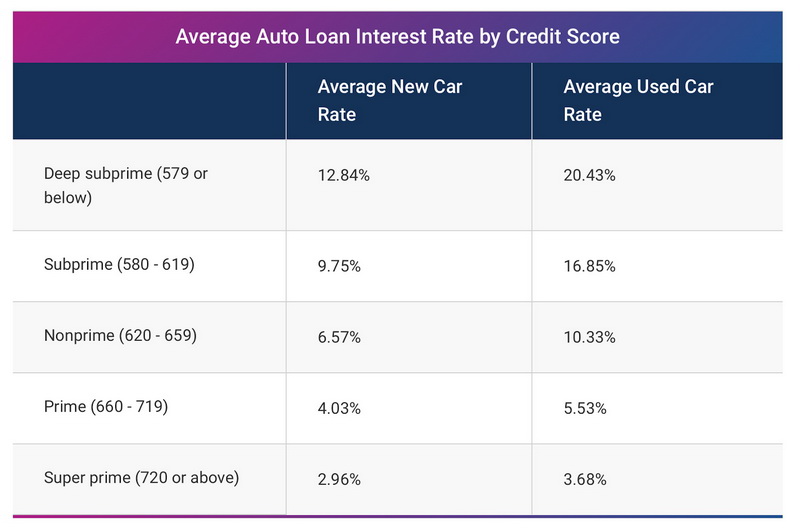
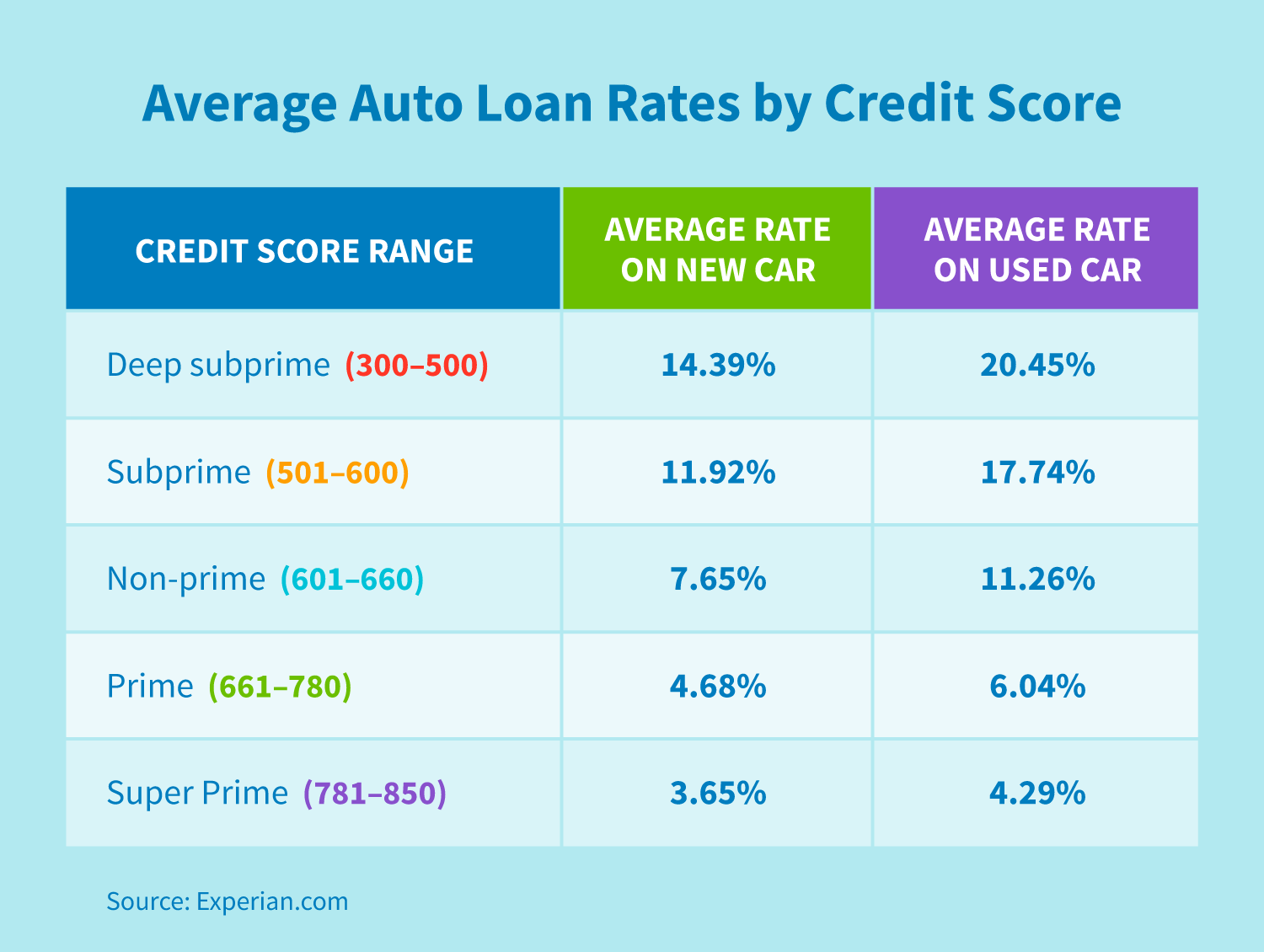
Your credit score is the single most influential factor in determining your auto loan rate. Lenders generally categorize borrowers into tiers:
-
Superprime (780-850): These borrowers receive the absolute best rates. For this group, a good rate is often the lowest advertised rate by major banks or credit unions.
-
Prime (660-779): Most consumers fall into this category. A good rate here is competitive, though slightly higher than the superprime tier.
-
Nonprime (601-659): Borrowers in this range will see rates climb. A good rate for this tier is one that avoids the double-digit territory.
-
Subprime and Deep Subprime (300-600): These borrowers face the highest rates. In this category, a “good” rate is one that allows for a path toward refinancing once the borrower’s credit improves.
Vehicle Age and Condition
As mentioned, the age of the car matters. However, the mileage and the specific model can also play a role. Some lenders refuse to finance vehicles over a certain age (typically 10 years) or those with over 100,000 miles. For these older vehicles, you might be forced into a personal loan rather than an auto loan, which carries significantly higher interest rates.
Loan Duration and Monthly Payments
There is an inverse relationship between loan term length and interest rates. A 36-month loan will almost always carry a lower interest rate than an 84-month loan. While longer terms result in lower monthly payments, they increase the total interest paid over the life of the loan and often come with a higher APR because the lender is taking on more long-term risk. A good rate is often found by balancing a term length that is short enough to minimize interest but long enough to keep payments manageable—usually between 48 and 60 months.
Evaluating Lenders: Where to Find the Most Competitive Rates
Not all lenders are created equal. Where you choose to secure your financing can result in a difference of several percentage points.
Traditional Banks and Credit Unions
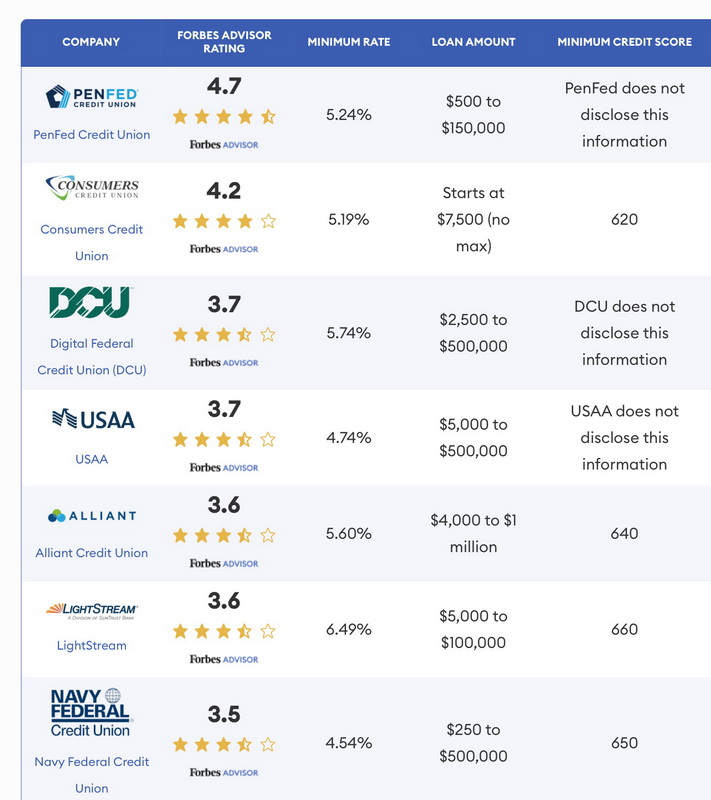
Credit unions are often the gold standard for auto loans. Because they are member-owned, non-profit institutions, they frequently return profits to members in the form of lower interest rates. It is not uncommon for a credit union to offer a rate 1% to 1.5% lower than a major national bank.
Large commercial banks, while convenient, often have stricter credit requirements and slightly higher rates. However, if you have an existing relationship with a bank, such as a mortgage or a high-balance savings account, they may offer a “loyalty discount” on an auto loan.
Direct Online Lenders
The rise of fintech has introduced a plethora of online-only lenders that specialize in auto financing. These companies often have lower overhead costs than brick-and-mortar banks and can pass those savings on to the consumer. The primary advantage of online lenders is the ability to get pre-approved in minutes, providing you with a “floor” rate that you can take to the dealership to see if they can beat it.
Captive Finance Companies (Dealership Financing)
Captive lenders are the financial arms of the automakers themselves—think Ford Credit, Toyota Financial Services, or GM Financial. These entities often provide the highly advertised 0% or 1.9% APR deals. These are technically the “best” rates available, but they are usually reserved exclusively for superprime borrowers and are often offered in lieu of cash-back rebates. It is important to run the math: sometimes taking a slightly higher interest rate from a bank while accepting a $3,000 manufacturer rebate is cheaper in the long run than taking a 0% rate without the rebate.
Tactics for Lowering Your Auto Loan Interest
Securing a good auto loan rate is a proactive process. You should never accept the first rate offered to you at a dealership without doing your due diligence.
-
Clean Up Your Credit Report: Months before you plan to buy, check your credit report for errors. Disputing a single inaccurate late payment can boost your score enough to move you into a higher tier, potentially saving you thousands.
-
Get Pre-Approved: Armed with a pre-approval letter from a credit union or online lender, you are no longer a “payment buyer”; you are a “cash buyer” in the eyes of the dealer. This forces the dealership’s finance office to compete for your business.
-
The Power of the Down Payment: Putting at least 20% down reduces the “Loan-to-Value” (LTV) ratio. Lenders view a lower LTV as a lower-risk investment, which can lead to a more favorable interest rate. Furthermore, a substantial down payment prevents you from becoming “upside down” on the loan (owing more than the car is worth).
-
Shorten the Term: If you can afford the higher monthly payment, opting for a 48-month term instead of 72 months will almost always trigger a lower interest rate offer.
Beyond the APR: Calculating the Real Cost of Your Loan
A good rate is only part of the equation. To truly understand the financial impact of your auto loan, you must look at the total cost of interest over time. For example, a $30,000 loan at a 5% rate over 60 months will cost roughly $4,000 in interest. That same loan at 8% will cost over $6,500.
Additionally, consider the “opportunity cost.” If you are forced into a high-interest loan, that extra $100 or $200 a month in interest is money that isn’t being invested in a retirement account or a high-yield savings vehicle. Over a five-year period, the difference between a “good” rate and a “fair” rate can represent a significant hit to your net worth.
Ultimately, a good auto loan rate is one that reflects the reality of your creditworthiness and the current market while fitting into a broader financial plan that prioritizes debt reduction and asset growth. By staying informed, shopping around, and understanding the variables at play, you can ensure that your next vehicle purchase is a sound financial step forward.
aViewFromTheCave is a participant in the Amazon Services LLC Associates Program, an affiliate advertising program designed to provide a means for sites to earn advertising fees by advertising and linking to Amazon.com. Amazon, the Amazon logo, AmazonSupply, and the AmazonSupply logo are trademarks of Amazon.com, Inc. or its affiliates. As an Amazon Associate we earn affiliate commissions from qualifying purchases.