
In a world increasingly defined by bytes, algorithms, and bottom lines, it’s easy to overlook the fundamental building blocks of our well-being: our health. While we meticulously track software updates, brand engagement, and investment portfolios, the internal workings of our bodies, particularly cholesterol levels, often take a backseat. Yet, understanding cholesterol is as crucial as any tech innovation or financial strategy for a truly prosperous life. This article, drawing parallels from the tech, brand, and money landscapes, aims to demystify the often-confusing world of “good” and “bad” cholesterol, empowering you to make informed decisions about your health.
Unpacking the Cholesterol Equation: Beyond the Simple Labels
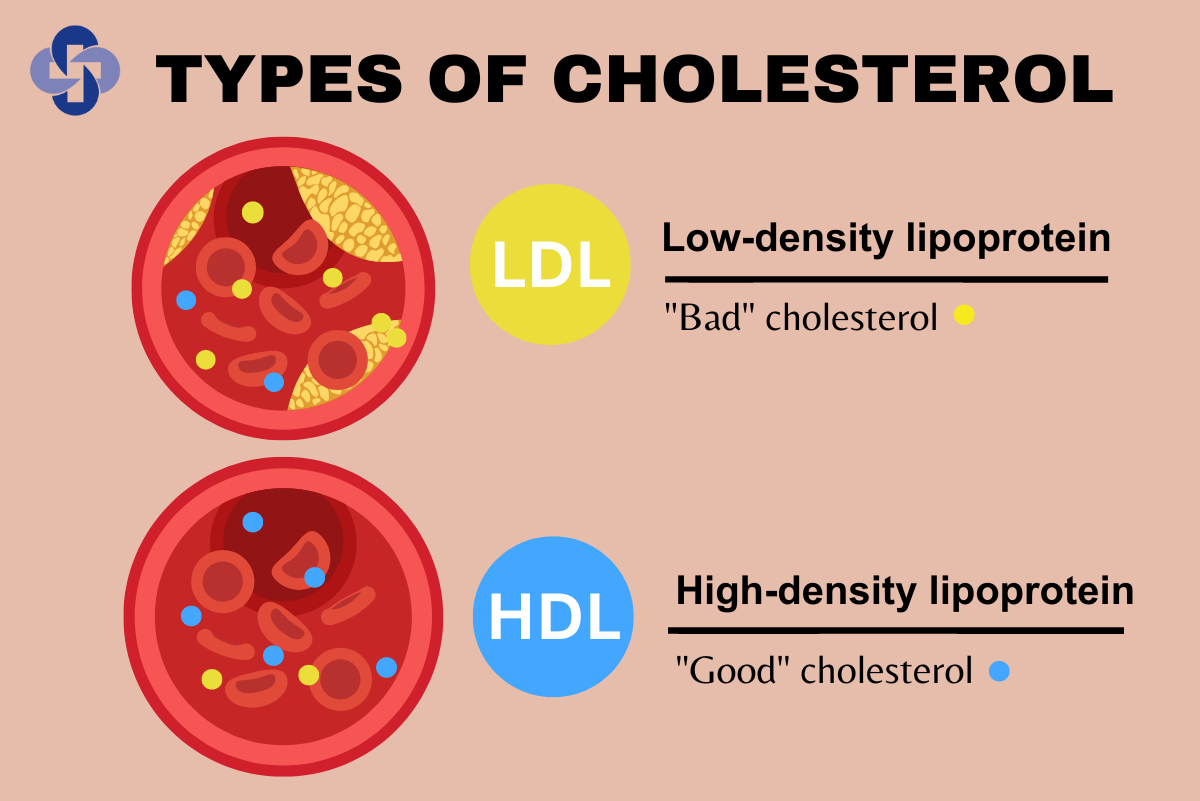
Cholesterol itself isn’t inherently good or bad. It’s a waxy, fat-like substance that your body needs to build healthy cells. The problem arises when there’s an imbalance, and this is where the “good” and “bad” classifications become essential. Think of it like data: raw data is neutral, but how it’s processed and used determines its value. Similarly, cholesterol’s impact depends on how it’s transported and where it ends up.
The “Bad” Cholesterol: Low-Density Lipoprotein (LDL)
Low-Density Lipoprotein, or LDL, is the culprit often associated with negative health outcomes. It’s nicknamed “bad” cholesterol because when levels are too high, LDL particles can accumulate in the walls of your arteries, forming plaque. This buildup, a process known as atherosclerosis, narrows the arteries, restricting blood flow.
Analogy to Tech: Imagine LDL as a poorly optimized piece of software or an unmanaged server. If not properly maintained and controlled, it can lead to system slowdowns, bottlenecks, and eventually, critical failures. In the body, these failures can manifest as heart attacks and strokes. Just as we monitor system performance for glitches, we need to monitor LDL levels to prevent health disruptions.
Analogy to Brand: In branding, an inconsistent or poorly executed message can be detrimental to a company’s reputation. Similarly, high LDL acts like a persistent negative narrative around your cardiovascular health. It doesn’t align with the desired outcome – a healthy, well-functioning circulatory system.
Analogy to Money: High LDL can be seen as a hidden debt or an accumulating financial risk. It’s a liability that, if left unchecked, can lead to significant financial strain and health-related expenses down the line. Proactive management of LDL is akin to smart financial planning, preventing future crises.
The “Good” Cholesterol: High-Density Lipoprotein (HDL)
High-Density Lipoprotein, or HDL, is the unsung hero of cholesterol. It’s called “good” cholesterol because it acts as a scavenger, picking up excess cholesterol from the arteries and transporting it back to the liver. The liver then processes and eliminates this excess cholesterol from the body. Higher HDL levels are generally associated with a lower risk of heart disease.
Analogy to Tech: HDL is like a robust antivirus software or a highly efficient cloud backup system. It actively cleans up potential threats (excess cholesterol) and ensures that critical systems (arteries) remain clear and functional. It’s the maintenance protocol that keeps the digital ecosystem healthy.
Analogy to Brand: A strong brand identity is built on clear, positive messaging and consistent delivery. HDL acts as the “brand ambassador” for your cardiovascular system, actively promoting health and efficiently removing any negative elements that could tarnish its reputation. It reinforces the positive narrative of well-being.
Analogy to Money: HDL can be viewed as your financial buffer or a wise investment that generates positive returns. It actively mitigates risks and protects your assets (your heart and arteries). Just as diversified investments provide security, adequate HDL levels offer a protective layer against cardiovascular disease.
Understanding Your Cholesterol Numbers: A Personal Health Dashboard
Just as a tech professional monitors key performance indicators (KPIs) for software or a marketer tracks engagement metrics for a campaign, understanding your cholesterol numbers requires a similar approach to data analysis. A standard cholesterol test, often called a lipid panel, provides a snapshot of your cholesterol levels.
What a Lipid Panel Reveals
A typical lipid panel will measure:
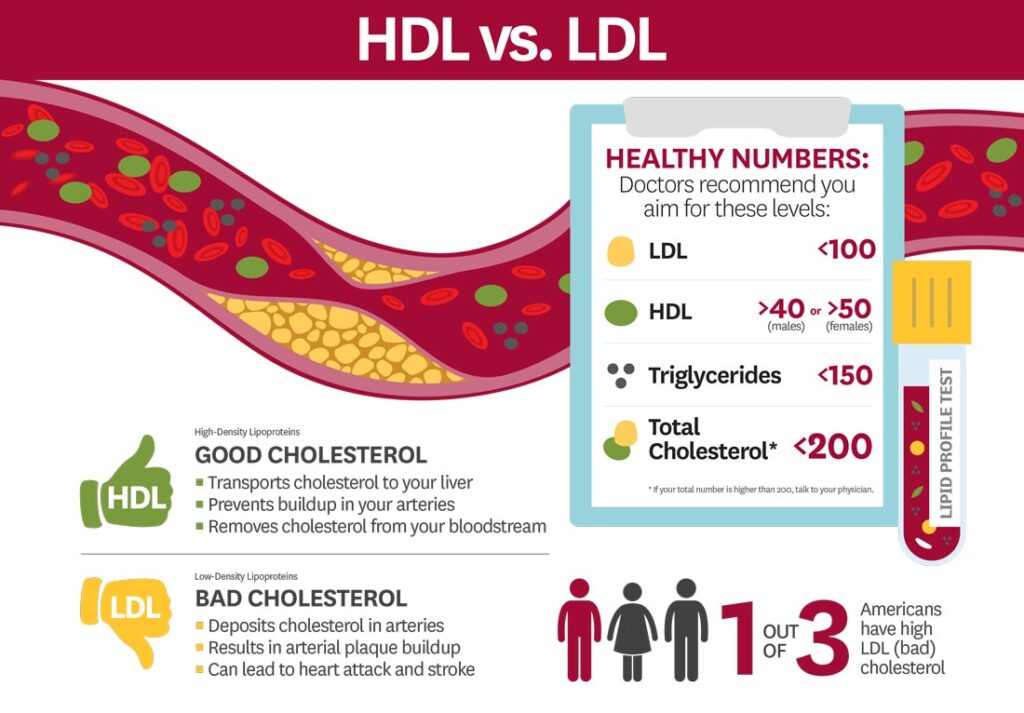
- Total Cholesterol: This is the sum of all cholesterol in your blood, including LDL, HDL, and other lipoproteins. While a useful starting point, it’s the breakdown that provides deeper insights.
- LDL Cholesterol: As discussed, this is the “bad” cholesterol. The goal is to keep LDL levels as low as possible.
- HDL Cholesterol: This is the “good” cholesterol. Higher levels are beneficial.
- Triglycerides: These are another type of fat in your blood. High triglyceride levels can also increase your risk of heart disease, especially when combined with high LDL or low HDL.
Analogy to Tech: Your lipid panel is like your personal health dashboard. It provides critical data points that, when analyzed together, paint a comprehensive picture of your internal system’s health. Just as you’d use analytics tools to understand user behavior, you use this medical data to understand your body’s status.
Analogy to Brand: Consider your lipid panel as a brand audit. It reveals the strengths (HDL) and weaknesses (LDL, triglycerides) of your “health brand.” This allows for targeted strategies to improve your overall health perception and performance.
Analogy to Money: Think of your lipid panel as a financial statement for your body. It outlines your “assets” (HDL) and “liabilities” (LDL, triglycerides). Understanding these numbers is crucial for proactive financial management of your health.
Strategies for Optimizing Your Cholesterol: A Holistic Approach
Managing cholesterol isn’t about a quick fix; it’s about adopting sustainable lifestyle changes, much like implementing a robust digital security strategy or building a strong personal brand requires ongoing effort.
Diet as Your Primary Algorithm
What you eat directly impacts your cholesterol levels. Dietary choices are the fundamental “code” that influences your body’s lipid profile.
- Reducing Saturated and Trans Fats: These are the primary drivers of high LDL. Found in red meat, full-fat dairy products, fried foods, and baked goods, they should be consumed in moderation, if at all.
- Increasing Soluble Fiber: Soluble fiber, found in oats, beans, apples, and citrus fruits, acts like a sponge, binding cholesterol in your digestive tract and preventing its absorption.
- Embracing Healthy Fats: Unsaturated fats, found in olive oil, avocados, nuts, and fatty fish, can help improve cholesterol levels. Omega-3 fatty acids, in particular, are beneficial for heart health.
Analogy to Tech: Think of a healthy diet as optimizing your system’s “resource allocation.” By choosing nutrient-dense foods, you’re providing your body with the right “components” and “energy sources” to function efficiently, minimizing “system errors” (high LDL).
Analogy to Brand: Your diet is a powerful branding tool for your health. Consistently choosing nutritious foods builds a “brand reputation” for your body that is strong, resilient, and vibrant.
Analogy to Money: Making healthy dietary choices is a form of “preventative investing.” You’re investing in your future health, which can lead to significant savings on medical costs and a higher quality of life.
Exercise: The System’s Defragmentation and Optimization Tool
Regular physical activity is another cornerstone of cholesterol management. It plays a dual role in improving your lipid profile.
- Increasing HDL: Exercise is one of the most effective ways to boost your “good” cholesterol.
- Lowering LDL and Triglycerides: Aerobic exercise, in particular, can help reduce “bad” cholesterol and triglycerides.
Analogy to Tech: Exercise is like running a defragmentation tool and optimizing your system’s performance. It clears out clutter (excess cholesterol), streamlines processes (blood flow), and ensures your “hardware” (heart and arteries) is running at peak efficiency.
Analogy to Brand: Consistent exercise builds the “brand equity” of your physical capabilities. It signifies strength, vitality, and resilience, contributing to a positive self-image and overall well-being.
Analogy to Money: Regular exercise is a direct “return on investment” for your health. It reduces the likelihood of costly health interventions and increases your capacity to earn and enjoy life.
Lifestyle Modifications: The Comprehensive Security Protocol
Beyond diet and exercise, several other lifestyle factors can influence cholesterol levels.
- Smoking Cessation: Smoking damages blood vessels and lowers HDL cholesterol. Quitting is one of the most impactful things you can do for your heart health.
- Weight Management: Losing even a modest amount of weight can significantly improve cholesterol levels.
- Stress Management: Chronic stress can negatively affect cholesterol. Finding healthy ways to manage stress, such as mindfulness or meditation, is beneficial.
- Alcohol Consumption: Moderate alcohol consumption may have some benefits for HDL, but excessive drinking can raise triglycerides and lead to other health problems.
Analogy to Tech: These lifestyle factors are akin to implementing a comprehensive digital security protocol. They address vulnerabilities, patch potential weaknesses, and create a secure environment for your internal systems to thrive.
Analogy to Brand: Maintaining healthy lifestyle habits builds a “brand of resilience” for your body. It demonstrates discipline, self-care, and a commitment to long-term well-being.
Analogy to Money: These modifications are about “risk mitigation” and “long-term financial security.” By addressing these lifestyle factors, you’re reducing your exposure to future health-related financial burdens.

The Power of Proactive Health Management: A Smart Investment
Understanding the nuances of good and bad cholesterol is not just about avoiding illness; it’s about investing in your most valuable asset: your health. In a world that champions innovation and financial growth, let’s not forget that a healthy body is the foundation upon which all other successes are built. By embracing informed choices about diet, exercise, and lifestyle, you are actively curating a robust “health brand,” optimizing your “personal operating system,” and making the most intelligent “financial investment” you ever will. Regularly checking your lipid panel, just like monitoring your tech performance or financial statements, empowers you to stay ahead, adapt, and ultimately, thrive.
aViewFromTheCave is a participant in the Amazon Services LLC Associates Program, an affiliate advertising program designed to provide a means for sites to earn advertising fees by advertising and linking to Amazon.com. Amazon, the Amazon logo, AmazonSupply, and the AmazonSupply logo are trademarks of Amazon.com, Inc. or its affiliates. As an Amazon Associate we earn affiliate commissions from qualifying purchases.