
In the hyper-competitive landscape of the global food and beverage industry, “Golden BBQ” has emerged as more than just a culinary choice; it is a masterclass in sensory branding and market positioning. While the casual consumer might view it simply as a tangy, mustard-based alternative to traditional tomato-heavy sauces, brand strategists recognize it as a powerful tool for differentiation. By leveraging visual aesthetics, regional heritage, and psychological triggers, Golden BBQ has carved out a unique niche that allows brands to signal premium quality while maintaining a connection to rustic, authentic roots.
Understanding what Golden BBQ represents requires a deep dive into how flavor profiles are transformed into brand assets. It is the intersection of history, color psychology, and strategic product development, designed to capture a specific segment of the market that craves both novelty and nostalgia.

The Anatomy of a Signature Flavor: Defining the Golden BBQ Brand
At its core, the brand identity of Golden BBQ is built upon its departure from the “Red Ocean” of standard barbecue. For decades, the market was dominated by the Kansas City style—thick, sweet, and deep red. By introducing “Golden” as a primary descriptor, brands immediately signal a different sensory experience.
The Visual Power of “Golden”
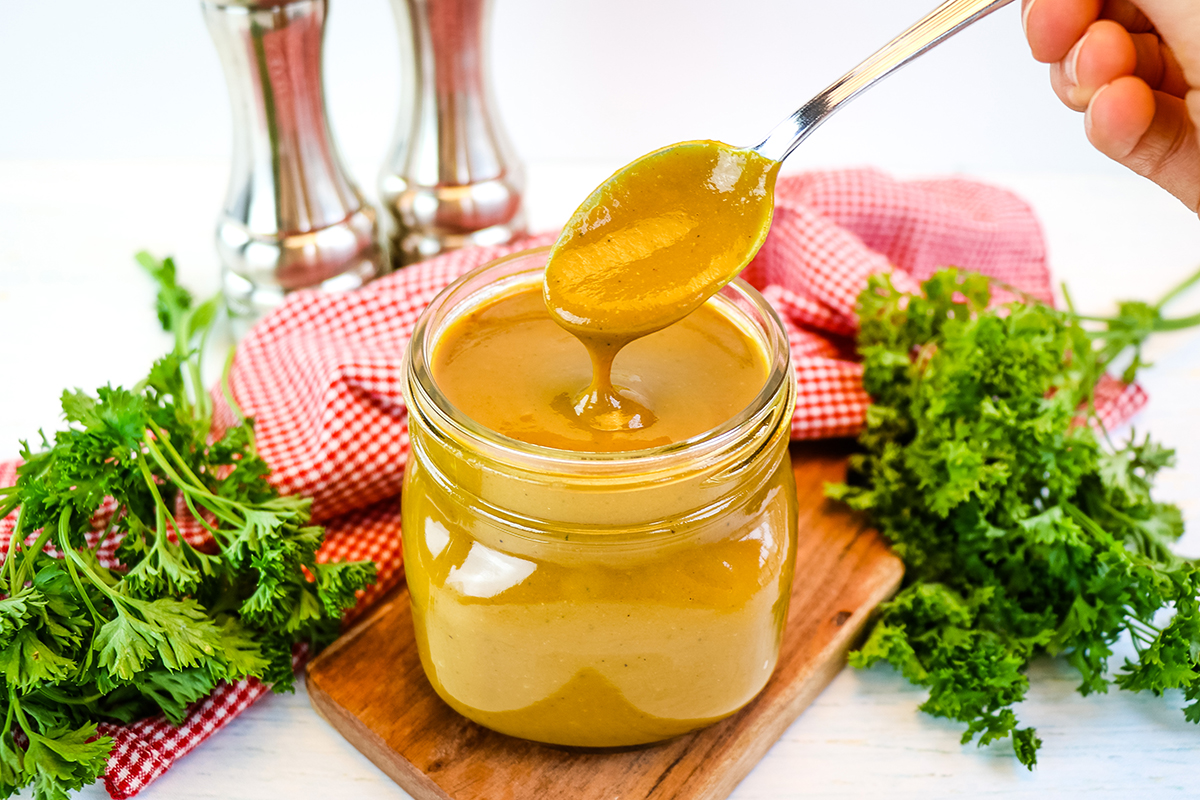
In branding, color is never accidental. The “Golden” in Golden BBQ refers to the vibrant, honey-hued yellow-orange color derived primarily from a mustard base, often sweetened with honey or brown sugar. From a brand strategy perspective, gold is a color associated with premium value, success, and warmth. While red stimulates appetite and urgency, gold evokes a sense of artisanal quality and richness. When a brand labels a product as “Golden,” it elevates the perception of the item from a standard condiment to a curated experience. This visual distinction is crucial on retail shelves and digital menus, where the bright hue provides an immediate contrast to the dark browns and reds of competitors.
Flavor Profiles as Intellectual Property
For major food brands, a signature sauce like Golden BBQ serves as a form of non-traditional intellectual property. The specific balance of tanginess, heat, and sweetness becomes a “brand signal.” When a consumer thinks of Buffalo Wild Wings’ “Honey BBQ” versus their more tang-forward “Golden BBQ” iterations, they are navigating a sophisticated brand architecture. These flavors are meticulously engineered to be “craveable,” creating a neurological loop that associates that specific taste profile with the brand’s identity. The proprietary nature of these recipes allows companies to build brand equity that is difficult for competitors to replicate exactly, even if the general category—mustard-based sauce—is widely available.
Case Studies in Flavor Branding: From Regional Heritage to Global Menus
The success of Golden BBQ as a brand concept lies in its ability to take a localized tradition and scale it for a global audience. This process, often referred to as “culinary translation,” involves stripping away the niche barriers of a regional product while retaining the “authentic” story that gives the brand its soul.
The South Carolina Influence and Brand Authenticity
The origin of Golden BBQ is deeply rooted in the “Mustard Belt” of South Carolina. For a brand, referencing this heritage provides immediate “street cred.” In marketing, authenticity is a high-value currency. By tapping into the German-immigrant history of South Carolina BBQ, brands can tell a story of tradition and craftsmanship. However, the modern “Golden BBQ” brand is a polished version of this history. It takes the sharp, acidic bite of traditional Carolina gold and softens it for a broader palate, balancing it with sweetness to ensure it appeals to a national or international demographic. This is a classic brand strategy: use authentic roots to build trust, but optimize the product for mass-market appeal.
Buffalo Wild Wings and the Power of Naming
Buffalo Wild Wings (BWW) provides a quintessential example of using Golden BBQ to expand a brand portfolio. By positioning “Carolina Gold” or “Golden BBQ” alongside their traditional buffalo sauces, they offer a “safe adventure” for the consumer. The name itself is a strategic choice. Calling it “Yellow Mustard Sauce” would likely fail; it sounds too utilitarian. “Golden BBQ,” however, sounds indulgent. BWW uses this nomenclature to fill a specific gap in their “heat scale,” providing a flavor that is high in complexity but low in intimidation. This helps the brand retain customers who may want to move away from spicy options without sacrificing the “bold” brand promise that BWW is known for.
The Marketing Psychology of “Golden” in the Food Industry
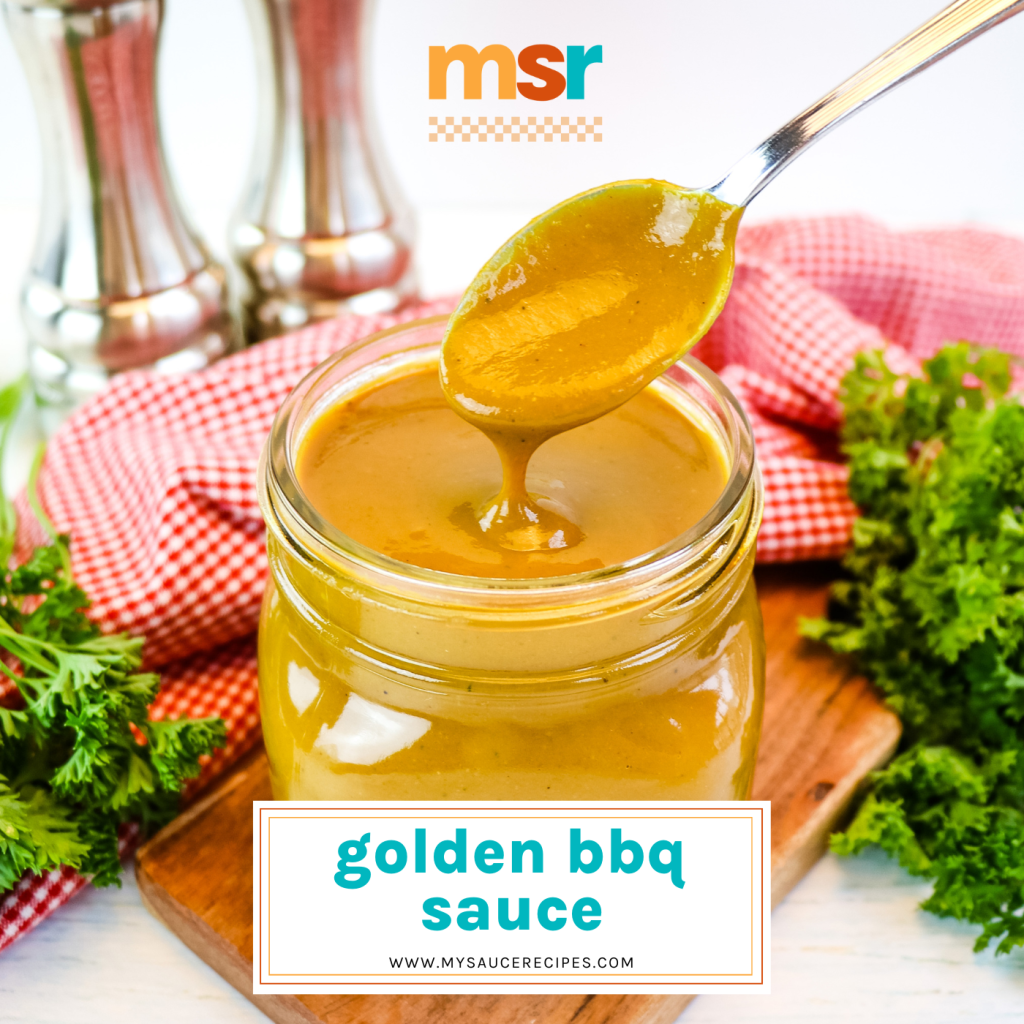
The adoption of Golden BBQ by major players is a calculated move based on consumer psychology and market trends. To understand why this specific brand category is growing, one must look at the shifting expectations of the modern diner.
Premium Positioning through Color Theory
As mentioned, the word “Golden” does heavy lifting in terms of market positioning. In the context of “premiumization”—a trend where consumers are willing to pay more for perceived higher quality—Golden BBQ fits perfectly. It suggests a “gold standard.” Brands often pair Golden BBQ products with terms like “honey-infused,” “artisanal,” or “small-batch” to reinforce this premium image. The objective is to move the product out of the commodity category and into the lifestyle category. When a consumer chooses the “Golden” option, they are often making a psychological choice to treat themselves to something superior to the “standard” red sauce.
Emotional Triggers and Comfort Branding
Yellow and gold tones are also associated with sunshine, happiness, and optimism. In a post-pandemic market, there has been a significant shift toward “comfort branding”—products that evoke a sense of safety and simple pleasure. Golden BBQ, with its honey-sweetened undertones and warm color palette, taps into this desire. It is perceived as less “aggressive” than a smoky, spicy red sauce and more “approachable.” Brands leverage this by featuring Golden BBQ in family-meal promotions and “crave-worthy” social media content that emphasizes texture and glow, further cementing its role as a feel-good brand asset.
Strategies for Developing a Signature Brand Flavor
For businesses looking to enter the “Golden” space, the challenge is not just in the recipe, but in the brand integration. A successful Golden BBQ launch requires a multi-sensory approach that aligns with the overall corporate identity.
Consistency Across Touchpoints
A brand is a promise kept. If a company markets a “Golden BBQ” experience, that “golden” element must be present in every touchpoint. This includes the photography—using high-key lighting to make the sauce glisten—and the packaging, which often uses metallic foils or warm-toned labels to echo the product inside. In a restaurant setting, the “Golden” theme might extend to the menu design or even the lighting of the dining area. This level of consistency ensures that the “Golden BBQ” isn’t just a menu item, but a cohesive part of the brand’s visual and sensory language.
Narrative Storytelling and Origin Myths
Every great brand has an origin story. When launching a Golden BBQ line, successful brands often create a narrative around the “search for the perfect balance” or a “tribute to the smokehouses of the South.” This storytelling adds a layer of depth to the product. It transforms a mixture of mustard, vinegar, and sugar into a “crafted legacy.” By focusing on the why behind the sauce, brands can create an emotional connection with consumers that transcends the physical product. This is particularly effective in the “Side Hustle” and “Online Income” sectors of the food world, where independent creators use narrative branding to compete with established giants.
The Future of Flavor-Based Branding
As we look toward the future, the Golden BBQ category is likely to evolve through technological integration and social currency. The way brands communicate flavor is changing, moving from static advertisements to interactive, digital-first experiences.
Leveraging Digital Trends and Social Currency
In the age of Instagram and TikTok, the “visual appetite” is a primary driver of sales. Golden BBQ is uniquely positioned for this because of its photogenic qualities. The way the sauce coats a wing or a rib—creating a “golden hour” effect on the plate—makes it highly shareable. Brands are increasingly designing products specifically for their “social media currency.” A “Golden BBQ” burger or wrap is more likely to be photographed and shared than a standard brown-sauced equivalent. Strategic brands capitalize on this by creating hashtags and “limited-time offers” (LTOs) that encourage user-generated content, effectively turning their customers into brand ambassadors.
Data-Driven Flavor Customization
Finally, the rise of AI and data analytics in the food industry is allowing brands to fine-tune their Golden BBQ offerings. By analyzing consumer feedback and purchase patterns, brands can determine the exact “sweet spot” for their target demographic. Is a certain zip code leaning more toward a “Spicy Gold” or a “Honey Gold”? This level of precision branding allows for hyper-localized marketing efforts, ensuring that the “Golden BBQ” brand remains relevant and profitable in a rapidly changing marketplace.
In conclusion, Golden BBQ is a sophisticated branding construct. It utilizes the heritage of South Carolina, the psychology of color, and the power of narrative to create a product that stands out in a saturated market. For brands, it represents an opportunity to signal quality, evoke comfort, and build lasting equity through a single, vibrant flavor profile. Whether it is a global franchise or an artisanal startup, the “Golden” strategy remains one of the most effective ways to turn a simple sauce into a legendary brand.
aViewFromTheCave is a participant in the Amazon Services LLC Associates Program, an affiliate advertising program designed to provide a means for sites to earn advertising fees by advertising and linking to Amazon.com. Amazon, the Amazon logo, AmazonSupply, and the AmazonSupply logo are trademarks of Amazon.com, Inc. or its affiliates. As an Amazon Associate we earn affiliate commissions from qualifying purchases.