
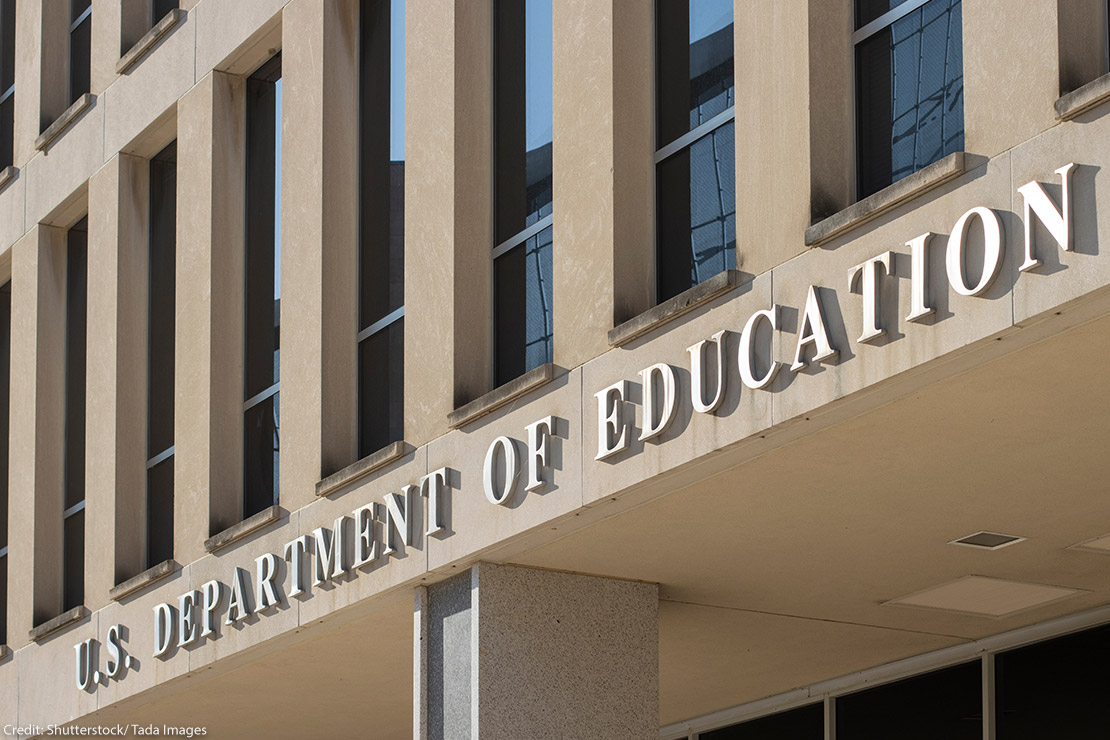
The United States Department of Education (ED) currently stands at a critical financial crossroads, navigating a series of systemic shifts that have profound implications for the national economy, personal finance, and the broader lending market. For investors, students, and taxpayers alike, the department’s recent maneuvers regarding student loan administration, the modernization of federal aid systems, and shifting budgetary priorities represent a massive reorganization of public capital. To understand what is happening within the department today is to understand a complex fiscal landscape where billions of dollars in assets are being re-evaluated and restructured in real-time.
The FAFSA Crisis: A Financial Logjam for Millions
The most immediate financial disruption stemming from the Department of Education involves the rollout of the “Better FAFSA.” Intended to simplify the Free Application for Federal Student Aid, the launch of the new system became one of the most significant administrative bottlenecks in the history of the department. This was not merely a technical glitch; it was a major financial event that stalled the movement of billions of dollars in federal grants and loans.
The Failure of the “Better FAFSA” Launch
The overhaul was mandated by Congress to streamline the process and expand eligibility for the Pell Grant. However, the 2024-2025 cycle saw unprecedented delays. For months, students were unable to submit forms, and colleges were unable to receive data. From a financial perspective, this created a massive liquidity crisis for lower-income students who depend on aid packages to make enrollment decisions. Without clear financial aid letters, millions of families were forced to delay their commitments, leading to a volatile period of uncertainty for higher education institutions that rely on predictable tuition revenue.
Impact on Higher Education Budgeting and Institutional Health
The FAFSA delays did more than just frustrate families; they threatened the solvency of smaller, tuition-dependent private colleges. In the business of higher education, enrollment numbers are the primary driver of credit ratings and operating budgets. When the Department of Education failed to deliver timely aid data, institutions could not project their revenue for the upcoming fiscal year. This led to hiring freezes, the suspension of capital projects, and, in some extreme cases, accelerated the closure of struggling institutions. The fiscal ripple effect of an administrative delay at the federal level highlighted how deeply the Department of Education’s operational efficiency is tied to the financial stability of the private and public education sectors.
Student Loan Forgiveness and the Regulatory Seesaw
Perhaps the most visible financial story involving the Department of Education is the ongoing saga of student loan forgiveness and the implementation of new repayment frameworks. This represents a massive adjustment to the federal balance sheet, as the department manages a portfolio of over $1.6 trillion in outstanding debt.
The SAVE Plan and Legal Hurdles
Following the Supreme Court’s rejection of the initial broad debt cancellation plan, the Department of Education pivoted to the Saving on a Valuable Education (SAVE) plan. This income-driven repayment (IDR) scheme was designed to be the most generous in history, significantly lowering monthly payments and preventing interest from ballooning. From a personal finance perspective, the SAVE plan was a revolutionary tool for wealth preservation among young professionals.
However, the plan has been met with intense legal scrutiny and multiple injunctions from federal courts. These legal battles have created a state of financial limbo. Borrowers who were promised lower payments or eventual forgiveness now find their accounts in forced forbearance. For the individual, this makes long-term financial planning—such as applying for a mortgage or saving for retirement—extremely difficult. The Department of Education is effectively managing a massive, shifting debt portfolio where the rules of repayment change depending on the latest court ruling.
The Realignment of the Federal Loan Portfolio
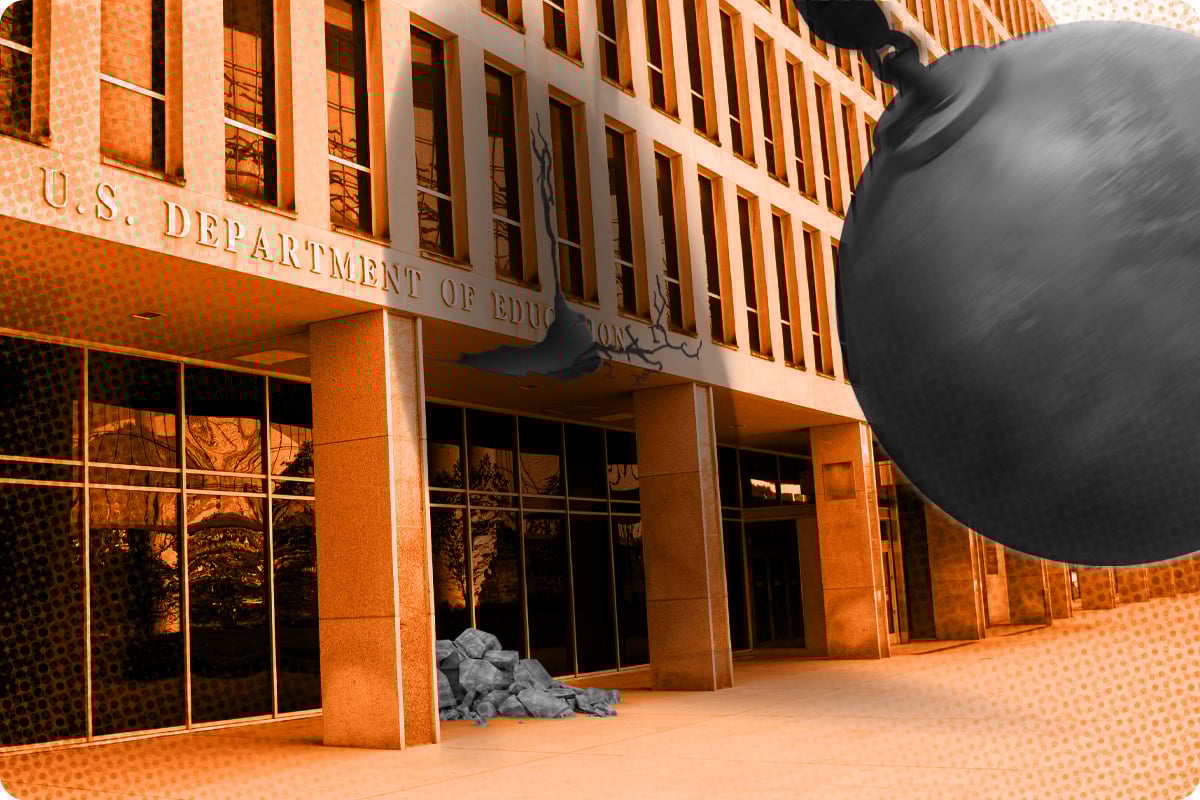
Beyond the headlines of forgiveness, the department is also undergoing a massive “IDR Account Adjustment.” This is a retroactive review of millions of borrower accounts to ensure they received credit toward forgiveness for past payments that may have been mismanaged by loan servicers. This represents a significant transfer of wealth from the federal government back to the private individual. By correcting these records, the department is effectively writing off billions in projected future revenue. This shift has implications for the federal deficit and the long-term valuation of the government’s student loan assets.
Budgetary Allocations and the Debate over School Choice
While higher education dominates the news, the Department of Education’s K-12 fiscal policy is undergoing a quiet but radical transformation. The debate over how federal dollars are distributed between traditional public schools and alternative educational models is at the heart of the current departmental strategy.
Title I Funding and Economic Equity
A core function of the Department of Education is the administration of Title I funds, which provide financial assistance to local educational agencies and schools with high percentages of children from low-income families. Recently, there has been a significant push to rethink how these funds are allocated. Proponents of reform argue that the current funding formulas are outdated and fail to account for the shifting demographics of poverty. Financially, any change to Title I formulas represents a multi-billion dollar reallocation of resources that can determine the quality of the workforce and the local property values in affected districts.
The Fiscal Expansion of Education Savings Accounts (ESAs)
There is an increasing focus on “money following the student” through Education Savings Accounts (ESAs) and voucher programs. While largely managed at the state level, the Department of Education plays a crucial role in providing the regulatory framework and supplemental funding that can encourage or inhibit these programs. From a market perspective, the rise of ESAs is creating a new “education industry” where private providers, tech companies, and charter networks compete for public funds. This privatization of educational spending is a significant trend for investors to watch, as it shifts capital away from centralized government institutions toward a decentralized market of educational services.
The Economic Implications of Departmental Reform
The Department of Education does not operate in a vacuum; its policies serve as a primary lever for national economic competitiveness. The department’s focus—or lack thereof—on specific sectors of education has a direct correlation with the quality of the American labor pool and, by extension, the strength of the U.S. dollar and GDP growth.
Human Capital Investment vs. Immediate Spending
Economists often view the Department of Education’s budget as a long-term investment in human capital. When the department prioritizes STEM education or vocational training through grants and partnerships, it is essentially funding the R&D of the American workforce. Conversely, when the department is bogged down in administrative failures or legal disputes over debt, that investment is sidelined. The current state of flux within the department suggests a transition period where the government is attempting to move from a “lender” model to a “subsidizer” model, focusing more on the upfront affordability of education rather than the back-end management of debt.
The Role of the Department in Global Competitiveness
In a global economy, the financial health of a nation’s education system dictates its ability to innovate. The Department of Education’s recent initiatives to bolster Pell Grants and provide more funding for Community Colleges are designed to broaden the base of the skilled workforce. However, the efficiency of these expenditures is under intense scrutiny. With the national debt at record highs, every dollar allocated to the Department of Education is weighed against its potential return on investment (ROI). The “what is going on” currently is a rigorous, often contentious debate over which educational investments yield the highest economic return for the American taxpayer.

Future Outlook: Navigating the Financial Uncertainty
Looking ahead, the Department of Education is likely to remain a focal point of financial volatility. The resolution of the FAFSA crisis will be a major milestone, but the deeper issues regarding the sustainability of the federal student loan system remain.
The department is currently attempting to modernize a massive financial infrastructure that was designed for a different era. As it moves toward more automated systems and more aggressive debt-relief programs, the fiscal relationship between the citizen and the state is being rewritten. For the individual, this means staying vigilant about changing repayment terms and aid eligibility. For the broader economy, it means monitoring how federal education policy will influence the next generation of workers and the trillion-dollar markets that depend on them.
In conclusion, the “Department of Education” is no longer just an agency overseeing school standards; it is one of the world’s largest financial institutions. Whether it is through the management of $1.6 trillion in debt, the distribution of hundreds of billions in annual aid, or the shaping of K-12 funding models, the department is currently engaged in a massive financial restructuring. The outcome of these efforts will define the American economic landscape for decades to come.
aViewFromTheCave is a participant in the Amazon Services LLC Associates Program, an affiliate advertising program designed to provide a means for sites to earn advertising fees by advertising and linking to Amazon.com. Amazon, the Amazon logo, AmazonSupply, and the AmazonSupply logo are trademarks of Amazon.com, Inc. or its affiliates. As an Amazon Associate we earn affiliate commissions from qualifying purchases.