
Spirit Airlines, a pioneer in the ultra-low-cost carrier (ULCC) model in the United States, has been a subject of intense scrutiny and market speculation over the past few years. From aggressive expansion strategies to a highly publicized, ultimately failed merger attempt, and persistent operational challenges, the airline finds itself at a critical financial crossroads. Today, the conversation around Spirit revolves primarily around its financial resilience, its path to sustained profitability as an independent entity, and its ability to navigate an increasingly complex and competitive aviation landscape. For investors and market observers, understanding the intricate web of financial pressures, strategic shifts, and operational realities is paramount to grasping “what is going on” with Spirit Airlines.

Navigating Turbulent Skies: Spirit’s Financial Headwinds
Spirit Airlines’ business model, while historically successful in attracting price-sensitive travelers, is inherently sensitive to external economic forces and operational stability. The current environment has presented a confluence of factors that are severely testing its financial framework.
The Ultra-Low-Cost Model Under Pressure
Spirit’s core strategy hinges on offering significantly lower base fares by unbundling services, allowing passengers to pay only for what they need. This model relies on high load factors, rapid aircraft utilization, and stringent cost control to achieve profitability. However, recent years have seen this model face unprecedented pressure. Fuel costs, a notoriously volatile and significant expense for any airline, have fluctuated wildly, directly impacting Spirit’s slim margins. Unlike full-service carriers that can often absorb these shocks through higher premium fares or robust corporate contracts, Spirit’s low-fare structure provides less pricing flexibility to offset soaring input costs.
Moreover, a tight labor market has driven up wages for pilots, flight attendants, and ground staff across the industry. For a cost-conscious carrier like Spirit, these rising labor expenses represent a fundamental challenge to its low-cost structure. Higher interest rates also play a role, increasing the cost of financing new aircraft and existing debt, further squeezing the financial envelope. The combination of these macroeconomic pressures has eroded the traditional advantages of the ULCC model, making it harder for Spirit to maintain its aggressive cost leadership while ensuring operational reliability. This translates directly into pressure on earnings per share and overall business valuation.
Operational Strain and Its Financial Fallout
Beyond macroeconomic factors, Spirit has grappled with significant operational challenges that have had a direct and measurable impact on its financial performance. Flight delays and cancellations, often exacerbated by crew shortages, maintenance issues, or air traffic control limitations, are not just an inconvenience for passengers; they are a substantial financial drain. Each disrupted flight incurs costs for rebooking, accommodating stranded passengers, potential compensation payouts, and the intangible but real cost of reputational damage that can impact future bookings.
Staffing shortages, particularly in critical areas like pilots and mechanics, have restricted Spirit’s ability to fully utilize its fleet and maintain its ambitious flight schedules. This leads to reduced revenue per available seat mile (RASM) as valuable assets (aircraft) are underutilized. Furthermore, investment in operational improvements, while necessary for long-term stability and customer satisfaction, represents an immediate capital expenditure that weighs on short-term profitability. These investments range from enhanced crew scheduling software to improved maintenance facilities and new aircraft deliveries, all requiring substantial capital outlay at a time when financial flexibility is paramount. The balancing act between managing immediate costs and investing for future operational resilience is a continuous financial tightrope walk for the airline.
The Aftermath of a Failed Merger: Strategic Reassessment
Perhaps no single event has shaped Spirit Airlines’ recent financial narrative more profoundly than the protracted and ultimately unsuccessful attempt to merge with JetBlue Airways. This saga created immense uncertainty and left Spirit to recalibrate its strategic financial path.
The JetBlue Saga: A Pivotal Financial Miss
The proposed acquisition of Spirit by JetBlue, initially valued at $3.8 billion, was presented as a transformative deal. From a financial perspective, the merger promised significant synergies: a broader network, enhanced scale, and the potential to generate substantial cost savings through combined operations and purchasing power. It was pitched as a defensive move against the increasing dominance of larger legacy carriers and a way to build a more robust competitor. For Spirit, it offered a premium valuation for its shareholders and a pathway out of some of the inherent volatility of the ULCC model.
However, the Department of Justice (DOJ) successfully argued in court that the merger would lead to reduced competition and higher fares, particularly for price-sensitive consumers, thereby violating antitrust laws. The federal judge’s ruling in January 2024 to block the merger delivered a significant blow. Financially, the immediate implications were dire. Spirit received a $69 million breakup fee from JetBlue, a sum that, while welcome, pales in comparison to the potential value of the merger and the costs incurred during the lengthy legal battle. More significantly, it left Spirit without a clear strategic partner, forcing it to face its financial challenges as an independent entity, a prospect that has rattled investors. The market capitalization of Spirit plummeted in the wake of the decision, reflecting the lost opportunity for scale and the renewed uncertainty regarding its standalone financial viability.
Independent Path Forward: Capital Structure and Liquidity
With the merger off the table, Spirit has been compelled to intensely scrutinize its capital structure and liquidity position. As an independent carrier, it faces the ongoing costs of debt service, aircraft leases, and operational expenses without the expected financial backing and synergies that JetBlue would have brought. The airline’s debt levels are a significant concern, especially in a high-interest rate environment. Servicing this debt while investing in operations and fleet modernization requires substantial cash flow.
Spirit’s access to capital, whether through new debt issuance or equity offerings, is also a critical factor. Investor sentiment post-merger rejection has been notably bearish, making it more challenging and potentially more expensive for Spirit to raise capital. The company must demonstrate a clear and credible plan to generate sustained free cash flow and improve its balance sheet health to regain investor confidence. The stock performance has reflected this sentiment, with shares trading significantly lower than pre-merger speculation levels, highlighting the market’s skepticism about Spirit’s standalone financial outlook. The immediate challenge is ensuring sufficient liquidity to weather current losses and invest in future growth without further diluting shareholder value excessively.
Competitive Landscape and Market Share Battles
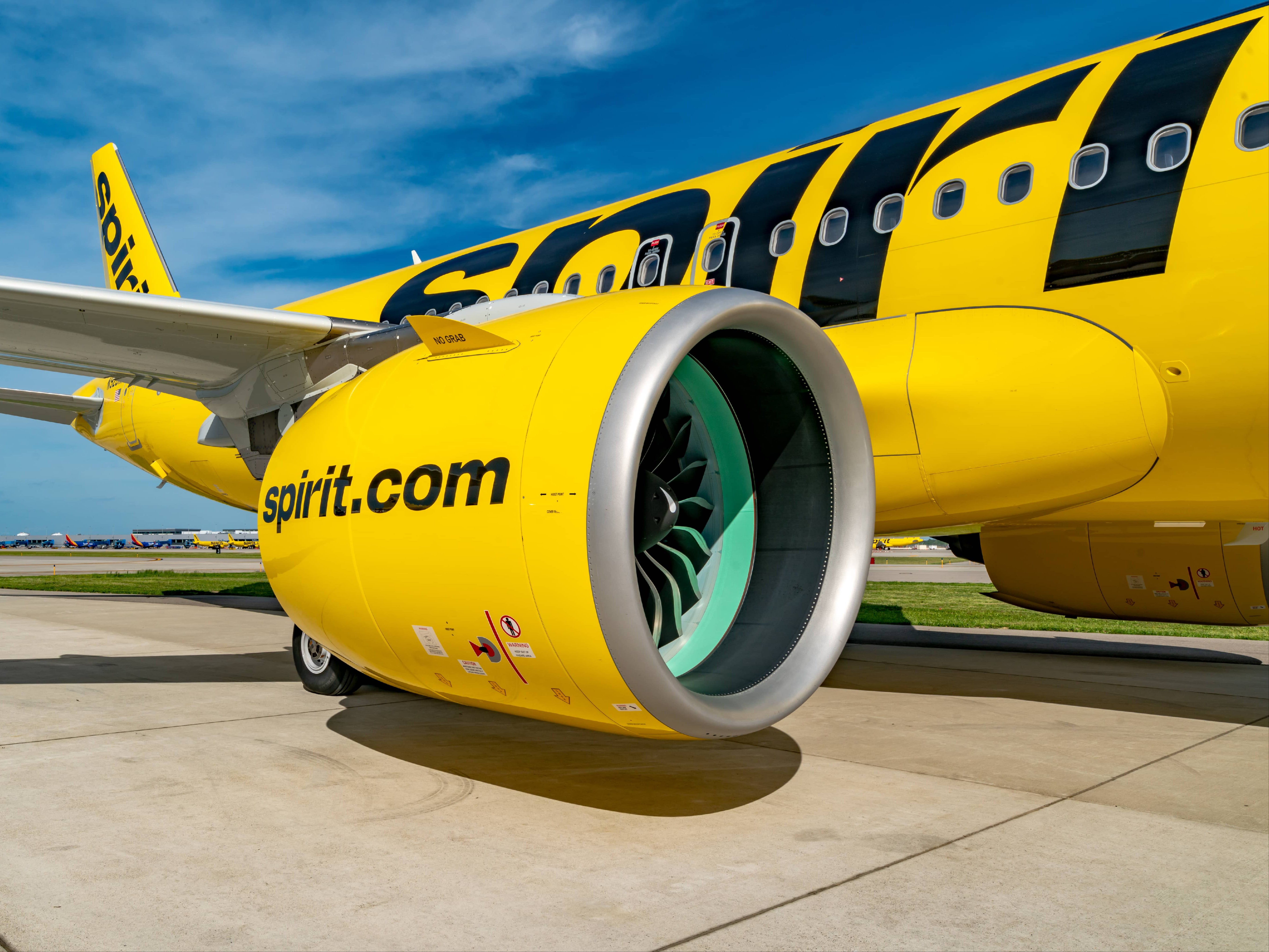
The aviation industry is fiercely competitive, and Spirit’s financial performance is intrinsically linked to its ability to compete effectively against both fellow ULCCs and larger network carriers.
Intense Price Wars and Yield Management
Spirit operates in a segment where price is king. This makes it highly susceptible to intense price wars, especially from other ULCCs like Frontier and Allegiant, but also from legacy carriers that have introduced their own “basic economy” fares to compete for the budget traveler. These price skirmishes erode Spirit’s yields—the average revenue per passenger per mile—making it difficult to achieve its target profitability metrics.
Effective yield management, the practice of dynamically adjusting prices to maximize revenue based on demand, is crucial. However, in a saturated market with multiple players undercutting each other, achieving optimal yields becomes an uphill battle. Spirit’s ability to maintain pricing power and protect its revenue per available seat mile (RASM) is continuously challenged by competitors willing to sacrifice short-term profitability for market share, creating a race to the bottom that disproportionately impacts carriers like Spirit with tighter margins. This necessitates a delicate financial strategy of balancing competitive pricing with the need to cover costs and generate profit.
Network Optimization and Route Profitability
Spirit’s network strategy has historically focused on leisure markets, particularly those with high demand for visiting friends and relatives (VFR) traffic. This strategy aims to avoid direct competition with larger carriers on lucrative business routes. However, even within these leisure-focused markets, competition is escalating. Other airlines are expanding into similar routes, saturating markets and intensifying price pressure.
For Spirit, continuous network optimization is a financial imperative. This involves a rigorous analysis of route profitability, assessing which routes are generating sufficient revenue to cover operational costs and contribute to overall profit. It may necessitate cutting underperforming routes, strategically adding new ones, or adjusting frequencies to match demand fluctuations. The financial challenge lies in ensuring that each new aircraft and each added route genuinely enhances the airline’s overall profitability rather than simply increasing capacity at diminishing returns. The capital allocated to route development and aircraft deployment must demonstrate a clear return on investment.
Looking Ahead: Financial Outlook and Sustainability
Spirit Airlines stands at a pivotal juncture. Its future financial sustainability hinges on a combination of rigorous cost control, strategic revenue enhancement, and ultimately, a restoration of investor confidence.
Cost Control and Efficiency Initiatives
With the emphasis squarely on standalone financial performance, Spirit must redouble its efforts on cost control. This includes a relentless focus on reducing non-fuel operating expenses through various efficiency initiatives. Investment in a modern fleet, particularly the Airbus A320neo family, is a key part of this strategy. These newer aircraft offer significant fuel efficiency improvements, directly reducing Spirit’s largest variable cost. However, fleet modernization itself requires substantial capital expenditure, creating a short-term financial burden for long-term savings. The airline must demonstrate its ability to manage these large investments judiciously and realize the expected cost benefits quickly.
Furthermore, leveraging technology for more efficient crew scheduling, maintenance planning, and ground operations can yield substantial cost savings. Every dollar saved on operational inefficiencies directly contributes to the bottom line, which is critical in an environment of constrained revenue growth. For Spirit, returning to its roots as an exceptionally lean operator is not just an operational goal but a financial mandate.
Revenue Enhancement Strategies
Beyond cost cutting, Spirit must explore robust strategies to enhance its revenue streams. While its ULCC model is centered on low base fares, ancillary revenues—charges for baggage, seat selection, onboard snacks, etc.—are a cornerstone of its profitability. The airline needs to continually optimize these ancillary offerings, ensuring they remain attractive to customers while maximizing revenue generation. This could involve exploring new product bundles, personalizing offers, or refining its loyalty program to incentivize repeat purchases and foster greater customer lifetime value (CLTV).
Expanding into new, profitable markets where demand is strong and competition is manageable, or increasing frequencies on high-performing routes, could also boost revenue. However, this must be done cautiously, balancing growth ambition with financial prudence to avoid overcapacity and diluted yields. Diversifying its revenue base, even within the ULCC framework, could provide greater stability.
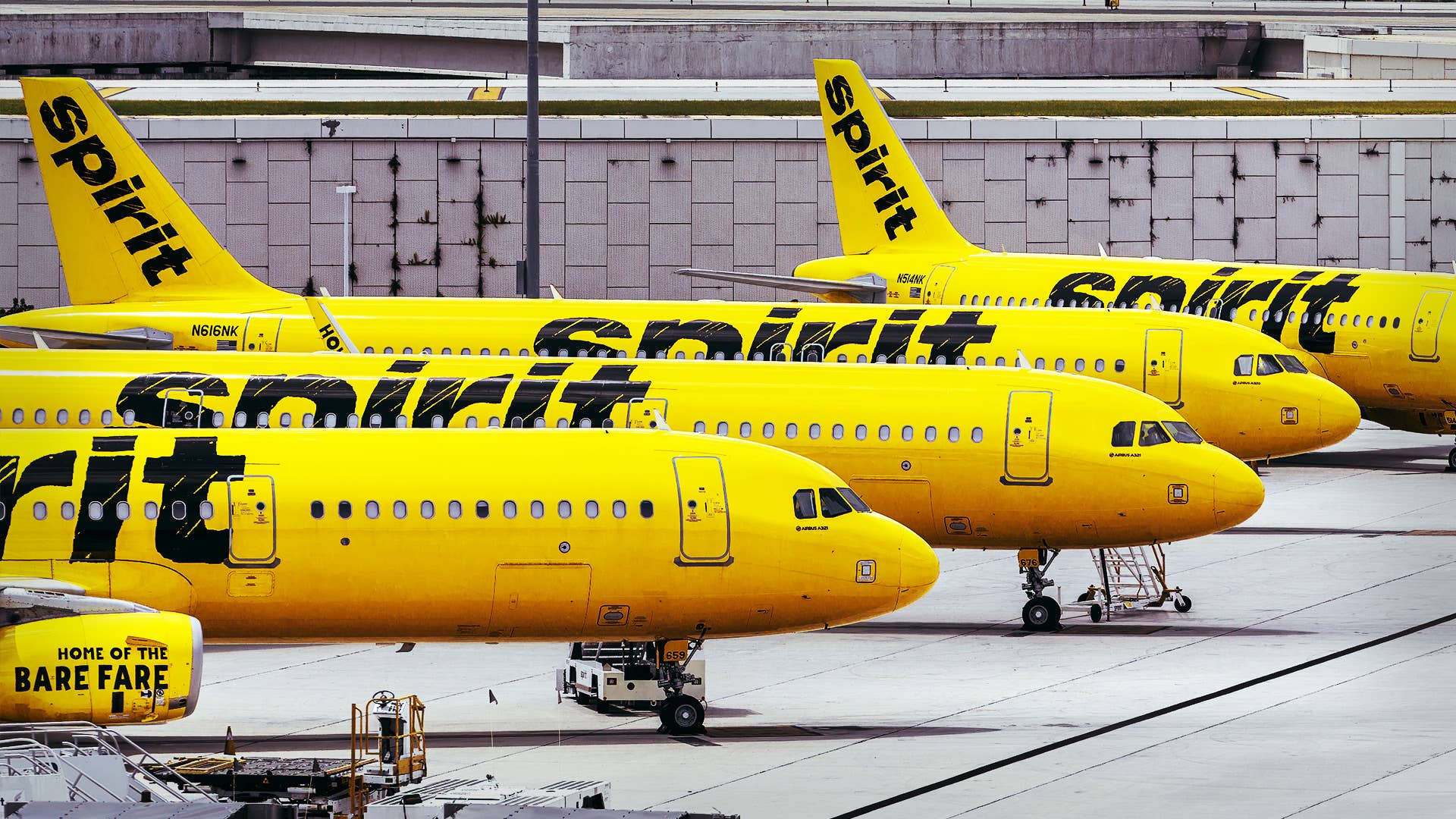
Investor Confidence and Future Valuations
Ultimately, Spirit’s long-term financial health is tied to investor confidence. Following the failed merger and sustained losses, restoring this confidence is paramount. Investors will be looking for clear evidence of a turnaround: consistent profitability, positive free cash flow generation, a strengthening balance sheet, and a credible strategy for managing its debt. The market will demand transparency and concrete results.
While the immediate focus is on independent stability, the possibility of future strategic partnerships or even another merger target down the line cannot be entirely dismissed, although market conditions and regulatory scrutiny would be significantly different. Any such move would need to be financially compelling and offer a clear path to value creation for shareholders. For now, Spirit’s valuation will be directly tied to its ability to demonstrate a sustainable, profitable future as a standalone entity, effectively navigating the intense competitive pressures and economic headwinds that define the current airline industry.
In conclusion, “what is going on with Spirit Airlines today” is a story fundamentally rooted in financial challenges and strategic recalibration. The airline is battling rising costs, operational disruptions, intense competition, and the significant blow of a failed merger. Its future depends on its ability to execute a disciplined financial strategy, relentlessly pursue cost efficiencies, intelligently grow its revenue streams, and ultimately, prove to investors that its ultra-low-cost model can deliver sustained profitability in an ever-evolving market. Spirit’s trajectory in the coming years will serve as a compelling case study in business finance within the challenging aviation sector.
aViewFromTheCave is a participant in the Amazon Services LLC Associates Program, an affiliate advertising program designed to provide a means for sites to earn advertising fees by advertising and linking to Amazon.com. Amazon, the Amazon logo, AmazonSupply, and the AmazonSupply logo are trademarks of Amazon.com, Inc. or its affiliates. As an Amazon Associate we earn affiliate commissions from qualifying purchases.