
The geopolitical landscape of South Asia is dominated by the complex and often volatile relationship between Pakistan and India. While headlines frequently focus on border tensions, diplomatic maneuvers, and historical grievances, a deeper, more quantifiable narrative exists beneath the surface: the narrative of economic stagnation, missed financial opportunities, and the staggering opportunity cost of perpetual friction. For investors, business leaders, and financial analysts, the “what is going on” between these two nuclear-armed neighbors is a study in how political risk can dictate the economic destiny of nearly two billion people.
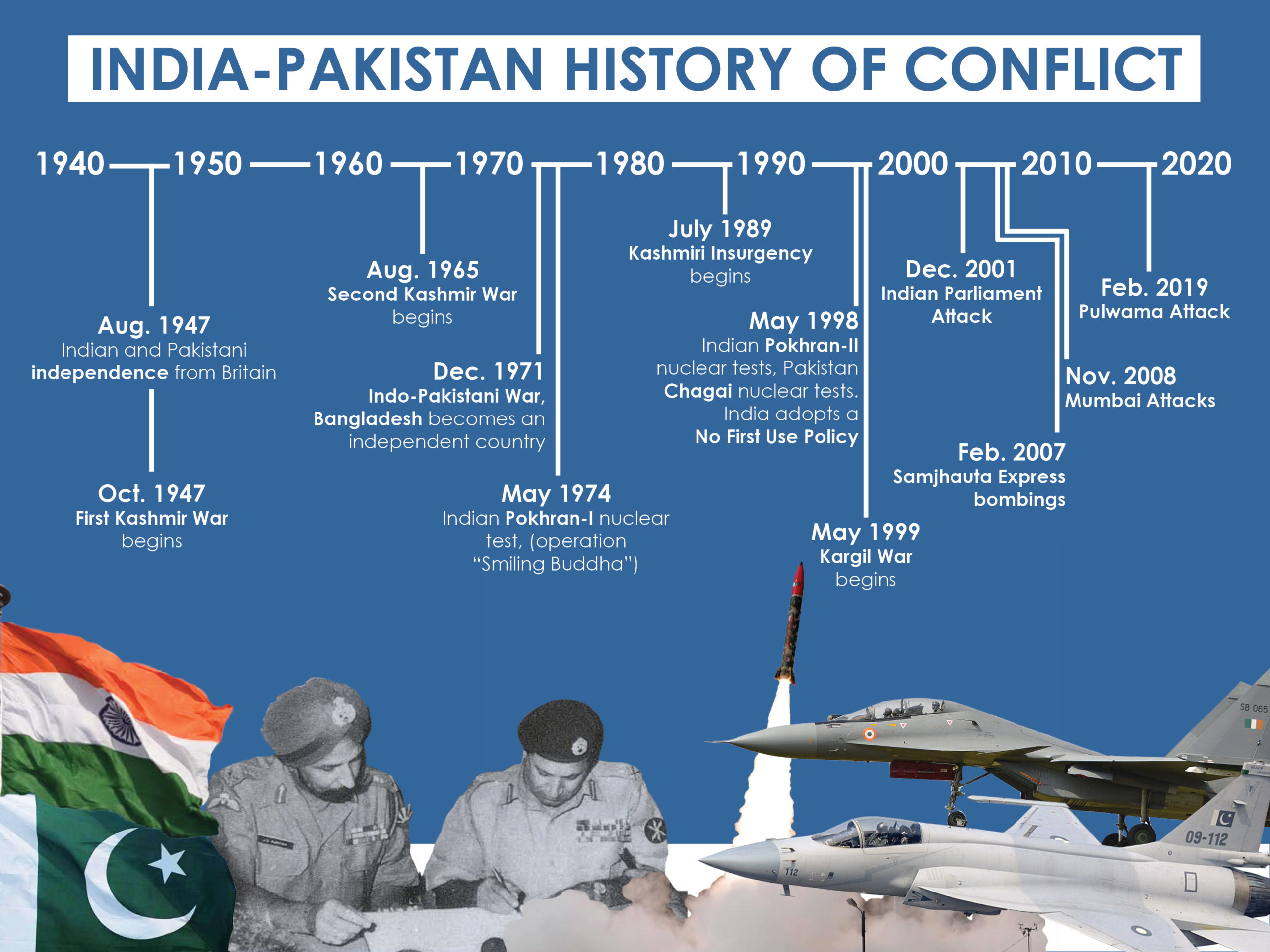
Understanding the current state of affairs requires moving beyond the rhetoric and examining the balance sheets. The relationship between Islamabad and New Delhi is currently defined by a “cold peace” that has effectively frozen official trade, disrupted regional supply chains, and forced both nations to seek more expensive economic alternatives.
The Trade Paradox: From Interdependence to Economic Isolation
To understand the present financial chill, one must look at the pivotal shifts that occurred over the last decade. Historically, trade between Pakistan and India was a lifeline for many local industries, particularly in agriculture, textiles, and chemicals. However, the suspension of bilateral trade in 2019 following constitutional changes in Jammu and Kashmir marked a definitive turning point.
The Suspension of Formal Trade Channels
Currently, official direct trade between the two nations is almost non-existent. For the business community, this has created a logistical nightmare. Goods that once traveled a few dozen miles across the Wagah-Attari border must now take circuitous routes through third-party hubs like Dubai or Singapore. This “circular trade” adds significant costs to logistics, insurance, and duties, ultimately burdening the end consumer in both nations.
The Rise of Informal Trade and Third-Country Intermediaries
Despite the official ban, the demand for each other’s products has not vanished. Economic data suggests that billions of dollars in trade still occur annually through indirect channels. Pakistan continues to require Indian raw materials for its pharmaceutical industry and specialized machinery for its textile mills. Conversely, Indian markets have a historical appetite for Pakistani dry fruits, cement, and salt. By forcing these transactions through intermediaries, both governments lose out on precious tax revenue, while the private sector pays a “tension premium” that erodes profit margins.
The Opportunity Cost: Defense Spending and the Burden on National Exchequers
Perhaps the most significant financial impact of the ongoing standoff is the disproportionate allocation of national budgets toward defense. In the world of macroeconomics, this is known as the “guns vs. butter” model, and in South Asia, the tilt toward “guns” has reached unsustainable levels for developing economies.
The Defense Budget Drain
India and Pakistan consistently rank among the world’s highest spenders on military hardware relative to their GDP. For India, maintaining a massive military presence serves a dual purpose—countering Pakistan and balancing China—but the financial strain is evident in the slowing pace of infrastructure and social welfare investments. For Pakistan, the situation is even more acute. Grappling with high inflation, a devaluing currency, and a recurring balance-of-payments crisis, the necessity of maintaining a credible defense posture against a much larger neighbor consumes a significant portion of its federal budget.
Impact on Social Capital and Infrastructure
Every billion dollars spent on defense is a billion dollars not spent on modernizing power grids, improving digital literacy, or building high-speed rail networks. Financial analysts point out that if the two nations could achieve even a modest “peace dividend”—a reduction in military spending through de-escalation—the surplus capital could revolutionize the region’s credit ratings and attract massive inflows of Foreign Direct Investment (FDI). Currently, however, the “risk premium” associated with the region keeps many institutional investors at a distance.
The Billions Left on the Table: Analyzing Untapped Trade Potential
Various international financial institutions, including the World Bank, have attempted to quantify what a normalized trade relationship would look like. The findings are staggering. Estimates suggest that bilateral trade between Pakistan and India could easily reach $37 billion annually if barriers were removed and Most Favored Nation (MFN) status were reinstated.
The Energy Corridor Potential
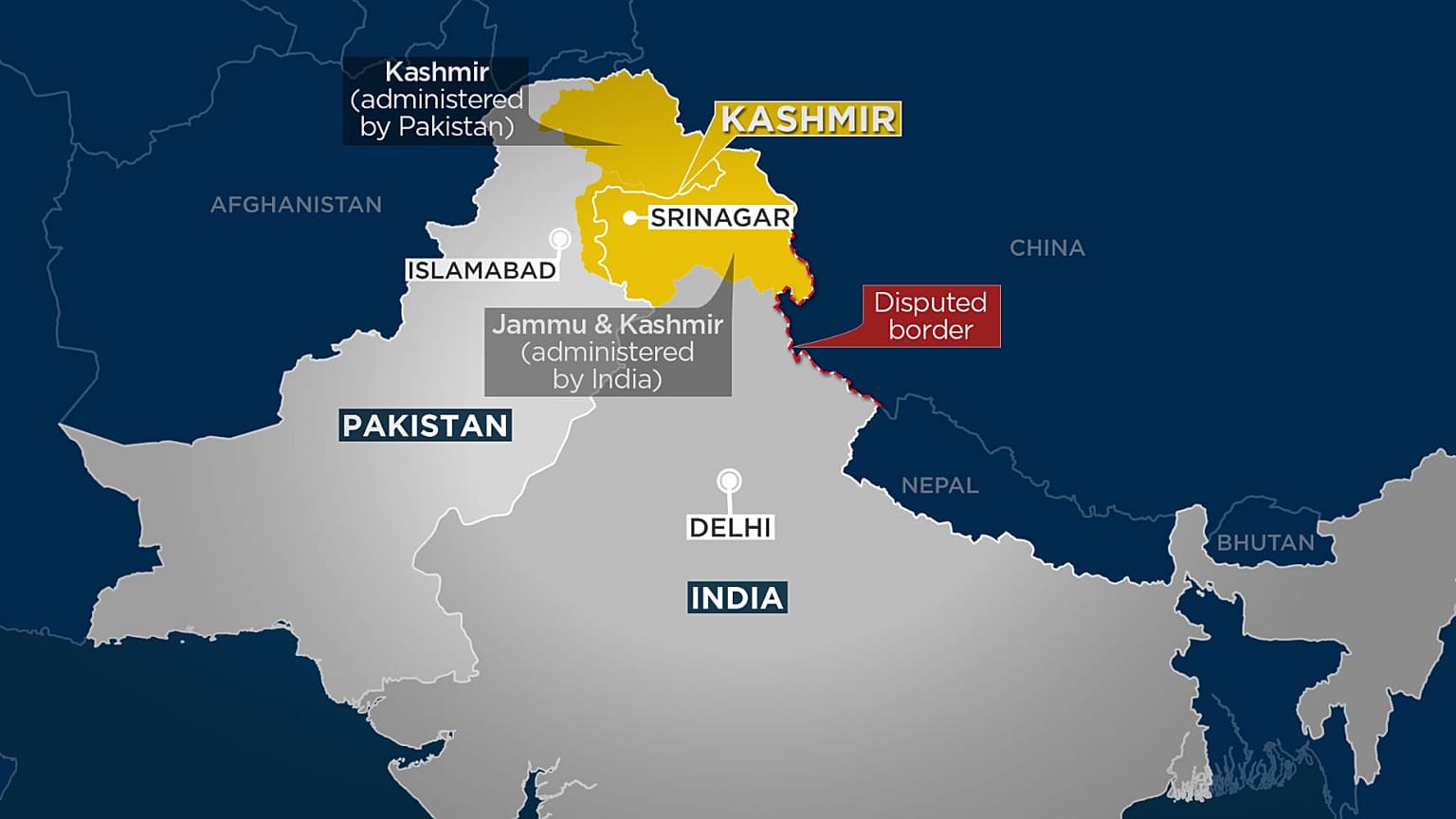
One of the most significant missed opportunities is in the energy sector. Pakistan sits at a strategic crossroads, potentially serving as a transit hub for energy pipelines from Central Asia and Iran to the energy-hungry markets of India. The TAPI (Turkmenistan-Afghanistan-Pakistan-India) pipeline is a prime example of a project that could provide Pakistan with lucrative transit fees and India with a stable supply of natural gas. However, the lack of political trust has kept this multi-billion-dollar project in a state of perpetual limbo.
Agriculture and Food Security
In an era of global climate volatility, cooperation in agriculture could stabilize food prices across the subcontinent. India’s advancements in agricultural technology and Pakistan’s vast irrigation networks offer complementary strengths. During times of shortage—such as the recent onion and tomato crises in both countries—open borders would allow for immediate market stabilization, preventing the hyper-inflation that currently plagues the region’s lower-income households.
Navigating the Financial Markets: Impact on Investor Sentiment and FDI
For the global investor, the friction between Pakistan and India is a primary component of “country risk.” This risk manifests in volatile stock markets, fluctuating currency values, and high borrowing costs on the international stage.
Stock Market Volatility
The Karachi Stock Exchange (PSX) and the Bombay Stock Exchange (BSE) often react sharply to geopolitical developments. While India’s larger, more diversified economy is better insulated, any sign of escalation sends ripples through the sensex, causing foreign institutional investors to pull back. In Pakistan, the market is even more sensitive, where geopolitical stability is often a prerequisite for any sustained bullish trend.
The Role of International Financial Watchdogs
The financial relationship is also mediated by international bodies. Pakistan’s efforts to navigate the requirements of the Financial Action Task Force (FATF) and the International Monetary Fund (IMF) are often viewed through the lens of its relationship with India. Diplomatic lobbying in these forums can affect a country’s ability to access international credit markets, making the “what is going on” between the two a matter of literal life and death for national liquidity.
The Digital and Tech Divide: A New Frontier of Competition
As the global economy shifts toward digitalization, the rivalry has entered the realm of technology and startups. This is one area where the two nations are following divergent paths, yet both face challenges rooted in their mutual suspicion.
The Rise of India as a Global Tech Hub
India has successfully branded itself as the “world’s back office,” with a burgeoning tech sector that contributes significantly to its GDP. However, the lack of regional integration limits Indian tech firms from accessing a large, young, and increasingly digital-savvy Pakistani market. For Indian unicorns looking for the next 200 million users, the border remains a formidable digital wall.
Pakistan’s Emerging Startup Ecosystem
Pakistan’s tech scene has seen a surge in venture capital over recent years, though it still faces hurdles regarding payment gateways and international platform integration. The absence of cooperation means that South Asia lacks a unified digital market similar to the European Union or ASEAN. A unified tech ecosystem could facilitate cross-border fintech solutions, e-commerce, and collaborative software development, creating a regional powerhouse capable of competing with Silicon Valley or Shenzhen.
Future Horizons: Can Geo-Economics Overcome Geopolitical Deadlocks?
The current state of affairs is a stalemate where both parties are paying a high price for the status quo. However, a new school of thought is emerging among the financial elite in both nations: the shift from “geopolitics” to “geo-economics.”
The Case for Economic Integration
The argument for geo-economics suggests that economic interests should drive foreign policy rather than the other way around. If the two nations were to create deep-seated commercial ties, the cost of conflict would become prohibitively high for both. This “commercial peace” theory suggests that when businesses, shareholders, and workers on both sides are financially interconnected, there is a natural lobby for stability.

The Role of Regional Blocs
For this shift to occur, regional organizations like SAARC (South Asian Association for Regional Cooperation) must be revitalized, or new frameworks must be established. Currently, South Asia is one of the least integrated regions in the world in terms of intra-regional trade. Changing this dynamic would require a fundamental restructuring of how both nations view their borders—not just as lines of defense, but as gateways for commerce.
In conclusion, what is currently “going on” between Pakistan and India is an economic tragedy of missed potential. While political narratives continue to emphasize difference and defiance, the financial reality remains clear: the cost of the conflict is being paid by the entrepreneurs, the investors, and the millions of citizens who are denied the benefits of a competitive, integrated regional market. Until the ledger of economic gain outweighs the rhetoric of historical grievance, the financial landscape of South Asia will remain a high-risk, high-cost environment, defined more by what could have been than by what is. For the savvy financial observer, the true story isn’t just the tension on the border, but the billions of dollars in lost growth that such tension represents.
aViewFromTheCave is a participant in the Amazon Services LLC Associates Program, an affiliate advertising program designed to provide a means for sites to earn advertising fees by advertising and linking to Amazon.com. Amazon, the Amazon logo, AmazonSupply, and the AmazonSupply logo are trademarks of Amazon.com, Inc. or its affiliates. As an Amazon Associate we earn affiliate commissions from qualifying purchases.