
In the dynamic world of branding, where every company strives for a unique voice and a memorable identity, the concept of “goddesses” might seem an unlikely source of strategic insight. Yet, when viewed through an archetypal lens, goddesses offer a rich tapestry of powerful, deeply resonant human characteristics that can profoundly shape and invigorate brand strategy, personal branding, and corporate identity. Rather than literal deities, “goddesses” in this context represent universal patterns of behavior, motivation, and personality – archetypes that have existed across cultures for millennia and continue to influence human perception and connection. Understanding these primal forces allows brands to tap into enduring narratives, forging deeper, more authentic bonds with their audiences.
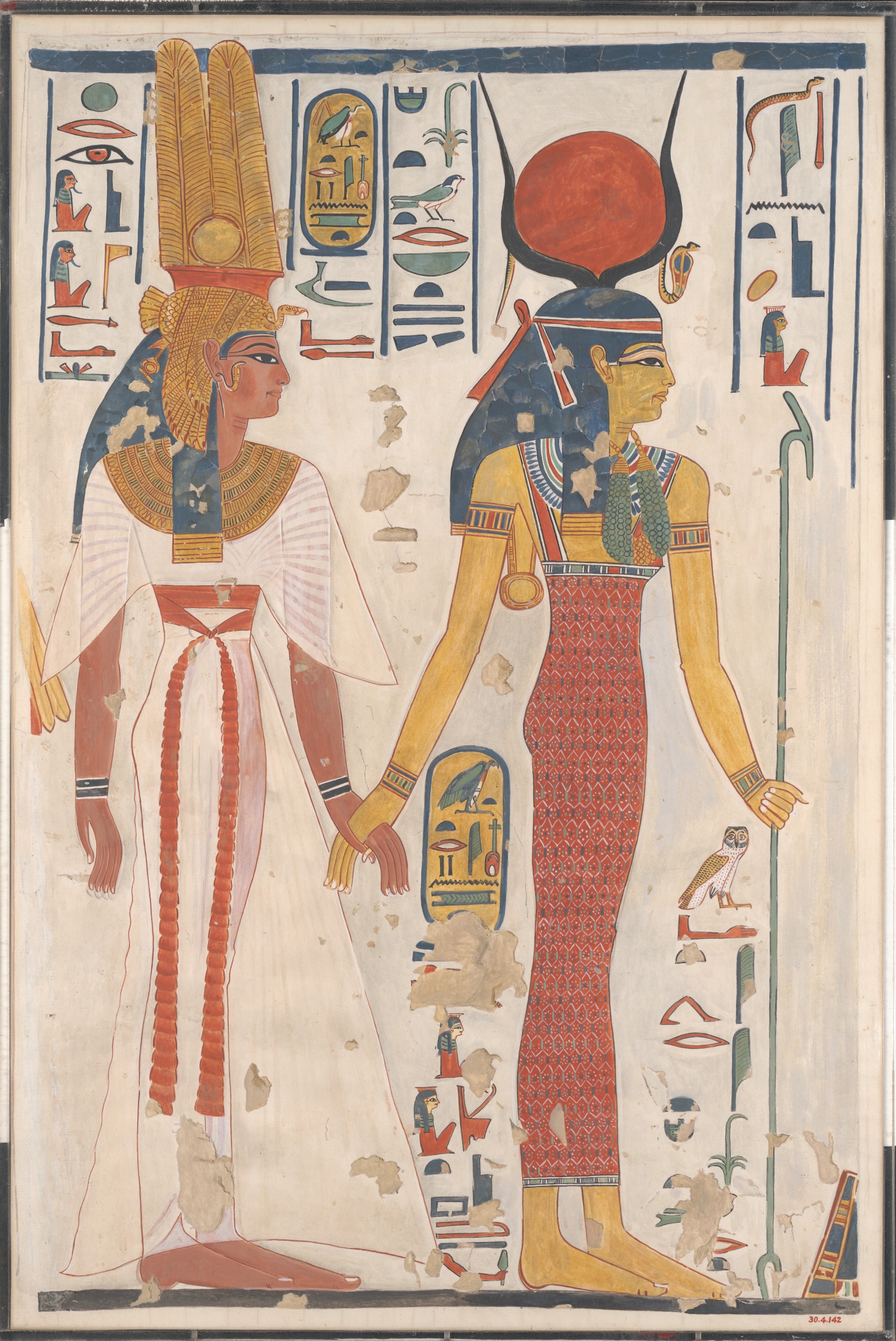
Archetypes as the Foundation of Brand Identity
The human psyche is inherently drawn to stories and symbols. Archetypes, a concept popularized by psychologist Carl Jung, are unconscious, universal patterns or images that are part of the collective unconscious. They are the fundamental building blocks of human understanding, representing common human experiences, roles, and motivations. When a brand successfully embodies an archetype, it communicates its essence without explicitly stating it, resonating with consumers on an intuitive, emotional level.
The Enduring Power of Universal Narratives
From ancient myths to modern advertising campaigns, the most compelling narratives often draw upon archetypal characters and plots. These universal stories provide a framework through which complex ideas can be understood quickly and remembered vividly. For a brand, aligning with an archetype means tapping into a pre-existing cognitive shortcut in the consumer’s mind. It’s about speaking in a language that transcends cultural barriers and speaks to fundamental human desires and aspirations. When a brand embodies the “Hero” archetype, for instance, it’s instantly understood as courageous and transformative. Similarly, by embracing “goddess” archetypes, brands can convey a specific set of powerful feminine attributes—be it wisdom, beauty, nurturing, or independence—that resonate deeply with their target demographic and beyond.
From Myth to Market: Defining Archetypal Goddesses
To leverage these archetypes in branding, we must abstract them from their mythological origins and reframe them as distinct sets of brand attributes. Each goddess, stripped of her divine context, becomes a potent symbol for a cluster of values, personality traits, and strategic approaches. For example, a brand aiming to convey nurturing care might draw upon the Demeter archetype, while a brand focused on innovative strategic thinking might look to Athena. This isn’t about promoting specific religious figures, but rather about utilizing established cultural shorthand to build a robust and relatable brand persona.
Leveraging Goddess Archetypes in Brand Strategy
Integrating goddess archetypes into brand strategy is a sophisticated approach to developing a powerful brand identity. It moves beyond superficial aesthetics to build a brand from its core values outwards, ensuring consistency and authenticity across all touchpoints.
Crafting Compelling Brand Personas
A well-defined brand persona is crucial for market differentiation and customer engagement. Goddess archetypes provide a ready-made framework for developing personas that are rich, multifaceted, and deeply evocative. Is your brand wise and strategic, like Athena? Or perhaps rebellious and free-spirited, like Artemis? By selecting an archetype that genuinely reflects the brand’s mission, values, and offerings, companies can create a persona that feels authentic and compelling. This persona then guides everything from advertising copy and visual design to customer service interactions and product development. It ensures that every aspect of the brand communicates a consistent and meaningful message.
Connecting with Target Audiences on a Deeper Level
Consumers often seek brands that reflect their own values, aspirations, or even their ideal selves. When a brand embodies a goddess archetype, it speaks to an audience that consciously or unconsciously identifies with those same archetypal qualities. For example, a brand that channels the Aphrodite archetype might appeal to those who value beauty, love, connection, and self-expression. A brand embodying Hera might attract consumers looking for leadership, commitment, and a sense of legacy. This deep psychological resonance fosters a stronger emotional connection than mere product features ever could, leading to increased loyalty and advocacy. It allows brands to move beyond transactional relationships to forge meaningful, lasting bonds.
Differentiating in a Crowded Marketplace
In today’s saturated market, simply offering a good product or service is often not enough. Differentiation comes from how a brand makes people feel and what it stands for. Goddess archetypes provide a distinct and memorable way to stand out. Instead of generic terms like “innovative” or “customer-centric,” a brand can position itself with the precision and wisdom of Athena, or the nurturing support of Demeter. This allows for a much richer narrative and a more unique brand voice that is harder for competitors to replicate. It transforms a brand from a mere vendor into a storyteller, an ally, or an inspiration for its target audience.
Examples of Goddess Archetypes in Action
To illustrate the practical application, let’s explore a few goddess archetypes and how their core attributes translate into brand characteristics.
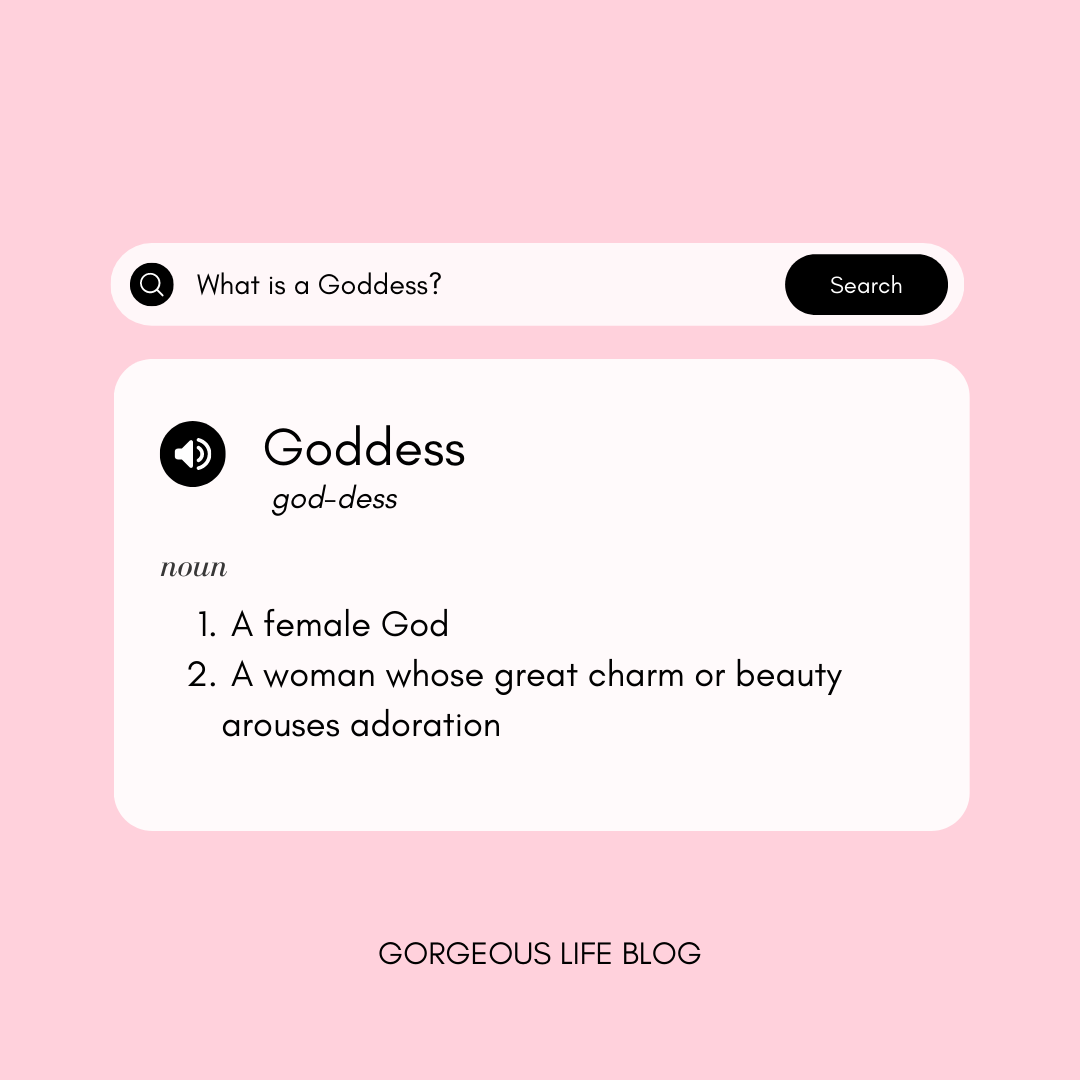
The Athena Archetype: Wisdom and Strategy
Athena, the Greek goddess of wisdom, warfare, and handicrafts, embodies strategic thinking, intelligence, and practical innovation. A brand aligning with the Athena archetype would be characterized by:
- Attributes: Analytical, logical, strategic, problem-solving, insightful, technologically advanced, wise, protective, innovative.
- Brand Persona: The expert, the mentor, the trusted advisor, the innovator.
- Industries: Tech companies (AI, software), consulting firms, financial advisory, security services, educational platforms.
- Marketing Focus: Emphasizes data-driven insights, smart solutions, superior knowledge, and practical results.
The Aphrodite Archetype: Beauty and Connection
Aphrodite, the goddess of love, beauty, pleasure, and procreation, represents allure, connection, sensory experience, and creative expression. A brand embodying Aphrodite would be:
- Attributes: Beautiful, sensual, luxurious, passionate, creative, charming, indulgent, connective, inspiring love.
- Brand Persona: The muse, the lover, the artist, the connoisseur.
- Industries: High-end fashion, cosmetics, jewelry, luxury travel, fine dining, art and design, dating apps.
- Marketing Focus: Highlights aesthetic appeal, emotional connection, sensory pleasure, desire, and self-indulgence.
The Demeter Archetype: Nurturing and Growth
Demeter, the goddess of harvest, agriculture, and fertility, symbolizes nurturing, abundance, growth, community, and unconditional care. A brand aligning with Demeter would be known for:
- Attributes: Supportive, caring, comforting, reliable, sustainable, community-focused, growth-oriented, stable, ethical.
- Brand Persona: The caregiver, the provider, the protector, the sustainer.
- Industries: Organic food, sustainable agriculture, childcare services, health and wellness, non-profits, community-focused businesses, financial planning for families.
- Marketing Focus: Emphasizes trust, wellness, security, long-term benefits, family values, and ecological responsibility.
The Artemis Archetype: Independence and Precision
Artemis, the goddess of the hunt, wilderness, and childbirth, represents independence, skill, focus, autonomy, and a pioneering spirit. Brands reflecting Artemis would be characterized by:
- Attributes: Independent, precise, adventurous, skilled, wild, focused, strong, authentic, individualistic, boundary-pushing.
- Brand Persona: The explorer, the pioneer, the activist, the skilled craftsperson.
- Industries: Outdoor gear, adventure travel, sports equipment, artisanal crafts, individual coaching, women’s empowerment initiatives.
- Marketing Focus: Promotes freedom, self-reliance, authenticity, mastery, exploration, and challenging norms.
The Hera Archetype: Leadership and Legacy
Hera, queen of the gods, goddess of marriage, women, and childbirth, symbolizes leadership, commitment, power, legacy, and institution. A brand embodying Hera would be:
- Attributes: Authoritative, traditional, committed, prestigious, loyal, powerful, enduring, family-focused, institution-building.
- Brand Persona: The leader, the queen, the matriarch, the pillar of the community.
- Industries: Luxury brands with a long heritage, high-end event planning, legacy investments, exclusive clubs, law firms, political organizations, family businesses emphasizing tradition.
- Marketing Focus: Highlights heritage, prestige, unwavering quality, trust, enduring value, and a sense of belonging to an elite group.
Implementing Archetypal Branding: A Strategic Approach
Adopting an archetypal approach requires careful consideration and strategic implementation to ensure authenticity and resonance. It’s not about simply choosing a goddess, but about truly embodying her essence.
Identifying Your Brand’s Core Essence
The first step is a deep dive into your brand’s true identity. What are its core values? What problem does it solve? What experience does it truly deliver? Which fundamental human need does it address? This introspection will reveal which archetype, or perhaps a blend of archetypes, genuinely aligns with your brand’s DNA. Attempting to force-fit an archetype that doesn’t resonate authentically will inevitably lead to a disjointed and unconvincing brand message.
Aligning Visuals, Voice, and Values
Once an archetype is identified, every aspect of the brand must be aligned with its attributes. This includes:
- Visual Identity: Colors, fonts, imagery, and logo design should evoke the archetype’s essence. For an Athena brand, think clean lines, sophisticated palettes, and strong, clear typography. For Aphrodite, consider flowing forms, luxurious textures, and vibrant or pastel hues.
- Brand Voice: The tone of communication, word choice, and messaging should reflect the archetype. An Artemis brand might use direct, empowering language, while a Demeter brand would employ warm, nurturing, and reassuring tones.
- Customer Experience: How customers interact with the brand, from sales to support, should be consistent with the archetypal persona. An Athena brand might offer highly efficient, solution-oriented support, while an Aphrodite brand would prioritize a delightful, personalized experience.
- Product/Service Features: The actual offerings should embody the archetype’s values. A tech product from an Athena brand might focus on intuitive design and robust functionality, whereas an Aphrodite brand’s product might emphasize aesthetic appeal and emotional gratification.

Authenticity as the Key to Longevity
The power of archetypal branding lies in its authenticity. Consumers are savvy and can quickly detect incongruence. A brand that genuinely lives its chosen archetype, demonstrating its values through actions as well as words, will build trust, foster loyalty, and achieve lasting resonance. By understanding “what goddesses are” in this strategic context—as timeless archetypes offering profound insights into human nature—brands can unlock deeper connections, differentiate effectively, and cultivate a truly enduring identity in the marketplace.
aViewFromTheCave is a participant in the Amazon Services LLC Associates Program, an affiliate advertising program designed to provide a means for sites to earn advertising fees by advertising and linking to Amazon.com. Amazon, the Amazon logo, AmazonSupply, and the AmazonSupply logo are trademarks of Amazon.com, Inc. or its affiliates. As an Amazon Associate we earn affiliate commissions from qualifying purchases.