
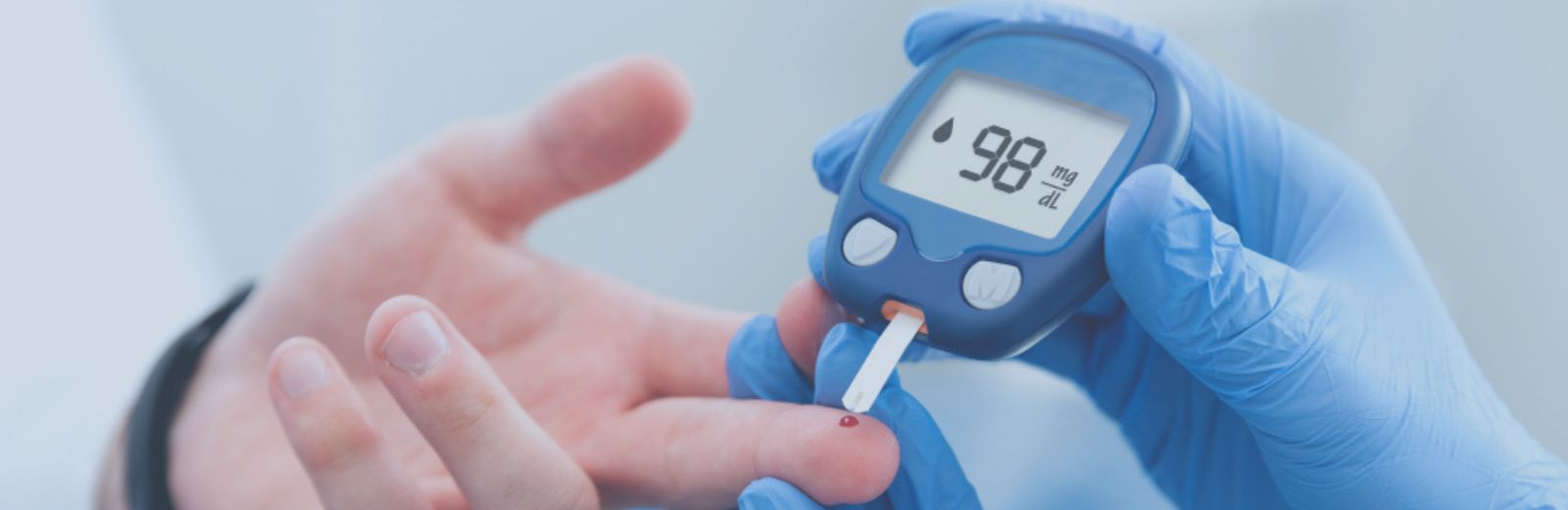
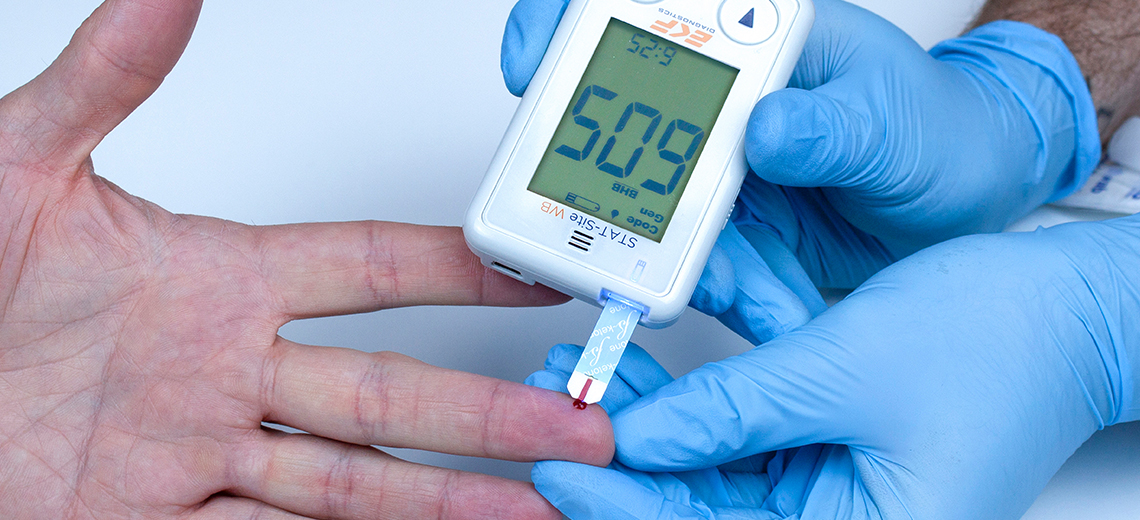
The term “Glucose POC” is most likely referring to a Point-of-Care (POC) testing device for glucose. In the realm of technology, especially within the rapidly evolving field of medical diagnostics and health tech, understanding these devices is crucial. They represent a significant advancement in how individuals and healthcare professionals can quickly and conveniently monitor blood glucose levels. This article will delve into what Glucose POCs are, their technological underpinnings, their applications, and their impact on healthcare and personal well-being, all from a Tech perspective.
Understanding the Technological Core of Glucose POCs
At its heart, a Glucose POC device is a sophisticated piece of technology designed for rapid and accurate glucose measurement at or near the patient. This stands in contrast to traditional laboratory-based testing, which requires samples to be sent off for analysis, leading to delays. The core of a Glucose POC lies in its electrochemical or photometric sensing capabilities, coupled with microfluidics and advanced data processing.
Electrochemical Sensing: The Dominant Technology
The vast majority of modern Glucose POC devices, commonly known as glucometers, utilize electrochemical biosensors. This technology relies on the principle of enzyme-catalyzed oxidation of glucose.
Enzyme-Substrate Reaction
The key component in most electrochemical glucose sensors is an enzyme, typically glucose oxidase (GOx) or glucose dehydrogenase (GDH). When a small blood sample (usually a drop) is applied to a test strip, it comes into contact with this immobilized enzyme. Glucose oxidase catalyzes the oxidation of glucose, producing gluconic acid and hydrogen peroxide. Glucose dehydrogenase, on the other hand, directly oxidizes glucose and reduces a mediator molecule.
Mediators and Electron Transfer
In electrochemical sensors, a mediator molecule is often employed to facilitate the electron transfer between the enzyme and the electrode. This mediator becomes electrochemically active during the enzymatic reaction and then passes electrons to the electrode. Common mediators include ferricyanide, ferrocene derivatives, and osmium complexes. The specific mediator used depends on the enzyme and the desired electrochemical detection method.
Electrochemical Detection Principles
The device then measures the electrical current generated by the oxidation or reduction of the mediator (or the direct product of the enzymatic reaction if no mediator is used). This current is directly proportional to the concentration of glucose in the blood sample. The POC device amplifies and interprets this electrical signal, displaying the glucose reading on a digital screen.
Amperometric vs. Coulometric Detection
Two primary electrochemical detection methods are prevalent:
- Amperometry: This method measures the current at a constant potential. The rate of electron transfer, and thus the current, is proportional to the analyte concentration. Amperometric systems are common in many glucometers.
- Coulometry: This method measures the total charge passed during the electrochemical reaction. By integrating the current over time, it provides a measure of the total amount of analyte that has reacted. Coulometric methods can offer advantages in terms of accuracy and precision as they are less susceptible to variations in hematocrit (the proportion of red blood cells in blood) and electrode surface area.
Photometric Sensing: An Alternative Approach
While less common for home-use glucometers, photometric sensing technologies are also employed in some POC glucose devices, particularly in more sophisticated analyzers or research settings. These methods rely on colorimetric reactions.
Colorimetric Reactions
In photometric sensing, the enzyme-substrate reaction produces a substance that reacts with a chromogen to produce a colored compound. The intensity of the color produced is directly proportional to the glucose concentration.
Spectrophotometric Measurement
A built-in spectrophotometer within the POC device then measures the absorbance of light at a specific wavelength corresponding to the color produced. This absorbance is then correlated to the glucose concentration using a calibration curve. While effective, these methods can sometimes be more susceptible to interference from other colored substances in the blood.
Microfluidics and Sample Handling
The small sample volume required for Glucose POCs is enabled by advancements in microfluidics. The test strips themselves are designed with intricate microchannels.
Capillary Action and Sample Application
These microchannels are engineered to draw the blood sample into the sensing area via capillary action. This ensures a consistent and precise volume of blood is delivered to the electrode surface, regardless of the user’s ability to precisely apply the drop. This feature is critical for consistent and accurate readings.
Reaction Chambers and Controlled Environments
Within the test strip, there are often reaction chambers that contain the necessary reagents. These chambers are designed to ensure proper mixing of the blood sample with the enzymes and mediators, and to create an optimal environment for the biochemical reaction to occur. The design of these chambers is a key technological aspect that influences the speed and accuracy of the test.
The Technological Evolution and Miniaturization of Glucose POCs
The journey of Glucose POC devices from bulky laboratory equipment to the sleek, portable glucometers of today is a testament to rapid technological innovation. This evolution has been driven by a desire for increased accuracy, ease of use, speed, and connectivity.
Miniaturization and Portability
The ability to miniaturize complex electrochemical and microfluidic components has been paramount. Advances in materials science, semiconductor manufacturing techniques, and microelectromechanical systems (MEMS) have allowed for the creation of smaller, more efficient sensors and electronic components. This has led to the development of devices that fit comfortably in a pocket or purse, enabling users to monitor their glucose levels anytime, anywhere.
Improved Accuracy and Reliability
Early glucose meters were prone to inaccuracies due to factors like temperature, humidity, and hematocrit variations. Technological advancements have addressed these issues through:
- Advanced Algorithms: Sophisticated algorithms are incorporated into the POC device’s firmware to compensate for environmental factors and sample variations, leading to more reliable readings.
- Strip Technologies: Innovations in test strip design and manufacturing have improved their stability and performance. This includes better reagent coatings, improved electrode materials, and integrated features that reduce error.
- Quality Control Features: Many modern POC devices incorporate self-testing and calibration features, ensuring the device is functioning correctly before providing a reading.
Enhanced User Interface and Data Management
Beyond the core sensing technology, the user interface and data management capabilities of Glucose POCs have also seen significant technological upgrades.
Digital Displays and User Feedback
High-resolution digital displays provide clear and easy-to-read glucose values. Many devices also offer advanced feedback, such as trend indicators, personalized target ranges, and even reminders for testing or insulin dosing.
Data Logging and Connectivity
A major technological leap has been the integration of data logging and connectivity. Modern Glucose POCs can store hundreds or even thousands of readings, allowing users and healthcare providers to track glucose patterns over time.
Bluetooth and Wireless Connectivity
The incorporation of Bluetooth and other wireless technologies allows these devices to seamlessly connect to smartphones and tablets. This facilitates:
- Mobile Health Applications (mHealth): Data can be automatically uploaded to specialized mHealth apps, which can offer more advanced analysis, visualization of trends, and even share this data securely with healthcare professionals.
- Integration with Continuous Glucose Monitors (CGMs): Some POC devices can act as readers or controllers for CGMs, further enhancing the comprehensive management of diabetes.
- Remote Patient Monitoring: This connectivity is vital for remote patient monitoring programs, enabling healthcare providers to remotely track their patients’ glucose levels and intervene proactively if necessary.
Emerging Technologies in Glucose POCs
The field of Glucose POCs is continuously evolving with the integration of cutting-edge technologies.
Non-Invasive Glucose Monitoring
A major area of research and development is the pursuit of truly non-invasive glucose monitoring. Technologies being explored include:
- Optical Methods: Utilizing infrared spectroscopy, Raman spectroscopy, or optical coherence tomography to detect glucose levels through the skin without the need for blood samples.
- Microwave Sensing: Employing microwave signals to measure glucose concentrations based on changes in dielectric properties.
- Electromagnetic Waves: Investigating the interaction of electromagnetic waves with bodily fluids to infer glucose levels.
While significant progress has been made, achieving the accuracy and reliability of existing invasive methods remains a challenge, but the potential for a pain-free, continuous monitoring solution is a powerful technological driver.
Advanced Biosensor Materials
Research into novel biosensor materials is also pushing the boundaries. This includes:
- Nanomaterials: The use of nanoparticles, nanowires, and graphene can enhance sensor sensitivity and reduce response times.
- Implantable Sensors: Development of implantable sensors that can provide continuous glucose readings for extended periods, often linked to closed-loop insulin delivery systems.
Applications and Impact of Glucose POC Technology
The widespread adoption of Glucose POCs has revolutionized diabetes management and has broader implications for healthcare technology.
Personal Diabetes Management
For individuals with diabetes, Glucose POCs are an indispensable tool for self-management.
Real-time Monitoring for Treatment Decisions
The ability to obtain an immediate glucose reading empowers individuals to make informed decisions about their diet, exercise, and insulin therapy. This real-time feedback loop is crucial for maintaining optimal glycemic control and preventing both hyperglycemia (high blood sugar) and hypoglycemia (low blood sugar).
Trend Analysis and Pattern Recognition
As mentioned, the data logging capabilities of modern POCs allow users to identify patterns and trends in their glucose levels. This can reveal how specific foods, activities, or stress levels impact their blood sugar, leading to personalized adjustments in their management plan.
Clinical Settings and Point-of-Care Diagnostics
Beyond personal use, Glucose POCs play a vital role in various clinical settings.
Hospital and Emergency Room Use
In hospitals, emergency rooms, and intensive care units, rapid glucose testing is essential for diagnosing and managing conditions like diabetic ketoacidosis, hyperosmolar hyperglycemic state, and hypoglycemia. The speed of POC devices can be life-saving.
Physician Offices and Clinics
Physician offices and clinics utilize Glucose POCs for routine screening, diagnosis of diabetes, and ongoing monitoring during patient visits. This allows for immediate feedback and adjustments to treatment plans without the need for laboratory delays.
Home Healthcare and Remote Monitoring
The rise of home healthcare services and remote patient monitoring programs has been significantly enabled by the portability and connectivity of Glucose POCs. This allows elderly or less mobile patients to be monitored effectively from the comfort of their homes.
Research and Development in Glucose Metabolism
Glucose POC technology also contributes to broader research efforts.
Clinical Trials
Researchers utilize advanced Glucose POC devices in clinical trials to gather precise glucose data from participants, aiding in the development and evaluation of new diabetes treatments and technologies.
Understanding Glucose Dynamics
The availability of high-frequency glucose data from POC devices allows for a deeper understanding of glucose dynamics in various physiological and pathological states, contributing to advancements in metabolic research.
The Future Trajectory of Glucose POC Technology
The evolution of Glucose POCs is far from over. The technology is poised for further integration, increased intelligence, and greater user convenience.
Integration with Smart Devices and AI
The trend towards interconnectedness will continue. We can expect tighter integration with smartwatches, fitness trackers, and other wearable devices. Artificial intelligence (AI) will play an increasingly significant role in:
- Predictive Analytics: AI algorithms can analyze historical glucose data, activity levels, and other physiological markers to predict future glucose trends, potentially alerting users to impending hypo- or hyperglycemic events.
- Personalized Recommendations: AI can provide highly personalized recommendations for diet, exercise, and medication adjustments based on an individual’s unique data profile.
- Automated Insulin Delivery Systems: The ultimate integration is with closed-loop insulin delivery systems (“artificial pancreas”), where POC data (often from CGMs) is used by an algorithm to automatically adjust insulin delivery.
Enhanced Diagnostic Capabilities
Future Glucose POCs may incorporate additional diagnostic capabilities beyond just glucose measurement.
- Ketone Testing: Many individuals with diabetes are at risk of diabetic ketoacidosis, so integrated ketone testing in POC devices would be a valuable advancement for early detection.
- Other Biomarkers: As sensor technology advances, POC devices might be developed to simultaneously measure other relevant biomarkers, providing a more comprehensive picture of a patient’s health.

Improved User Experience and Accessibility
Technological advancements will focus on making Glucose POCs even more user-friendly and accessible to a wider population.
- Simplified Interfaces: Intuitive interfaces and voice-guided instructions will cater to users with varying levels of technological proficiency.
- Reduced Test Strip Costs: While not strictly a technological feature, ongoing innovation in manufacturing and material science aims to reduce the cost of test strips, making monitoring more affordable.
- Enhanced Durability and Longevity: Devices will likely become more robust, with longer battery life and increased resistance to environmental factors.
In conclusion, Glucose POC devices represent a critical nexus of biotechnology and digital technology. Their continued development promises even more sophisticated, integrated, and personalized solutions for managing diabetes and understanding human physiology, marking them as a cornerstone of modern healthcare technology.
aViewFromTheCave is a participant in the Amazon Services LLC Associates Program, an affiliate advertising program designed to provide a means for sites to earn advertising fees by advertising and linking to Amazon.com. Amazon, the Amazon logo, AmazonSupply, and the AmazonSupply logo are trademarks of Amazon.com, Inc. or its affiliates. As an Amazon Associate we earn affiliate commissions from qualifying purchases.