
In an increasingly interconnected world, the concept of a “global language” transcends mere linguistics; it becomes a fundamental pillar of brand strategy, corporate identity, and effective marketing. While often colloquially associated with a dominant spoken tongue like English, a true global language, from a branding perspective, encompasses more than just shared vocabulary. It refers to the universal principles, symbols, and communication frameworks that allow brands to transcend geographical and cultural barriers, fostering recognition, trust, and resonance across diverse markets. Understanding and strategically leveraging this multifaceted concept is paramount for any brand aspiring to achieve international success and maintain a cohesive identity worldwide.
The Strategic Imperative of Universal Communication
The quest for a global language in branding is fundamentally driven by the strategic imperative of universal communication. Brands seek to convey their message, values, and offerings in a way that is understood and appreciated by a diverse audience, regardless of their native tongue or cultural background. This pursuit is not merely about translation, but about transcreation – adapting content to evoke the same intended emotion and impact in different cultural contexts.
English as the De Facto Global Business Language
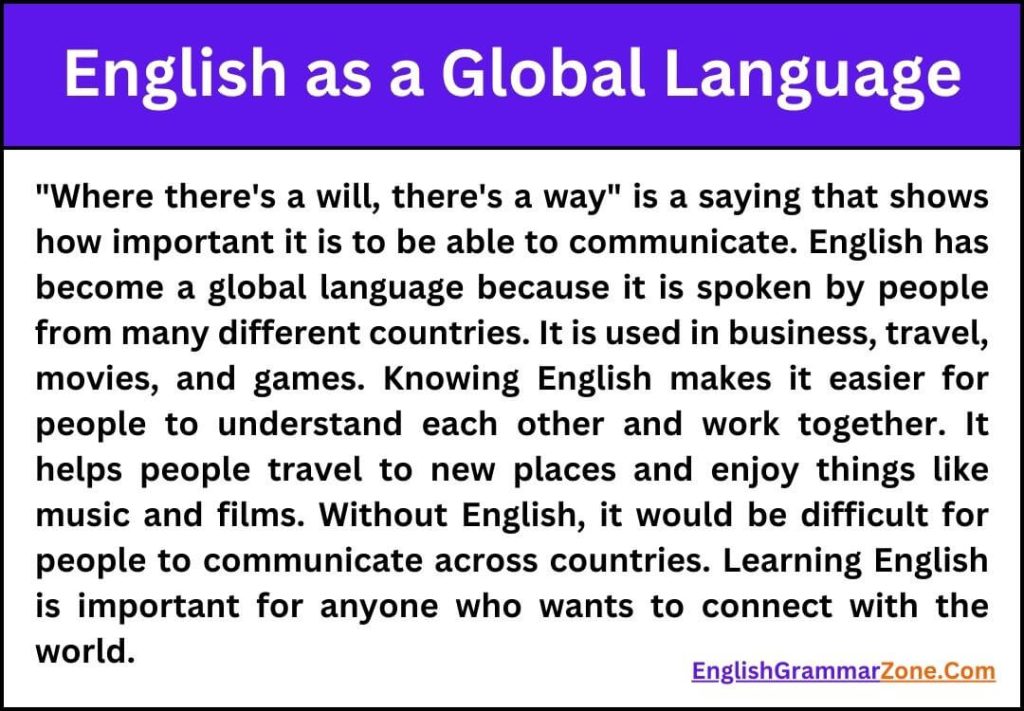
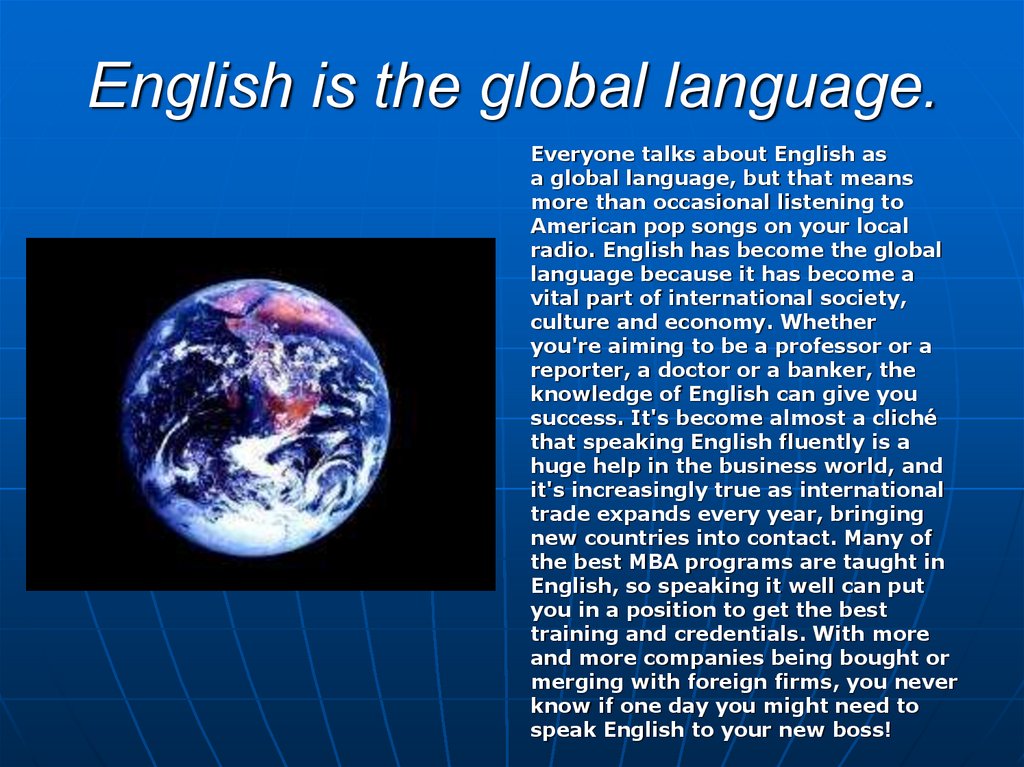
Historically, and perhaps most prominently, English has emerged as the de facto global business language. Its widespread adoption in international commerce, scientific research, aviation, and digital communication has positioned it as a common ground for multinational corporations. For many global brands, English serves as the primary language for internal communications, core brand guidelines, and initial content creation, streamlining operations and ensuring a baseline level of understanding across diverse teams. This reliance on English can simplify initial brand asset development and provide a universal framework for brand identity standards. However, relying solely on English for external communications risks alienating significant portions of the global consumer base who prefer interacting with brands in their native language.
Beyond Lingua Franca: Cultural Nuance and Brand Resonance
While English offers a practical lingua franca for operational efficiency, achieving true brand resonance globally demands a deeper understanding of cultural nuance. A global language, in a brand context, recognizes that effective communication goes far beyond literal translation. It involves understanding semiotics, local idioms, humor, taboos, and consumer behaviors specific to each market. A color that signifies purity in one culture might represent mourning in another. A gesture that is welcoming in one region might be offensive elsewhere.
Brands that successfully navigate this complexity develop a “global language” that is adaptable and sensitive. This means investing in local market intelligence, employing native cultural experts, and developing content strategies that honor local customs while staying true to the core brand promise. The goal is to create a universally recognizable brand persona that can express itself authentically in countless local dialects, both literal and metaphorical. This cultural dexterity ensures that the brand message is not just understood, but genuinely felt and appreciated by its target audience, fostering deeper connections and stronger brand loyalty.
Global Language and Brand Identity
The concept of a global language is intrinsically linked to the development and maintenance of a strong, consistent brand identity across borders. A brand’s identity—its visual elements, voice, values, and personality—must be communicated effectively in every market to build recognition and trust. This requires a thoughtful approach to how these elements are presented globally, ensuring they resonate without losing their core essence.
Consistency Across Borders
One of the primary challenges for global brands is maintaining consistency. While localization is crucial for resonance, it must not dilute the core brand identity. The global language of a brand involves creating a framework that allows for local adaptation while preserving universal elements. This includes consistent use of logos, color palettes, typography, and foundational messaging. A consumer should be able to recognize a brand’s identity, whether they encounter it in Tokyo, New York, or São Paulo, even if the specific language or cultural context differs.
This consistency is achieved through robust brand guidelines that define not only visual standards but also tone of voice, messaging architecture, and brand values. These guidelines act as the “grammar” of the brand’s global language, ensuring that all communications, regardless of market, speak with one coherent voice. Deviations, when necessary, are strategic and serve to enhance local relevance rather than contradict the core identity. This balance between universal recognition and local relevance is a hallmark of truly global brands.
Crafting a Translatable Brand Voice
Developing a brand voice that is inherently “translatable” is a critical aspect of mastering global language. This doesn’t mean speaking in overly simplistic terms, but rather crafting a voice that embodies universal human emotions, aspirations, or needs. A brand voice built on universal themes like aspiration, connection, freedom, or reliability tends to translate more effectively across cultures than one heavily reliant on specific cultural references, slang, or highly localized humor.
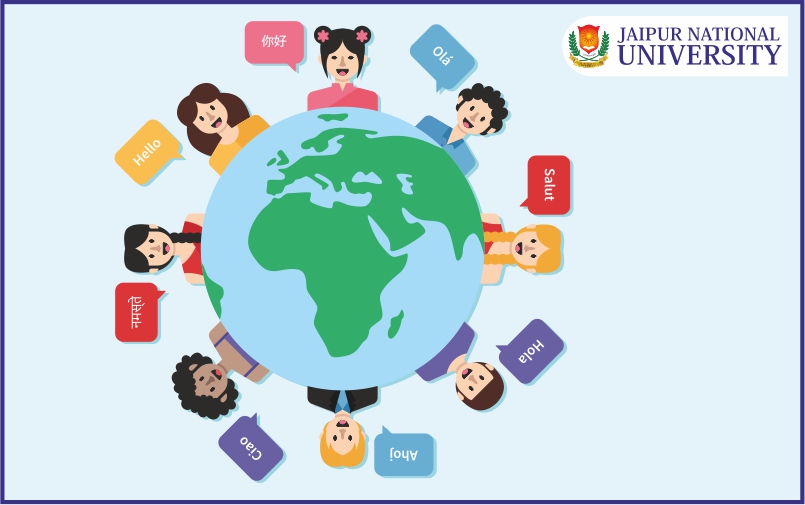
The process involves identifying the core emotional appeal and functional benefits of the brand and articulating them in a way that can be universally understood. For instance, a luxury brand’s global language might focus on craftsmanship, exclusivity, and heritage—concepts that hold value across many cultures, even if expressed differently. A tech brand might emphasize innovation, convenience, and efficiency. This requires a deep understanding of what aspects of the brand are truly universal and what needs to be adapted. It also necessitates a collaborative approach with local marketing teams and linguists who can provide insights into how the brand’s voice will be perceived and received in their specific markets, ensuring authenticity and impact.
Marketing in a Multilingual World
Marketing is the practical application of a brand’s global language, translating its identity and message into campaigns and content that reach and influence diverse audiences. In a world with thousands of languages and countless cultural nuances, effective global marketing strategies are essential for growth and market penetration.
Localized Content vs. Universal Messaging
A key dilemma in global marketing is striking the right balance between localized content and universal messaging. Universal messaging aims for broad appeal, using imagery and concepts that are widely understood, often through high-level emotional appeals. This can be effective for initial brand awareness or for products with truly universal utility. However, for deeper engagement and conversion, localized content is often indispensable.
Localized content means more than just translating text; it means adapting entire campaigns, including visuals, cultural references, calls to action, and even product features, to resonate with local market preferences. For example, a food brand might adapt its recipes and packaging to local tastes, while an apparel brand might adjust its clothing lines to reflect regional fashion trends and climate. The “global language” here is the underlying strategic framework that allows for these localized executions to occur while still feeling authentically part of the larger brand ecosystem. It’s about creating a flexible marketing playbook where the core brand story remains consistent, but its narration can be tailored to speak directly to the hearts and minds of local consumers.
Leveraging Digital Platforms for Linguistic Reach
Digital platforms have profoundly transformed the landscape of global language in marketing. Websites, social media, and digital advertising allow brands to reach unprecedented numbers of consumers across geographical boundaries. However, this accessibility also demands sophisticated linguistic and cultural strategies. Multilingual websites, localized social media channels, and geo-targeted ad campaigns are now standard practice for global brands.
The challenge lies in managing the complexity of these efforts. Content management systems that support multiple languages, translation management tools, and AI-powered localization platforms are becoming critical. Furthermore, understanding the dominant digital communication platforms in each region (e.g., WeChat in China, Line in Japan, WhatsApp in many parts of the world) and adapting content formats and tones accordingly is crucial. The global language of digital marketing is about creating seamless, personalized, and culturally relevant digital experiences for users, regardless of their location or preferred language. It’s about ensuring that the brand is discoverable, engaging, and trustworthy in every corner of the digital realm where its target audience resides.
The Future of Global Language in Branding
As technology continues to advance and global connectivity deepens, the concept of a “global language” in branding will continue to evolve. Future strategies will increasingly blend human linguistic and cultural expertise with cutting-edge technological capabilities to achieve unprecedented levels of personalization and resonance.
AI-Driven Translation and Personalization
Artificial intelligence (AI) is rapidly transforming how brands approach global language. Advanced machine translation (MT) and natural language processing (NLP) are making it faster and more cost-effective to translate vast amounts of content. While human oversight remains critical for nuanced transcreation, AI tools can handle large volumes of basic translation, freeing up human experts for more strategic and creative localization tasks.
More importantly, AI enables hyper-personalization at scale. By analyzing user data, preferences, and behaviors across different linguistic and cultural groups, AI can help brands tailor messages, product recommendations, and even visual content to individual consumers or micro-segments. This means a brand’s “global language” will increasingly become adaptive, dynamically adjusting its communication style and content based on who the recipient is, where they are, and what their preferences suggest, offering a truly bespoke brand experience that transcends traditional language barriers.
Embracing Linguistic Diversity as a Brand Strength
In the future, successful global brands will view linguistic diversity not as a challenge to overcome, but as a strategic asset and a source of brand strength. Rather than seeking a singular, universal language to homogenize their message, they will master the art of speaking many languages authentically. This involves celebrating and incorporating local cultural elements into brand narratives, creating content that reflects the diverse tapestry of their global audience.
This approach goes beyond mere translation; it’s about building an inclusive brand identity that resonates with a multitude of cultures, making consumers feel seen, heard, and valued in their own linguistic and cultural context. Brands that genuinely embrace linguistic and cultural diversity will foster deeper connections, build stronger communities, and ultimately achieve more enduring global success, demonstrating that the most powerful global language is one that speaks to everyone by speaking their own tongue.
aViewFromTheCave is a participant in the Amazon Services LLC Associates Program, an affiliate advertising program designed to provide a means for sites to earn advertising fees by advertising and linking to Amazon.com. Amazon, the Amazon logo, AmazonSupply, and the AmazonSupply logo are trademarks of Amazon.com, Inc. or its affiliates. As an Amazon Associate we earn affiliate commissions from qualifying purchases.