
Global interdependence describes the profound mutual reliance among countries, regions, and even individual economic actors across the world. It signifies that the prosperity, stability, and growth of one nation or entity are increasingly tied to the conditions and actions of others. In the realm of finance and economics, this concept is particularly salient, manifesting as intricate webs of trade, investment, and financial flows that connect nearly every corner of the globe. Understanding global interdependence is critical for businesses, investors, policymakers, and individuals alike, as it shapes everything from consumer prices and employment rates to market volatility and long-term economic prospects.
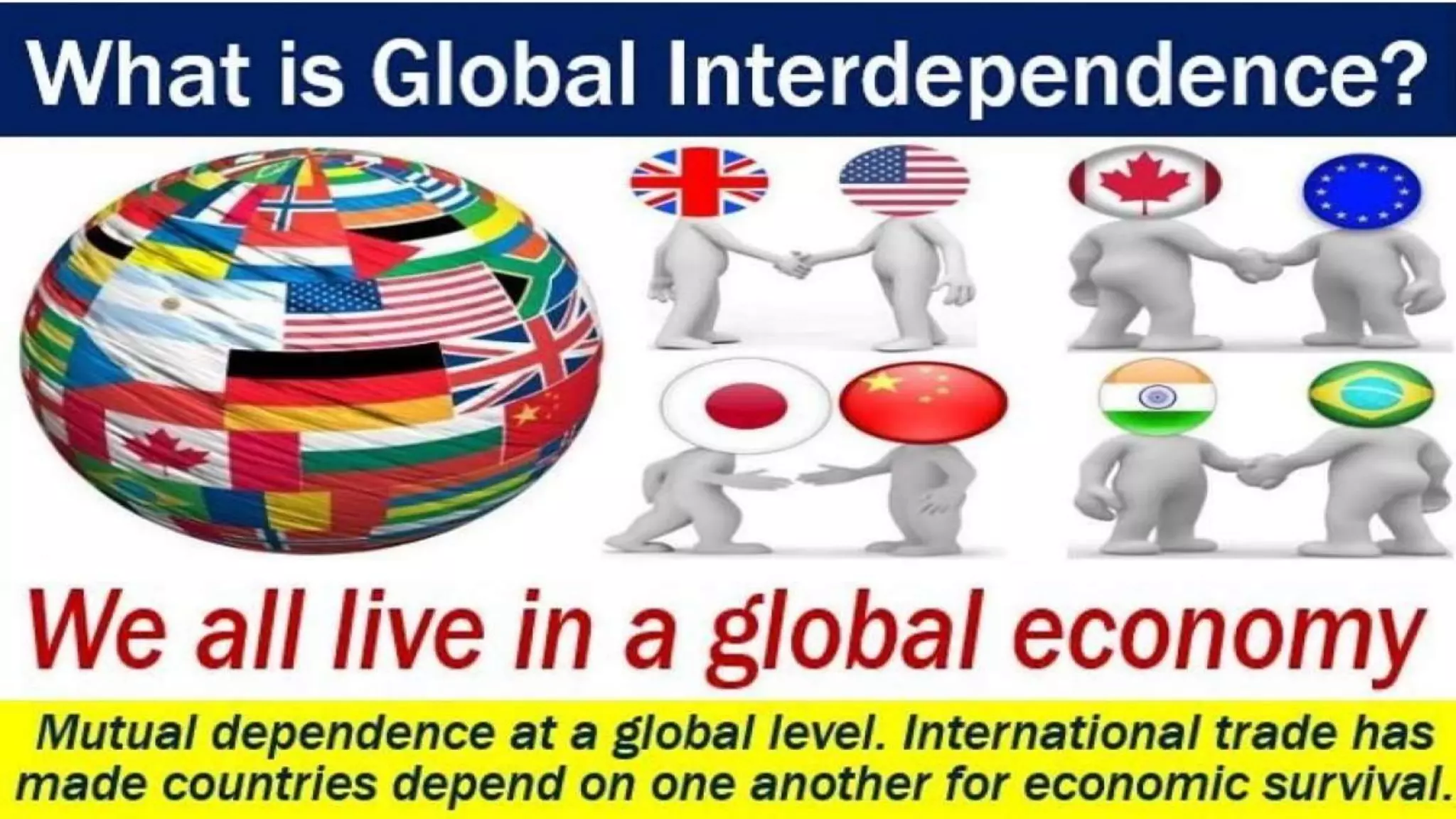
The Economic Fabric of Global Interdependence
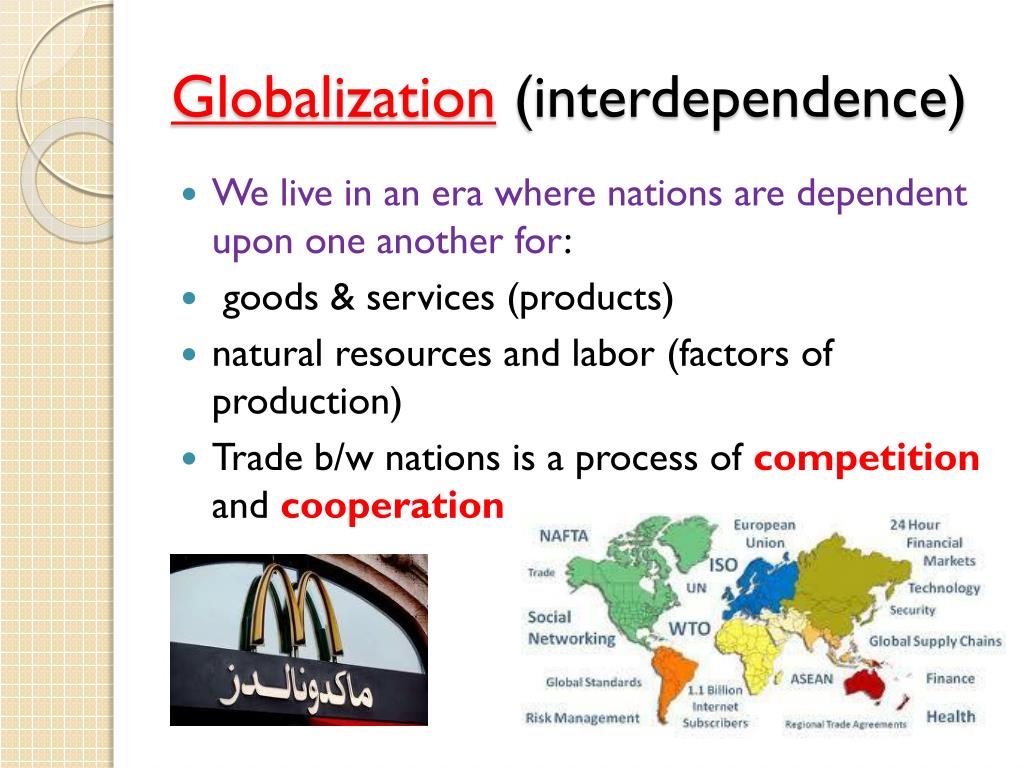
At its core, global interdependence is an economic phenomenon driven by the specialization of production, the pursuit of comparative advantages, and the relentless march of technological innovation facilitating global commerce. No single nation is entirely self-sufficient, leading to a natural inclination for trade and collaboration that forms the bedrock of a globally connected economy.
Interconnected Supply Chains
Modern supply chains are perhaps the most visible manifestation of economic interdependence. From the raw materials sourced in one continent to the manufacturing processes spanning multiple countries and the final assembly in another, products often embark on a global journey before reaching the consumer. For instance, a smartphone might feature components designed in the US, manufactured in South Korea, assembled in China, and shipped worldwide. Disruptions in any part of this complex chain—be it a natural disaster, a geopolitical event, or a pandemic-related lockdown—can have far-reaching effects, leading to production delays, shortages, and increased costs for businesses and consumers globally. This intricate dance of production highlights how the economic health and operational stability of one region directly impact others thousands of miles away.
International Trade and Tariffs
International trade is a fundamental pillar of global interdependence, allowing countries to specialize in producing goods and services where they have a comparative advantage. This specialization leads to greater efficiency, lower costs, and a wider variety of goods for consumers. However, trade is not without its complexities. Bilateral and multilateral trade agreements, such as those facilitated by the World Trade Organization (WTO), aim to streamline this exchange, reduce barriers, and ensure fair practices. Conversely, the imposition of tariffs or trade sanctions by one nation on another can ripple through global markets. Such protectionist measures can increase the cost of imported goods, reduce export opportunities, disrupt supply chains, and potentially trigger retaliatory actions, leading to trade wars that harm economic growth and investor confidence across multiple economies.
Foreign Direct Investment (FDI) and Capital Flows
Beyond the movement of goods, the global economy is deeply intertwined through capital flows, particularly Foreign Direct Investment (FDI). FDI involves an investor (company or individual) establishing or acquiring a lasting interest in an enterprise in another country. This includes building new facilities, reinvesting profits of overseas operations, or acquiring foreign companies. FDI is a powerful engine of economic growth, transferring capital, technology, and management expertise across borders. For host countries, it can create jobs, stimulate economic activity, and foster industrial development. For investing countries, it offers access to new markets, resources, and diversification opportunities. However, shifts in global economic sentiment, changes in political stability, or alterations in regulatory environments can lead to significant changes in FDI patterns, impacting the growth trajectories of both recipient and investing nations. Portfolio investments, involving the purchase of financial assets like stocks and bonds in foreign markets, also contribute significantly to global capital flows, linking national financial markets ever more closely.
Financial Market Synchronization
The interconnectedness of financial markets is another hallmark of global interdependence, meaning that events in one major financial center can rapidly influence asset prices and investor sentiment worldwide. This synchronization has profound implications for risk management, investment strategies, and the stability of the global financial system.
The Ripple Effect of Market Volatility
In a globally interdependent financial landscape, a significant market downturn or upward surge in one major economy can create a ripple effect across others. For example, a sharp correction in the stock market of a prominent economic power, perhaps triggered by an interest rate hike or a corporate scandal, often leads to declines in other global markets within hours or days. This phenomenon, sometimes referred to as financial contagion, is amplified by high-frequency trading, global news dissemination, and the interconnectedness of institutional investors’ portfolios. Investors might withdraw capital from perceived riskier assets globally in a flight to safety, irrespective of the underlying fundamentals of specific markets. Understanding these contagion channels is vital for investors aiming to build resilient portfolios and for policymakers striving to maintain financial stability.
Currency Exchange Rates and Global Trade
Currency exchange rates are a dynamic reflection of global economic interdependence, directly impacting the competitiveness of international trade and investment. The value of one currency relative to another is influenced by a myriad of factors, including interest rate differentials, inflation rates, economic growth prospects, and geopolitical stability. A strong domestic currency can make imports cheaper and exports more expensive, potentially affecting a nation’s balance of trade and the profitability of export-oriented businesses. Conversely, a weaker currency can boost exports but might lead to higher import costs, contributing to inflation. For multinational corporations, fluctuations in exchange rates introduce currency risk, necessitating hedging strategies to protect against adverse movements. Investors with international holdings also face currency risk, as the returns on their foreign investments can be eroded or amplified by changes in exchange rates when repatriating funds.
Central Bank Policies and International Finance
Central banks, through their monetary policy decisions, play a pivotal role in shaping global financial conditions. When a major central bank, such as the U.S. Federal Reserve or the European Central Bank, adjusts interest rates or implements quantitative easing/tightening measures, the effects are felt globally. For instance, a decision by the Federal Reserve to raise interest rates often attracts capital to the U.S., strengthening the dollar and potentially putting pressure on emerging market currencies as investors reallocate funds. This can lead to increased borrowing costs for countries and corporations with dollar-denominated debt. Conversely, coordinated actions by central banks during crises underscore the recognition of global interdependence and the need for collective efforts to stabilize financial systems and prevent widespread economic collapse. Their policies are not formulated in isolation but with an eye toward international spillovers and cross-border financial stability.
Opportunities and Challenges for Businesses and Investors
Global interdependence presents a dual landscape of unprecedented opportunities for growth and diversification, alongside significant challenges related to risk management and navigating complex international dynamics.
Diversification and Risk Mitigation
For investors, global interdependence offers extensive opportunities for portfolio diversification. By investing in a range of assets across different countries and regions, investors can potentially reduce overall risk, as not all markets move in perfect correlation. A downturn in one economy might be offset by growth in another, smoothing out returns over time. This strategy also allows access to a broader spectrum of industries, innovative companies, and emerging markets with high growth potential that may not be available domestically. However, effective global diversification requires thorough research into foreign markets, understanding geopolitical risks, and assessing currency exposure to truly mitigate rather than amplify risk.
Navigating Geopolitical and Economic Shocks
The flip side of interdependence is vulnerability to global shocks. Geopolitical tensions, trade disputes, pandemics, and localized financial crises can quickly escalate into global events, impacting supply chains, consumer demand, and investor confidence worldwide. Businesses must develop robust contingency plans, including diversifying sourcing locations, maintaining strategic inventories, and exploring localized production where feasible. Investors need to remain agile, constantly re-evaluating their portfolios in light of evolving global risks, and understanding how these shocks can affect different asset classes and geographies. A strong understanding of macroeconomic indicators and geopolitical dynamics becomes indispensable for both strategic business planning and astute investment decisions.
Emerging Markets and Growth Prospects
Emerging markets are a critical component of global interdependence, often offering higher growth rates and new consumer bases for multinational corporations and attractive investment returns for investors. Countries in Asia, Latin America, and Africa represent vast pools of untapped potential, driven by demographic trends, urbanization, and industrialization. Businesses can access new customer segments, lower production costs, and diversify their revenue streams. For investors, emerging markets can offer significant capital appreciation and higher yields, although often accompanied by greater volatility and political risk. The economic trajectories of these markets are increasingly tied to global commodity prices, foreign investment flows, and the economic health of major developed nations, highlighting their integral role in the broader interdependent system.
Personal Finance in a Globalized World
Global interdependence is not merely a concern for large corporations or institutional investors; it directly impacts the personal financial decisions and well-being of individuals. From the cost of goods to retirement savings, the effects are far-reaching.
Impact on Investment Portfolios
For the average investor, global interdependence means that their retirement accounts, mutual funds, and even individual stock holdings are rarely confined to domestic borders. Many major companies in which individuals invest derive a significant portion of their revenue from international operations. Furthermore, many investment funds explicitly hold foreign stocks and bonds to achieve diversification. This global exposure means that economic growth or recession in a major trading partner, geopolitical events overseas, or fluctuations in foreign currencies can all influence the value of an individual’s investment portfolio. Understanding these linkages helps in making informed decisions about international diversification and managing risk within personal investment strategies.
Consumer Prices and Inflation
The prices consumers pay for everyday goods and services are profoundly affected by global interdependence. When supply chains are disrupted, as seen with recent global events, the cost of imported components and finished goods rises, contributing to domestic inflation. Similarly, changes in global commodity prices—such as oil, natural gas, or agricultural products—directly impact energy bills, food costs, and the production expenses for countless manufactured items. A weaker domestic currency makes imported goods more expensive, further fueling inflation. Conversely, efficient global production and trade can keep consumer prices lower, increasing purchasing power. Individuals need to be aware of these global drivers when budgeting and planning for future expenses.
Global Employment Trends
Labor markets are also not immune to global interdependence. Companies may choose to outsource certain functions or establish manufacturing facilities in countries where labor costs are lower or specialized skills are more readily available. While this can create jobs in some regions, it can also lead to job displacement in others, influencing wage growth and employment opportunities domestically. Furthermore, the demand for certain skills can become globalized, allowing individuals to seek employment opportunities beyond their national borders or work remotely for international companies. Economic downturns or robust growth in major economies can ripple through global labor markets, affecting hiring decisions, wage negotiations, and the overall job outlook for individuals across various sectors.
Strategic Approaches to a Globally Interdependent Economy
Navigating a globally interdependent economic landscape requires strategic foresight, adaptability, and a proactive approach from all participants, from multinational corporations to individual investors.
Resilience Building in Supply Chains
For businesses, building resilience into supply chains is paramount. This involves strategies such as multi-sourcing from diverse geographic locations to reduce reliance on a single region, increasing inventory levels for critical components, or investing in localized production capabilities where cost-effective. Implementing advanced analytics and real-time monitoring can help identify potential disruptions early, allowing for quicker adaptation. Diversification of logistics partners and exploring alternative transportation routes are also key tactics. Such measures aim to minimize the impact of external shocks, ensuring continuity of operations and mitigating financial losses stemming from global disruptions.
Informed Investment Strategies
Investors must adopt informed and dynamic strategies that account for global economic linkages. This includes staying abreast of geopolitical developments, macroeconomic indicators across major economies, and central bank policies worldwide. Diversifying beyond domestic markets into international equities, bonds, and alternative assets can enhance returns and reduce portfolio volatility. Utilizing currency hedging instruments can mitigate exchange rate risks. Furthermore, focusing on companies with robust global operations and diversified revenue streams can offer greater resilience. Regularly reviewing and rebalancing portfolios in response to evolving global conditions is crucial for long-term success in an interdependent market.
Adapting to Regulatory Landscapes
Operating and investing in a globally interdependent world necessitates a keen understanding of diverse regulatory landscapes. Businesses must navigate varying legal frameworks, tax regimes, labor laws, and environmental regulations across different jurisdictions. Compliance with international trade laws, anti-money laundering regulations, and data privacy standards (such as GDPR) is essential to avoid penalties and reputational damage. For investors, understanding the regulatory environment of target markets, including investor protection laws and capital controls, is vital for assessing risk and ensuring the security of their investments. Proactive engagement with legal and financial experts specializing in international compliance is indispensable for navigating this complex terrain successfully.
aViewFromTheCave is a participant in the Amazon Services LLC Associates Program, an affiliate advertising program designed to provide a means for sites to earn advertising fees by advertising and linking to Amazon.com. Amazon, the Amazon logo, AmazonSupply, and the AmazonSupply logo are trademarks of Amazon.com, Inc. or its affiliates. As an Amazon Associate we earn affiliate commissions from qualifying purchases.