
Global Gross Domestic Product (GDP) is a fundamental economic indicator that measures the total monetary value of all finished goods and services produced within a country’s borders in a specific time period. When we zoom out and consider the “global” aspect, it signifies the combined economic output of all countries worldwide. Understanding global GDP isn’t just an academic exercise for economists; it’s a vital concept with profound implications for the technological advancements shaping our world, the brands that define our consumption, and the financial landscapes we navigate.

In today’s interconnected world, the interplay between global GDP and these three pillars – Tech, Brand, and Money – is more dynamic than ever. A rising global GDP often signals increased economic activity, which in turn fuels investment in innovation, strengthens consumer purchasing power for branded goods, and creates a fertile ground for financial markets to flourish. Conversely, a struggling global economy can lead to reduced R&D spending, decreased brand loyalty, and financial instability. This article will delve into the multifaceted relationship between global GDP and these key areas, exploring how changes in the global economic engine impact the trajectory of technology, the power of brands, and the opportunities within the financial realm.
The Pulse of the Planet: Understanding Global GDP
At its core, global GDP is the sum of all national GDPs. It’s a colossal undertaking to calculate, involving the meticulous collection and aggregation of data from virtually every nation. The United Nations and the International Monetary Fund (IMF) are key organizations that compile and report these figures, providing a crucial benchmark for understanding the health and growth of the world economy.
How is Global GDP Calculated?
The calculation of global GDP primarily relies on three main approaches, which theoretically should yield the same result:
- The Production Approach (Value Added): This method sums up the value added at each stage of production across all industries within a country. Value added is the difference between the value of a firm’s output and the value of its intermediate inputs. For example, a bakery’s value added would be the price of the bread minus the cost of flour, yeast, and other ingredients.
- The Expenditure Approach: This approach sums up all final expenditures in an economy. This includes household consumption (C), business investment (I), government spending (G), and net exports (NX – exports minus imports). The formula is often represented as GDP = C + I + G + NX. This method is particularly insightful for understanding what drives economic activity.
- The Income Approach: This method sums up all incomes earned by factors of production within an economy. This includes wages, salaries, profits, interest, and rent.
When aggregating these figures globally, economists face challenges like currency conversions, differing accounting standards, and the inclusion of informal economies. Despite these complexities, global GDP provides an indispensable snapshot of the world’s economic output, allowing us to track trends and make informed comparisons.
Why Does Global GDP Matter?
The significance of global GDP extends far beyond economic statistics. It’s a barometer of human progress, a driver of opportunity, and a determinant of global power dynamics.
- Economic Growth and Development: A rising global GDP indicates that the world is producing more goods and services, often leading to improved living standards, poverty reduction, and increased opportunities for individuals and businesses. It signifies an expansion of the economic pie, which can be distributed to fuel further progress.
- Investment and Innovation: Higher global GDP often correlates with increased investment, both domestically and internationally. This capital flows into research and development, technological advancements, infrastructure projects, and entrepreneurial ventures. A robust economy provides the resources and confidence needed to innovate.
- Consumer Spending and Market Size: As economies grow and incomes rise, so does consumer purchasing power. This translates into a larger global market for goods and services, benefiting businesses and brands. It also influences demand for new technologies and the adoption of innovative products.
- Geopolitical Influence: A nation’s GDP is a significant factor in its global standing and influence. Countries with larger economies often wield more political and economic power on the international stage, impacting trade agreements, diplomatic relations, and global policy-making.
- Resource Allocation: Global GDP figures help international organizations and governments understand where economic activity is concentrated and where resources might be most needed or most effectively deployed to address global challenges like climate change or pandemics.
The Symbiotic Relationship with Technology
The tech industry is arguably the most dynamic sector experiencing a profound and often accelerating impact from global GDP fluctuations. Global GDP is not just a reflection of technological progress; it’s a crucial enabler of it.
How Global GDP Fuels Technological Advancement
A healthy and growing global GDP provides the essential ingredients for the tech industry to thrive:
- Increased R&D Investment: When economies are booming, corporations and governments are more inclined to allocate substantial funds towards research and development. This is particularly true in cutting-edge fields like Artificial Intelligence (AI), quantum computing, biotechnology, and renewable energy. These investments are the bedrock of future technological breakthroughs. For instance, advancements in AI tools are often driven by significant venture capital funding and corporate R&D budgets that are more readily available during periods of economic expansion.
- Consumer Demand for Gadgets and Apps: As disposable incomes rise with a growing global GDP, consumers are more willing and able to purchase new gadgets, software applications, and digital services. This sustained demand creates a powerful incentive for tech companies to innovate and bring new products to market, from the latest smartphones and wearable devices to sophisticated productivity apps and immersive gaming experiences.
- Infrastructure Development: Large-scale infrastructure projects, often funded by governments and private entities during periods of economic growth, are increasingly reliant on advanced technology. This includes the rollout of 5G networks, the development of smart cities, and the expansion of data centers, all of which require significant investment in hardware, software, and digital security.
- Digital Transformation Across Industries: As businesses experience increased revenue and market opportunities due to a strong global GDP, they are more likely to invest in digital transformation initiatives. This involves adopting new software, cloud computing solutions, and AI-powered tools to enhance efficiency, customer service, and competitiveness. The demand for these enterprise-level tech solutions directly contributes to the growth of the tech sector.
- Talent Acquisition and Retention: A thriving tech industry, fueled by economic prosperity, can attract and retain top talent. Higher salaries, better working conditions, and exciting project opportunities become more prevalent, leading to a concentration of skilled professionals who can drive further innovation.
Emerging Tech Trends Shaped by Global Economic Health

The very nature of technological innovation is influenced by the global economic climate.
- AI and Automation: The development and deployment of AI tools, from generative AI for content creation to sophisticated automation for manufacturing and logistics, are often accelerated during periods of robust global GDP. Businesses look to AI to boost productivity and efficiency, especially when facing increased demand or competitive pressures.
- Sustainable Tech: While the urgency of climate change is a constant driver, the investment in green technologies and sustainable solutions can be amplified when global economies have the capacity to allocate resources beyond immediate needs. This includes advancements in renewable energy, electric vehicles, and circular economy technologies.
- Digital Security: As the digital economy expands and more transactions occur online, the importance of digital security grows. A healthy global GDP often means increased spending on cybersecurity solutions, both by individuals and corporations, to protect their assets and data from an ever-evolving landscape of threats.
- The Metaverse and Extended Reality (XR): While still in nascent stages, the development of immersive digital worlds and extended reality technologies requires significant investment in hardware, software, and content creation. A strong global economy can provide the capital needed for companies to explore and build these future digital frontiers.
The Art and Science of Brands in a Global Economy
Brands are the visible face of products and services, and their success is intimately tied to the economic well-being reflected in global GDP. A robust global economy empowers brands, while economic downturns can challenge their very existence.
How Global GDP Impacts Brand Strategy and Perception
The ebb and flow of global GDP directly influence how brands are built, marketed, and perceived by consumers.
- Consumer Spending Power and Brand Loyalty: When global GDP is on an upward trajectory, consumers generally have more disposable income. This allows them to indulge in branded products and services that offer perceived value, quality, or status. Brand loyalty can be strengthened as consumers have the financial freedom to stick with trusted names. Conversely, during economic contractions, consumers may become more price-sensitive, leading to a shift towards generic or value-oriented alternatives, testing brand resilience.
- Marketing Budgets and Reach: A strong economy typically means that companies have larger marketing budgets. This allows for more extensive advertising campaigns, global product launches, and investment in brand-building initiatives across various channels, including digital marketing, traditional media, and experiential events. Brands can invest in sophisticated marketing strategies, leveraging data analytics and AI tools to personalize their outreach and enhance their brand reputation.
- Brand Reputation and Trust: In times of economic stability and growth, brands that consistently deliver on their promises and maintain high ethical standards can significantly bolster their reputation. Positive customer experiences and strong corporate social responsibility initiatives contribute to a favorable brand image, which can translate into increased market share and customer advocacy. During economic hardship, a brand’s ability to navigate challenges with integrity and transparency becomes paramount to preserving its reputation.
- Product Innovation and Brand Extension: Economic prosperity often fuels innovation within companies. This leads to the development of new products and services, allowing brands to extend their offerings and tap into new market segments. For example, a successful tech brand might leverage its reputation to launch a new line of smart home devices, capitalizing on consumer confidence and spending power.
- Global Market Entry and Expansion: A growing global GDP opens up new markets for brands to expand into. Businesses can invest in establishing a presence in emerging economies, adapting their marketing and product strategies to local cultural nuances and consumer preferences. This global reach is a key indicator of a brand’s success and its ability to compete on an international scale.
Case Studies: Brands Navigating Economic Tides
Examining how brands have adapted their strategies in response to global economic shifts offers valuable insights. Brands that have prioritized customer value, adapted their product portfolios, and maintained authentic communication have often weathered economic storms more effectively. For instance, during recessions, some luxury brands have successfully repositioned themselves by emphasizing craftsmanship and heritage, appealing to consumers seeking enduring value rather than fleeting trends. Conversely, agile direct-to-consumer (DTC) brands that can quickly pivot their supply chains and marketing messages have also demonstrated resilience.
The Engine of Opportunity: Money, Finance, and Global GDP
The financial world is inextricably linked to global GDP. The overall economic health of the planet dictates the opportunities available for personal finance, investment, and business growth.
How Global GDP Shapes Personal and Business Finance
The aggregate economic output of the world has a direct and tangible impact on individual financial well-being and the operations of businesses.
- Investment Opportunities: A rising global GDP often signifies a healthy and expanding global economy, which typically leads to robust stock markets, increased venture capital activity, and a greater appetite for investment in various asset classes. This translates into more opportunities for individuals and institutions to grow their wealth through investing. Conversely, during periods of economic contraction, investment markets can become volatile, and opportunities may shrink, necessitating more cautious financial strategies.
- Online Income and Side Hustles: As the global economy grows, so does the demand for goods and services, creating new avenues for generating online income. The rise of the gig economy, the growth of e-commerce platforms, and the increasing reliance on digital services all contribute to a fertile ground for side hustles and online entrepreneurial ventures. A strong GDP underpins the consumer spending that fuels these income streams.
- Business Finance and Growth: For businesses, a healthy global GDP means increased demand for their products and services, leading to higher revenues and profits. This financial stability allows businesses to secure loans more easily, invest in expansion, hire more employees, and innovate. Financial tools and services become more accessible and affordable when the economy is performing well.
- Inflation and Interest Rates: Global GDP growth is a key factor influencing inflation. As economies expand and demand increases, prices can rise. Central banks often respond to inflationary pressures by adjusting interest rates. These decisions have a profound impact on the cost of borrowing for individuals and businesses, influencing mortgage rates, loan payments, and investment returns.
- Global Financial Markets: The interconnectedness of global financial markets means that economic events in one region can have ripple effects worldwide. The stability and growth of global GDP are crucial for maintaining confidence and liquidity in these markets, facilitating international trade and investment.
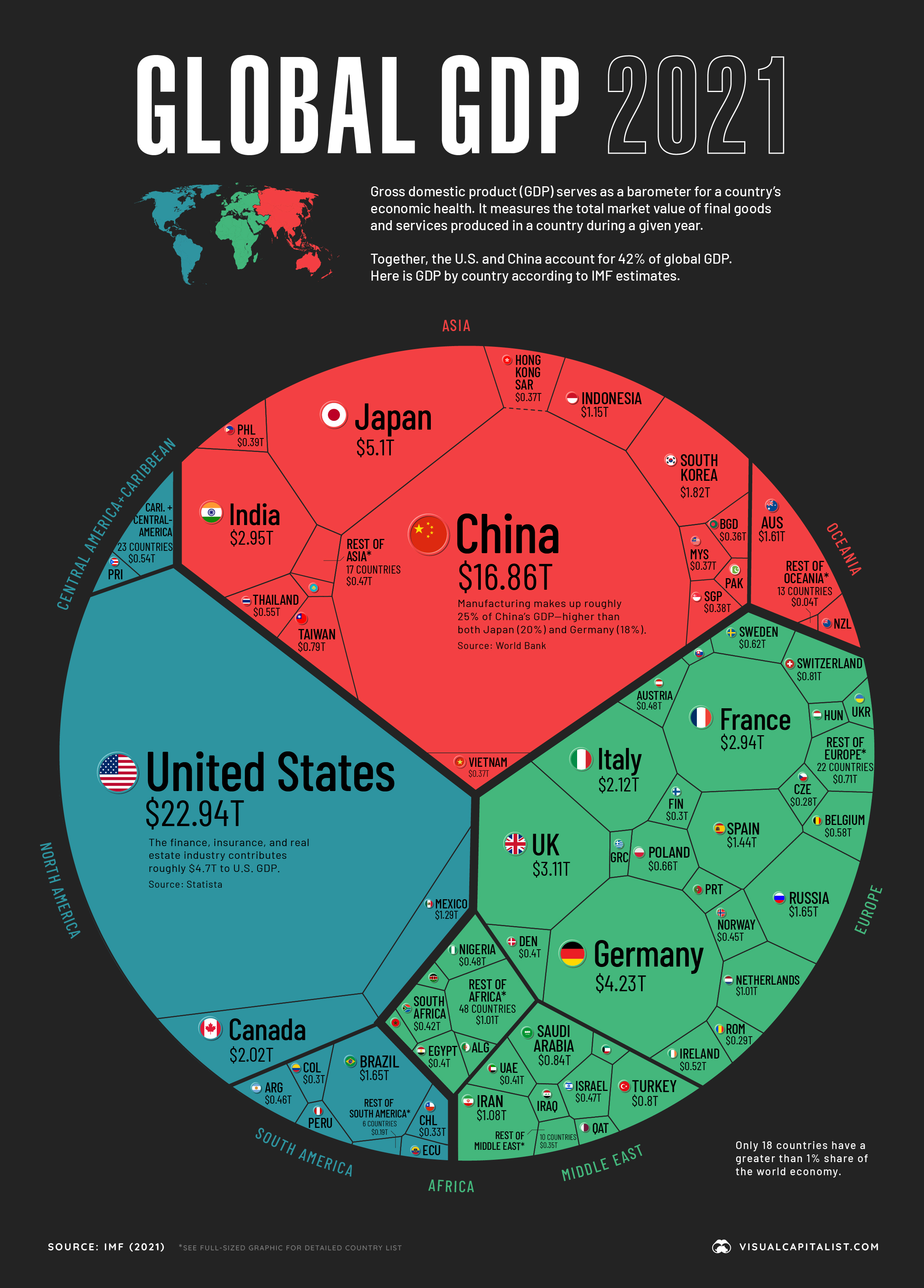
Financial Tools and Strategies in a Changing Economic Landscape
The tools and strategies available for managing money are constantly evolving, influenced by both technological advancements and the prevailing economic climate.
- Fintech Innovations: The financial technology (fintech) sector is a direct beneficiary of both technological progress and economic opportunity. Innovations like online banking, digital payment systems, robo-advisors, and cryptocurrency platforms are making financial management more accessible and efficient for a global audience. These tools are particularly valuable for individuals looking to manage their personal finances effectively or pursue online income streams.
- Personal Finance Management: In a growing economy, individuals are often more focused on wealth building, retirement planning, and making smart investment choices. Tools that offer personalized budgeting, investment tracking, and financial planning advice become indispensable. Conversely, during economic downturns, the focus shifts towards debt management, emergency fund building, and risk mitigation.
- Business Financial Management: For businesses, sophisticated financial tools are essential for managing cash flow, forecasting revenue, securing funding, and optimizing profitability. Cloud-based accounting software, enterprise resource planning (ERP) systems, and specialized financial analytics platforms are becoming increasingly vital for navigating the complexities of modern business finance, especially in a globalized marketplace.
In conclusion, global GDP is more than just a number; it’s a critical indicator that shapes the very fabric of our technological innovations, the influence of our brands, and the opportunities within our financial lives. Understanding its dynamics allows us to better comprehend the forces driving progress and prepare for the challenges and opportunities that lie ahead in our increasingly interconnected world.
aViewFromTheCave is a participant in the Amazon Services LLC Associates Program, an affiliate advertising program designed to provide a means for sites to earn advertising fees by advertising and linking to Amazon.com. Amazon, the Amazon logo, AmazonSupply, and the AmazonSupply logo are trademarks of Amazon.com, Inc. or its affiliates. As an Amazon Associate we earn affiliate commissions from qualifying purchases.